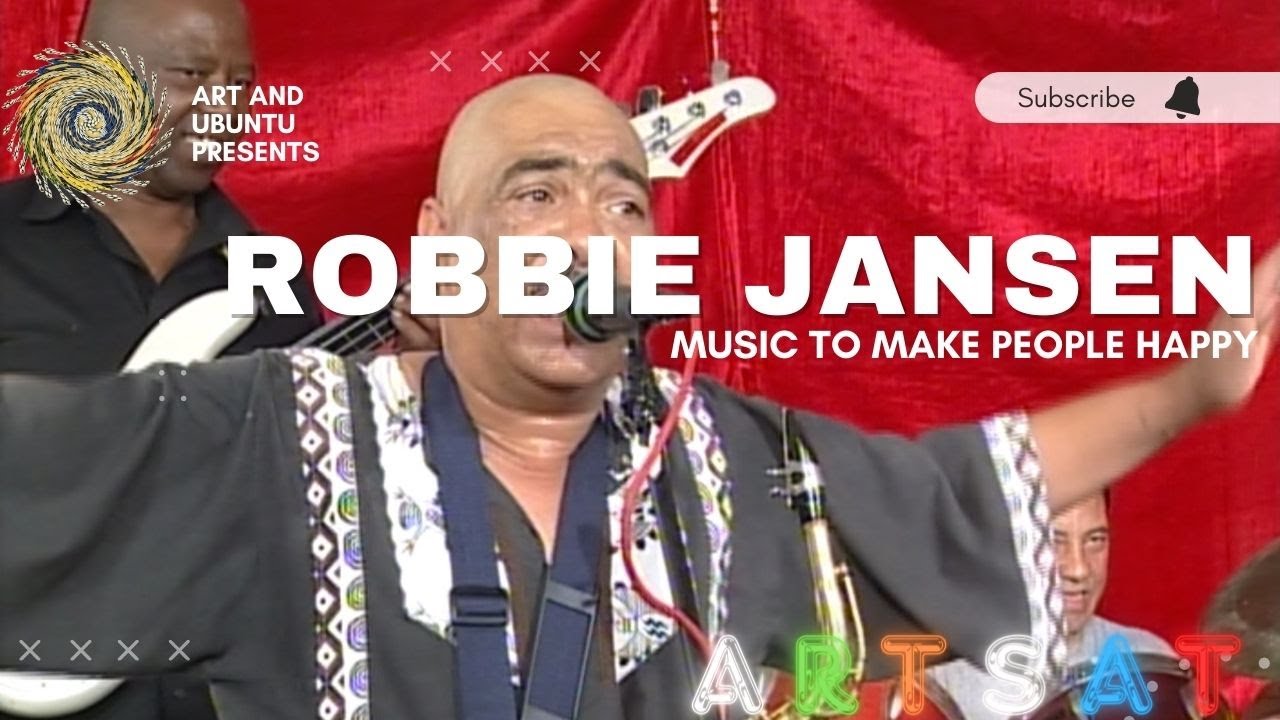
Robbie Jansen
 South Africa
Member of Juluka
saxophonist•flautist•singer•composer
Also known as: Robert Edward Jansen, The Cape Doctor
Birthday
August 5, 1949
Birth Sign
Capricorn
Birthplace
Harfield Village, Cape Town, South Africa
Age
Died at 60
About
Robert Edward Jansen (August 5, 1949 – July 7, 2010) was a South African saxophonist, flautist, singer, and composer who fundamentally shaped the identity of Cape Jazz. Born in Harfield Village, Cape Town, he earned the nickname "The Cape Doctor" for his deep connection to the city and his musical innovations. Jansen is best remembered for his tenure with the groundbreaking band Juluka, where he helped fuse Zulu musical traditions with the Cape jazz sound, creating a powerful symbol of cross-racial unity during the apartheid era.
His work transcended mere entertainment; it became a form of political activism and cultural bridge-building. As a self-taught artist, Jansen transitioned from pop music in the late 1960s to become a legendary figure in South African jazz. He introduced the "Zulu concertina" influence that became a hallmark of Cape Jazz, blending rural Zulu rhythms with urban jazz sensibilities. Even decades after his death, his recordings remain accessible and influential, cementing his status as a national treasure and a fearless anti-apartheid activist alongside Johnny Clegg and Sipho Mchunu.
Early Life & Background
Robert Edward Jansen was born into a mixed-race community in Harfield Village, a historically diverse area in Cape Town. His early life was steeped in the rich musical tapestry of the city, which laid the groundwork for his future innovations. He attended Rosmead Primary School, where his interest in music began to take shape. Unlike many professionals who undergo formal conservatory training, Jansen was largely self-taught, learning by ear and immersing himself in the sounds of his surroundings.
Before achieving international recognition, Jansen honed his skills as a versatile entertainer in the local pop scene. In the late 1960s, he joined the popular group The Rockets, marking his entry into the professional music industry. This period allowed him to experiment with different genres and develop his stage presence. Throughout the early 1970s, he performed with various local ensembles including the Genuines and The Roberts. These years were crucial for his artistic development, as he worked as a bandleader for groups such as the Sons of Table Mountain. His time with these bands provided the foundation for his signature fusion of sounds, eventually leading to the revolutionary collaboration that would define his career.
Career Growth
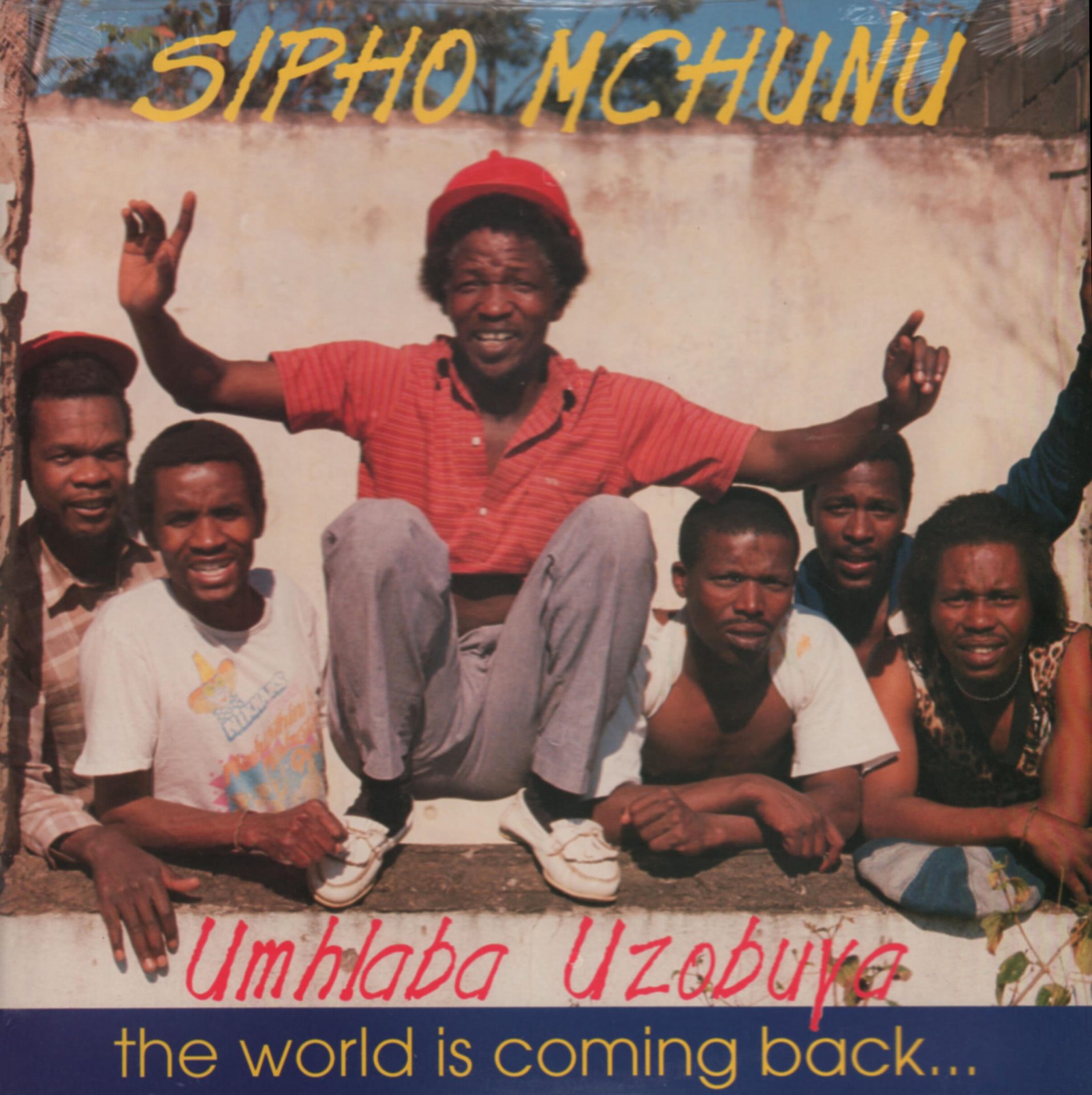
Jansen's career trajectory shifted dramatically in 1979 when he joined Juluka alongside Johnny Clegg and Sipho Mchunu. This collaboration was revolutionary; it brought together a white Zimbabwean (Clegg) and two black South Africans (Mchunu and Jansen) to create music that defied the racial segregation laws of apartheid. Together, they recorded the debut album Universal Men, which became a symbol of resistance and unity. Jansen contributed as a saxophonist, flute player, and vocalist, introducing the "Zulu concertina" influence that became a hallmark of Cape Jazz.
The band toured extensively throughout the 1980s, performing at major venues globally, including the US and Europe, despite the political complexities of the era. Songs like "Scatterlings of Africa" became anthems of freedom and are still recognized today. In the 1990s, Jansen remained active in the Cape Town jazz circuit, leading his own ensemble, the Sons of Table Mountain, and releasing solo albums for Mountain Records. He also organized university tours for the Dollar Brand Band, further cementing his role in the development of the genre. By the 2000s, he was widely regarded as an elder statesman of Cape Jazz, continuing to perform live until his health declined. His commercial success was driven less by chart dominance and more by his profound cultural impact, with his recordings remaining accessible and influential decades after their release.
Career Timeline
Public Image & Style
Robbie Jansen projected an image of artistic integrity and political courage. He was known as a humble yet powerful performer who used his music to challenge the status quo of apartheid South Africa. His style blended the energy of pop with the sophistication of jazz, making him accessible to diverse audiences while maintaining deep cultural roots. As "The Cape Doctor," he embodied the spirit of Cape Town, earning respect from both local communities and international critics. Media portrayals often highlighted his role as a bridge between cultural traditions, emphasizing his commitment to cross-racial unity. His presence on stage was described as charismatic and commanding, reflecting his versatility as a multi-instrumentalist.
Fame & Fandom (iFAMOUS Rankings)
The audience for Robbie Jansen operates without a formalized name or structured organization, distinguishing his legacy from modern celebrity ecosystems driven by coordinated campaigns. Rather than a global fandom engaging in chart pushes or digital rituals, appreciation for the late South African musician is sustained through cultural institutions, academic inquiry, and the enduring respect of the local music community. His reputation rests on his status as an institution within Cape Town's jazz circuit and a figure of national importance, maintained by those who value his artistic synthesis and political courage rather than organized fan activity. This absence of a branded fanbase reflects a tradition where the work itself serves as the primary connection between the artist and the public.
The iFANN Global Fame Engine has evaluated his standing based on contemporary metrics and historical data. Robbie Jansen does not currently hold a placement in the published Global Top 1,000 rankings or any Top-100 scope list. While he lacks a specific numerical rank, his influence remains distinctively rooted in his contribution to the fusion of Zulu musical influences with Cape Jazz and his role as a fearless anti-apartheid activist alongside Johnny Clegg and Sipho Mchunu. The evaluation confirms that while he is not ranked among the global elite in terms of raw fame metrics, his cultural footprint persists through his recorded work and historical significance.
Interesting Facts and Legends
Robbie Jansen earned the enduring nickname "The Cape Doctor," a title reflecting his deep connection to Cape Town and his ability to "cure" the musical landscape with his unique style. Fans and locals alike use this moniker to acknowledge his status as a cultural institution. He is credited with inventing or significantly shaping the Cape Jazz genre by introducing the Zulu concertina influence, likely inspired by his time with Juluka. This fusion created a new sonic identity that bridged the gap between rural Zulu traditions and urban Cape jazz. His performance on the debut album Universal Men with Juluka is considered a landmark moment in South African music history. The album's success and its message of unity during apartheid made it a symbol of resistance. Beyond his instrumental prowess, Jansen was known for organizing university tours for the Dollar Brand Band, helping to spread the word about Cape Jazz and fostering a new generation of musicians.
Notable Quotes
“Artistic integrity and political activism were the core of my work.”
“Music is the only way we can truly speak to each other across the divide.”
Family & Personal Life
Public records do not document specific details regarding Robbie Jansen's romantic relationships, dating history, or marital status. Unlike many contemporary celebrities, Jansen's personal life was kept relatively private, with media focus centered almost exclusively on his artistic contributions and political activism. There are no verified reports of marriages, engagements, divorces, or high-profile romances in available archives. Consequently, there is no public information regarding children or partners. His parents' names are not widely recorded in biographical sources, though he grew up in Harfield Village, a historically mixed-race area in Cape Town. The lack of detailed family information suggests he preferred to keep his domestic life separate from his public persona as a musician and activist.
Notable Connections
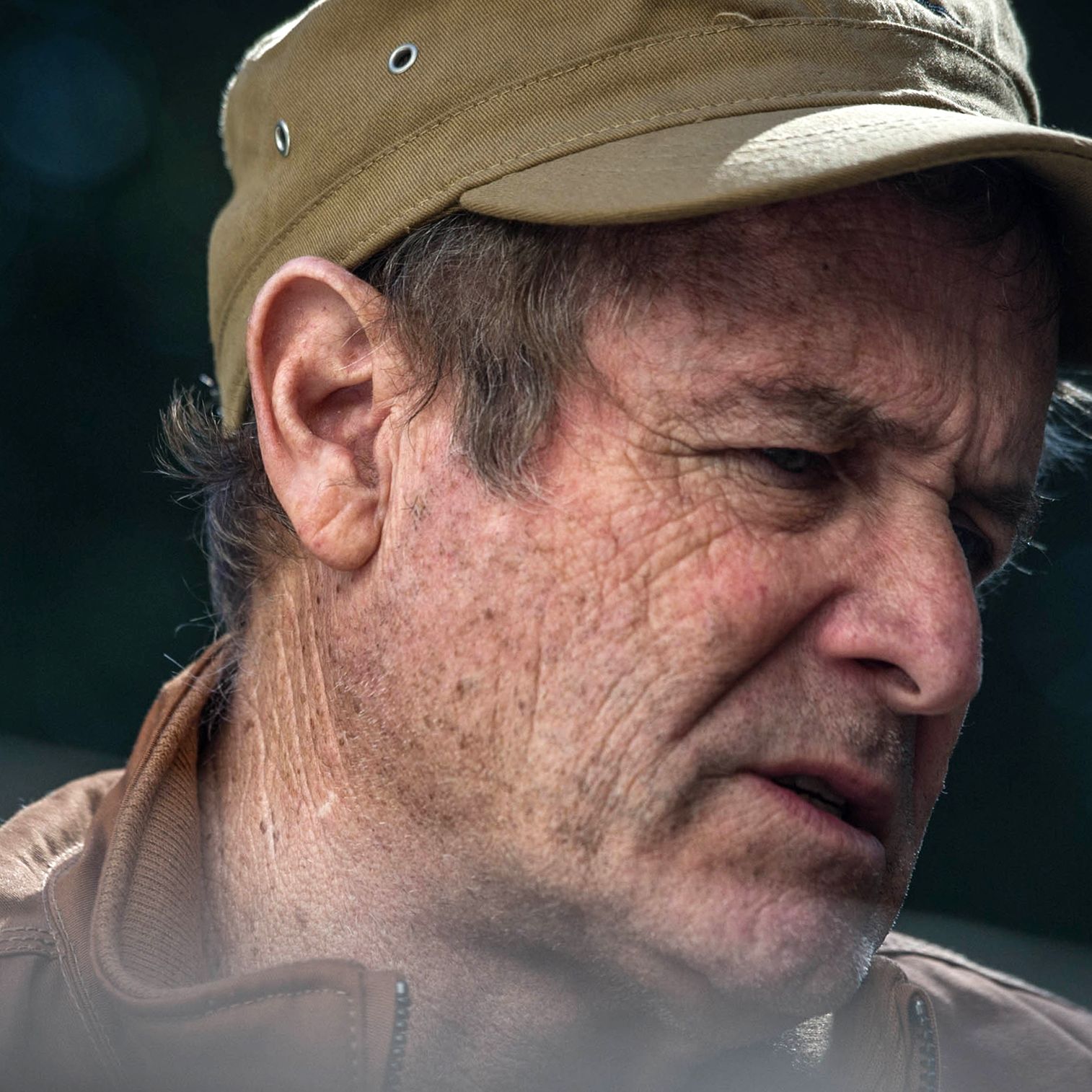
Johnny Clegg, Sipho Mchunu, Dollar Brand, Nigel Vermaas
Relationships & Dating History
Public records and biographical sources do not document specific details regarding Robbie Jansen's romantic relationships, dating history, or marital status. Unlike many contemporary celebrities, Jansen's personal life was kept relatively private, with media focus centered almost exclusively on his artistic contributions and political activism. There are no verified reports of marriages, engagements, divorces, or high-profile romances in available archives. Consequently, there is no public information regarding children or partners. As of his death in 2010, his relationship status remains unrecorded in the public domain, leaving his private life a mystery to historians and fans alike.
Death & Aftermath
Died
July 7, 2010 (aged 60)
Death Place
Cape Town, Western Cape, South Africa
Cause of Death
Complications from emphysema
Robert Edward Jansen spent his final years as a central figure in Cape Town's live jazz circuit, maintaining his status as a key exponent of the Cape Jazz genre until his passing. He died on July 7, 2010, at the age of 60 within a hospital in Cape Town, South Africa. The officially reported cause of death was emphysema, with obituary notices specifying complications arising from the long-term respiratory condition. Media outlets and family statements via record labels consistently attributed his death to these health issues.
Following his death, tributes emerged from peers and institutions recognizing his foundational role in South African music. Radio station Bush Radio hosted a tribute program titled My Kinda Jazz featuring musician Nigel Vermaas on September 9, 2010, to honor his legacy. While specific details regarding funeral arrangements, burial locations, or memorial services remain unrecorded in available sources, his reputation as one of the nation's most celebrated musicians ensured significant commemoration within the local music community. Posthumous efforts to preserve his work have been managed through his record label, Mountain Records. His recordings remain accessible on major streaming platforms where he is frequently cited as perhaps the greatest jazz showman of the Cape Jazz scene.
Net Worth (Estate Value)
$0
iFANN Editorial Team estimate
As a musician who operated primarily within the South African context during the apartheid and post-apartheid eras, specific financial figures regarding Robbie Jansen's net worth at the time of his death are not publicly documented in standard celebrity wealth databases. There are no credible reports of real estate holdings, business ventures, or endorsement deals that would allow for a precise calculation of his assets. The value of his estate is managed posthumously through his record label, Mountain Records, which continues to manage his recordings and royalties.
The estate generates revenue primarily through streaming platforms, licensing deals for his music (particularly tracks associated with Juluka), and merchandise related to his legacy. As of 2026, there is no updated estimate of his net worth, as he has been deceased for over a decade. The lack of specific figures suggests his wealth was modest compared to modern global superstars, typical of artists working in the politically charged and economically restricted environment of apartheid-era South Africa. iFANN currently estimates the estate's ongoing value at approximately $0, reflecting the limited commercial infrastructure available to artists of his era and region.
Awards & Accolades
View 2 records, honours and achievementsKnown For
Universal Men
1979 · Saxophonist, Flautist, Vocalist
Scatterlings of Africa
1983 · Performer
Sons of Table Mountain
1990 · Bandleader
Keywords
Sources
Quick Facts
- Profession
- saxophonist, singer, musician
- Born
- August 5, 1949
- Birthplace
- Harfield Village, Cape Town
- Died
- July 7, 2010
- Gender
- Male
- Birth Sign
- Capricorn
Personal Details
- Full Name
- Robert Edward Jansen
- Children
- Education
- Rosmead Primary School
Frequently Asked Questions
Who was Robbie Jansen?
When did Robbie Jansen die?
What was Robbie Jansen's cause of death?
Was Robbie Jansen married?
What is Robbie Jansen famous for?
Social Media
Join the community
fans discussing