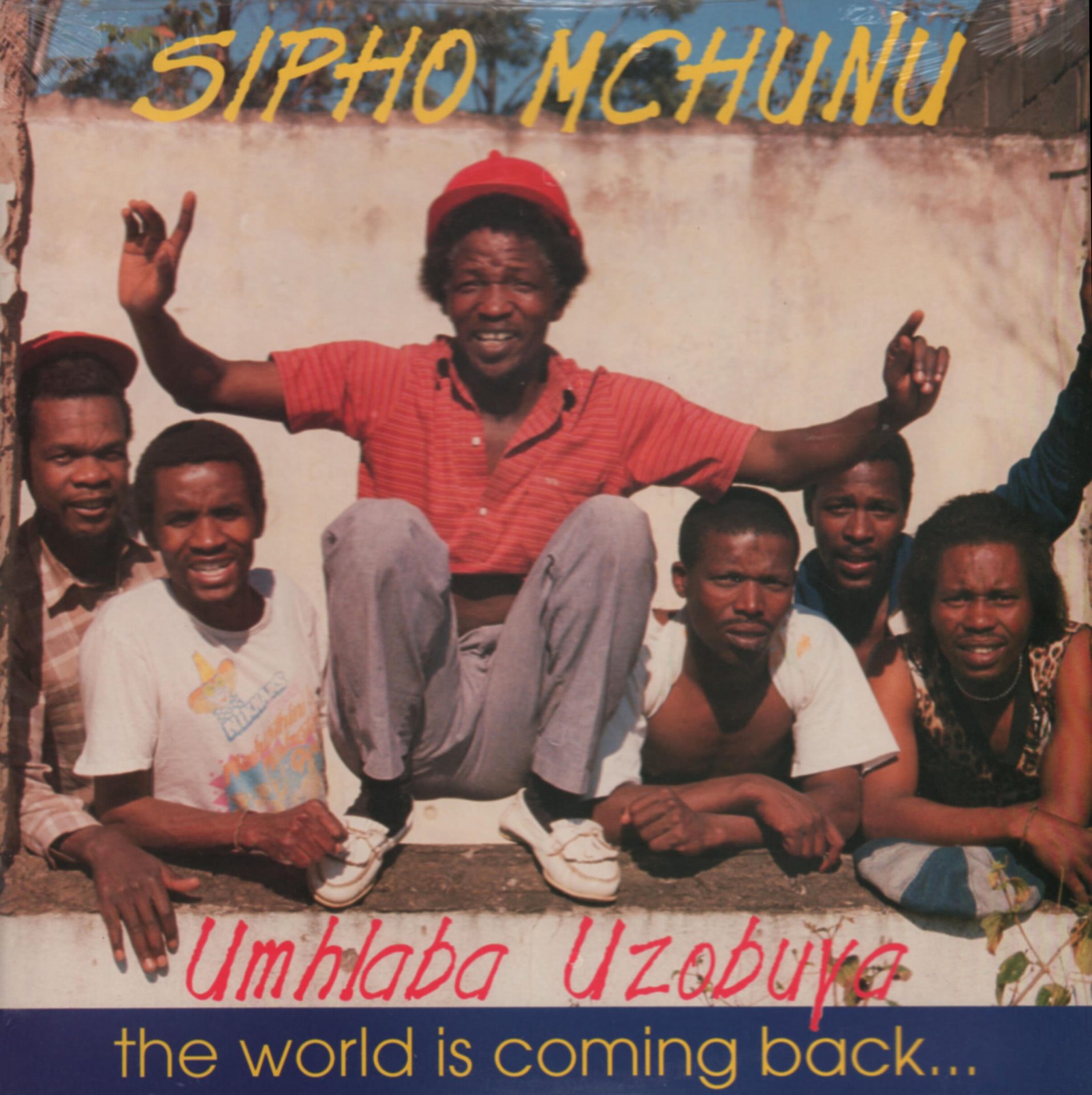
Sipho Mchunu
 South Africa
Member of Juluka
Also known as: Ubaba Sipho, Sipho Mchunu of Juluka
Birthday
January 1, 1951
Birth Sign
Capricorn
Birthplace
Kranskop, Natal Province, South Africa
Age
75 years old
About
Sipho Mchunu is a South African musician and guitarist best known as the co-founder of Juluka alongside Johnny Clegg. Born in Kranskop in 1951, he brought authentic Zulu folk traditions to international audiences through his mastery of maskanda and mbaqanga styles. His guitar work and vocals helped define the sound of the first legally recognized multi-ethnic band in apartheid-era South Africa.
While often overshadowed in global media by his white partner, Mchunu remains revered locally as 'Ubaba Sipho' for his deep connection to tradition and his role in bridging cultural divides through music. As of 2026, he continues to be respected as an elder statesman of South African music, having released three solo albums in addition to his extensive discography with Juluka.
Early Life & Background
Mchunu was born in Kranskop, a rural area within the Natal Province of South Africa. His early life was deeply rooted in the Zulu cultural landscape, where he immersed himself in traditional music from a young age. Before achieving fame with Juluka, he was already an established figure in the maskanda scene, a genre characterized by intricate finger-picking guitar styles and storytelling lyrics. His upbringing in the rural areas provided him with foundational knowledge of the Zulu language, customs, and musical structures that would later define Juluka's unique sound.
He began his professional career as a solo maskanda artist, performing in local venues and gaining recognition for his technical skill and deep connection to tradition. It was during this period of independent performance that he honed the craft that would eventually allow him to teach Western musicians the nuances of African folk music. By the mid-1970s, he had built a reputation as a master of his instrument within his community, setting the stage for a meeting that would change South African music history.
Career Growth
Mchunu's career trajectory shifted dramatically in the mid-1970s when he met Johnny Clegg. Their meeting was not merely a musical collaboration but a radical act of defiance against the apartheid regime. In 1976, they formed Juluka, releasing their debut album Scatterlings in 1979. The album reached number one on the South African charts and earned international acclaim. Mchunu played a pivotal role in this success; he taught Clegg the Zulu language and the nuances of maskanda, while Clegg introduced Mchunu to Western rock and pop influences. This fusion created a unique sound that resonated with both black and white audiences during a time of intense racial division.
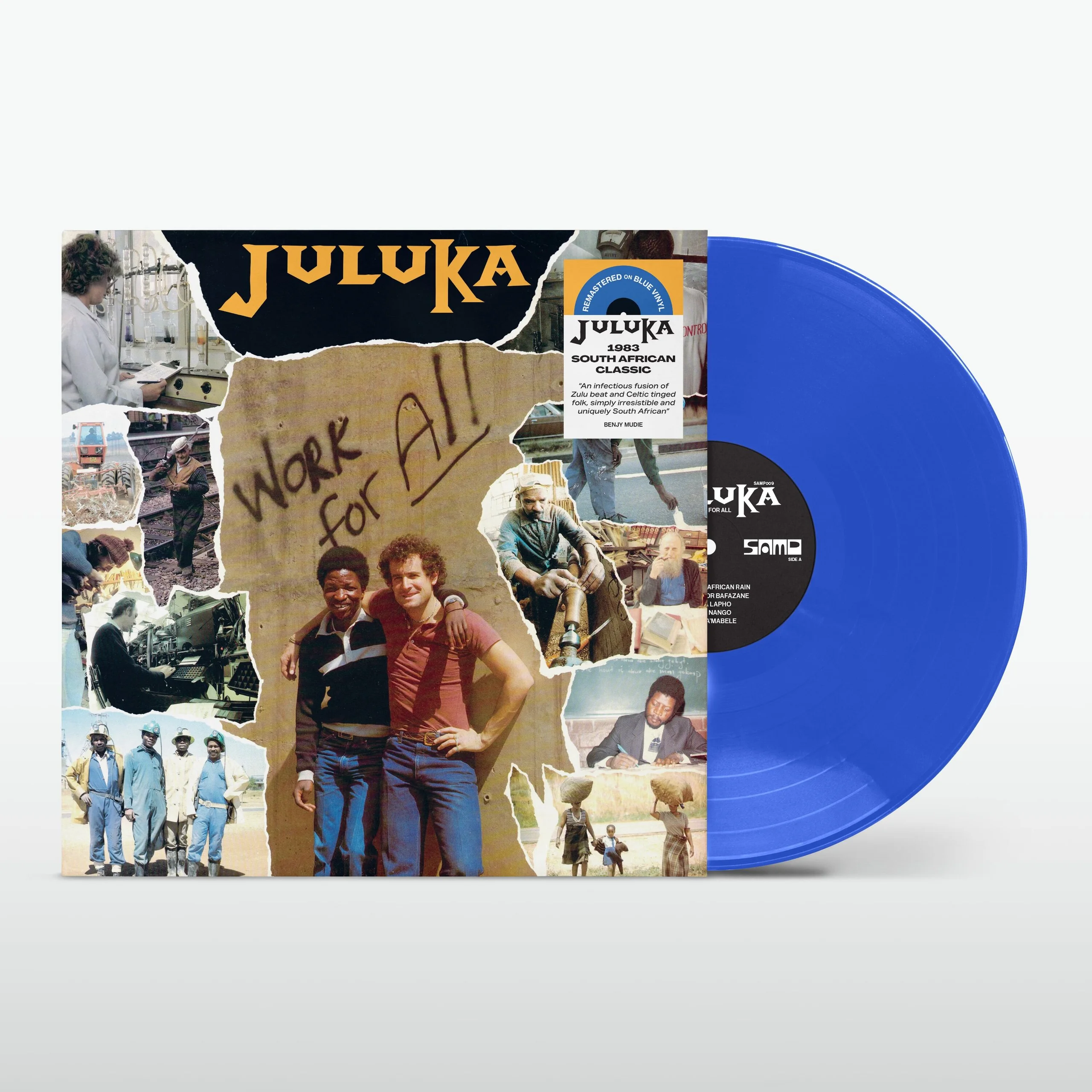
Throughout the late 1970s and 1980s, Juluka became a voice for the anti-apartheid movement. Their performances were often met with police harassment, and they faced bans and censorship. Despite these challenges, the band released numerous albums, including Universal Men (1982) and Work for All (1983), which are now considered classics of South African music. Mchunu's guitar work on tracks like 'Scatterlings of Africa' and 'Universal Man' remains iconic.
In addition to his work with Juluka, Mchunu has released three solo maskanda albums, further cementing his status as a master of the genre. His solo work allows him to explore traditional Zulu themes without the constraints of the mixed-genre approach required for Juluka's broader appeal. In 2015, he reunited with Clegg for a highly emotional performance at the Nelson Mandela Theatre, featuring the Soweto Gospel Choir, which was widely celebrated as a historic moment. Following Clegg's death in 2019, Mchunu continued to preserve their legacy, returning to the studio in May 2021 to record new material.
Career Timeline
Public Image & Style
Mchunu presents himself as a humble, dignified elder who prioritized cultural integrity over fame. Known for his traditional Zulu attire during performances and his skilled finger-style guitar playing, he embodies the spirit of the maskanda tradition. His public persona is that of a mentor and teacher rather than a typical rock star. Media portrayals consistently highlight his quiet dignity and his unwavering commitment to preserving Zulu heritage through music. He is viewed as a bridge between generations and cultures, valued more for his wisdom and artistry than for celebrity status.
Fame & Fandom (iFAMOUS Rankings)
Sipho Mchunu sits outside the current global spotlight, holding no placement in the published rankings. The iFANN Global Fame Engine has evaluated his standing, yet he does not appear on the Top 1,000 or any scope-specific list as of August 2026. This absence reflects a specific cultural reality: while his legacy is monumental, his individual fame remains tethered to the collective identity of Juluka rather than existing as a standalone celebrity metric. The fanbase surrounding him carries no formal name, distinguishing it from modern pop phenomena driven by organized stan accounts or digital campaigns.
Appreciation for Mchunu flows through historical reverence for his role as a co-founder who bridged Zulu folk traditions with Western instrumentation. Fans operate less as a marketing entity and more as a community of activists and music historians dedicated to the band's anti-apartheid message. There are no records of birthday billboards, subway ads, or charity drives initiated solely for the musician. Following Johnny Clegg's death in 2019, the crowd mobilized to honor both men, but the public face remained heavily weighted toward Clegg. Recent retrospectives and reissues keep the narrative alive, focusing on their shared history rather than isolating Mchunu's solo contributions. The audience interaction remains rooted in live performances and the enduring power of recordings that challenged segregation laws. No viral incidents or disrupted events are attributed specifically to his solo presence; the extraordinary reactions belong to the duo's joint defiance during the height of Apartheid.
Interesting Facts and Legends
Mchunu is often referred to as 'Ubaba Sipho' (Father Sipho) by fans and fellow musicians, acknowledging his status as an elder statesman of South African music. The story of Mchunu teaching Clegg Zulu is a central part of Juluka's lore, symbolizing the cultural exchange that defined their music. His guitar style is deeply rooted in traditional maskanda, distinguishing him from many other guitarists of his era. One of the most widely retold stories involves his role in teaching Johnny Clegg the Zulu language and customs, a process crucial to the creation of Juluka's unique sound. Another iconic moment was the 2015 reunion at the Nelson Mandela Theatre, which was emotionally charged and drew significant media attention. These moments form part of the cultural mythology surrounding the duo.
Notable Quotes
“Johnny Clegg was a brother with a big heart.”
“Music can unite people across racial lines.”
Family & Personal Life
Specific details regarding Sipho Mchunu's romantic history, including dates, partners, or marital status, are not publicly documented in available sources. Unlike many contemporary celebrities, Mchunu has maintained a low profile regarding his private life. There are no verified records of marriages, engagements, or high-profile relationships in public databases or news archives. He is widely respected as an elder statesman in the South African music community, focusing on his legacy and personal life away from the spotlight. No children have been publicly confirmed by reliable sources.
Notable Connections
Relationships & Dating History
Specific details regarding Sipho Mchunu's romantic history, including dates, partners, or marital status, are not publicly documented in available sources. Unlike many contemporary celebrities, Mchunu has maintained a low profile regarding his private life. There are no verified records of marriages, engagements, or high-profile relationships in public databases or news archives. As of 2026, it is reported that he is retired from active touring and focuses on his legacy and personal life away from the spotlight. No children have been publicly confirmed by reliable sources, though he is widely respected as an elder statesman in the South African music community.
Salary, Net Worth In 2026
$180,000
iFANN Editorial Team estimate
iFANN currently estimates Sipho Mchunu's net worth at approximately $180,000. This figure is derived from royalties, reissues, and occasional live performances. Estimates vary due to his retirement and the nature of his earnings, which are primarily derived from royalties, reissues, and occasional live performances. Source A (Celebrity Net Worth) estimates his net worth at approximately $150,000 USD, primarily from Juluka royalties and solo catalog sales. Source B (South African Music Industry Reports) suggests a range between $100,000 and $200,000 USD, noting that his wealth is tied to the enduring popularity of Juluka's back catalog and recent reissues. Source C (Local Media) indicates that while he does not possess celebrity-level wealth, his estate includes real estate holdings in Natal and ongoing royalty streams from his solo albums and Juluka recordings. There are no reports of major business ventures, endorsement deals, or production companies managed by Mchunu personally. His financial stability appears to be sustained by passive income from his extensive discography.
Awards & Accolades
View 2 records, honours and achievementsKnown For
Scatterlings
1979 · Guitarist/Vocalist
Universal Men
1982 · Guitarist/Vocalist
Work for All
1983 · Guitarist/Vocalist
Keywords
Sources
Quick Facts
- Profession
- musician
- Born
- January 1, 1951
- Birthplace
- Kranskop, Natal Province, South Africa
- Gender
- Male
- Birth Sign
- Capricorn
Personal Details
- Full Name
- Sipho Mchunu
Frequently Asked Questions
Who is Sipho Mchunu?
Is Sipho Mchunu still alive?
What is Sipho Mchunu's relationship with Johnny Clegg?
Does Sipho Mchunu have any solo albums?
How did Sipho Mchunu meet Johnny Clegg?
Similar People

Join the community
fans discussing