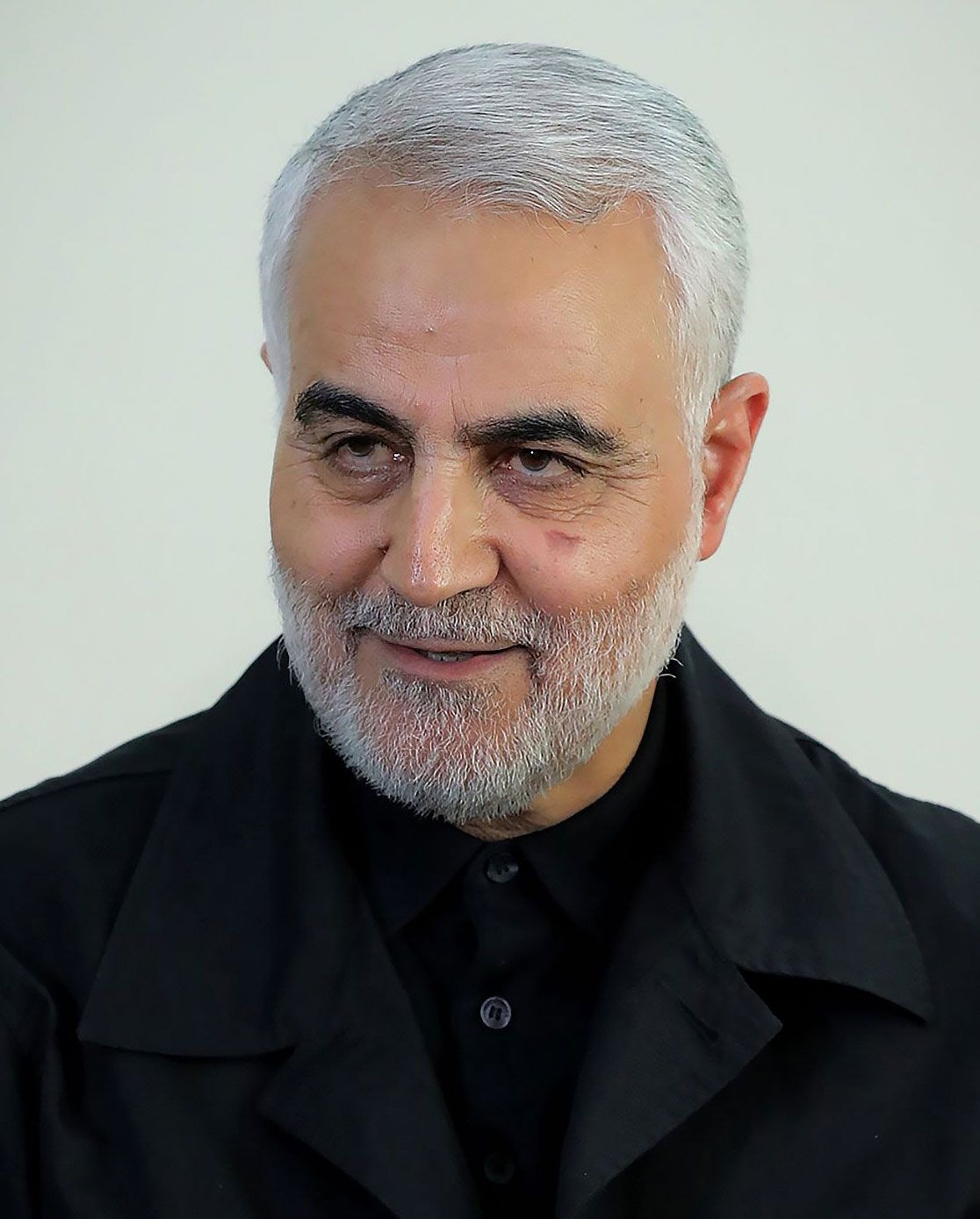
Qasem Soleimani
 Iran
IranAlso known as: Qassem Soleimani, Qassim Suleimani, Haji Qassem, The Shadow Commander
Birthday
March 11, 1957
Birth Sign
Pisces
Birthplace
Qanat-e Malek, Kerman Province, Iran
Age
Died at 62
Height
5 ft 8 in (173 cm)
About
Qasem Soleimani was an Iranian military commander who led the Quds Force, the elite foreign operations wing of the Islamic Revolutionary Guard Corps, for more than two decades. He was the second-most powerful person in Iran behind only Supreme Leader Ali Khamenei, and the architect of Iran's network of proxy forces across the Middle East. Soleimani played a central role in conflicts in Iraq, Syria, Lebanon, Yemen, and Afghanistan, building alliances with militias and governments that extended Iranian influence throughout the region. To his supporters, he was a national hero and a defender against extremists like ISIS. To the United States and many Western governments, he was a designated terrorist responsible for the deaths of American soldiers and destabilizing the region. He was killed in a U.S. drone strike near Baghdad International Airport on January 3, 2020, an event that brought Iran and the United States to the brink of open conflict. Soleimani's legacy remains deeply polarizing, revered in Iran and among allied movements, and condemned by his adversaries. He is remembered as one of the most consequential military strategists of the modern Middle East.
Early Life & Background
Born into an impoverished peasant family in the remote village of Qanat-e Malek in Kerman Province, Soleimani grew up in a household that struggled to make ends meet. His father, a farmer, had taken out a loan of about $100 to support the family, and when he could not repay it, 13-year-old Qasem left school after only five years of primary education and traveled to Kerman City to work as a construction laborer. For eight months he worked on a school building site, sending every penny home to clear the debt. That experience left him with a deep resentment of the Shah's government, which he believed had abandoned Iran's rural poor. In his late teens, he took a job as a contractor for the Kerman Water Organization, a stable position that kept him in the region. During those years, he began attending sermons by a preacher close to the future Supreme Leader Ali Khamenei, which introduced him to revolutionary Islamist ideas. He also spent his free time lifting weights and listening to recordings of Ayatollah Khomeini's speeches. When the Iranian Revolution erupted in 1979, Soleimani was 22 years old and ready to join the cause. He enlisted in the newly formed Islamic Revolutionary Guard Corps, receiving only about six weeks of tactical training before his first combat deployment to Iran's West Azerbaijan province, where Kurdish separatists were active.
Career Growth
Soleimani's rise began during the Iran-Iraq War, where he fought with distinction and earned a reputation for bravery and tactical skill. He was photographed at the right hand of then-president Ali Khamenei, forging a bond that would define his career. In January 1998, Khamenei appointed him commander of the Quds Force, the IRGC's elite unit for foreign operations. Over the next two decades, Soleimani transformed the Quds Force into Iran's most powerful foreign policy tool. After the September 11 attacks, he indirectly cooperated with U.S. intelligence to help overthrow the Taliban in Afghanistan. In Iraq, he initially supported the U.S. invasion but later directed Shia militias against American forces as the occupation dragged on. During Syria's civil war, he organized Iranian support for Bashar al-Assad, arming and deploying thousands of Shia fighters. When ISIS swept across Iraq and Syria in 2014, Soleimani became the chief strategist of the counteroffensive, personally directing operations and appearing in battlefield photos that turned him into a celebrity in Iran. His popularity peaked in 2019 when Khamenei awarded him the Order of Zolfaghar, the highest Iranian military honor, making him the first recipient since the 1979 revolution. At the time of his death, he was widely considered the most powerful military figure in the Middle East outside of state armies.
Career Timeline
Public Image & Style
Soleimani cultivated an image of humility and selflessness, frequently appearing in simple military fatigues or traditional dress rather than ornate uniforms. He was often photographed in battlefield settings, meeting with troops, and in prayer, which reinforced his reputation as a soldier-saint among supporters. In Iran and allied movements, he was portrayed as a revered hero and a defender against foreign and extremist threats, with his image appearing on posters, murals, and merchandise. To the United States, Israel, and many Western governments, he was a dangerous adversary blamed for orchestrating attacks that killed Americans and fueling regional instability. The media coverage of his death reflected this polarization, with Iranian state media declaring him a martyr and Western outlets emphasizing his role in proxy warfare. His social media presence was limited, but fan accounts on Instagram reached over 190,000 followers before his death. Posthumously, his legacy is maintained through official state accounts and supporter pages that share his speeches and battlefield images.
Fame & Fandom
Qasem Soleimani never sought the adoration reserved for pop stars or athletes, yet his death transformed him into a figure of mythic proportions. His supporters do not form a fandom with a specific moniker or organized fan clubs; instead, they are defined by political allegiance and religious reverence. The rituals surrounding him are not birthday billboards or streaming campaigns but massive state funerals and annual commemorations where millions gather to mourn a martyr. The story of his assassination in January 2020 remains the central pillar of his legend, an event that turned a military commander into a symbol of resistance across the Middle East. Decades later, the narrative has expanded to include the legal battles of his relatives in the United States and ongoing geopolitical tensions that still reference his name as a catalyst for conflict. He is a polarizing icon whose legacy is fought over in courtrooms and battlefields rather than on social media trends. Despite the absence of a formal fanbase structure, his influence remains undiminished years after his passing. According to the iFANN Global Fame Rankings, he holds the position of the 5th most famous person in Iran, a status holding steady from the previous cycle. Data further places him as the 6th most famous person from Iran while ranking him the 47th most famous person in Middle East. These figures reflect a global attention span that tracks media coverage, search activity, and cultural consumption signals worldwide.
Interesting Facts and Legends
Soleimani's nickname "The Shadow Commander" was coined by Western media for his clandestine operations, while supporters called him "Haji Qassem" and opponents derisively referred to him as "Qasem Cutlet." He was a dedicated gym enthusiast who maintained a rigorous fitness routine throughout his life, often lifting weights even during battlefield deployments. Known for his soft-spoken demeanor and coolness under pressure, he stood in stark contrast to the fiery rhetoric of many Iranian officials. He survived multiple assassination attempts by Western, Israeli, and Arab intelligence agencies over a 20-year period. A deep interest in the mystical traditions of Shia Islam and the stories of martyrs fueled his motivation before combat. His authority was described as comparable to a Roman pro-consul, wielding power over military, diplomatic, and economic matters across the region. The single most defining moment in his modern mythology occurred on January 3, 2020, when a U.S. drone strike killed him in Baghdad, instantly transforming him into a martyr figure for supporters. Following his death, a massive funeral procession drew millions of mourners in Iran, cementing his status as a national icon. Tragedy struck again at his burial site in Kerman, where twin blasts killed over 100 people gathering to honor him. Recent lore from 2026 includes reports of relatives facing arrest in the U.S. and plots allegedly motivated by revenge for his killing, ensuring his memory remains a focal point of international tension.
Notable Quotes
“I know that I, Qassem Soleimani, control the policy for Iran with respect to Iraq, Lebanon, Gaza, and Afghanistan.”
“We are not looking for war, but we are not afraid of war.”
“The Islamic Republic will never abandon its allies.”
“If you want to defeat ISIS, you have to fight them on the ground, not from the air.”
“The blood of the martyrs is the fuel that keeps the revolution alive.”
Family & Personal Life
Soleimani was married to a woman whose name is not widely confirmed in open sources. She survived him and has largely stayed out of public view. He had several children, including a son named Mohammadreza Soleimani, who has become a public figure maintaining his father's political legacy, and a daughter named Narjes Soleimani, who is married to a journalist. The family lived a relatively modest life by Iranian standards, with Soleimani often emphasizing humility and service over material wealth. His burial site at Kerman Martyrs Cemetery has become a pilgrimage destination for supporters, and his family continues to be involved in annual commemoration ceremonies.
Notable Connections
Soleimani's closest ally was Supreme Leader Ali Khamenei, who trusted him with the Quds Force command and relied on him as a personal envoy. He worked extensively with Hezbollah leader Hassan Nasrallah and Syrian President Bashar al-Assad, coordinating Iranian support for their regimes. Iraqi militia commander Abu Mahdi al-Muhandis was killed alongside him in the 2020 drone strike. U.S. President Donald Trump ordered the strike that ended his life.
Relationships & Dating History
Soleimani was married for decades to a woman whose name is not widely confirmed in open sources. She survived him and has largely remained out of public view. The couple had several children, including a son Mohammadreza and a daughter Narjes. No other public romantic relationships are documented in credible sources; his personal life was intensely private. As of 2026, Soleimani is deceased, and his wife is widowed.
- Married? - 2020Soleimani was married for decades; his wife survived him and has stayed out of public view.
Death & Aftermath
Died
January 3, 2020 (aged 62)
Death Place
Baghdad, Iraq
Cause of Death
Fatalities from US drone airstrike
At roughly 1:30 AM local time on January 3, 2020, a convoy traveling the road to the tarmac of Baghdad International Airport was struck by precision-guided munitions fired from MQ-9 Reaper drones. The American military confirmed the strike targeted Qasem Soleimani and Abu Mahdi al-Muhandis, the deputy commander of Iraq's Popular Mobilization Forces, ending their lives instantly without an intervening hospital visit or public statement before the event. The United States characterized the action as a preemptive defensive measure against an imminent threat, while Iran immediately declared Soleimani a martyr in response to what it termed state-sponsored terrorism. The aftermath unfolded with immediate intensity across the region. Massive street demonstrations erupted throughout Iran and Iraq, where crowds chanted anti-American slogans and mourned the loss of a figure who had become central to national identity narratives.
Thousands gathered in Tehran for vigils that eventually coalesced into a funeral procession on January 6, 2020, described as one of the largest funerals in modern history with estimates reaching two million attendees marching through the capital's streets. The body was flown to his hometown of Kerman for a second service before burial at the shrine of his brother, Hajj Mohammad Reza Soleimani. In the years following the strike, memorials appeared rapidly, including murals, statues, and a permanent monument erected at the site of the attack in Baghdad. Numerous streets, schools, and military units were renamed in his honor, cementing his legacy within the Islamic Republic's institutional framework.
Net Worth (Estate Value)
$30 Million
iFANN Editorial Team estimate
Per iFANN's editorial analysis, Soleimani's estate is estimated to be worth $30 Million as of 2026, though no official figure has been confirmed. During his lifetime, he cultivated an image of personal modesty, living in a simple home and avoiding displays of wealth. Most of his income came from his military salary and benefits as a senior IRGC commander. The estate's value is primarily tied to properties in Iran, including family homes in Kerman and Tehran. Posthumous revenue streams include royalties from his memoir and biographical works, licensing of his image for propaganda materials and merchandise in Iran and allied countries, and commemorative items such as stamps and coins issued by the Iranian government. The Iranian government also provides financial support to his family as part of benefits for fallen commanders. The estate is managed by his son Mohammadreza Soleimani, who has become a public figure maintaining his father's political legacy. Annual commemoration ceremonies generate some income through donations and events. The estate's value has remained relatively stable since his death, with no major asset sales or acquisitions reported.
Awards Won (1)
Soleimani received the Order of Zolfaghar, Iran's highest military honor, in March 2019. He was the first military commander to receive this award since the 1979 Islamic Revolution. He was also posthumously promoted to the rank of Lieutenant General.
2019 · Military Honor
Service as Quds Force commander
Known For
Commander of Quds Force
1998 · Commander
Architect of Iran's proxy network
2003 · Strategist
Iran-Iraq War veteran
1980 · Field commander
Keywords
Sources
Quick Facts
- Profession
- military commander
- Born
- March 11, 1957
- Birthplace
- Qanat-e Malek, Iran
- Died
- January 3, 2020
- Death Place
- Baghdad, Iraq
- Gender
- Male
- Birth Sign
- Pisces
Personal Details
- Full Name
- Qasem Soleimani
- Height
- 5 ft 8 in (173 cm)
- Children
- Mohammadreza Soleimani, Narjes Soleimani
- Education
- Primary school (5 years)
Frequently Asked Questions
How old was Qasem Soleimani when he died?
What was Qasem Soleimani's net worth at the time of his death?
Why was Qasem Soleimani killed?
Did Qasem Soleimani have a wife and children?
What was Qasem Soleimani's role in Iran's government?
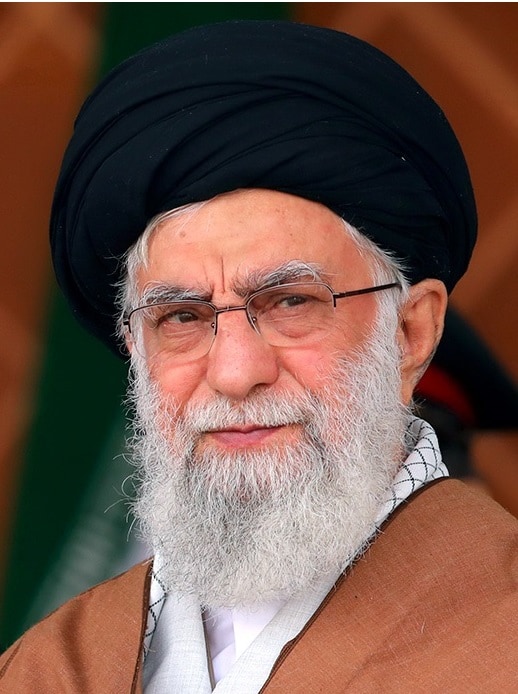
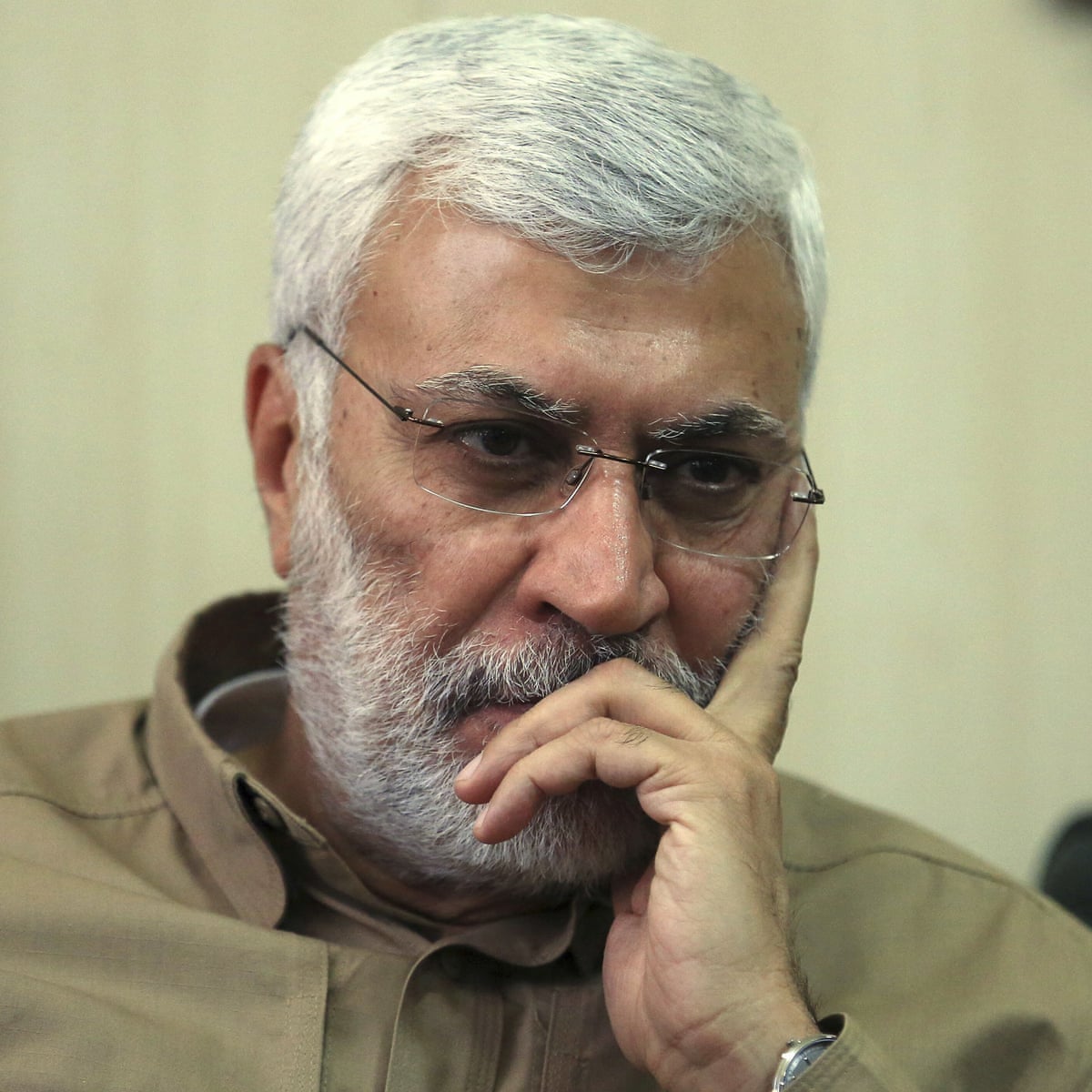
Join the community
fans discussing