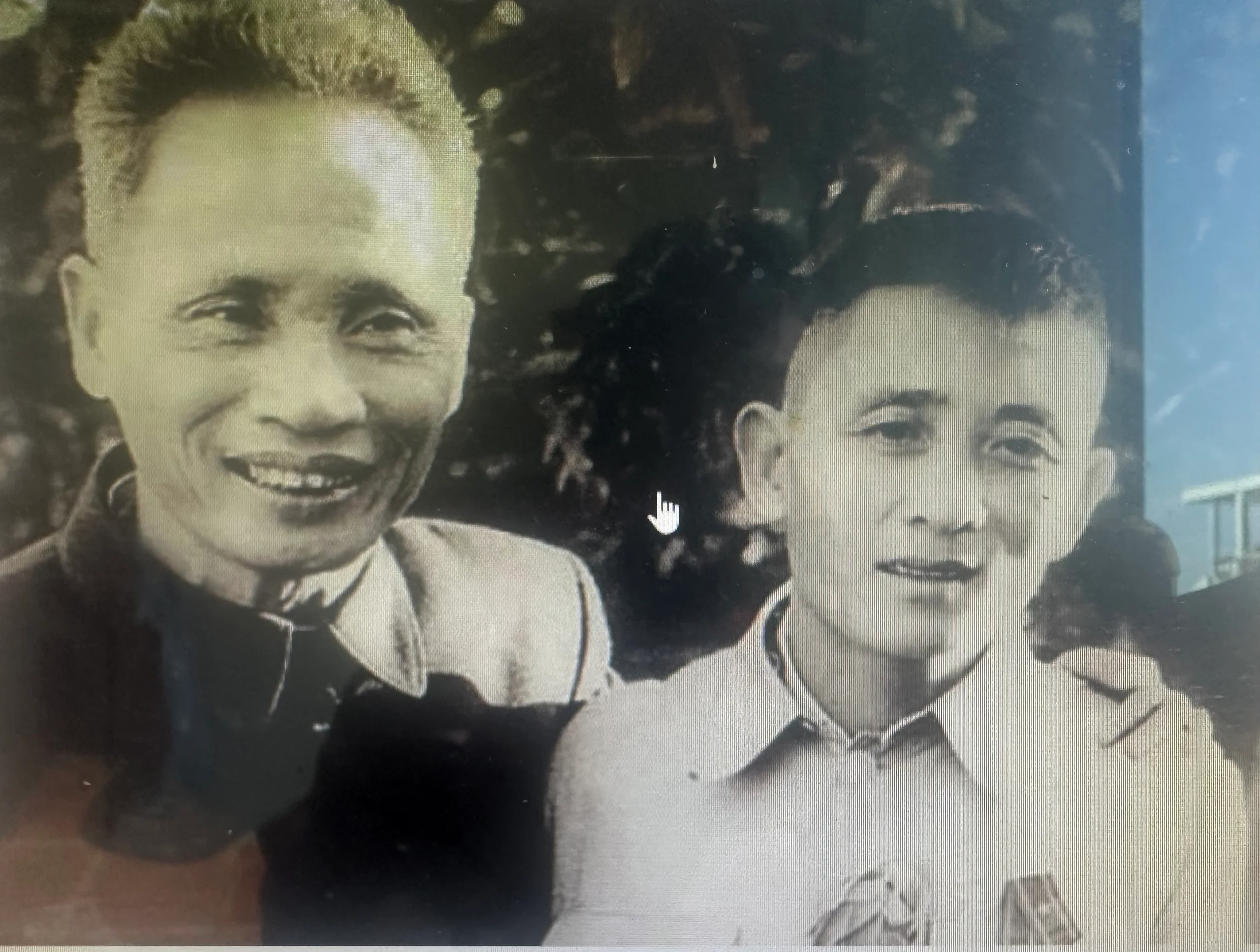
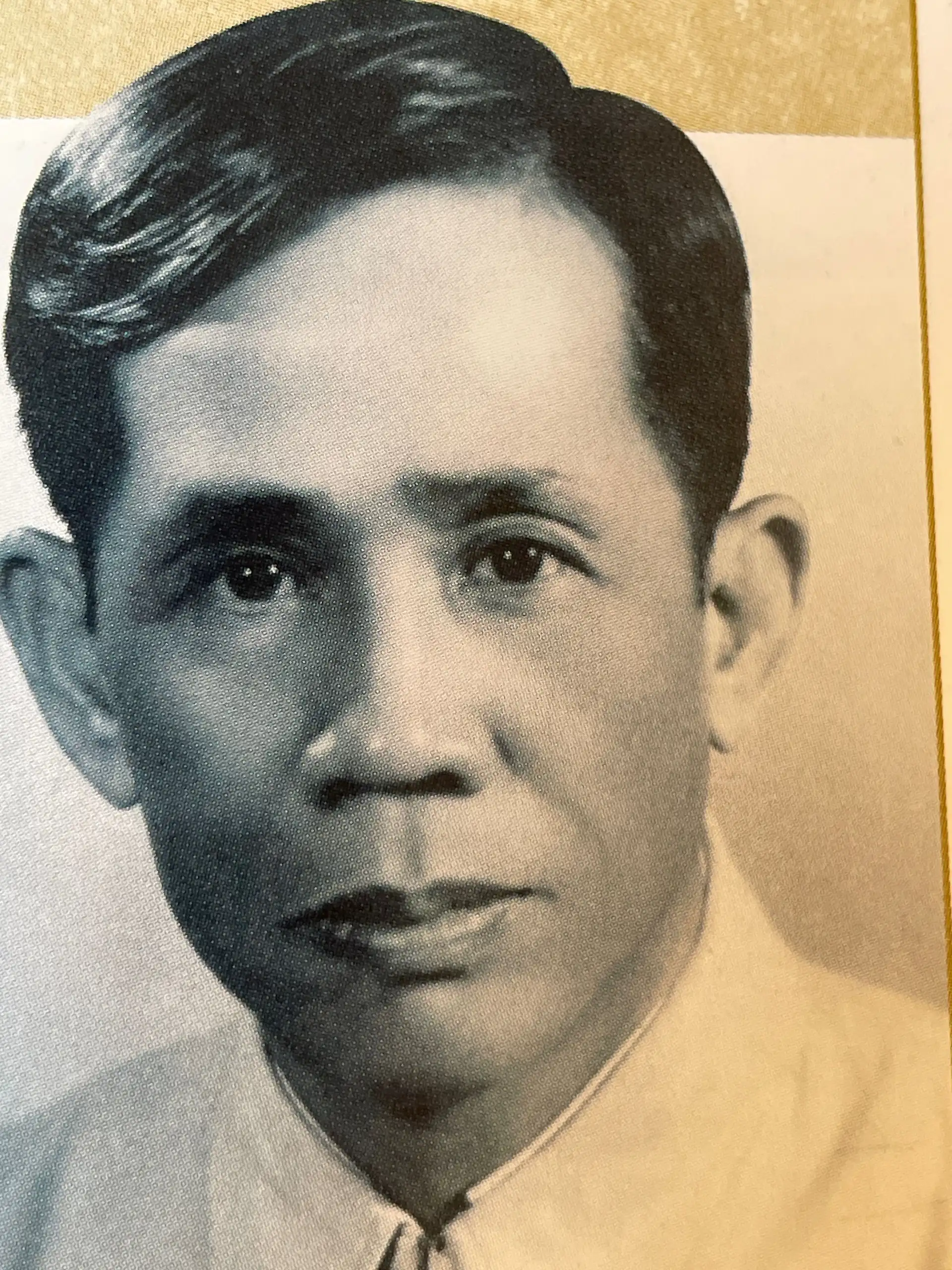
Phạm Văn Đồng
 Vietnam
Also known as: Pham Van Dong, To, Lam Ba Kiet
Birthday
March 1, 1906
Birth Sign
Pisces
Birthplace
Quảng Ngãi, Vietnam
Age
Died at 94
About
Phạm Văn Đồng (1906–2000) was a towering figure in Vietnamese history who served as the Prime Minister of North Vietnam from 1955 until the country's reunification in 1976. He subsequently led the unified Socialist Republic of Vietnam until his retirement in 1987. As one of Ho Chi Minh's most trusted lieutenants, his thirty-two-year tenure defined the nation's political landscape through decades of war, revolution, and reconstruction. He is recognized as the longest-serving Prime Minister in Vietnamese history.
Đồng remained a foundational elder statesman even after stepping down from active politics. His legacy endures through official recognition and historical study, cementing his status as a key architect of modern Vietnam. In 2026, the Vietnamese government commemorated his 120th birth anniversary with formal ceremonies attended by high-ranking officials, underscoring his enduring influence on the nation's identity and governance.
Early Life & Background
Born on March 1, 1906, in the village of Quang Ngai within Ba To district of what is now Quang Nam province, Đồng grew up in a region deeply affected by French colonial rule. He was born into a family of scholars and civil servants, which provided him with an early exposure to education and public service values. His birth name was simply Phạm Văn Đồng, though he would later adopt several revolutionary aliases during his underground activities, including "To" and "Lam Ba Kiet." His formative years were spent in a climate of rising nationalist sentiment fueled by foreign occupation.
Đồng attended the prestigious Quốc Học Huế High School, an institution known for nurturing Vietnamese intellectuals and revolutionaries. There, he was influenced by patriotic teachers who encouraged his interest in literature and politics. In 1925, at the age of nineteen, he traveled to Hanoi to study at the Collège de Thanh Hoa, but his true education began in the revolutionary movement itself. He joined the Indochinese Communist Party in 1929, marking the start of his lifelong commitment to the communist cause. Before achieving prominence, he spent years in exile and underground work, including a significant period in China where he worked with Ho Chi Minh in Guilin under the alias "Lam Ba Kiet." This time allowed him to learn diplomatic and organizational skills that would later serve him as a statesman.
Career Growth
Phạm Văn Đồng's career chronicles Vietnam's struggle for independence and its subsequent governance. From 1929 to 1945, he participated in various underground activities against French colonial authorities, enduring multiple arrests before being released due to lack of evidence. During World War II, he worked closely with Ho Chi Minh in China to organize the Viet Minh front. Following the August Revolution and the declaration of independence in 1945, he served as Vice Premier and Minister of the Interior, playing a crucial role in organizing the government and managing the early resistance against the French return.
At the Geneva Conference in 1954, which ended the First Indochina War, Đồng was a key negotiator instrumental in securing the temporary division of Vietnam at the 17th parallel. In September 1955, he officially became the Prime Minister of the Democratic Republic of Vietnam. Over the next two decades, he oversaw land reforms, industrialization, and the management of the war effort against the United States and South Vietnam. After the fall of Saigon in 1975 and the official reunification of Vietnam in 1976, he continued as the Prime Minister of the newly unified Socialist Republic of Vietnam. He focused on post-war reconstruction and economic recovery until his retirement in 1987 at the age of eighty-one, citing health reasons and the need for new leadership.
Career Timeline
Public Image & Style
Phạm Văn Đồng is portrayed as a model of integrity, humility, and unwavering dedication. Media representations emphasize his role as a "people's servant" rather than a charismatic leader. His content, mostly historical documents and state narratives, maintains a tone of reverence and respect. He was known for his simple, modest attire, often wearing the standard uniform of the Vietnamese revolutionaries. He was described as having a calm demeanor and a dignified presence. His image is primarily found in state publications like Nhan Dan and Vietnam News, as well as educational textbooks featured prominently in history books across Vietnam.
Fame & Fandom (iFAMOUS Rankings)
The devotion surrounding Phạm Văn Đồng differs sharply from the electric, consumer-driven energy of pop culture fandoms. There are no fan clubs with official names, no chart-topping campaigns, and no subway ads erected by followers; instead, his audience is defined by a quiet, state-sanctioned reverence that treats him as a foundational pillar of the nation rather than a celebrity to be idolized. This unique form of admiration manifests through formal government ceremonies and educational narratives rather than viral moments or social media trends. His legacy endures not through fleeting internet fame but through decades of continuous historical study and official commemoration, such as the 2026 ceremony marking his 120th birthday which drew high-ranking officials to honor his service. While he lacks a specific fandom name, the collective memory of the Vietnamese people serves as his enduring support base, keeping his story alive through disciplined storytelling about his integrity and diplomatic mastery.
The iFANN Global Fame Rankings track this sustained global attention across media coverage, search, and consumption signals worldwide, confirming his status as a figure of immense historical weight. In the September 2026 cycle, Phạm Văn Đồng was recorded as the 43rd most famous person in Vietnam, holding steady from the previous period. He also secured the position of the 26th most famous person from Vietnam, maintaining his standing. On a broader regional scale, he ranked as the 78th most famous person in Southeast Asia, a slight shift down from 77th last cycle. These placements reflect a career that transcended generations, cementing his place in history long after his retirement.
Interesting Facts and Legends
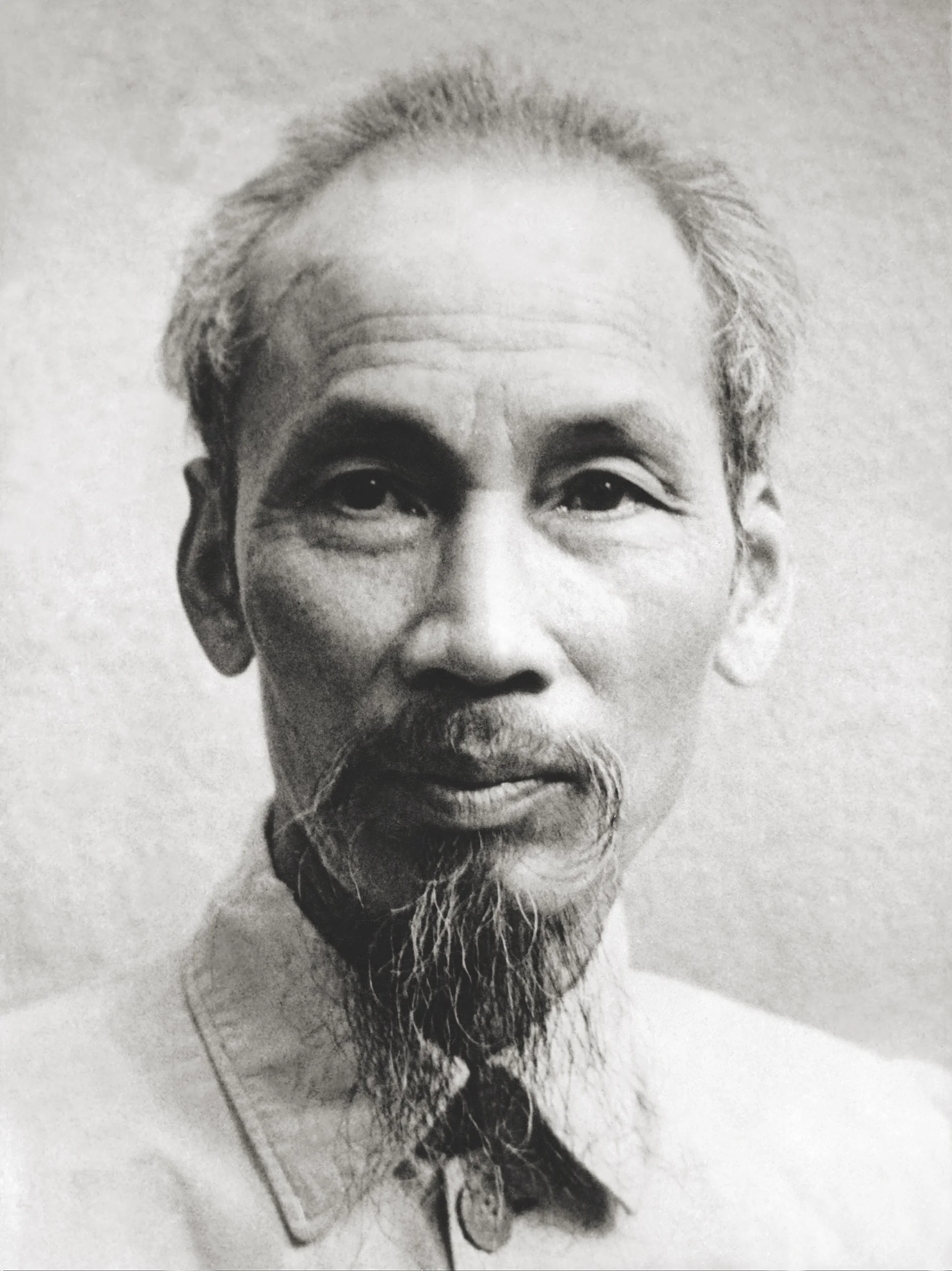
Phạm Văn Đồng holds the distinction of being the longest-serving Prime Minister in Vietnamese history, leading the government for over three decades from 1955 until his retirement in 1987. This unprecedented tenure became a central part of his political mythology, symbolizing stability and unwavering dedication during a turbulent era. A defining legend of his life is his close association with Ho Chi Minh, who regarded him as one of his most outstanding students and trusted confidants. Stories often highlight his humility and loyalty, portraying a leader who remained grounded despite holding the highest office.
His reputation extends beyond domestic borders due to his legendary diplomatic skills, particularly during his time as Foreign Minister where he navigated complex international negotiations with grace. Historical accounts frequently describe him as a cultural giant whose influence reached far beyond Vietnam's frontiers. Decades after his passing, his legacy remains vibrant through official recognition; in 2026, the Vietnamese government held a formal ceremony for his 120th birth anniversary, attended by Prime Minister Pham Minh Chinh, underscoring his status as a foundational figure of the nation. Unlike modern stars whose legends might involve viral outbursts, Phạm Văn Đồng's folklore is built on disciplined service and moral integrity, verified through official archives and widely retold in educational materials.
Notable Quotes
“We must be ready to sacrifice everything for the independence and unity of the Fatherland.”
“The people are the masters of the country.”
Family & Personal Life
Phạm Văn Đồng was known for his extreme modesty and dedication to public service, often prioritizing his political duties over personal life. Historical accounts describe him as a man who lived a celibate or highly private life dedicated entirely to the revolution. While sources indicate he was married, details about his spouse are scarce and often omitted from public biographies to protect family privacy. His wife's name is not widely documented in open sources.
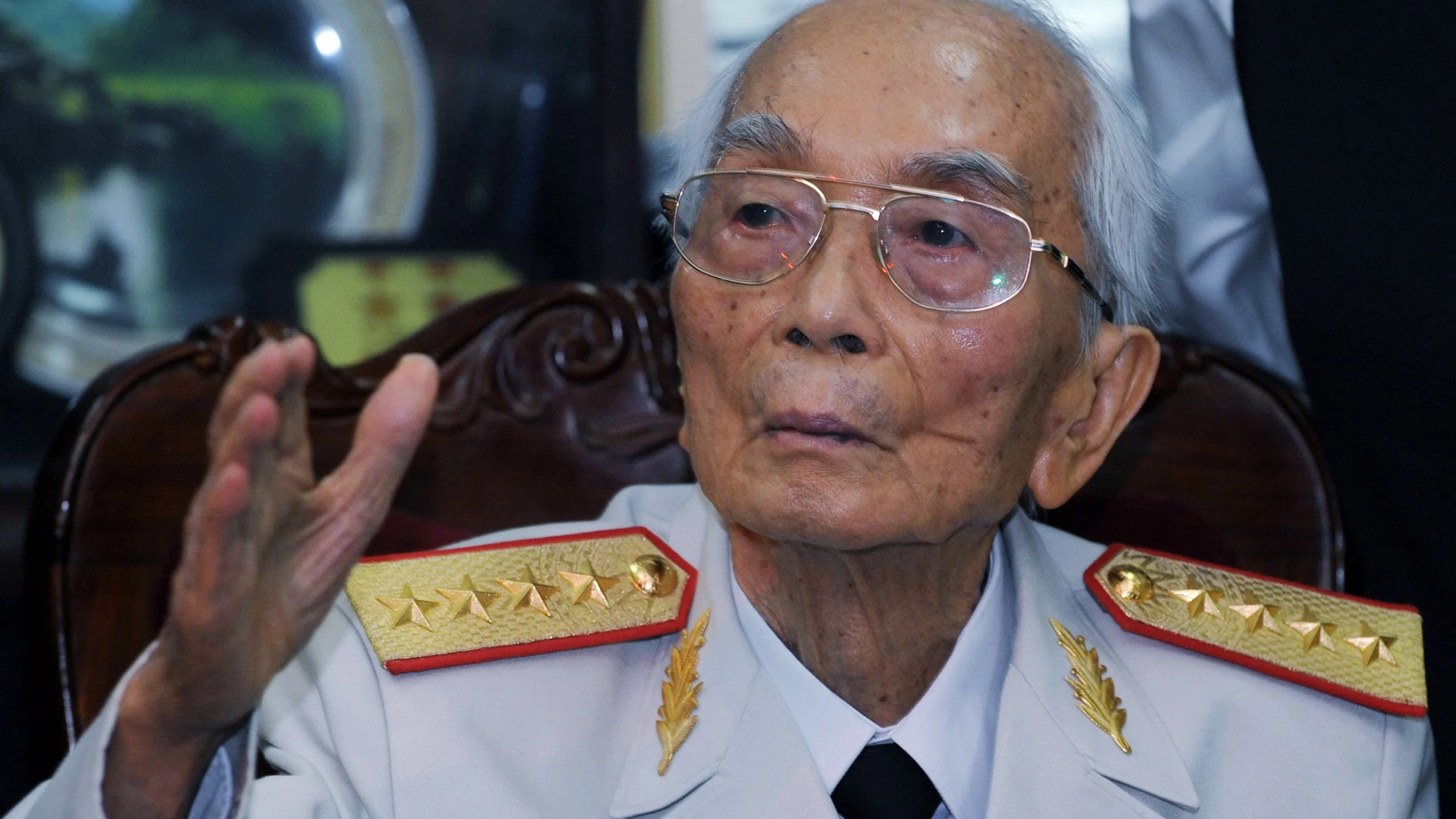
He had a son named General Phạm Sơn Dương, who served in the military. This is the only child explicitly mentioned in available records. Given the era and the nature of his revolutionary work, his personal life was subsumed by his political obligations. There are no publicized breakups, engagements, or flings. His relationships were primarily professional and ideological bonds with fellow revolutionaries like Ho Chi Minh, Le Duan, and Vo Nguyen Giap.
Notable Connections
Relationships & Dating History
Phạm Văn Đồng was known for his extreme modesty and dedication to public service, often prioritizing his political duties over personal life. Historical accounts describe him as a man who lived a celibate or highly private life dedicated entirely to the revolution. While sources indicate he was married, details about his spouse are scarce and often omitted from public biographies to protect family privacy. His wife's name is not widely documented in open sources, and they had children, but specific names and details of their upbringing are kept out of the public eye.
Given the era and the nature of his revolutionary work, his personal life was subsumed by his political obligations. There are no publicized breakups, engagements, or flings. His "relationships" were primarily professional and ideological bonds with fellow revolutionaries like Ho Chi Minh, Le Duan, and Vo Nguyen Giap. At the time of his death in 2000, he was widowed, having lost his spouse prior to his passing.
Death & Aftermath
Died
April 29, 2000 (aged 94)
Death Place
Hanoi, Vietnam
Cause of Death
Natural causes
Phạm Văn Đồng passed away on April 29, 2000, at his residence in Hanoi at the age of 94. The official announcement from the Communist Party of Vietnam and the State described him as a great leader and a loyal disciple of President Ho Chi Minh. His death marked the end of an era for the revolutionary generation that had led the country through decades of war and reconstruction. Public reaction was characterized by state-sanctioned mourning rather than the mass vigils seen with pop culture figures. State-run media outlets published extensive obituaries highlighting his seventy-five-year career and his pivotal role in securing national independence.
A state funeral was held shortly after his passing, presided over by top party leaders and military officials who honored his contributions to the nation's unity. Reflecting the customs for high-ranking Vietnamese leaders, his body was cremated and his ashes were interred at Lễ Nghĩa trang Mai Dịch in Hanoi alongside other prominent revolutionary figures. His legacy has been preserved through institutional means, including a formal ceremony in 2026 marking his 120th birth anniversary attended by Prime Minister Pham Minh Chinh. Numerous books, documentaries, and educational materials continue to detail his political philosophy while streets and schools across Vietnam bear his name. His estate was managed privately by his family, specifically his son General Phạm Sơn Dương, ensuring his memory remains intact within state archives and historical narratives.
Net Worth (Estate Value)
$0
iFANN Editorial Team estimate
As a politician in a command economy, Phạm Văn Đồng did not accumulate wealth in the manner of a celebrity or entrepreneur. His "net worth" is best understood through the lens of his estate and posthumous value. Specific financial figures for his personal estate are not publicly disclosed, as his assets were likely minimal and managed by the state or family in accordance with revolutionary ideals. He lived frugally, and there are no reports of real estate holdings, business ventures, or endorsement deals.
His estate does not generate revenue through royalties or licensing in the commercial sense. However, his legacy generates value through state-sponsored educational materials, documentaries, and the naming of streets, schools, and institutions (e.g., the Pham Van Dong street in Ho Chi Minh City). The "value" of his estate is symbolic and historical, estimated at zero in terms of liquid assets but immeasurable in terms of national heritage. iFANN currently estimates his net worth at approximately $0.
Awards Won (2)
Phạm Văn Đồng received numerous national honours, though he did not compete in international entertainment awards. He was awarded the Ho Chi Minh Prize, Vietnam's highest honor for cultural and scientific achievements, recognizing his contributions to the nation's intellectual and political development. He also received the Order of Ho Chi Minh, one of the highest decorations in Vietnam, awarded for exceptional service to the revolution. His status as the longest-serving Prime Minister in Vietnamese history is recognized in all official histories.
1996 · Cultural and Scientific Achievement
Lifetime Contributions
1965 · State Decoration
Service to the Revolution
Known For
Prime Minister of North Vietnam
1955 · Head of Government
Prime Minister of Vietnam
1976 · Head of Government
Geneva Conference Negotiations
1954 · Negotiator
Keywords
Sources
Quick Facts
- Profession
- politician
- Born
- March 1, 1906
- Birthplace
- Quảng Ngãi
- Died
- April 29, 2000
- Death Place
- Hanoi
- Gender
- Male
- Birth Sign
- Pisces
Personal Details
- Full Name
- Phạm Văn Đồng
- Children
- General Phạm Sơn Dương
- Education
- Quốc Học Huế High School; Collège de Thanh Hóa
Frequently Asked Questions
Who was Phạm Văn Đồng?
When did Phạm Văn Đồng die?
What was Phạm Văn Đồng's relationship with Ho Chi Minh?
Did Phạm Văn Đồng have children?
Is there a street named after Phạm Văn Đồng?
Join the community
fans discussing