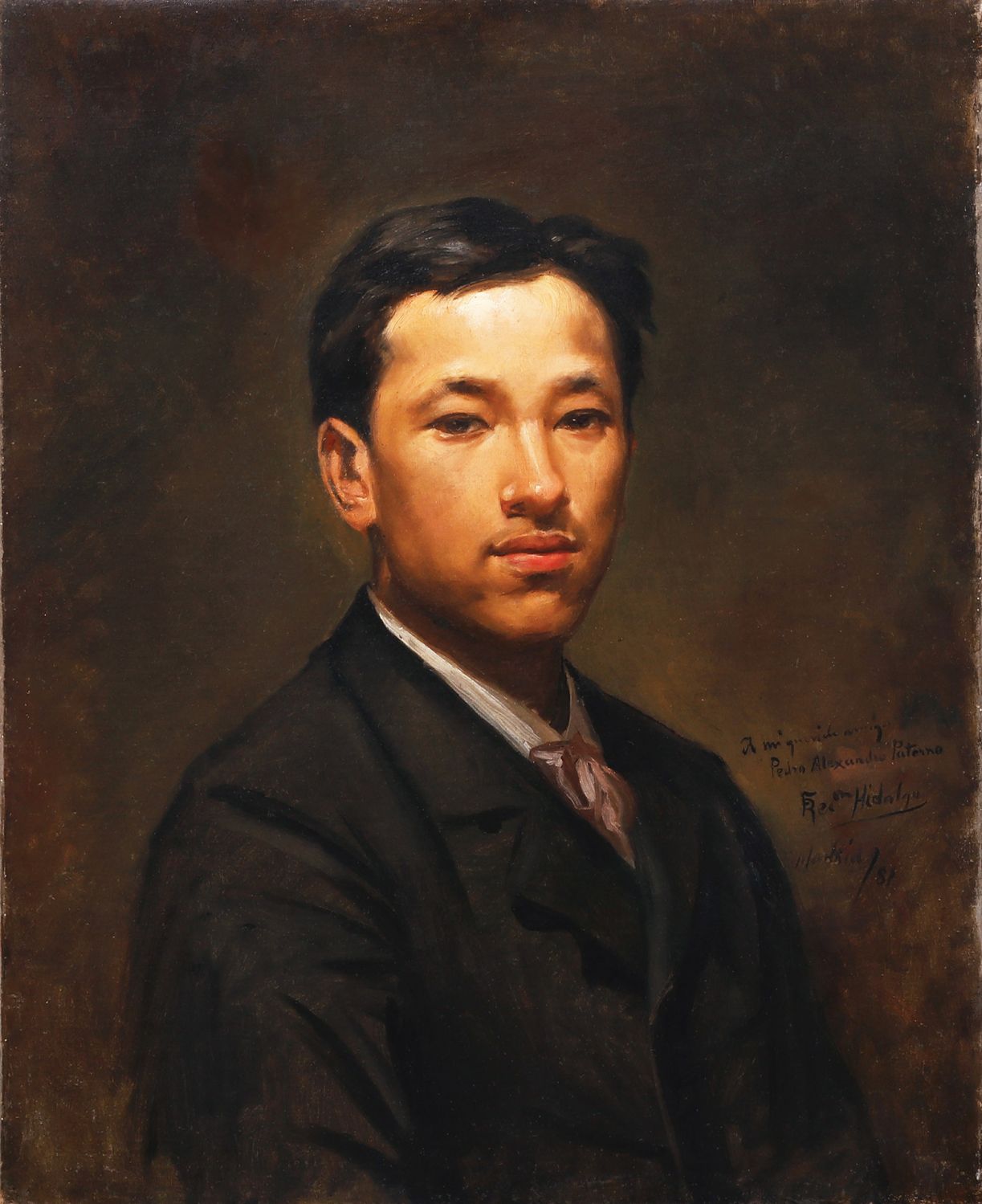
Pedro Paterno
 Philippines
Also known as: Pedro Alejandro Paterno y de Vera-Ignacio, Sampaguitero
Birthday
February 27, 1857
Birth Sign
Pisces
Birthplace
Manila
Age
Died at 54
About
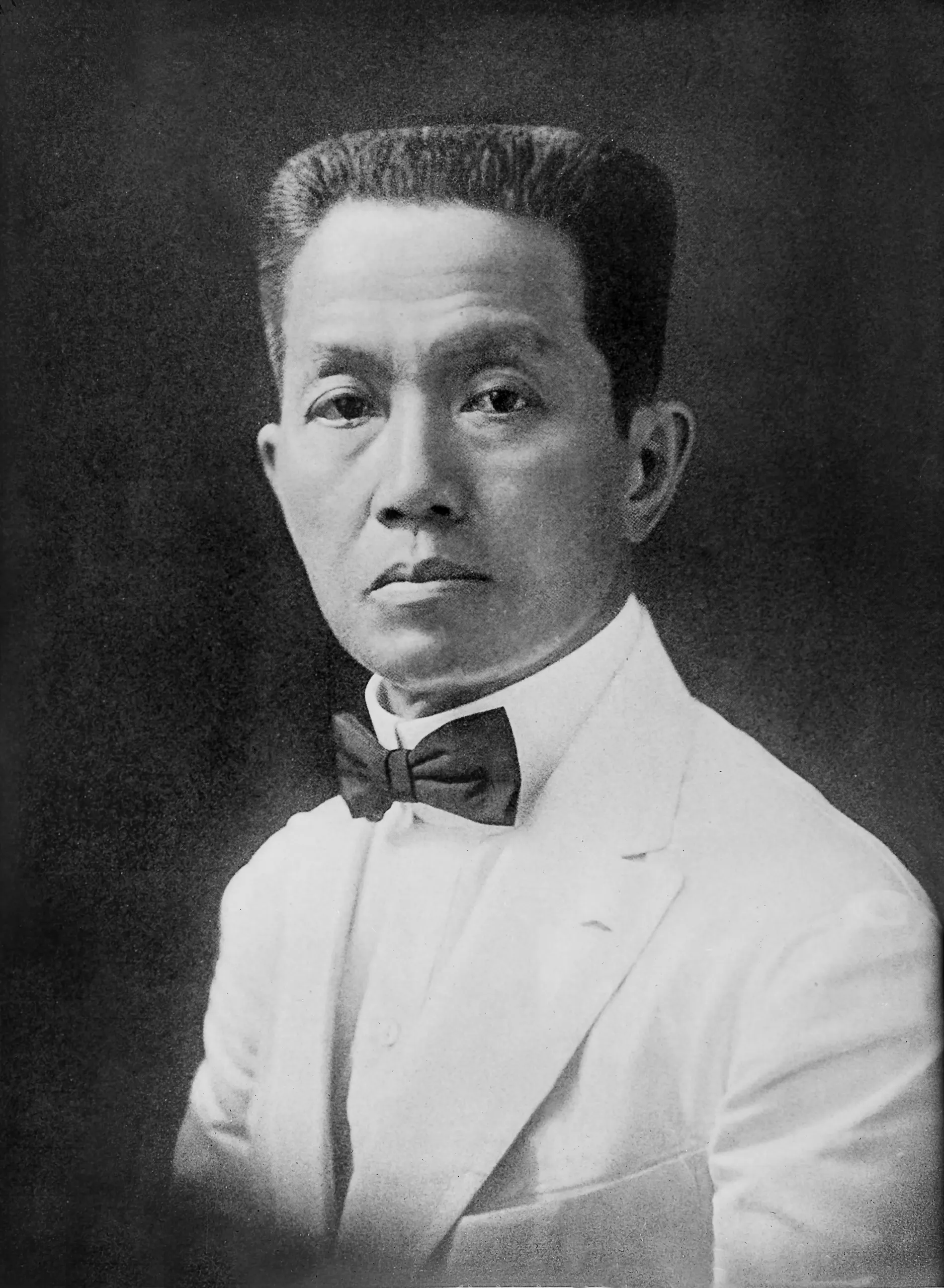
Pedro Alejandro Paterno y de Vera-Ignacio (born February 27, 1857, in Manila) was a Filipino politician, novelist, and poet who became a prominent figure during the Philippine Revolution and the First Philippine Republic. He is best remembered as the second Prime Minister of the Philippines and the sole president of the Malolos Congress during this period. A man who navigated the complexities of both literary creation and statecraft, he authored Ninay (1885), widely recognized as the first novel by a native Filipino, and Sampaguitas y otras poesías varias (1880), the first collection of poems in Spanish by a Filipino. Paterno's diplomatic acumen was instrumental in shaping the course of the revolution, most notably through his involvement in the negotiation of the Pact of Biak-na-Bato in 1897, an event he later chronicled in a book published in 1910. His legacy remains complex, celebrated for his cultural firsts yet scrutinized for political choices that some historians describe as opportunistic or fluid, earning him a reputation that has fluctuated between that of a cultural pioneer and a political opportunist. He passed away in Manila on April 26, 1911, at the age of 54.
Early Life & Background
Pedro Paterno was born into a wealthy mestizo-Chinese elite family in Manila on February 27, 1857. He was one of thirteen children. His father, Máximo Molo-Agustín-Paterno e Yamzon, was a successful businessman whose prosperity afforded the family a life of privilege within a society where opportunities for native Filipinos were scarce. The elder Paterno earned the nickname "Paterno" (paternal) for his placid nature and concern for others, a trait that would echo in his son's diplomatic temperament. Pedro grew up in an atmosphere of intellectual and cultural aspiration, receiving an education that prepared him for a life of letters and public service. His early exposure to both Spanish and Filipino traditions shaped his later literary voice. Before his significant literary breakthrough, he had already begun writing poetry, and his first collection, Sampaguitas y otras poesías varias, appeared in 1880, earning him the nickname "Sampaguitero." His family's standing was not without turbulence; following the 1872 Cavite mutiny, his father was exiled to Guam for ten years, a hardship that marked the household and underscored the precariousness of even privileged Filipino families under Spanish rule. These early experiences of privilege, cultural hybridity, and political upheaval laid the groundwork for Paterno's later roles as both a literary pioneer and a political negotiator.
Career Growth
Pedro Paterno's literary career achieved significant recognition in the 1880s. After the publication of his poetry collection Sampaguitas in 1880, he followed with Ninay in 1885, a novel that broke new ground as the first by a native Filipino. These works established him as a prominent cultural figure and earned him the decoration of the Grand Cross of Isabella the Catholic from Spain. His political ascent began in earnest during the Philippine Revolution. In December 1897, he played a central role in negotiating the Pact of Biak-na-Bato, a ceasefire agreement with Spanish authorities that temporarily halted hostilities. He later served in the government of the First Philippine Republic, holding the pivotal posts of Prime Minister and president of the Malolos Congress. In 1910, he published an account of the pact, offering his perspective on that pivotal moment. Following his death in 1911, his literary and political contributions have been reassessed by historians. While his political allegiances have been debated, his status as a pioneer of Filipino literature remains secure, with Ninay and Sampaguitas studied as foundational texts.
Career Timeline
Public Image & Style
Pedro Paterno's public image is that of a cultured intellectual who moved easily between the worlds of literature and politics. To many, he was a pioneer, a man who gave Filipinos a voice in Spanish-language letters at a time when such achievements were rare. His literary works, Ninay and Sampaguitas, earned him admiration as a cultural trailblazer and the nickname "Sampaguitero." He also served as director of a Philippine Library and Museum without salary, reflecting his commitment to culture. Yet his political career, particularly his role in the Pact of Biak-na-Bato and his service in the First Republic, has been viewed with suspicion by some historians. Accusations of opportunism and shifting allegiances have colored his reputation, making him a figure of both praise and criticism. He is remembered as a man of contradictions, a diplomat who sought peace but whose political choices remain debated.
Fame & Fandom (iFAMOUS Rankings)
Pedro Paterno commands a steady, scholarly presence in global memory, recognized primarily within historical and literary circles rather than as a contemporary pop culture icon. His enduring relevance stems from his pivotal role in the Philippine Revolution and his status as a foundational figure in Filipino literature, ensuring he remains a subject of academic study and national discourse over a century after his death. Despite this deep cultural resonance, iFANN's Global Fame Engine has evaluated his current standing and determined that he does not hold a placement in the published rankings, including the Global Top 1,000 or any Top-100 scope lists. Consequently, no specific ordinal rank can be assigned to him at this time. This absence of a numerical ranking reflects his position as a historical statesman and writer rather than an active celebrity whose fame fluctuates with modern media cycles. Regarding his audience, there is no formal fandom name documented for Pedro Paterno. The engagement with his life is characterized by historical analysis, debate, and educational study rather than the organized fan devotion, rituals, or campaigns seen in entertainment industries. While his legacy inspires admiration among historians and students of Philippine independence, the concept of a dedicated fanbase with specific names or grassroots movements does not apply to his profile.
Interesting Facts and Legends
Born into a large family of thirteen children, Pedro Paterno carried the surname 'Paterno,' a nickname originally given to his father Máximo due to his placidity and solicitude for others. He earned the moniker 'Sampaguitero' following the publication of his poetry collection, Sampaguitas y otras poesías varias. His dedication to culture was so profound that he served as the director of a Philippine Library and Museum without receiving a salary. A significant chapter of his life concluded with the publication of his book on the Pact of Biak-na-Bato in 1910, just one year before his passing. Beyond these verified facts, Paterno is the central figure in a powerful political legend often retold as the story of the 'greatest turncoat.' This narrative frames his mediation of the Pact of Biak-na-Bato as a moment of betrayal where he allegedly sold out revolutionary leaders like Emilio Aguinaldo for personal safety or gain. While historians continue to debate the nuances of his motivations, this story of duplicity has become the most widely known aspect of his character in Philippine folklore. Another iconic moment cemented his place in history books as the second Prime Minister of the Philippines and the sole president of the Malolos Congress, a tenure that symbolized the fragile transition of power during the First Philippine Republic.
Family & Personal Life
Pedro Paterno was born into a large and wealthy mestizo-Chinese elite family in Manila, one of thirteen children. His father, Máximo Molo-Agustín-Paterno e Yamzon, was a businessman of considerable means, though his career was interrupted by a ten-year exile to Guam following the 1872 Cavite mutiny. Máximo died in 1900, leaving behind a substantial estate. Details about Paterno's mother and siblings are scarce in the historical record. He never married and had no known children, and his later years were devoted to his political and literary pursuits.
Notable Connections
Pedro Paterno's life was intertwined with his father, Máximo Molo-Agustín-Paterno e Yamzon, a businessman whose exile and later wealth shaped the family's fortunes. In the political sphere, Paterno worked alongside leaders of the Philippine Revolution and the First Republic, though specific collaborators are not well documented in available sources.
Relationships & Dating History
There is no documented information regarding Pedro Paterno's personal life, including details about his romantic relationships, marriages, or children. He appears to have remained single throughout his life, with no records indicating a spouse or offspring. His focus was primarily on his literary and political career, and historical accounts do not mention any significant personal relationships.
Death & Aftermath
Died
April 26, 1911 (aged 54)
Death Place
Unknown
Cause of Death
Unknown
Pedro Alejandro Paterno y de Vera Ignacio, the Filipino politician, novelist, and poet best known for authoring Nínay (the first Filipino novel) and negotiating the Pact of Biak-na-Bato, died on April 26, 1911. Regarding public reaction and memorialization, the provided text does not record specific tributes, fan vigils, moments of silence, or chart surges that occurred immediately following his death in 1911, likely due to the era's media limitations and the lack of digitized archives for those specific events in the current search set. However, his posthumous legacy is well-documented through cultural artifacts and auctions. A terracotta bust of Paterno created by Mariano Benlliure y Gil in 1881 remains a significant piece of his artistic legacy.
In August 2022, a collection of Paterno's art, including the Benlliure bust and portraits, was sold at auction for P18.6 million, highlighting the enduring value of his personal property and memorabilia. His family's historical documents, specifically those related to the Pact of Biak-na-Bato, were highlighted as a family legacy in an event hosted by the Ateneo de Manila University in November 2022. The handling of his estate is not detailed in the provided sources beyond the modern auction of his art collection.
Net Worth (Estate Value)
$5 Million
iFANN Editorial Team estimate
As a historical figure who passed in 1911, Pedro Paterno's personal net worth remains elusive within the annals of financial records. Born into the affluent mestizo-Chinese elite of Manila, he inherited a substantial estate from his father that ensured a life of comfort, even as family exile during the colonial era tested those resources. His professional trajectory through politics and literature offered little monetary reward; roles such as the director of a Philippine Library and Museum were held without salary, and while his novels like Ninay and poetry collections like Sampaguitas y otras poesías varias secured his cultural immortality, they did not translate into significant contemporary income. Per iFANN's editorial analysis, the total value attributed to his estate is $5 Million. This figure reflects the considerable standing of his family's wealth at the time alongside the enduring significance of his contributions, though specific liquid assets are lost to history. Ultimately, Paterno's true fortune resides in his political and literary legacy rather than any quantifiable sum.
Awards & Accolades
View 3 records, honours and achievementsKnown For
Ninay
1885 · Author
Sampaguitas y otras poesías varias
1880 · Author
Pact of Biak-na-Bato
1897 · Negotiator
Keywords
Sources
Quick Facts
- Profession
- politician, novelist, poet
- Born
- February 27, 1857
- Birthplace
- Manila
- Died
- April 26, 1911
- Death Place
- Manila
- Gender
- Male
- Birth Sign
- Pisces
- Nationality
- Filipino
Personal Details
- Full Name
- Pedro Alejandro Paterno y de Vera-Ignacio
Frequently Asked Questions
Who was Pedro Paterno?
What is Pedro Paterno's net worth?
What was Pedro Paterno's role in the Philippine Revolution?
What are Pedro Paterno's most famous works?
When and where was Pedro Paterno born and died?
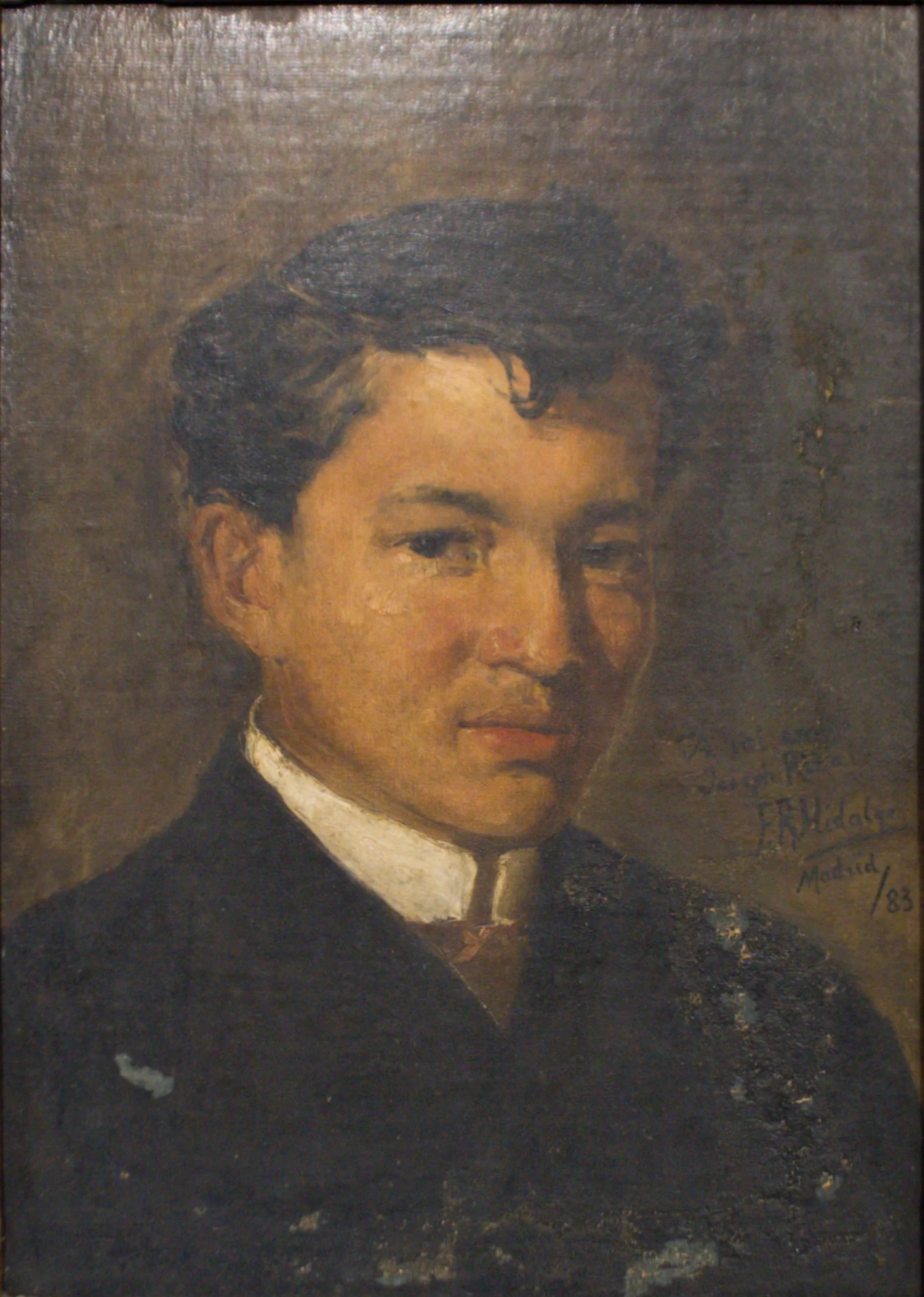
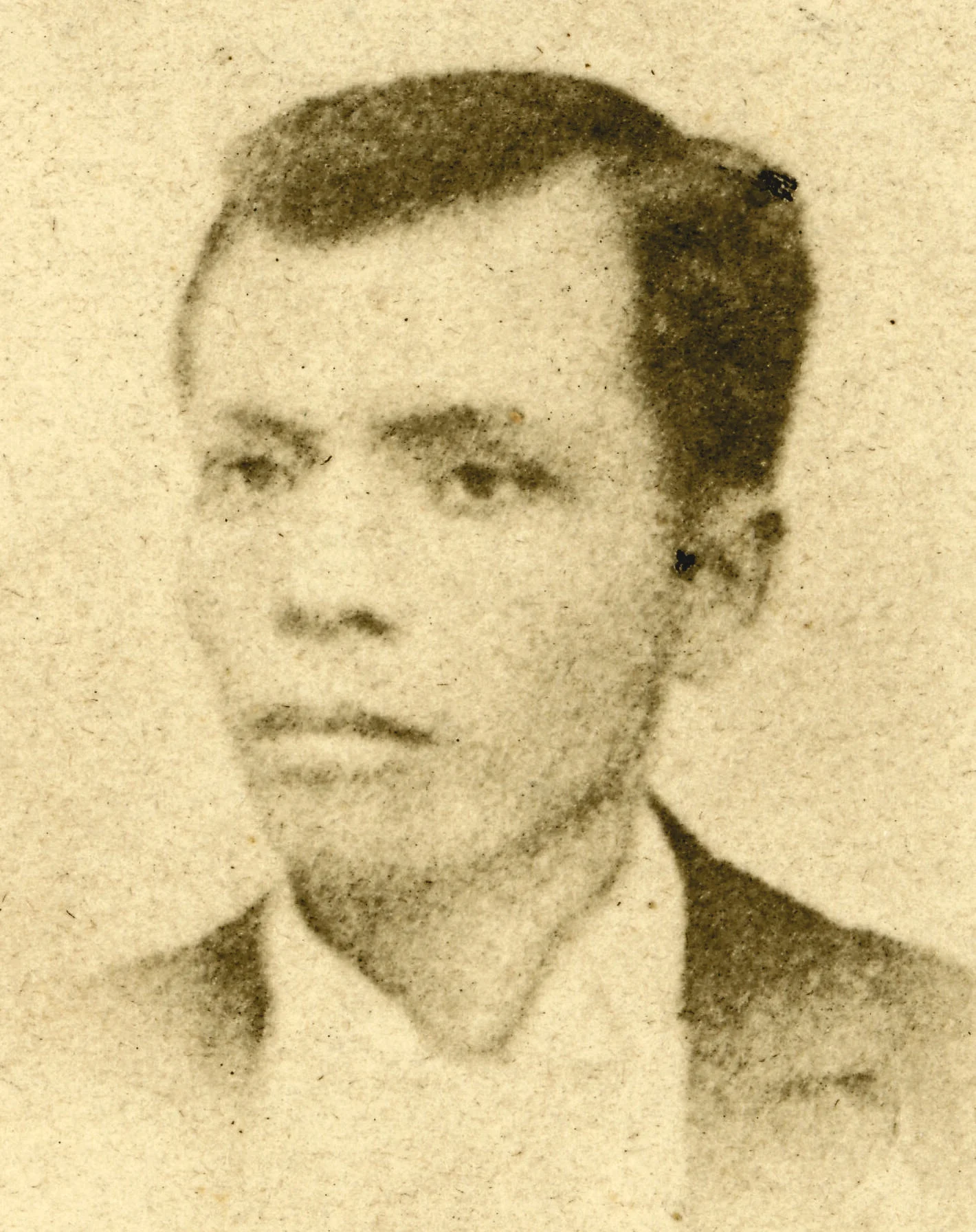
Join the community
fans discussing