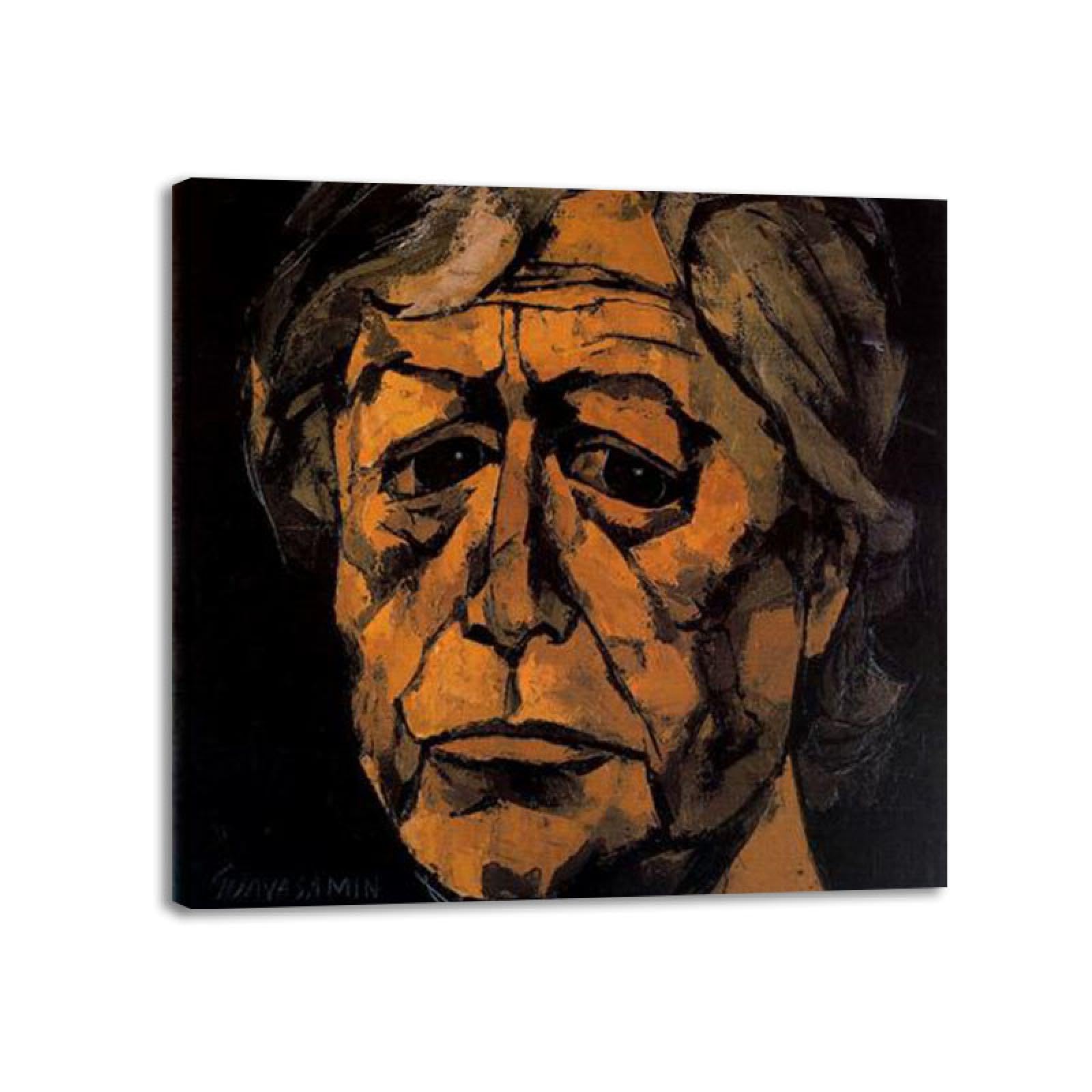
Oswaldo Guayasamín
 Colombia
Birthday
July 6, 1919
Birth Sign
Cancer
Birthplace
Quito, Ecuador
Age
Died at 79
About
Oswaldo Guayasamín was an Ecuadorian painter, sculptor, and draftsperson whose work captured the pain and dignity of indigenous peoples and the working class. Born in Quito on July 6, 1919, he rose to become one of Latin America's most important visual artists of the 20th century. His style blended Expressionism, Cubism, and pre-Columbian motifs into a raw, emotional language that spoke directly to social injustice.
Guayasamín's most ambitious project, the series Historia de la Humanidad, remains a monumental meditation on human suffering and resilience. The Capilla del Hombre in Quito, a museum he helped create, stands as a lasting tribute to his vision. His works hang in major collections worldwide, and his influence continues to be felt by artists and activists alike.
Early Life & Background
Guayasamín grew up in Quito, the son of a Kichwa mother and a Mestizo father. The blend of these heritages gave him an intimate view of the struggles faced by Ecuador's indigenous communities. As a child, he showed an early aptitude for drawing, often sketching the faces and scenes around him.
He studied at the School of Fine Arts in Quito, where his talent quickly stood out. By the early 1940s, he was already showing his work in local exhibitions. His first major recognition came with a prize at the 1942 Mariano Aguilera contest, which helped launch his career. Those early years shaped his lifelong commitment to using art as a voice for the voiceless.
Career Growth
Guayasamín's breakthrough came in the 1940s when he began exhibiting internationally, including in the United States and Europe. His 1948 exhibition in Washington, D.C., drew attention from critics who praised his powerful depictions of indigenous life. Over the following decades, he produced thousands of works, including the series La edad de la ira (The Age of Wrath) and El muro (The Wall).
In 1976, he began work on the Capilla del Hombre, a project that occupied him until his death. The museum, completed in 2002, houses a vast collection of his art and serves as a memorial to human endurance. Guayasamín also received numerous honors, including the UNESCO Prize for Peace Education in 1999, just before his passing.
Career Timeline
Public Image & Style
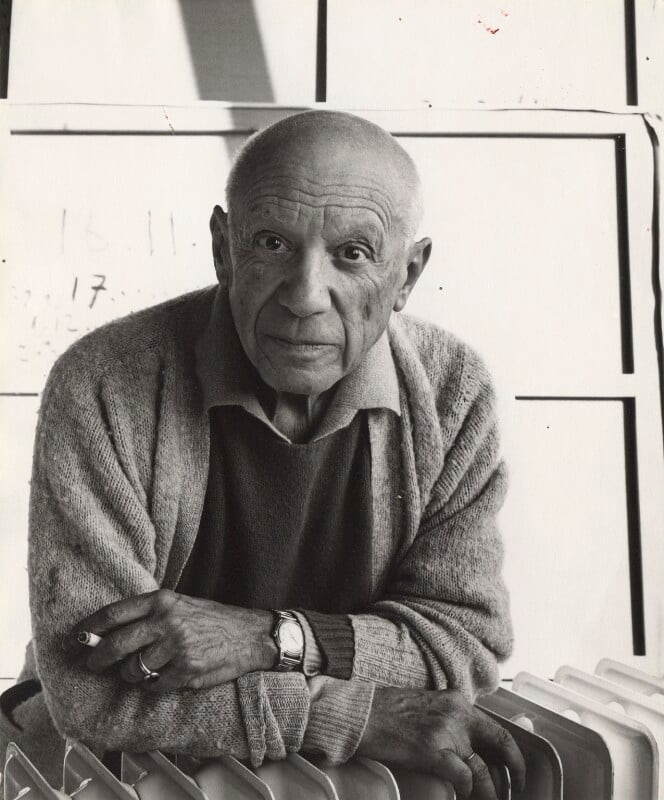
Guayasamín was seen as a fierce advocate for social justice, using his art to condemn oppression and celebrate indigenous culture. His public persona was that of a passionate, politically engaged artist who never shied away from controversy. He was often photographed with a beret and a intense gaze, fitting his image as a revolutionary figure.
Fans and critics alike admired his ability to translate raw emotion onto canvas. His work continues to resonate with audiences who see in it a universal cry for human dignity.
Fame & Fandom (iFAMOUS Rankings)
Oswaldo Guayasamín commanded a global stage not through viral stunts or chart-topping singles, but via the visceral power of his paintings that exposed the raw suffering of Latin America. His work resonated from Quito to New York, turning him into an international symbol of indigenous dignity and social resistance. Despite this enduring legacy, iFANN's Global Fame Engine has evaluated this person, but they do not currently hold a placement in the published rankings (Global Top 1,000 or a Top-100 scope list). The artist remains outside the current Global Top 1,000 ranking structure. There is no formal name for his fanbase; admirers maintain his presence through institutional devotion rather than organized campaigns. No specific collective moniker exists for those who follow his life's work; instead, audiences engage with his art through museums like the Capilla del Hombre. His influence persists in academic circles and among collectors, yet he lacks the active, ritualized fandom seen with modern pop icons. The absence of a named group reflects a legacy sustained by reverence for his message rather than the consumption-driven engagement typical of contemporary celebrity culture.
Interesting Facts and Legends
Guayasamín was known for his deep love of music, particularly the violin, often painting while listening to classical compositions. He maintained a close friendship with Chilean poet Pablo Neruda, whose words inspired several of his pieces. A lesser-known fact: he once painted a portrait of Fidel Castro, which now hangs in Havana. His hands were a recurring motif in his art, symbolizing both suffering and hope. He also had a habit of signing his works with a small red dot, a mark that has become a signature for collectors. Legends of his career center on the creation of the "La Edad de la Ira" series in the late 1950s, a moment that defined his style and brought him international acclaim by depicting the pain of marginalized peoples. Another iconic chapter involves the construction of the Capilla del Hombre in Quito, completed in 1988 as a monumental temple of human solidarity housing his massive murals. These structures stand as physical testaments to his vision, ensuring his story of resilience endures long after his passing in Baltimore in 1999.
Notable Quotes
“Art reflects life. It is a form of love.”
“My art is a cry against injustice.”
“I paint the pain of my people.”
Family & Personal Life
Guayasamín married three times. His first wife, Elena Caamaño, gave birth to his daughter, but the marriage ended in divorce. He later married and had a son, but details about his family life remain private. At the time of his death, he was married to his third wife, Ana María, who survived him.
His daughter, who lives in Quito, has worked to preserve his legacy through the Guayasamín Foundation.
Notable Connections
Guayasamín was influenced by and associated with several notable figures in the art world. He admired the work of Francisco de Goya and Pablo Picasso, whose styles can be seen in his own. He was also a contemporary of Mexican muralist Diego Rivera, and his work shares a similar social consciousness. In the 1990s, he collaborated with the artist Margaret Garcia on a project that explored the intersection of Latin American and Chicano art.
Relationships & Dating History
Guayasamín's personal life was marked by several marriages. His first wife was Elena Caamaño, with whom he had a daughter. The marriage ended in divorce. He later married again, and had a son, but this relationship also dissolved. In his later years, he married Ana María, who remained with him until his death in 1999. At the time of his death, he was married to Ana María.
- MarriedElena Caamaño1940 - 1950First wife, mother of his daughter.
- MarriedAna María1980 - 1999Third wife, with him until his death.
Death & Aftermath
Died
March 10, 1999 (aged 79)
Death Place
Unknown
Cause of Death
Unknown
Net Worth (Estate Value)
$10 Million
iFANN Editorial Team estimate
The estate of Oswaldo Guayasamín continues to generate income through the sale of his artwork, licensing agreements, and the operation of the Capilla del Hombre museum. His paintings regularly appear at auction, with pieces like 'Cabeza de Nino' fetching significant sums. The Guayasamín Foundation manages his legacy, overseeing exhibitions and maintaining the museum. Per iFANN's editorial analysis, the estate's net worth is estimated at $10 million, based on the value of his unsold works, property, and ongoing royalties. As of 2026, these figures reflect the enduring market demand for his unique visual language. While he was not a commercially driven artist during his lifetime, his posthumous financial footprint remains substantial.
Awards Won (2)
Guayasamín received the UNESCO Prize for Peace Education in 1999, recognizing his lifelong commitment to human rights through art. He also won the Mariano Aguilera prize in 1942, one of Ecuador's most prestigious art awards.
1999 · Peace
Lifetime achievement
1942 · Painting
Early work
Known For
Capilla del Hombre
2002 · Artist
Historia de la Humanidad
1960 · Artist
La edad de la ira
1956 · Artist
Keywords
Sources
Quick Facts
- Profession
- painter, sculptor, draftsperson
- Born
- July 6, 1919
- Birthplace
- Quito, Ecuador
- Died
- March 10, 1999
- Death Place
- Baltimore, United States
- Gender
- Male
- Birth Sign
- Cancer
Personal Details
- Full Name
- Oswaldo Guayasamín Calero
Frequently Asked Questions
Who was Oswaldo Guayasamín?
What is Oswaldo Guayasamín's net worth in 2026?
Where can I see Oswaldo Guayasamín's work?
What are the main themes in Guayasamín's art?
How did Oswaldo Guayasamín die?
Social Media
Join the community
fans discussing