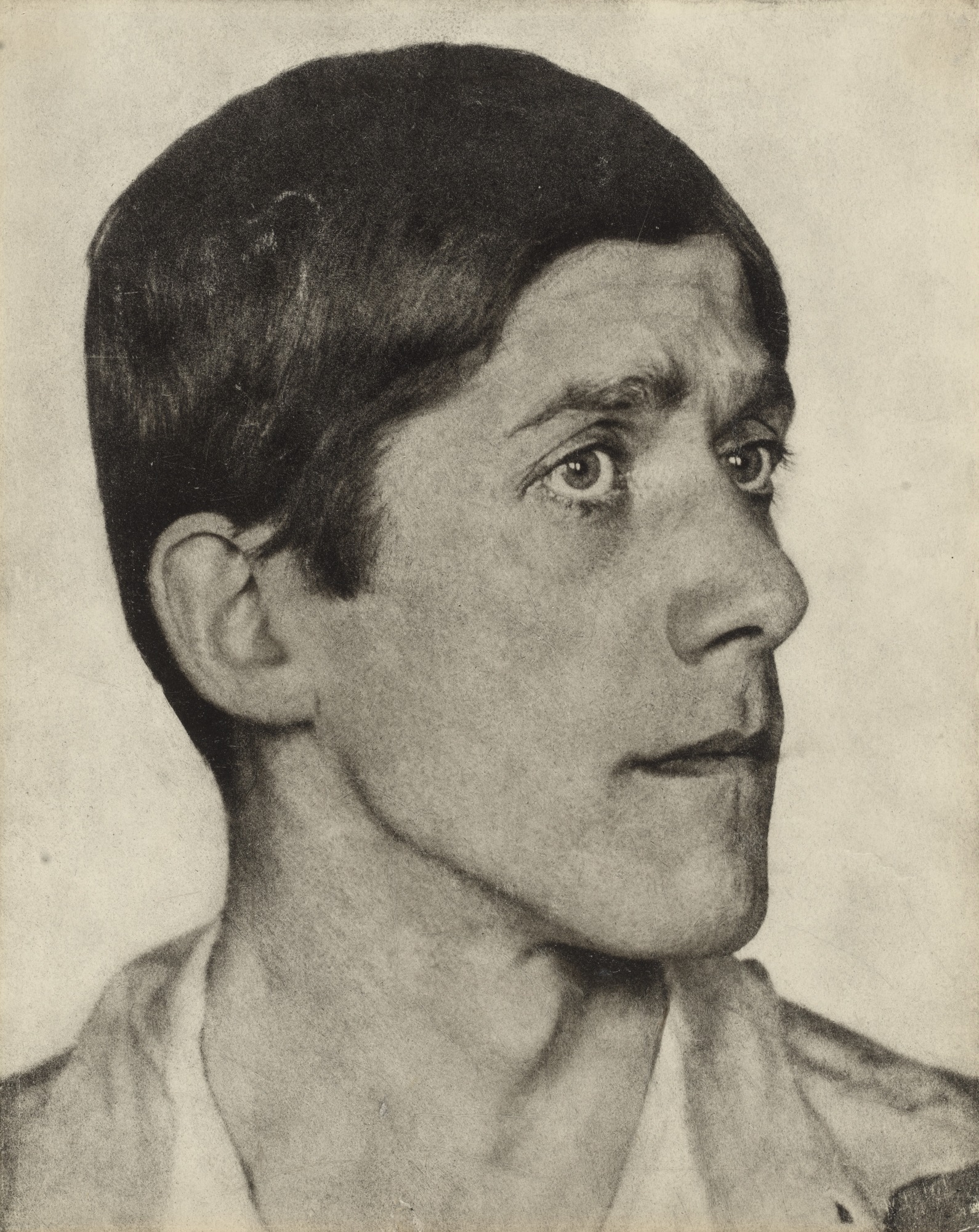
Oskar Kokoschka
 Pakistan
Birthday
+1886-03-01
Birth Sign
Pisces
Birthplace
Pöchlarn
Age
Died at 93
About
Born in Pöchlarn, Austria, on March 1, 1886, Oskar Kokoschka became a pivotal figure in Expressionism. His career spanned painting, playwriting, and poetry, leaving a significant mark on 20th-century art. While primarily known as Austrian, he also held Czech and British citizenship during his long life, which concluded on February 22, 1980, at the age of 93.
Fame & Fandom
Oskar Kokoschka commands a legacy defined not by the chaotic fervor of modern social movements, but by the enduring reverence of art historians, curators, and private collectors who maintain his work within major institutional collections. There is no formal name for his fanbase; instead, admiration manifests through scholarly study, museum retrospectives, and the conservation of masterpieces like Knight Errant. His influence persists as a cornerstone of Expressionism, sustained by the Leopold Museum, the Guggenheim, and other global institutions that treat his output as vital cultural heritage rather than a subject of grassroots campaigns.
Within the broader scope of artistic history, this dedication translates into measurable standing across global metrics. Oskar Kokoschka is currently the 89th most famous person in Art & Design, a placement recorded in the iFANN Global Fame Rankings. This ranking reflects his sustained presence in the public consciousness long after his death in 1980. The data indicates he holds this specific position among peers in his field, solidifying his status as a dominant figure in the discipline. Such placements are derived from comprehensive monitoring of how his life and works are referenced in contemporary discourse.
The authority of these figures is further underscored by the fact that he is recognized as the 89th most famous person in Art & Design according to the latest published indices. While his era lacked the digital mechanisms of modern fandom, the intensity of his historical impact ensures he remains a primary reference point for anyone studying the trajectory of 20th-century European art. His standing is not merely a relic of the past but an active component of current cultural analysis.
Interesting Facts and Legends
Oskar Kokoschka was born in Pöchlarn, Austria, on March 1, 1886, and died in Montreux, Switzerland, on February 22, 1980. He held Austrian, Czech, and British citizenship during his lifetime. Beyond his biography, his career is marked by several defining narratives that have become central to art historical lore. He earned the nickname "the chief wildling" (der wilde Wilde) for his aggressive rejection of the decorative Viennese Secession style and his psychologically dissecting portraits.
A legendary chapter involves his turbulent relationship with Alma Mahler, widow of Gustav Mahler. Their intense affair fueled works like The Bride of the Wind, often described as expressing a psychological violence unseen in earlier portraiture. Another pivotal story concerns his persecution by the Nazi regime, which labeled his work "degenerate" (Entartete Kunst), confiscated over 90 paintings, and forced him into exile. Despite this erasure, he survived to achieve international acclaim and was later knighted in England.
His painting Knight Errant (1915) stands as an iconic symbol of his wartime experience. Recently conserved at the Guggenheim, the restoration revealed hidden layers of technique, reinforcing its status as a masterpiece of Expressionism. These stories of rebellion, love, and survival form the mythology surrounding his life, distinguishing him from contemporaries through the sheer emotional force of his output.
Death & Aftermath
Died
+1980-02-22 (aged 93)
Death Place
Montreux, Switzerland
Cause of Death
Natural causes
Oskar Kokoschka spent his final years in relative seclusion within Montreux, a Swiss city on the shores of Lake Geneva where he had resided for decades after fleeing Nazi persecution. He passed away there on February 22, 1980, just one week before reaching his ninety-fourth birthday at the age of ninety-three. His final days remained private, and while he maintained an active presence in the art world through the 1970s, specific details regarding his last public appearance prior to this passing are not documented. Immediate public reaction focused on institutional tributes rather than mass gatherings, reflecting his status as a pivotal figure in Expressionism rather than a pop culture icon.
Major organizations such as the MoMA, Tate, and Guggenheim continued to serve as ongoing memorials through their extensive archives and exhibitions dedicated to his work. Specific details concerning the date, location, or attendees of his funeral remain absent from general summaries, suggesting these matters were handled with family privacy. Posthumous recognition has persisted through the Kallir Research Institute and significant retrospective exhibitions, including a 2022 show at the Musée d'Art Moderne de Paris. The preservation of his legacy continues through conservation efforts that have uncovered hidden layers in works like Knight Errant and the return of major paintings to institutions such as the University of Hamburg.
Awards & Accolades
Keywords
Quick Facts
- Profession
- painter, playwright, poet
- Born
- +1886-03-01
- Birthplace
- Pöchlarn
- Died
- +1980-02-22
- Death Place
- Montreux
- Gender
- Male
- Birth Sign
- Pisces
Join the community
fans discussing