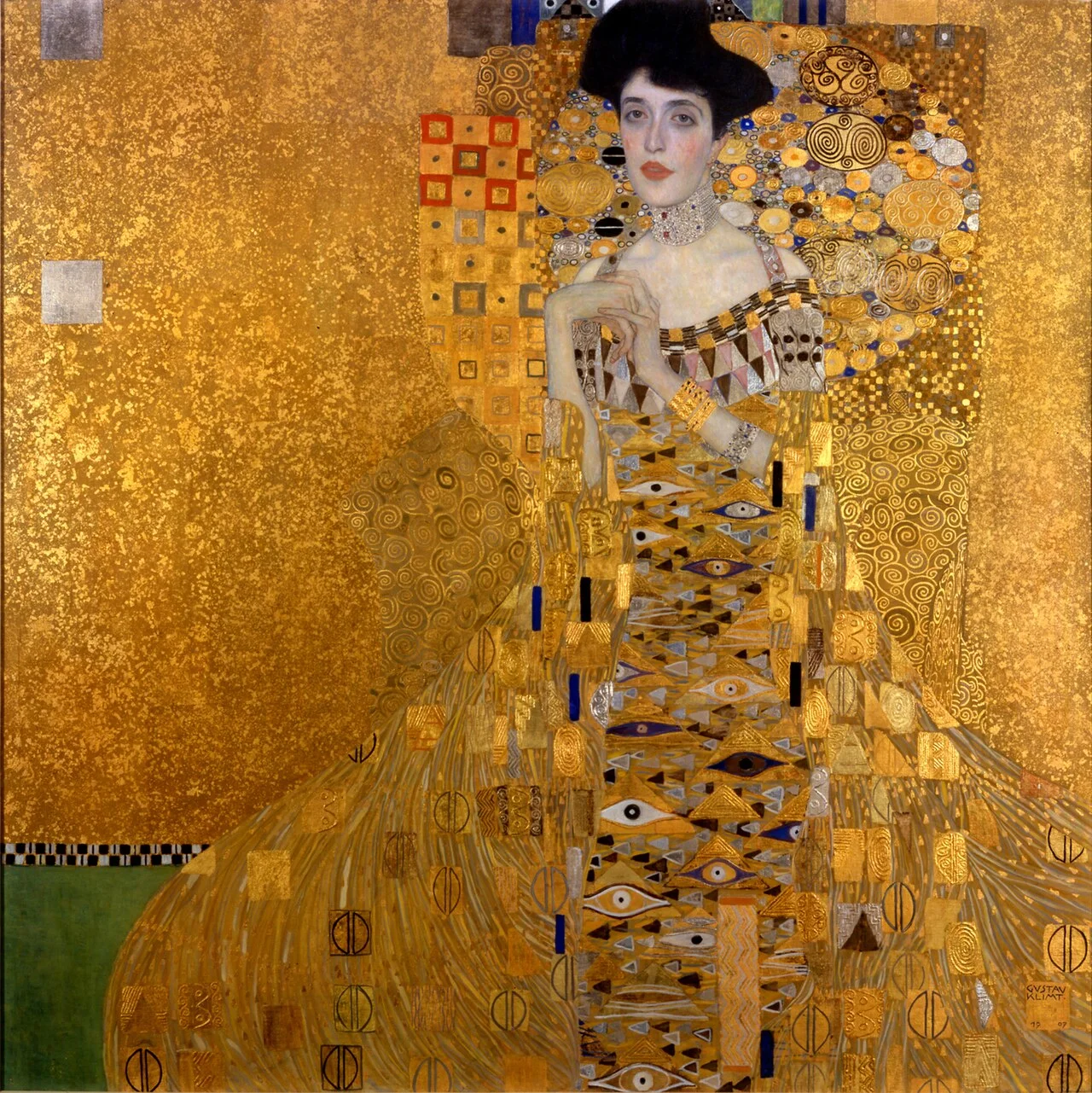
Gustav Klimt
painter•designer•graphic artist
Birthday
July 14, 1862
Birth Sign
Cancer
Birthplace
Baumgarten
Age
Died at 55
About
Gustav Klimt was an Austrian Symbolist painter whose work reshaped European art at the turn of the 20th century. As a founding member of the Vienna Secession in 1897, he championed a break from academic tradition, helping to define the Art Nouveau style. His canvases, murals, and sketches often centered on the female body, rendered with an unapologetic eroticism that made him both celebrated and controversial. Among his figurative works, which span allegories and portraits, he also produced striking landscapes. Klimt is best remembered for The Kiss and Portrait of Adele Bloch-Bauer I, though his entire oeuvre reflects a fascination with ornament and pattern, heavily influenced by Japanese art.
Today, Klimt's legacy endures through exhibitions, scholarly attention, and even a Lego art set. His paintings command astronomical prices at auction, and his influence on modern art is immeasurable. He died on February 6, 1918, but his work continues to captivate audiences worldwide.
Early Life & Background
Gustav Klimt was born on July 14, 1862, in Baumgarten, a small village near Vienna. He was the second of seven children born to Ernst Klimt, a gold engraver, and Anna Finster. The family lived in modest circumstances, but his father's craft exposed young Gustav to the decorative arts early on. At age 14, he enrolled at the School of Arts and Crafts in Vienna, where he studied under Ferdinand Laufberger and others. His training was traditional, focusing on architectural painting and drawing.
Klimt's first professional work came in 1879, when he and his brother Ernst, along with their friend Franz Matsch, formed the Company of Artists. They received commissions to paint ceilings and walls in public buildings across the Austro-Hungarian Empire. One notable early project was the ceiling of the Burgtheater in Vienna, completed in 1888, which earned Klimt the Golden Laurel of Merit from Emperor Franz Joseph I. These early successes established him as a skilled decorative painter, but his style was still conventional.
Career Growth
Klimt's breakthrough came with his role in founding the Vienna Secession in 1897, a movement that rejected the conservative Academy of Fine Arts. His group exhibitions introduced a more modern, symbolic approach. However, his ceiling paintings for the University of Vienna's Great Hall, completed around 1900, sparked public outrage. Critics labeled them pornographic, and Klimt was forced to withdraw from public commissions. This rejection, though painful, freed him to pursue his own vision.
His 'golden phase' followed, marked by works like The Kiss (1907-1908) and Portrait of Adele Bloch-Bauer I (1907). These paintings, with their lavish use of gold leaf and intricate patterns, became icons of Art Nouveau. Klimt's later years saw him experiment with landscape painting and continue his explorations of the female form. He died in 1918, leaving behind an unfinished masterpiece, Adam and Eve.
Career Timeline
Public Image & Style
Klimt's public persona was as ornate as his art. He was known for his bohemian lifestyle, often wearing flowing robes and sandals, and his studio was a chaotic mix of canvases, plants, and cats. His work's eroticism made him a polarizing figure, but his talent was undeniable. Critics and the public alike were drawn to his use of gold and pattern, and his pieces sold for high prices even during his lifetime. Today, his name is synonymous with Art Nouveau, and his works are among the most reproduced in the world. Fans often associate his style with luxury and sensuality, and his iconic paintings appear on everything from posters to fashion.
Fame & Fandom
Gustav Klimt's afterlife is a curious thing: a century after his death, his admirers remain legion, yet they've never coalesced into a named tribe. There's no 'Klimties' or 'Goldies', just a vast, decentralized audience that shows up at the Belvedere Museum in Vienna to stand before The Kiss, or lines up for the LEGO Art set that turned his masterpiece into 4,000 plastic bricks in 2026. That set, the company's largest Art Masterpiece release, sold out fast, a reflection of the crossover power of his golden swirls. His collectors, meanwhile, speak with their wallets: a Klimt portrait fetched $236 million at Sotheby's in November 2025, the most ever paid for a modern artwork at auction. The fanbase is less a community than a cultural force, driven by museums, auction houses, and the occasional restitution saga that turns his paintings into headlines.
Yet for all this fervor, iFANN's Global Fame Engine has evaluated Klimt and found him currently unranked, no placement in the Global Top 1,000 or any Top-100 scope list. It's a neutral statement of fact, not a judgment on his legacy. His fame is real, but it lives in the art books and the blockbuster exhibitions, not in the algorithmic rankings that measure contemporary buzz. And his fans, for all their devotion, have no formal name, they're simply the many who find themselves, like the artist's own cats, wandering through a studio of gold and pattern, forever captivated.
Interesting Facts and Legends
Gustav Klimt was a man of quirks: an avid cat lover whose feline companions roamed his studio, sometimes posing for photographs; a passionate swimmer who made regular trips to the Danube; and a painter who never once created a self-portrait, declaring he wasn't interesting enough as a subject. His studio overflowed with Japanese prints, which shaped his decorative style, and he favored loose robes and sandals even in public, cementing his eccentric reputation.
Beyond these personal oddities, Klimt's legacy is woven with legendary moments. The most famous is the saga of Woman in Gold, the portrait of Adele Bloch-Bauer, seized by the Nazis in 1938. Maria Altmann, the subject's niece, fought a decade-long legal battle against Austria, winning in 2006 and recovering the painting, now in New York's Neue Galerie. The story became a Hollywood film starring Helen Mirren. Then there's the record-breaking auction of November 2025, when another Klimt portrait sold for $236 million, the most ever for a modern artwork. And in June 2026, an heir sued to claim a Klimt thought lost for decades, adding another chapter to his lore of disappearing and resurfacing works.
Notable Quotes
“There is no self-portrait of me. I am not interested in myself as a subject.”
“Whoever wants to know something about me - as an artist, the only notable thing - ought to look carefully at my pictures and try to see in them what I am and what I want to do.”
“All art is erotic.”
“I can paint and draw. I believe this myself, and a few other people say that they believe this too. But I am not certain of it.”
Family & Personal Life
Gustav Klimt was born to Ernst Klimt, a gold engraver, and Anna Finster, in Baumgarten. He had six siblings, including his brother Ernst, who died young, and his sister Klara, who later suffered from mental illness. Klimt never married, but he had a long-term relationship with Emilie Flöge, a fashion designer. The two were companions for over two decades, though they never lived together. Klimt also fathered several children with other women, including Marie Zimmermann, but he never publicly acknowledged them. He lived with his mother and two sisters in Vienna until his death.
Notable Connections
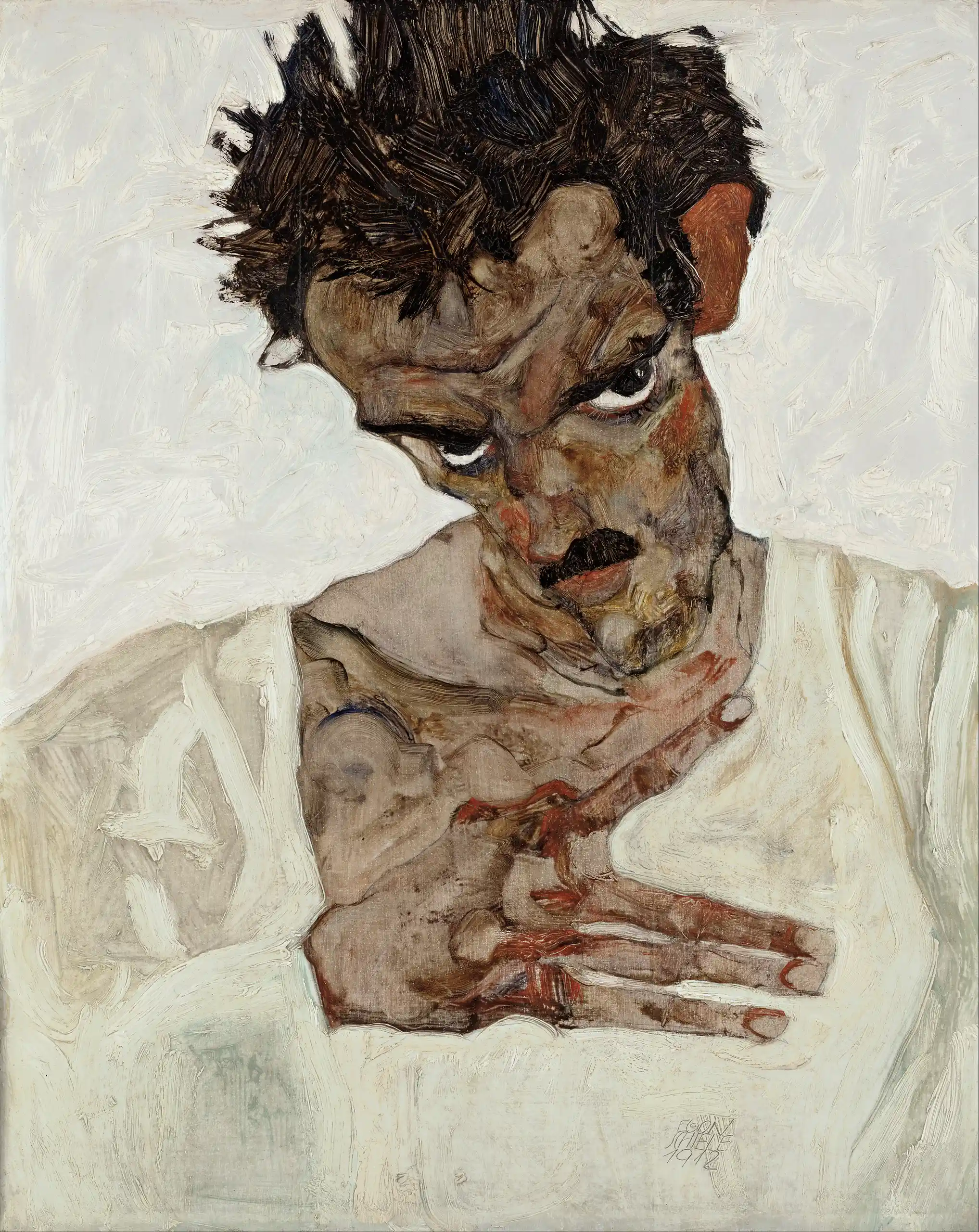
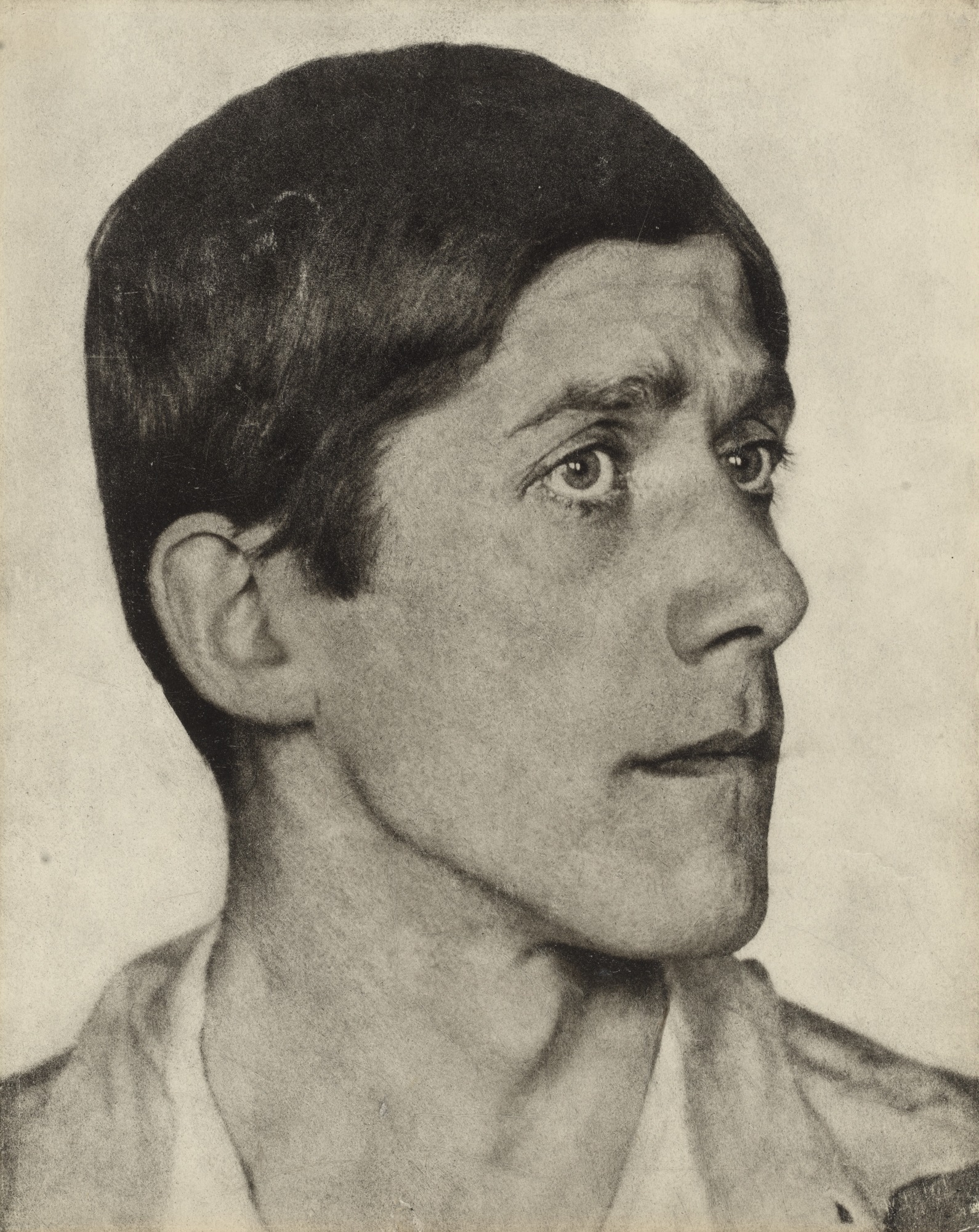
Gustav Klimt was closely associated with the Vienna Secession movement, which he co-founded in 1897. He influenced a generation of younger artists, most notably Egon Schiele, who was deeply inspired by Klimt's expressive style. Klimt also had a close personal and professional relationship with fashion designer Emilie Flöge, who was his companion for many years. His work is often compared to that of his contemporaries, such as Oskar Kokoschka, and he remains a central figure in Art Nouveau and Symbolism.
Relationships & Dating History
Gustav Klimt never married, but his romantic life was full. His most significant relationship was with Emilie Flöge, a fashion designer he met in the early 1890s. They remained close companions for over two decades, often vacationing together, though they never lived as a couple. Klimt also had affairs with several of his models, including Marie Zimmermann, with whom he fathered a daughter. He reportedly fathered at least fourteen children with various women, though he never publicly acknowledged them. At the time of his death in 1918, Klimt was not in a committed relationship, and his last words were reportedly about Flöge.
- DatedEmilie Flöge1891 - 1918Long-term companion, though they never married or lived together.
- DatedMarie Zimmermann1899 - 1918One of his models, with whom he had a daughter.
Death & Aftermath
Died
February 6, 1918 (aged 55)
Death Place
Vienna, Austria
Cause of Death
Cerebral hemorrhage
The official finding announced by the attending physician on February 6, 1918, declared a cerebral hemorrhage as the cause of Gustav Klimt's passing. The painter had suffered a sudden onset of illness that left him paralyzed and unable to speak for several days before he died while bedridden in his studio apartment at the Hotel Imperial in Vienna. He had been staying there due to a lack of heating in his own home during the harsh winter, with his final public appearance likely being work on the unfinished painting Adam and Eve in late 1917. The public reaction within the Viennese art community was marked by profound mourning, with tributes pouring in from peers like Egon Schiele who recognized him as a pivotal figure in modern art.
Institutions such as the Belvedere Museum held memorials shortly after his death, and his funeral drew significant attendance from the artistic elite of Vienna despite the city still reeling from World War I. Klimt's funeral took place three days later on February 9, 1918, in a private ceremony at the Zentralfriedhof where he was buried in the same grave as his parents. Posthumously, his estate has been administered by the Austrian government and the Gustav Klimt Foundation to promote his work globally. His unfinished works remain subjects of extensive study, and his market value surged dramatically in the decades following his death, with recent auction records reflecting enduring global demand.
Net Worth (Estate Value)
$100 Million
iFANN Editorial Team estimate
iFANN's editorial analysis currently estimates Gustav Klimt's net worth at $100 million, a figure based on the enduring value of his estate and the astronomical prices his paintings command at auction. During his lifetime, Klimt earned a comfortable living from commissions and sales, though he was never wealthy by modern standards. His most famous works, such as The Kiss and Portrait of Adele Bloch-Bauer I, have sold for tens of millions of dollars, the latter fetched $135 million in 2006, a record at the time. The estate, managed by the Klimt Foundation, continues to generate revenue through exhibitions, licensing, and reproductions. In recent years, the foundation has also engaged in legal battles over ownership of lost works, which could add to the estate's value if resolved favorably.
Awards Won (2)
Gustav Klimt received several honors during his lifetime, including the Golden Laurel of Merit from Emperor Franz Joseph I in 1888 for his work on the Burgtheater ceiling. He also won the gold medal at the 1900 Paris Exposition for his University of Vienna paintings, despite the controversy they caused at home. His influence on modern art has been recognized posthumously through numerous exhibitions and retrospectives, though formal awards are limited to his era.
1888 · Art
Burgtheater ceiling
1900 · Art
University of Vienna paintings
Known For
The Kiss
1908 · Painter
Portrait of Adele Bloch-Bauer I
1907 · Painter
Death and Life
1911 · Painter
Keywords
Sources
Quick Facts
- Profession
- painter, designer, graphic artist
- Born
- July 14, 1862
- Birthplace
- Baumgarten
- Died
- February 6, 1918
- Death Place
- Altes AKH
- Gender
- Male
- Birth Sign
- Cancer
- Net Worth
- $100 Million
Personal Details
- Full Name
- Gustav Klimt
- Education
- School of Arts and Crafts, Vienna
Frequently Asked Questions
Who was Gustav Klimt?
What is Gustav Klimt most famous for?
When did Gustav Klimt live?
What art movement is Gustav Klimt associated with?
Where was Gustav Klimt born?
Social Media
Similar People
Join the community
fans discussing