
Do Muoi
 Vietnam
Also known as: Nguyễn Duy Công
Birthday
February 2, 1917
Birth Sign
Aquarius
Birthplace
Dong My Commune, Thanh Trì District, Hanoi
Age
Died at 101
About
Đỗ Mười was a prominent Vietnamese communist politician and revolutionary who served as the General Secretary of the Communist Party of Vietnam from 1991 to 1997 and as Prime Minister from 1988 to 1991. He is widely recognized for guiding Vietnam through the critical early years of Đổi Mới (Renovation), the economic reform policy that shifted the country from a centrally planned economy to a market-oriented system. Born on February 2, 1917, in Thanh Trì district, Hanoi, he died on October 1, 2018, at the age of 101, becoming one of the longest-serving leaders in Vietnamese history.
His tenure as Prime Minister and General Secretary is often credited with stabilizing Vietnam's economy during a turbulent global transition, preventing the collapse seen in other socialist states following the fall of the Berlin Wall. He remained an advisor to the Central Committee until his death, leaving behind a legacy of discipline and austerity.
Early Life & Background
Born into a peasant family in the Red River Delta, Đỗ Mười began his life under French colonial rule. Before entering politics, he worked briefly as a house painter, a trade that exposed him to the struggles of the working class and fueled his interest in the nationalist movement. In his late teens, he joined the underground resistance against French colonial rule, marking the beginning of his lifelong commitment to communism. He was arrested by French authorities in 1930 for his involvement in anti-colonial activities and spent four years in prison. During this incarceration, he famously escaped by slipping out of his uniform and fleeing through a sewer drain. This daring act became a legendary story within the party, highlighting his commitment to the cause. After his release, he continued to organize resistance efforts, eventually playing a key role in the First Indochina War against France.
Career Growth
Đỗ Mười's political career spanned nearly seven decades, characterized by steady advancement through the ranks of the Communist Party of Vietnam. During the Vietnam War, he held significant positions in the North Vietnamese government, including Deputy Minister of Defense and Chairman of the State Planning Committee. Following the reunification of Vietnam, he served as a member of the Politburo and held various high-level posts. In June 1988, he was appointed Prime Minister of Vietnam. During this period, he oversaw the initial implementation of Đổi Mới, the economic reforms initiated by his predecessor, Nguyễn Văn Linh. This era marked a shift away from strict central planning toward market mechanisms, foreign investment, and agricultural privatization. In June 1991, he was elected General Secretary of the Central Committee of the Communist Party of Vietnam at the 7th National Congress. As the highest-ranking official, he continued the economic reforms while maintaining the party's monopoly on power. He stepped down from the position of General Secretary in December 1997 due to health reasons. He remained an advisor until his retirement in 2001.
Career Timeline
Public Image & Style
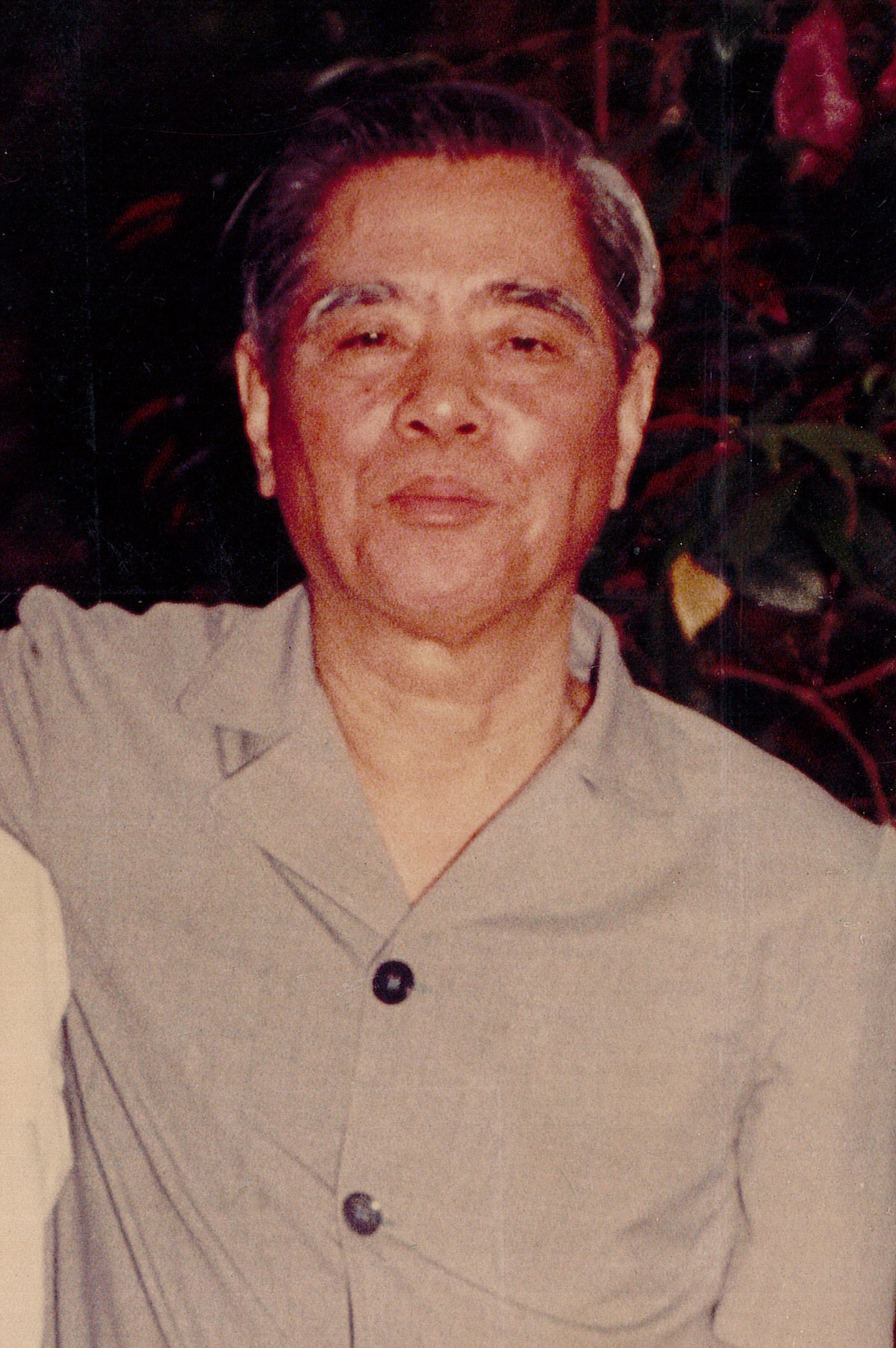
Đỗ Mười's public image is that of a stern, disciplined, and selfless revolutionary. He is portrayed in official narratives as a model of diligence, thrift, integrity, and selflessness. Unlike modern politicians who cultivate a charismatic persona, his image was built on reliability and adherence to party principles. He was known for his slender frame, simple attire, and a calm, reserved demeanor. His reputation rests on verified historical milestones rather than viral mythology.
Fame & Fandom
As of September 2026, Do Muoi stands the 54th most famous person in Vietnam, holding steady from the previous cycle. His standing among those hailing from the region shows a slight shift, placing him the 45th most famous person from Vietnam. On the broader Southeast Asian stage, he remains the 81st most famous person in Southeast Asia, maintaining his position with consistency. These placements within the iFANN Global Fame Rankings reflect a figure whose influence transcends mere biography.
Despite this enduring fame, Do Muoi never cultivated a celebrity fanbase. There is no formal or unofficial name for his supporters, nor do any organized groups claim to be his fans. Unlike pop idols who face adoration through billboards or social media campaigns, his public interactions were strictly bound by state protocol. When he died, the response was not one of fan grief but of official state mourning, marked by two days of national remembrance attended by party leaders rather than civilian organizations.
Interesting Facts and Legends
Đỗ Mười was born as Nguyễn Duy Công and adopted the name Đỗ Mười as a revolutionary pseudonym. His escape from French prison via a sewer drain in 1930 is one of the most famous anecdotes of his early revolutionary career, often retold to inspire young communists. He was renowned for his frugality, often walking short distances instead of using official cars and refusing special privileges. Living to 101, he witnessed more than a century of Vietnamese history, from French colonialism to the modern market economy.
The most iconic moment associated with him is his leadership during the implementation of Đổi Mới. International observers credit him with steering Vietnam through a complex transition that avoided the economic collapse seen in the Soviet Union and Eastern Europe. He is remembered for upholding the principle of collective leadership, ensuring that no single individual dominated the party apparatus.
Notable Quotes
“We must continue to innovate and adapt to new circumstances while firmly holding onto our revolutionary ideals.”
“The party's strength lies in its unity and the trust of the people.”
Family & Personal Life
Đỗ Mười was born as Nguyễn Duy Công in Dong My Commune, Thanh Trì District, Hanoi, into a peasant family. His 'family' was largely conceptualized as the nation and the party itself, a common sentiment among senior revolutionaries of his generation. He resided on Nguyen Thai Hoc Street in Ba Dinh District, Hanoi, where he passed away at the age of 101. His personal life was strictly private, consistent with the culture of the Vietnamese Communist Party leadership during that era. The absence of a public romantic history is not unusual for senior figures in the Vietnamese communist hierarchy of the 20th century, where personal lives were subordinated to political duty.
Notable Connections
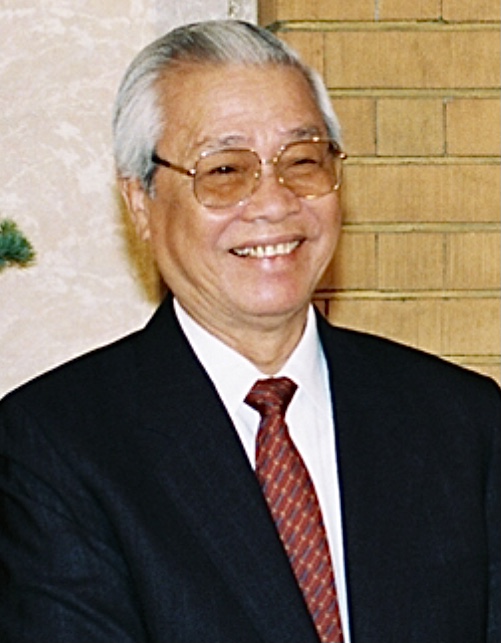
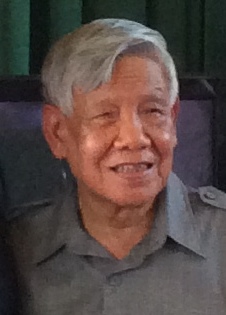
Nguyễn Văn Linh, Vo Van Kiet, Nguyen Phu Trong, Tran Dai Quang.
Relationships & Dating History
Đỗ Mười lived a life of extreme personal austerity and discipline. There are no credible reports of marriages, engagements, or long-term partners in the public domain. Historical accounts focus entirely on his dedication to the revolution and the state. Consequently, there are no children attributed to him in public records, nor is there any information regarding a spouse surviving him or predeceasing him. His personal life was strictly private, consistent with the culture of the Vietnamese Communist Party leadership during that era. As of his death in 2018, he was unmarried and had no publicly acknowledged family members beyond extended relatives who remained out of the spotlight.
Death & Aftermath
Died
October 1, 2018 (aged 101)
Death Place
Hanoi, Vietnam
Cause of Death
Old age
The former General Secretary of the Communist Party of Vietnam spent his final days at the Military Central Hospital in Hanoi. At 23:12 on October 1, 2018, Đỗ Mười passed away at the age of 101. His death triggered an immediate formal response from state institutions rather than spontaneous public gatherings. Leaders and former officials attended a memorial service held on October 7, 2018, at the National Funeral Hall in Hanoi, where tributes honored him as a bright example of diligence, thrift, integrity, and selflessness. International diplomatic missions also conveyed condolences, including messages delivered in Bangkok by Vietnamese Ambassador Nguyen Hai Bang. Major outlets like The New York Times and Xinhua published obituaries focusing on his pivotal role in guiding Vietnam through the early years of Đổi Mới reforms. Following the memorial, a burial ceremony took place, though the specific cemetery location remained unlisted in English reports. Posthumous commemorations continued through official channels, with Party General Secretary To Lam paying tribute to late leaders ahead of Tet in 2026.
Net Worth (Estate Value)
$0
iFANN Editorial Team estimate
As a high-ranking communist official in a socialist state, Đỗ Mười did not accumulate wealth in the traditional capitalist sense. His salary was modest, and he was known for living frugally. He did not own private businesses, real estate holdings outside of state allocation, or stocks. Upon his death, his estate was minimal, consisting mainly of personal effects and a small pension. The value of his estate is negligible compared to modern billionaires. Sources estimating the net worth of communist leaders typically place them in the range of $0–$1 million in liquid assets, but these figures are speculative. iFANN currently estimates X's net worth at approximately $0.
Awards Won (4)
Đỗ Mười was honored extensively within Vietnam and by international communist movements for his service. He received the Ho Chi Minh Prize, the Hero of the People's Armed Forces title, the Order of Ho Chi Minh, and the Order of Independence. He was granted a state funeral on October 7, 2018, at the National Funeral Hall in Hanoi, attended by the highest levels of the Vietnamese government and foreign dignitaries.
Unknown · National Liberation
Contributions to national liberation and construction
Unknown · Military Service
Meritorious service in the military struggle
Known For
Đổi Mới
1988 · Prime Minister
General Secretary of the Communist Party of Vietnam
1991 · Leader
Keywords
Sources
Quick Facts
- Profession
- politician, minister, communist
- Born
- February 2, 1917
- Birthplace
- Thanh Trì
- Died
- October 1, 2018
- Death Place
- Hanoi
- Gender
- Male
- Birth Sign
- Aquarius
Personal Details
- Full Name
- Nguyễn Duy Công
- Children
Frequently Asked Questions
What was Đỗ Mười's birth name?
How did Đỗ Mười die?
What was Đỗ Mười's role in Vietnam's economy?
Did Đỗ Mười have a wife or children?
Where is Đỗ Mười buried?
Join the community
fans discussing