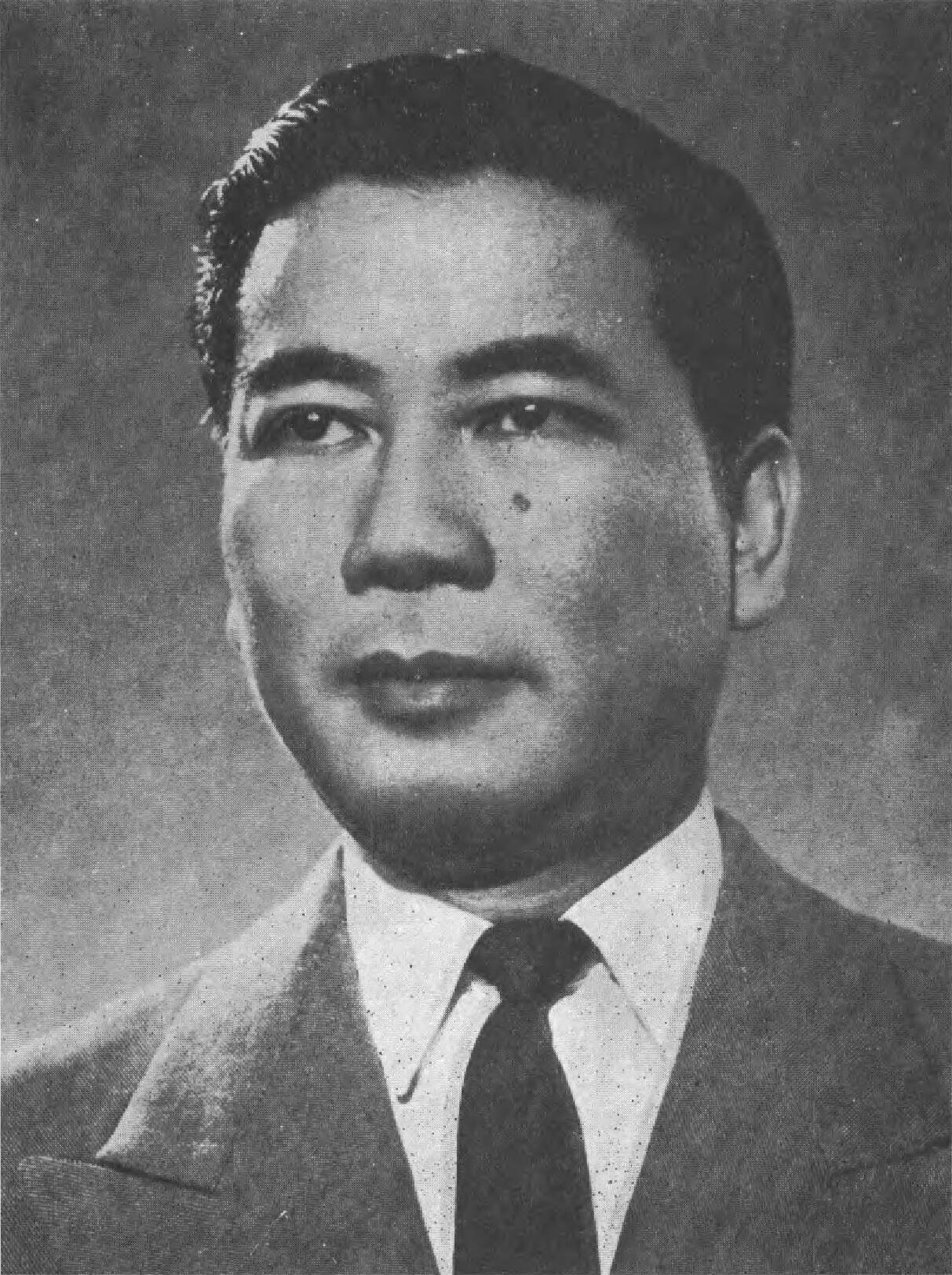
Ngô Đình Diệm
 Vietnam
Also known as: President Diệm, Ngô Đình Diệm
Birthday
January 3, 1901
Birth Sign
Capricorn
Birthplace
Phong Thủy, Quảng Bình Province, Vietnam
Age
Died at 62
About
Ngô Đình Diệm was a Vietnamese politician who served as the final prime minister of the State of Vietnam from 1954 to 1955 and then as the first president of the Republic of Vietnam, commonly known as South Vietnam, from 1955 until his assassination in 1963. He remains one of the most polarizing figures in modern Vietnamese history, remembered both for his staunch anti-communism and for the authoritarian methods that defined his rule.
Diệm's political philosophy, known as Person Dignity Theory, blended French Personalism with Confucian ideals of benevolent governance. He founded the Cần Lao Party to advance this vision. His presidency received substantial American backing, particularly after the Geneva Accords divided Vietnam in 1954. Yet his favoritism toward the Catholic minority and his brother's repressive tactics sparked the Buddhist crisis of 1963, which eroded domestic and international support.
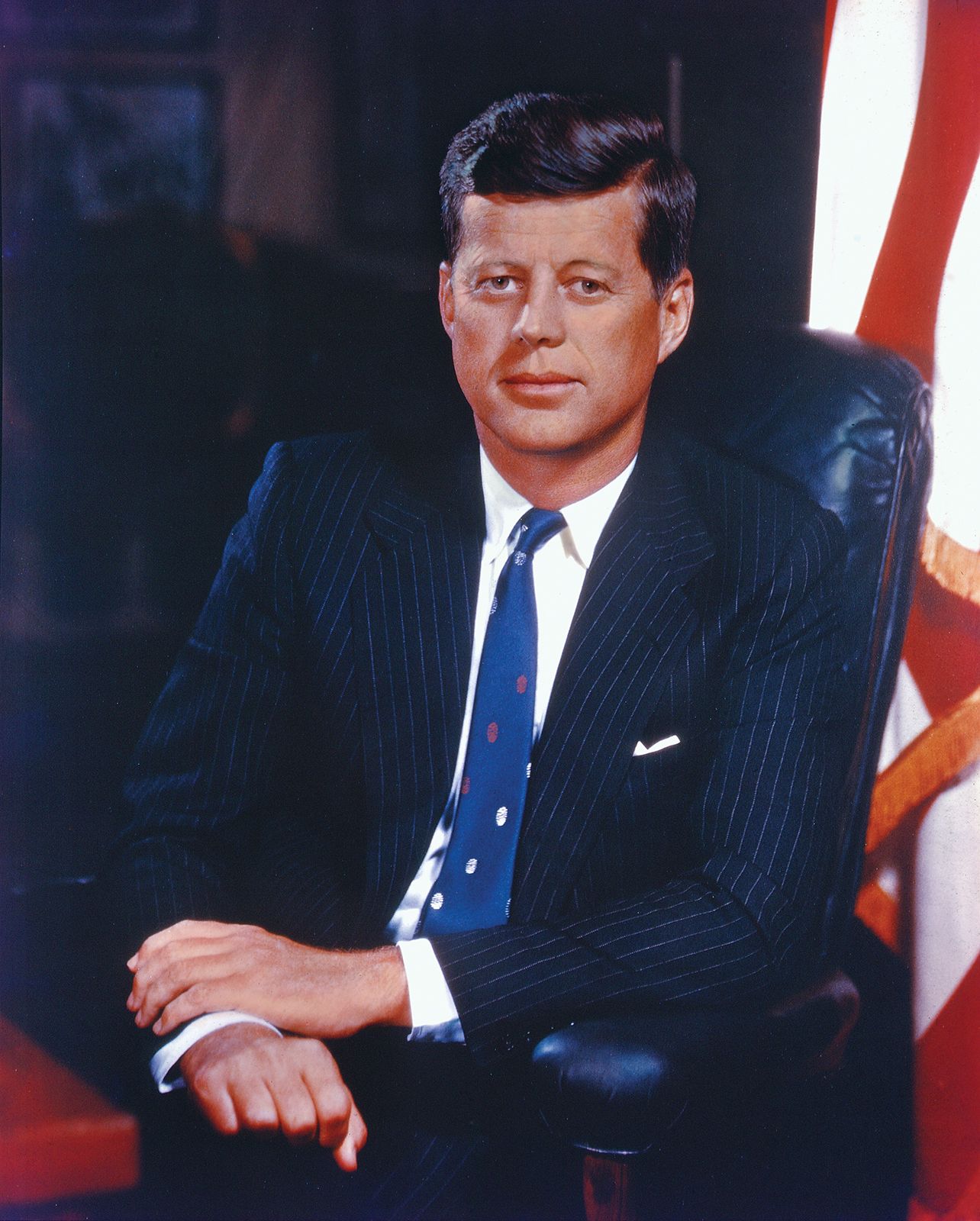
On November 2, 1963, Diệm was assassinated during a military coup that had tacit approval from the U.S. government. His death came just weeks before President John F. Kennedy's own assassination, and it marked a turning point in the Vietnam War. Today, historians continue to debate his legacy, with some viewing him as a genuine nationalist who resisted American domination and others as a dictator whose policies sowed the seeds of South Vietnam's collapse.
Early Life & Background
Ngô Đình Diệm was born on January 3, 1901, in Phong Thủy village, Quảng Bình Province, in central Vietnam. He was the fourth of eight children in a prominent Catholic family. His father, Ngô Đình Khả, served as a high-ranking mandarin and advisor to Emperor Thành Thái during the French colonial period. The family's Catholicism set them apart in a predominantly Buddhist country, and Diệm's early exposure to both Confucian tradition and Catholic doctrine shaped his later political ideology.
Diệm attended the Sacred Heart School and later the Pellerin School in Huế, the imperial capital. He initially considered entering the priesthood, but ultimately chose a career in the colonial civil service. His intelligence and diligence earned him rapid promotion. At 28, he was appointed governor of Bình Thuận Province, where he implemented land reforms and earned a reputation for honesty and efficiency. In 1933, Emperor Bảo Đại named him interior minister, but Diệm resigned after only three months, publicly denouncing the emperor as a French puppet. This act of defiance established his nationalist credentials and set him on a path of opposition to both colonial rule and the monarchy.
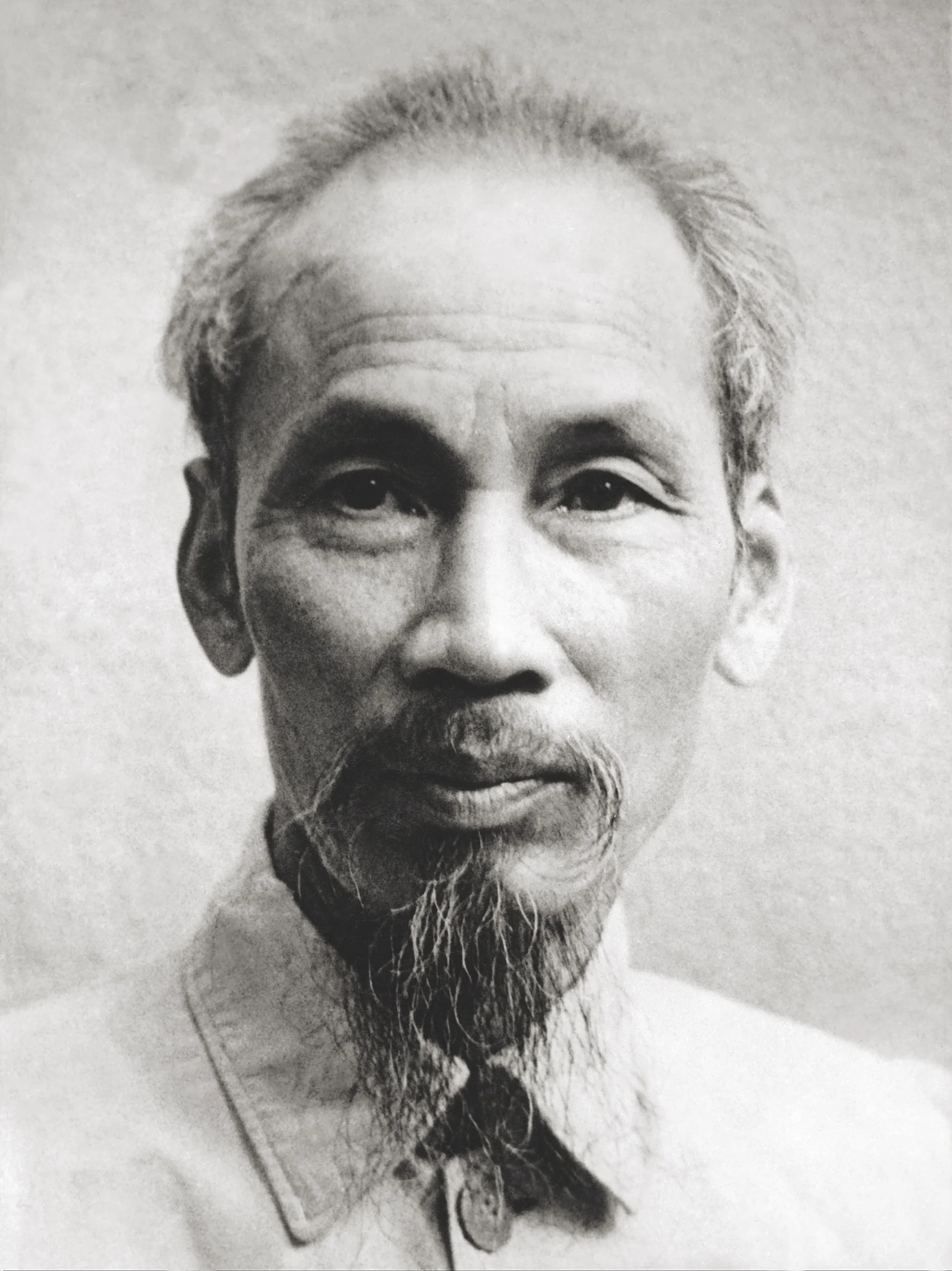
After the August Revolution of 1945, Diệm was captured by Viet Minh forces. Ho Chi Minh personally attempted to recruit him into the communist government, offering him a position as interior minister. Diệm refused, reportedly telling his captors that he would never serve a regime he considered treasonous. He went into exile in 1950, spending time in Japan, the United States, and Europe. During these years, he built relationships with influential Americans, including Cardinal Francis Spellman and Senator John F. Kennedy, which would later prove decisive in his rise to power.
Career Growth
Diệm returned to Vietnam in July 1954, days after the Geneva Accords formally divided the country at the 17th parallel. Emperor Bảo Đại appointed him prime minister, though the French were reluctant. With support from his brother Ngô Đình Nhu, who controlled the secret police, Diệm consolidated power in the south. In October 1955, he held a referendum against Bảo Đại that was widely condemned as fraudulent; official results showed him winning 98.2 percent of the vote, including 605,025 votes in Saigon against an electorate of only 450,000. He then proclaimed the Republic of Vietnam with himself as president.
His presidency focused on nation-building. He launched industrial projects, agrarian reforms, and rural development programs, and received substantial American economic and military aid. From 1957 onward, he faced a growing communist insurgency backed by North Vietnam. He survived an assassination attempt in 1957 at a fair in Ban Mê Thuột and a 1962 coup attempt by two air force pilots who bombed the presidential palace. In 1962, he introduced the Strategic Hamlet Program, modeled on British counterinsurgency tactics from the Malayan Emergency, which relocated rural populations into fortified villages.
The Buddhist crisis of 1963 proved his undoing. In May, government forces killed nine Buddhists in Huế during celebrations of Buddha's birthday, after authorities banned flying religious flags. The crisis escalated in June when monk Thích Quảng Đức immolated himself in Saigon, an image that shocked the world. Diệm's brother Nhu, with inflammatory comments from his wife Madame Nhu, who dismissed the immolations as "barbecues," further alienated the public. The U.S. government, led by President Kennedy, grew frustrated with Diệm's refusal to implement reforms and signaled support for a military coup. On November 1, 1963, generals launched the coup with CIA backing. Diệm and Nhu escaped through a secret tunnel but were captured the next day and assassinated in an armored personnel carrier on orders from General Dương Văn Minh.
Career Timeline
Public Image & Style
Ngô Đình Diệm projected an image of ascetic, austere leadership. He typically appeared in a white suit or traditional Vietnamese áo dài over Western dress, a style that conveyed both his nationalist pride and his Catholic moral absolutism. His public persona merged Confucian paternalism with Catholic strictness, and he was known for his personal honesty and dedication to duty. However, his perceived favoritism toward Catholics and his brother's repressive tactics led many to view him as a dictator. Western media at the time of his death labeled him a tyrant, while South Vietnamese opinions varied. Historians have increasingly challenged the "American puppet" myth, arguing that Diệm was a fierce nationalist who resisted American interference. His legacy remains deeply contested, with some viewing him as a defender of Vietnamese tradition and others as a symbol of authoritarian misrule.
Fame & Fandom (iFAMOUS Rankings)
Ngô Đình Diệm stands as a towering, polarizing figure in the annals of Southeast Asian history, his legacy cemented by a violent end and a complex political ascent. According to the iFANN Global Fame Rankings, he currently holds the position of the 5th most famous person in Vietnam, a standing he has maintained with remarkable stability across recent cycles. This prominence extends beyond national borders, marking him as the 5th most famous person from Vietnam globally and placing him at the 15th most famous person in Southeast Asia. These placements reflect a sustained global attention that tracks media coverage, search trends, and cultural consumption signals worldwide. His story remains a focal point for historians and students alike, ensuring his name persists in educational curricula and documentary films decades after his death. Despite the passage of time, public interest in his life does not wane; it fluctuates with new historical revelations and geopolitical analyses. Yet, unlike modern celebrities who cultivate adoring crowds, Diệm commands a different kind of audience. There is no formal fanbase or organized group of supporters bearing a specific moniker dedicated to his memory. While digital platforms host biographical videos garnering hundreds of thousands of views and occasional memorial services occur, these instances represent historical curiosity rather than an active fandom. The absence of fan clubs, charity drives, or ritualistic gatherings underscores the nature of his enduring presence: he is remembered as a subject of intense historical debate rather than a pop-culture icon. His image evokes strong reactions, ranging from reverence for his anti-communist stance to condemnation of his authoritarian methods, but this polarization precludes the formation of a unified, celebratory community.
Interesting Facts and Legends
Diệm lived a life defined by strict personal discipline and deep religious conviction. He was a lifelong vegetarian who attended Mass every single day, reflecting a Catholic faith so profound he once considered entering the priesthood. Throughout his entire life, he remained celibate. In a pivotal moment of 1945, he rejected an offer to join Ho Chi Minh's government, reportedly telling Viet Minh representatives that he would never serve a communist regime. His administration faced significant backlash due to perceived favoritism toward Catholics, exacerbated when his brother, Ngô Đình Thục, became the archbishop of Huế in 1960, a move that inflamed tensions in the Buddhist heartland. Diệm survived multiple attempts on his life, including a bombing at a fair in Ban Mê Thuột in 1957 and a 1962 coup attempt where two air force pilots bombed the presidential palace. The final chapter of his life ended in November 1963 during a military coup backed by the United States. While radio broadcasts initially claimed he and his brother committed suicide, later accounts and historical consensus indicate they were murdered by their own captors. A 2023 documentary titled *The Lost Mandate of Heaven* revisits the startling story of his rise and fall, while a 2025 National Security Archive briefing details the intricate plot against him. His last words, according to some versions, were addressed to his assassins: "Ông đã làm được điều anh em muốn," meaning "You have done what you brothers wanted."
Notable Quotes
“I know my people better than the Americans do.”
“The Buddha was not a Vietnamese. He was an Indian.”
Family & Personal Life
Ngô Đình Diệm never married and had no children. He came from a large family of eight siblings. His father, Ngô Đình Khả, was a mandarin and Catholic convert who served as an advisor to Emperor Thành Thái. His mother was a devout Catholic who instilled religious discipline in her children. Among his siblings, the most prominent were Ngô Đình Nhu, his younger brother and chief political advisor who headed the secret police and was assassinated alongside Diệm in 1963; Ngô Đình Thục, who became the Catholic archbishop of Huế; Ngô Đình Cẩn, who controlled central Vietnam's political machine; and Ngô Đình Luyện, a diplomat and ambassador. His sister-in-law, Madame Nhu, served as the de facto First Lady of South Vietnam due to Diệm's bachelorhood, hosting official events and wielding considerable political influence.
Notable Connections
Ngô Đình Diệm's political career was shaped by his relationships with his family and international figures. His brother Ngô Đình Nhu served as his chief political advisor and head of the secret police, and was assassinated alongside him. Madame Nhu, Nhu's wife, acted as de facto First Lady and made inflammatory public statements during the Buddhist crisis. Diệm's brother Ngô Đình Thục, archbishop of Huế, contributed to Buddhist grievances. His rivalry with Emperor Bảo Đại and his adversarial relationship with Ho Chi Minh defined Vietnamese politics. U.S. President John F. Kennedy approved the coup that led to Diệm's death, with Ambassador Henry Cabot Lodge Jr. facilitating it. General Dương Văn Minh ordered the assassination. The self-immolation of Thích Quảng Đức was a pivotal moment that turned public opinion against Diệm.
Relationships & Dating History
Ngô Đình Diệm never married and had no known romantic relationships. As a devout Catholic who had once considered the priesthood, he remained celibate throughout his life. There are no documented romantic partners, engagements, or relationships in any credible historical source. His household was run by his sister-in-law Madame Nhu, who served as official hostess and de facto First Lady. The closest relationship in his personal life was with his brother Ngô Đình Nhu, who was his most trusted confidant and political partner. At the time of his death in 1963, Diệm was unmarried and had no children.
Death & Aftermath
Died
November 2, 1963 (aged 62)
Death Place
Saigon, South Vietnam
Cause of Death
Multiple gunshot wounds
Rebel soldiers captured Ngô Đình Diệm and his brother Ngô Đình Nhu in a secret tunnel beneath the palace on the morning of November 2, 1963, transporting them to an armored personnel carrier at Tan Son Nhut Air Base. Inside the vehicle or immediately upon arrival, the two men were executed by fellow soldiers who had launched the coup the previous day. While the military junta initially claimed the deaths resulted from friendly fire or a suicide pact during an escape attempt, later testimonies confirmed they faced summary execution by order of General Dương Văn Minh. The public reaction in Saigon was sharply divided; Buddhists and urban dwellers celebrated with street dancing, while Catholic supporters mourned the president as a martyr against communism.
President John F. Kennedy expressed shock at the news, calling it a great blow, even as he had privately supported the removal of the regime. The bodies were reportedly dumped in a ditch before being buried in a private cemetery, though the exact location remains unconfirmed. Over time, Diệm has been commemorated in diaspora communities through statues and streets named after him, alongside scholarly works like The Lost Mandate of Heaven that re-examine his presidency.
Net Worth (Estate Value)
$1 Million
iFANN Editorial Team estimate
As a political leader who held public office from 1954 to 1963, Ngô Đình Diệm did not accumulate personal wealth in the manner of modern celebrities. He lived modestly, adhered to a vegetarian diet, and avoided commercial ventures entirely. Following his assassination, his family's properties in Vietnam were seized after the communist takeover in 1975. The Ngô Đình family estate has generated no significant income through royalties or intellectual property. As of 2026, any financial assessment of Diệm is essentially academic; his historical value far exceeds any monetary figure. Per iFANN's editorial analysis, the estate's current value is estimated at around $1 Million, primarily reflecting the historical significance of his personal papers and artifacts rather than liquid assets.
Awards & Accolades
View 2 records, honours and achievementsKnown For
First President of South Vietnam
1955 · President
Strategic Hamlet Program
1962 · Architect
Buddhist Crisis
1963 · Central figure
Keywords
Sources
Quick Facts
- Profession
- politician
- Born
- January 3, 1901
- Birthplace
- Phong Thủy, Quảng Bình Province, Vietnam
- Died
- November 2, 1963
- Death Place
- Saigon, South Vietnam
- Gender
- Male
- Birth Sign
- Capricorn
- Religion
- Roman Catholic
Personal Details
- Full Name
- Ngô Đình Diệm
- Education
- Sacred Heart School, Pellerin School (Huế)
Frequently Asked Questions
Why was Ngo Dinh Diem assassinated?
Was Ngo Dinh Diem a good leader?
Did Ngo Dinh Diem have a wife or children?
How did Ngo Dinh Diem die?
What was Ngo Dinh Diem's religion?
Join the community
fans discussing