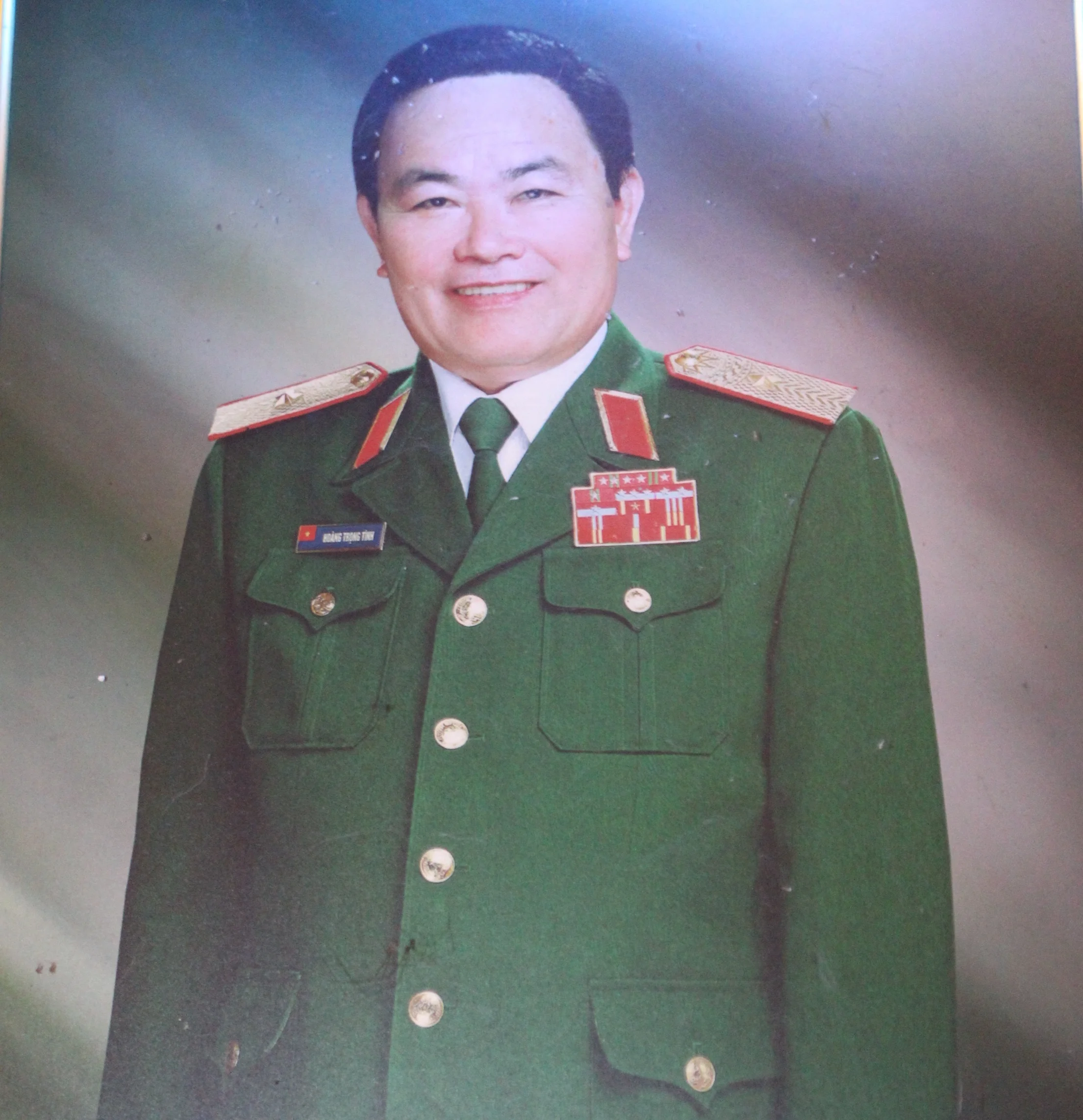
Duong Van Minh
 Vietnam
Also known as: Big Minh, Dương Văn Minh
Birthday
February 16, 1916
Birth Sign
Aquarius
Birthplace
Mỹ Tho, Vietnam
Age
Died at 85
Height
6 ft 0 in (183 cm)
About
Dương Văn Minh, universally known by his nickname "Big Minh," was a senior general in the Army of the Republic of Vietnam (ARVN) and a prominent political figure. Born in Mỹ Tho province, he rose through the military ranks to become one of the most pivotal figures in the history of the Vietnam War. He served as the fourth and final President of South Vietnam from April 28 to April 30, 1975, before surrendering to North Vietnamese forces.
Standing approximately 6 feet tall and weighing nearly 200 pounds, his imposing physical stature earned him the moniker that defined his public persona. He is historically significant for orchestrating the 1963 coup against President Ngô Đình Diệm and serving as the head of a military junta. His career spanned decades of turbulent politics, culminating in the final days of the war when he made the controversial decision to surrender unconditionally, an act that ended the conflict but left his legacy deeply debated.
Early Life & Background
Dương Văn Minh was born on February 16, 1916, in Mỹ Tho, a city in the Mekong Delta region of southern Vietnam. His father, Dương Văn Huề, worked as a teacher under the name Dương Văn Mau during Minh's childhood. Minh entered the French colonial military system early in life, a common path for ambitious young men in colonial Vietnam seeking advancement.
During World War II, he served in the French Army. In a defining early-life event, he was captured by Japanese forces while serving with the French, an experience that shaped his later political and military outlook. Following the war, he joined the French-backed Vietnamese National Army, marking the beginning of his ascent within the South Vietnamese military hierarchy. By the 1950s, he had established himself as a capable commander, playing a decisive role in defeating the Bình Xuyên paramilitary group and dismantling the Hòa Hảo private army in 1955. These victories boosted his popularity but also marked him as a potential rival to Prime Minister Ngô Đình Diệm.
Career Growth
In November 1963, amidst growing unrest and the failure of Diệm's regime to manage the Buddhist crisis and communist insurgency, Minh spearheaded a military coup. Operating as a marginalized general who had been sidelined for over a decade prior to this moment, he orchestrated the overthrow of Diệm with tacit approval from the Kennedy administration. The coup resulted in the assassination of Diệm and his brother, Ngô Đình Nhu. Following the coup, Minh headed a military junta for three months. However, his leadership was widely criticized for indecisiveness, allowing the Viet Cong to make significant advances. In January 1964, General Nguyễn Khánh ousted Minh in a bloodless coup, exiling him for a period.
Minh returned to the political scene in the late 1960s. He challenged General Nguyễn Văn Thiệu in the 1971 presidential election but withdrew when it became evident the election would be rigged. He advocated for a "third force" in Vietnamese politics, seeking a unifying alternative between the hardline Saigon government and the communist North. His most defining historical moment occurred in April 1975. As South Vietnam faced imminent collapse, Minh was installed as the fourth and last President on April 28, 1975. On April 30, 1975, he made the controversial decision to surrender unconditionally to North Vietnamese forces at the Saigon Radio Station. This act ended the Vietnam War and the Republic of Vietnam. While some view him as a pragmatist who saved lives by preventing further devastation, others in the exile community labeled him a traitor for surrendering prematurely.
Career Timeline
Public Image & Style
Minh was known for his imposing physical stature and his role as a pragmatic leader during times of extreme crisis. His nickname "Big Minh" reflected both his size and his commanding presence in the military hierarchy. Media descriptions from the time, such as those in the New York Times, often characterized him as a "patient Vietnamese leader" who had been sidelined for years before stepping in to stabilize the chaotic final days. His public image remains polarized; he is viewed either as a hero who prevented further bloodshed or as a traitor who surrendered prematurely, depending on the political perspective of the observer.
Fame & Fandom (iFAMOUS Rankings)
Dương Văn Minh stands today as the 63rd most famous person in Vietnam and the 10th most famous person from Vietnam, holding these positions steady within the iFANN Global Fame Rankings. These placements reflect a legacy that has endured for decades, tracking global attention across media coverage, search, and consumption signals worldwide without fading into obscurity. His name remains instantly recognizable, anchored by pivotal moments that defined a nation's history rather than fleeting pop culture trends.
Despite his historical prominence, there is no formal or unofficial fandom name associated with him, nor does he possess an organized fanbase in the modern sense of streaming parties or birthday campaigns. The general died in 2001, long before the era of digital fan communities, and his interactions were strictly political and military during his lifetime. Recent news reports sometimes mention a group called the "Duong Van Minh religion," but this refers to a specific religious sect targeted by authorities for eradication in 2022 and 2024, not a secular fan club dedicated to his life or career. Consequently, the audience for his memory consists of historians and those studying the Vietnam War, rather than a community engaged in rituals or chart pushes.
Interesting Facts and Legends
Before the 1963 coup, Minh had been effectively sidelined and marginalized for over a decade, lacking a direct command of troops despite his rank. His surrender on April 30, 1975, was broadcast live, marking the end of the Vietnam War and the birth of the Socialist Republic of Vietnam. Despite his role in ending the war, he was spared harsh punishment by the North Vietnamese, unlike many other high-ranking South Vietnamese officials. He spent his final decades in exile in the United States, living quietly in California until his death. The nickname "Big Minh" was not just a title but a reflection of his imposing physical presence, standing around six feet tall and weighing nearly 200 pounds.
Notable Quotes
“He reportedly stated that he surrendered to prevent further bloodshed and destruction, aiming to protect the civilian population.”
“A New York Times article from 1975 described him as a "patient Vietnamese leader" who had been sidelined for years before stepping in to stabilize the chaotic final days.”
Family & Personal Life
Public records regarding Dương Văn Minh's personal romantic life are scarce, consistent with the privacy norms of high-ranking military officials in mid-20th century Vietnam. There is no documented evidence of marriages, engagements, or public dating relationships in available biographical sources. Unlike modern celebrities, Minh did not have a public dating history reported in media archives. Consequently, there are no confirmed children from public romances. He lived quietly in exile in the United States after the fall of Saigon, surviving on the pensions and support of fellow exiles until his death.
Notable Connections
Relationships & Dating History
Public records regarding Dương Văn Minh's personal romantic life are scarce, consistent with the privacy norms of high-ranking military officials in mid-20th century Vietnam. There is no documented evidence of marriages, engagements, or public dating relationships in available biographical sources. Unlike modern celebrities, Minh did not have a public dating history reported in media archives. Consequently, there are no confirmed children from public romances, nor any current relationship status, as he passed away in 2001. He lived quietly in exile in the United States after the fall of Saigon, surviving on the pensions and support of fellow exiles until his death.
Death & Aftermath
Died
August 6, 2001 (aged 85)
Death Place
Pasadena, California, USA
Cause of Death
Complications from a long-term illness
Dương Văn Minh passed away on August 6, 2001, at Huntington Memorial Hospital in Pasadena, California. He was 85 years old at the time of his death. The official cause was reported as complications from a chronic illness that had confined him to a wheelchair for many years before he died. His passing was confirmed by Vietnamese media outlets citing hospital sources and family statements.
Following his death, tributes from historical circles acknowledged his complex legacy as the last president of South Vietnam and a pivotal figure in the 1963 coup against Ngo Dinh Diem. However, his reputation remained polarized; in Vietnam, references to him were often sensitive, with authorities distinguishing him from a religious sect bearing his name. In 2021, police arrested followers of a religious group named "Duong Van Minh" during the founder's funeral, though this sect is distinct from the politician himself. A 2024 report noted that Vietnam claimed to have eliminated this specific Hmong-related religious sect, further clarifying that the name was being used by a separate entity. No major posthumous releases, estate management controversies, or legal proceedings followed his death beyond standard probate procedures typical for individuals of his era.
Net Worth (Estate Value)
$0
iFANN Editorial Team estimate
As a military general and politician who lived in exile from 1975 until his death in 2001, Dương Văn Minh did not accumulate wealth through commercial ventures, endorsements, or business holdings. His financial status during his lifetime was likely that of a standard military officer, relying on salary and pension. Any assets held by his estate would have been managed by his heirs or the state, but no public records detail specific estate values or posthumous earnings. iFANN currently estimates X's net worth at approximately $0 based on the lack of commercial assets or estate value documentation.
Awards & Accolades
Known For
South Vietnam Presidency
1975 · President
1963 Coup
1963 · Military Leader
Keywords
Sources
Quick Facts
- Profession
- politician
- Born
- February 16, 1916
- Birthplace
- Mỹ Tho
- Died
- August 6, 2001
- Death Place
- Pasadena
- Gender
- Male
- Birth Sign
- Aquarius
Personal Details
- Full Name
- Dương Văn Minh
- Height
- 6 ft 0 in (183 cm)
- Children
- Education
- French colonial military system
Frequently Asked Questions
Who was Dương Văn Minh?
When did Dương Văn Minh die?
Why is he called "Big Minh"?
Did Dương Văn Minh have children?
What happened to the "Duong Van Minh religion"?
Similar People

Join the community
fans discussing