
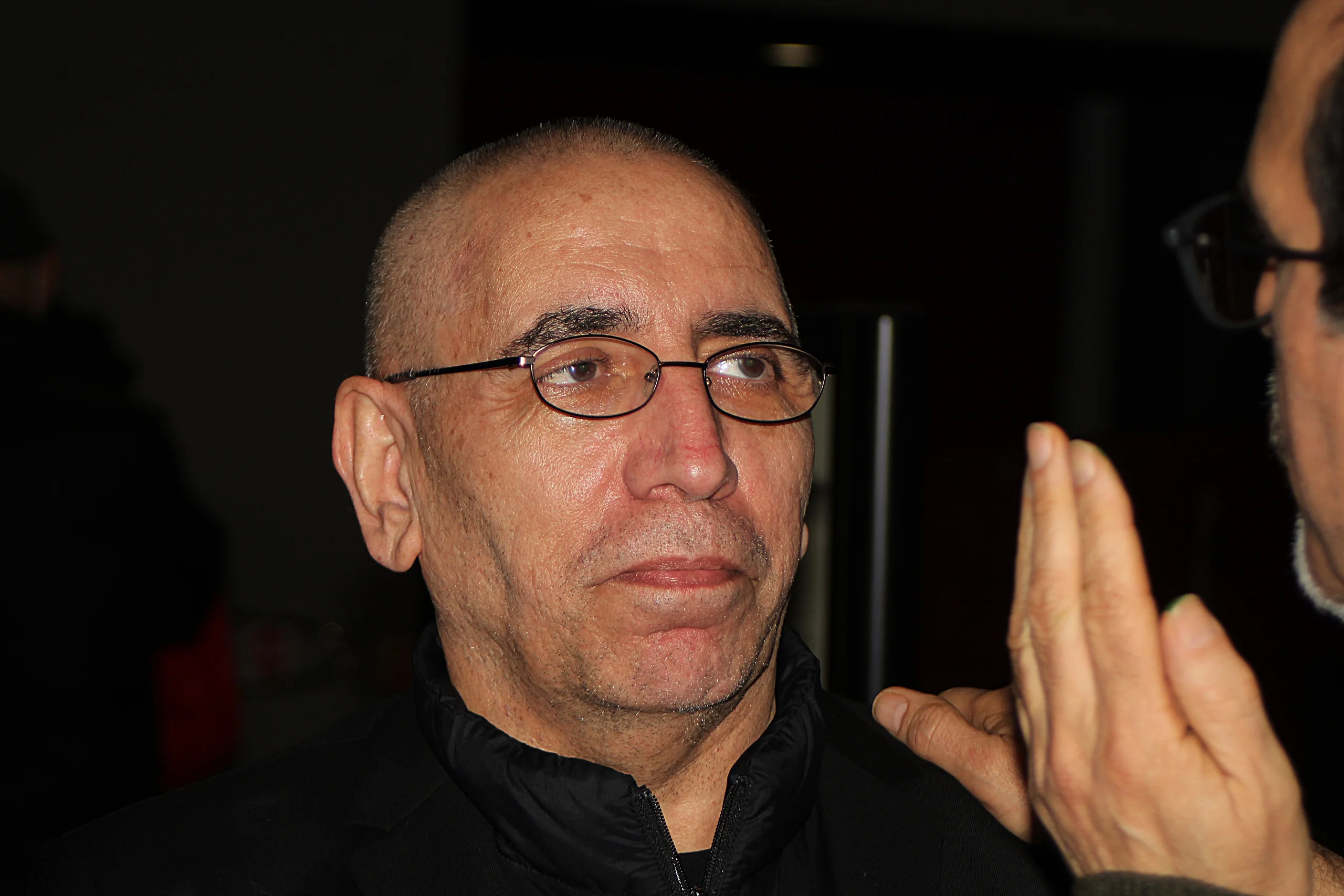
Mohsen Makhmalbaf
 Iran
film director•screenwriter•editor•producer
Birthday
May 29, 1957
Birth Sign
Sagittarius
Birthplace
Tehran, Iran
Age
69 years old
About
Mohsen Makhmalbaf is an Iranian film director, screenwriter, editor, and producer who stands as a seminal figure in the New Wave of Iranian cinema. Born in Tehran on May 29, 1957, he has directed over twenty feature films and garnered more than fifty international awards throughout his career. His work is defined by a profound transformation from political radicalism to artistic pacifism, a journey that has become central to his global reputation. He currently resides in Paris, where he continues to produce and direct while maintaining strong ties to the Iranian film community.
Today, Makhmalbaf is recognized not only for his cinematic achievements but also for his role in mentoring a new generation of filmmakers through the Makhmalbaf Film House. His recent activities include serving as Jury President for major festivals like the Vesoul International Film Festival in 2024 and presenting new works at the Busan International Film Festival. Critics and audiences alike view him as a philosopher-artist whose films explore deep ethical questions about violence, redemption, and human nature.
Early Life & Background
Mohsen Makhmalbaf grew up in a working-class family in Tehran, leaving formal education at the age of fifteen to help support his household. Before finding his voice in cinema, he worked various jobs including selling vegetables and running a small shop. His early life was dominated by intense political activism following the 1979 Islamic Revolution. At just twenty-two years old, he joined a guerrilla group dedicated to overthrowing the Shah's regime.
The defining moment of his pre-fame life occurred on April 28, 1979, when he attempted to assassinate Mohammad Reza Pahlavi outside the Shah's residence in Mashhad. The bullet missed the Shah but struck a bystander. Makhmalbaf was arrested, sentenced to death, and spent several months in prison awaiting execution. It was during this time of incarceration that he experienced a profound spiritual awakening. He renounced violence and turned to cinema as a means of exploring truth and human nature rather than inflicting harm. This pivotal transformation set the stage for his future career as one of the world's most unique storytellers.
Career Growth
After his release from prison, Makhmalbaf founded the Makhmalbaf Film House, which became a hub for Iranian independent cinema. His first feature film, The Cyclist, released in 1989, won the Caméra d'Or at the Cannes Film Festival, marking his entry into the international spotlight. However, his true breakthrough arrived with the 1996 masterpiece A Moment of Innocence. In this meta-cinematic work, he reenacted his assassination attempt using the actual police officer who had arrested him, creating a powerful dialogue between past violence and present reconciliation.
The late 1990s saw him solidify his status with films like Kandahar (2001), which was selected for the Venice Film Festival and included in Time magazine's list of the top 100 films ever made. Other notable works from this period include The Silence (1998) and Gabbeh (1996). In the 2000s, he expanded his reach with documentaries like The Gardener (2004) and dramas such as The President (2014). Facing increasing pressure within Iran, he left the country permanently in 2005, settling in Paris. Since then, he has continued to direct and produce from exile, often collaborating with his children. In February 2024, he was named Jury President of the 30th Vesoul International Film Festival of Asian Cinema, reaffirming his standing in the global film community.
Career Timeline
Public Image & Style
Makhmalbaf is known for a modest, intellectual demeanor, often wearing traditional or simple Western attire. He presents himself as a philosopher-artist deeply engaged in ethical questions rather than celebrity culture. Media portrayals frequently highlight the irony of his past as a would-be assassin who transformed personal trauma into universal art. His public image is that of a survivor of political turmoil who uses cinema to explore truth and redemption. Unlike many directors who seek fame, Makhmalbaf focuses on the transformative power of art and the importance of peace.
Fame & Fandom (iFAMOUS Rankings)
The audience surrounding Mohsen Makhmalbaf consists of cinephiles, film students, academics, and festival-goers who gather primarily within the global art-house circuit. His following is defined by intellectual engagement rather than celebrity worship, with fans engaging through deep analysis of themes like revolution, censorship, and redemption. There is no formal name for his fanbase, reflecting the serious, scholarly approach to his work. These devotees treat his films as essential study material for understanding social justice and political allegory in cinema. The absence of a mass-market cult means his legacy is carried by those who seek truth-telling through neorealist aesthetics. The iFANN Global Fame Rankings track this enduring global attention. Mohsen Makhmalbaf is currently evaluated by the engine but not placed in the Top 1,000. He is not on the September 2026 iFAMOUS Rankings flagship list.
Interesting Facts and Legends
Mohsen Makhmalbaf's life story contains elements that seem too dramatic for fiction. The most famous legend surrounding him is the 1979 assassination attempt, which he later reenacted in his own film. Another unique fact is that he served as both a juror and a participant at major festivals like Venice and Cannes multiple times. His film The Gardener features a real-life blind gardener, seamlessly blending documentary and fiction. The entire Makhmalbaf family forms a cinematic dynasty; his wife Marzieh Meshkini and three of their children, Samira, Hana, Majid, and Sayed Mohsen, are all acclaimed filmmakers. This phenomenon is often compared to the Coppola or Brando families but rooted in a distinct political context. Fans still retell the story of how he cast the very officer who shot him in his arrest as himself in A Moment of Innocence.
Notable Quotes
“We are first human beings, then Iranians, then Muslims.”
“Cinema is like religion... it is a way to see the world.”
“I tried to kill the Shah because I thought I was saving my country. Now I make movies to save people's souls.”
Family & Personal Life
Mohsen Makhmalbaf is married to Marzieh Meshkini, a prominent Iranian filmmaker who shares his commitment to humanistic storytelling. They met through the film community in Iran and have collaborated extensively on numerous projects. Their partnership is characterized by a shared dedication to social justice and ethical filmmaking. The couple has four children who are all involved in the film industry, creating a true cinematic dynasty. Their daughter Samira Makhmalbaf is an acclaimed director known for Apple (1998), while their daughter Hana Makhmalbaf directed Buddha Collapsed Out of Shame (2008). Their sons, Majid and Sayed Mohsen, are also actors and directors. Despite living in exile in Paris, the family maintains strong ties to the Iranian film community globally.
Notable Connections
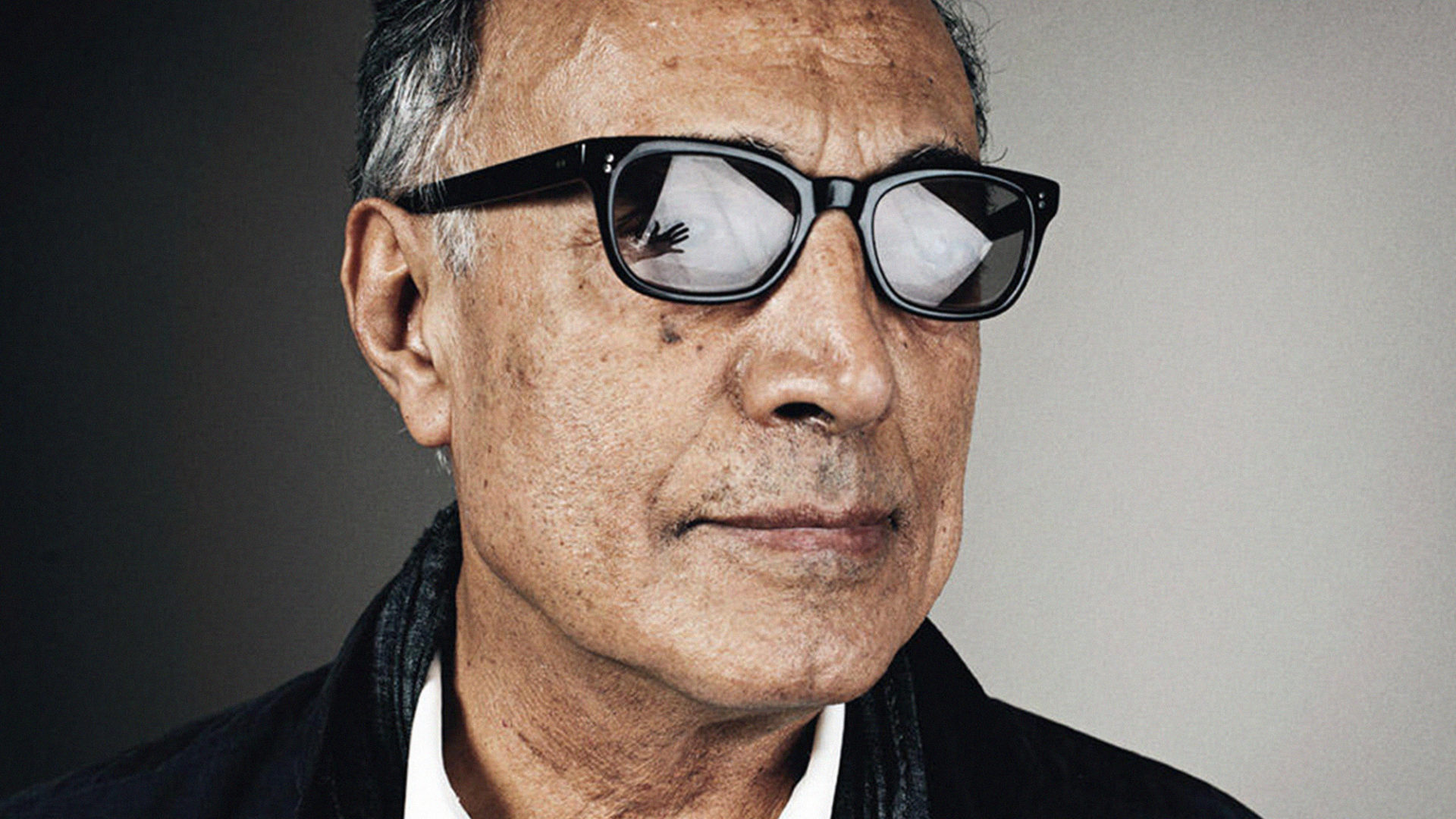
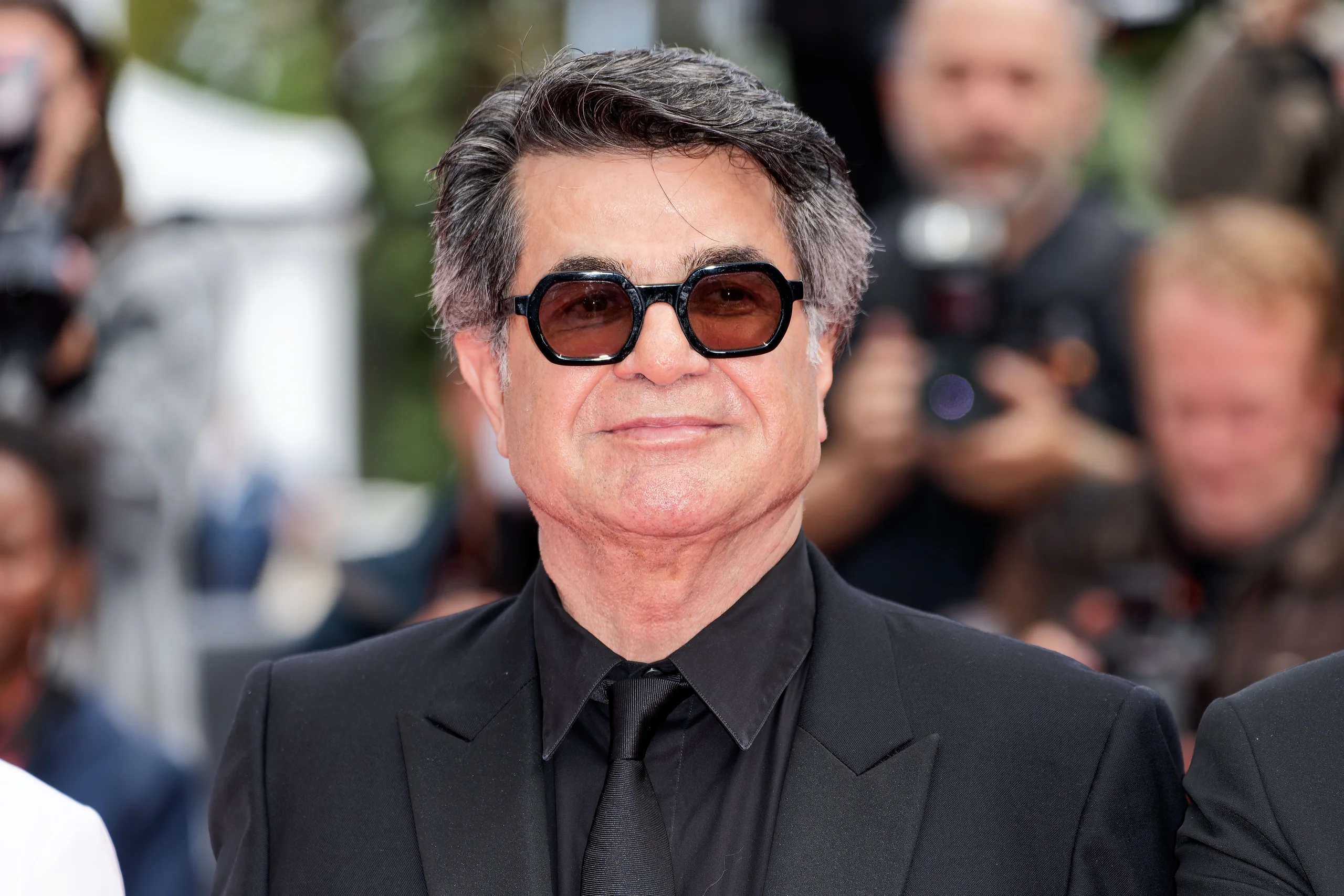
Marzieh Meshkini, Samira Makhmalbaf, Abbas Kiarostami, Jafar Panahi
Relationships & Dating History
Mohsen Makhmalbaf has been married to Marzieh Meshkini for decades, forming one of the most significant partnerships in Iranian cinema. They met through the film community in Iran and have collaborated on numerous projects, including her film The Day I Became a Woman, which was produced by Makhmalbaf. Their relationship is characterized by a shared commitment to humanistic storytelling and social justice. Public records indicate no credible reports of previous marriages or public romantic relationships prior to his marriage to Meshkini. As of late 2026, Mohsen Makhmalbaf remains married to Marzieh Meshkini. The couple resides in Paris but maintains strong ties to the Iranian film community globally. Their professional collaboration extends to their children, who are all involved in the film industry.
- MarriedMarzieh MeshkiniCurrentMet through the film community in Iran; extensive professional collaboration.
Salary, Net Worth In 2026
$10 Million
iFANN Editorial Team estimate
iFANN currently estimates Mohsen Makhmalbaf's net worth at approximately $10 million. This figure reflects his prolific output of over twenty films, extensive international sales, and the success of his production company, the Makhmalbaf Film House. Unlike commercial directors who rely on massive box office returns, Makhmalbaf's wealth stems from critical acclaim, international licensing deals, and royalties from his film catalog. His ongoing work includes teaching workshops and producing projects for his children, which generate steady revenue streams. Real estate holdings in Paris and potential assets managed remotely in Iran contribute to his financial standing. As of 2026, his estate remains stable, supported by the enduring popularity of his work in academic and festival circuits.
Awards Won (7)
Mohsen Makhmalbaf has won over 50 international awards. Key wins include the Caméra d'Or at Cannes for The Cyclist, the FIPRESCI Prize at Venice for Kandahar, and the Silver Bear at Berlin for The Silence. He received the Golden Leopard at Locarno for The Gardener and the Audience Award at San Sebastián for Kandahar. He was also honored with the Honorary Golden Lion at Venice in 2006 and the Crystal Simorgh for Lifetime Achievement at the Fajr International Film Festival.
1989 · Best First Work
The Cyclist
1998 · Best Film
The Silence
Known For
A Moment of Innocence
1996 · Director
Kandahar
2001 · Director
The Cyclist
1989 · Director
The Silence
1998 · Director
Keywords
Sources
Quick Facts
- Profession
- writer, film director, film producer
- Born
- May 29, 1957
- Birthplace
- Tehran, Iran
- Gender
- Male
- Spouse
- Marzieh Meshkini
- Birth Sign
- Sagittarius
Personal Details
- Full Name
- Mohsen Makhmalbaf
- Spouse
- Marzieh Meshkini
- Children
- Samira Makhmalbaf · Hana Makhmalbaf · Majid Makhmalbaf · Sayed Mohsen Makhmalbaf
- Education
- None (Left school at age 15)
Filmography
24
Total
22
Film
2
TV
Frequently Asked Questions
Did Mohsen Makhmalbaf try to kill the Shah?
Who is Mohsen Makhmalbaf married to?
Does Mohsen Makhmalbaf have children in the film industry?
Where does Mohsen Makhmalbaf live now?
What is Mohsen Makhmalbaf's most famous movie?
Social Media
Join the community
fans discussing