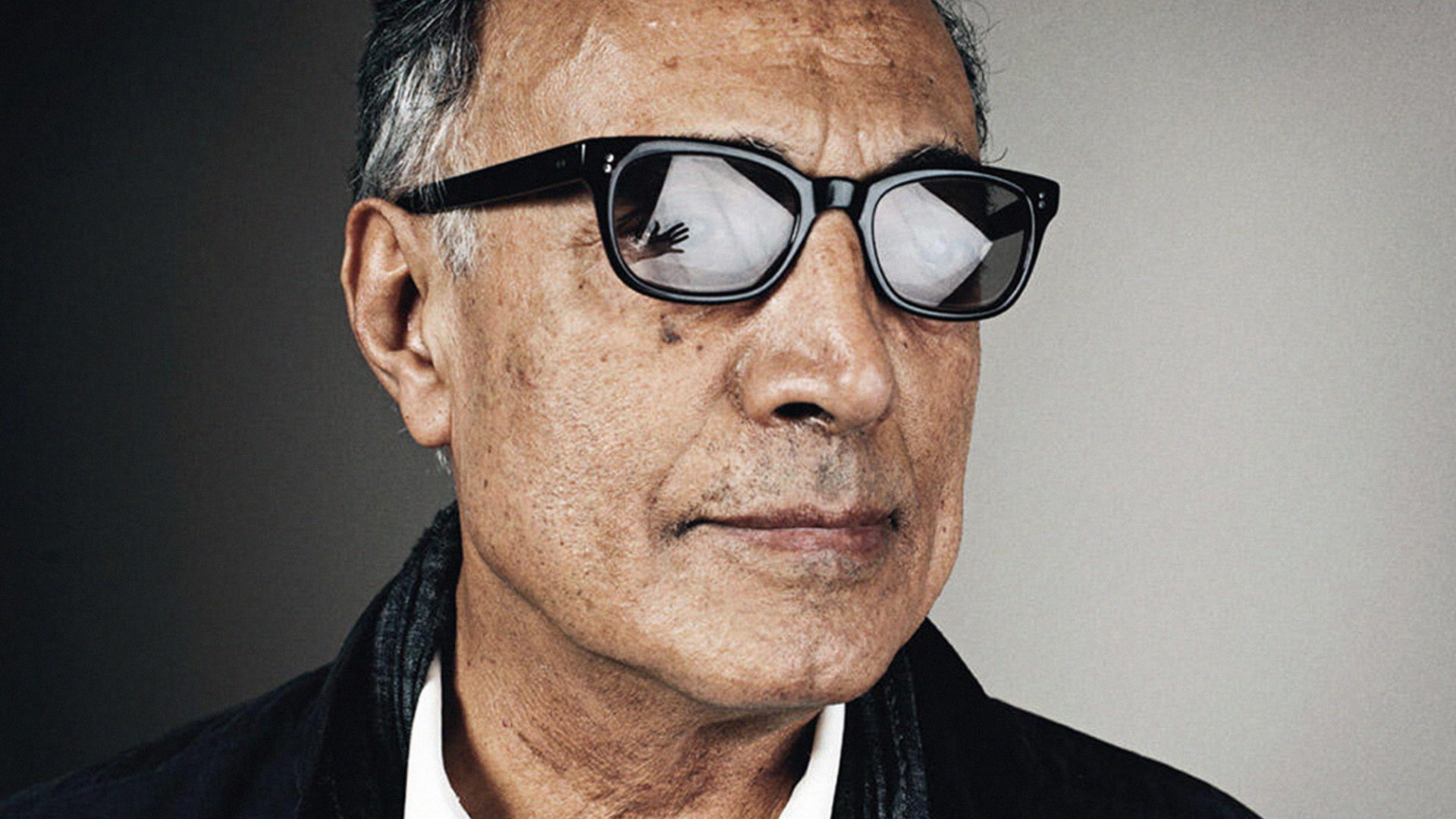
Abbas Kiarostami
 Iran
Iranfilm director•screenwriter•poet•photographer
Birthday
June 22, 1940
Birth Sign
Cancer
Birthplace
Tehran, Iran
Age
Died at 76
About
Abbas Kiarostami was an Iranian film director, screenwriter, poet, and photographer, widely regarded as one of the most influential figures in world cinema. Over a career spanning nearly five decades, he made more than forty films, including shorts and documentaries. He gained international acclaim for the Koker trilogy (1987–1994), Close-Up (1990), Taste of Cherry (1997), which won the Palme d'Or at Cannes, and The Wind Will Carry Us (1999). His later works, Certified Copy (2010) and Like Someone in Love (2012), were shot in Italy and Japan, marking his first films made outside Iran. Kiarostami's films were named among the 100 best foreign films in a 2018 BBC Culture poll, and Close-Up ranked among the 50 greatest movies ever in Sight & Sound's 2012 poll. He is considered a master of Iranian New Wave cinema, known for his poetic, philosophical style that blends fiction and documentary.
Kiarostami's work often featured child protagonists, rural settings, and conversations inside cars, with a stationary camera. Persian poetry infused his dialogue and themes, exploring life, death, change, and continuity. He also worked as a photographer and poet, publishing several collections. Kiarostami died on July 4, 2016, in Paris, at the age of 76, leaving behind a profound legacy that continues to inspire filmmakers worldwide.
Early Life & Background
Born in Tehran in 1940, Kiarostami grew up in a middle-class family. From a young age, he showed an interest in art, drawing and painting. He studied painting and graphic design at the University of Tehran's School of Fine Arts, graduating in the 1960s. While still a student, he began working in advertising, designing posters and creating commercials for Iranian television. He also illustrated children's books and designed film credit sequences, which honed his visual storytelling skills.
In 1969, Kiarostami was invited to establish a film division at the Institute for the Intellectual Development of Children and Young Adults (Kanoon) in Tehran. This opportunity marked his formal entry into filmmaking. His first short film, The Bread and Alley (1970), depicted a young boy's fear of a dog, and was immediately engaging for its simplicity and insight into childhood. He followed with other shorts like So Can I and Colours, which further explored themes of childhood and morality. These early works, made for young audiences, already showed the humanistic and observational style that would define his career.
Career Growth
Kiarostami's breakthrough came with The Traveler (1974), a melancholic coming-of-age story about a young boy determined to see a football match. This film, along with The Report (1977), established him as a significant voice in Iranian cinema. However, it was the Koker trilogy that brought him international fame. Where Is the Friend's House? (1987), Life, and Nothing More... (1992), and Through the Olive Trees (1994) were all set in the rural village of Koker, blending fiction with documentary-style realism. These films, praised for their humanism and formal innovation, were screened at major festivals worldwide.
In 1997, Taste of Cherry won the Palme d'Or at Cannes, making Kiarostami the first Iranian filmmaker to receive that honor. The film, about a man contemplating suicide, was praised for its philosophical depth and minimalist approach. He continued to push boundaries with Close-Up (1990), a docudrama about a man who impersonates a famous director, and The Wind Will Carry Us (1999), which won the Jury Prize at Venice. In the 2000s, he embraced digital filmmaking with Ten (2002) and ABC Africa (2001). His international phase began with Certified Copy (2010), starring Juliette Binoche, and Like Someone in Love (2012), set in Japan. At his death, he was preparing a film in China, and his posthumous work, 24 Frames, premiered at Cannes in 2017.
Career Timeline
Public Image & Style
Kiarostami was perceived as a thoughtful, intellectual figure, both in Iran and internationally. He was known for his gentle demeanor and his philosophical approach to cinema. Critics praised his ability to find profound meaning in everyday life, and his films were often described as 'poetic' and 'meditative.' He was a key figure in the Iranian New Wave, which brought Iranian cinema to global attention. Fans admired his unique visual style, characterized by long takes, static cameras, and a focus on landscapes. He was also respected for his teaching, having mentored many young filmmakers. Kiarostami's public image was that of a master artist who remained humble and dedicated to his craft.
Fame & Fandom
Abbas Kiarostami commanded a global audience that extended far beyond the borders of his native Iran, establishing a legacy defined by critical reverence rather than mass-market ubiquity. His enduring influence is quantified in the iFANN Global Fame Rankings, which place him as the 17th most famous person from Iran, a standing he has maintained steadily since the previous measurement cycle. This specific positioning reflects a consistent level of international attention tracked across media coverage and consumption signals worldwide, underscoring his status as a pivotal figure in world cinema. While his work resonates deeply with cinephiles and scholars, his fanbase lacks a formal organizational structure or a distinct collective name. Unlike modern celebrities who cultivate organized communities, Kiarostami's admirers are primarily film students, academics, and critics who engage with his output through curated retrospectives and academic study rather than grassroots campaigns. He remained famously private throughout his life, rarely engaging with red-carpet culture or direct fan interactions, which further insulated his legend from the mechanics of traditional celebrity worship. The absence of an official fandom name mirrors his own artistic philosophy: a focus on the work itself over the personality of the creator. Today, his reputation rests on the quiet authority of films like Close-Up and Taste of Cherry, preserved in institutional archives and streaming collections rather than social media trends.
Interesting Facts and Legends
Kiarostami was a prolific poet whose collections often mirrored the themes of nature and mortality found in his films. A keen photographer, he exhibited works internationally that frequently focused on trees and snow. He was known for employing non-professional actors to achieve naturalistic performances and occasionally utilized a single camera setup for entire productions, such as Ten. Beyond his directorial duties, he directed a music video for the Italian singer Gianni Morandi. A central legend surrounding his career involves the film Close-Up, which blurs the line between fiction and reality by reenacting the true story of Hossain Sabzian impersonating Mohsen Makhmalbaf. This meta-cinematic approach became a defining moment where ordinary people demonstrated dramatic power equal to professional performers. Another iconic chapter occurred when Taste of Cherry won the Palme d'Or at Cannes in 1997, a victory that brought Iranian cinema to the forefront of global consciousness after years of isolation. Following his death in 2016, the film industry mourned the loss of a master who continued creating until age 76, leaving behind a body of work celebrated for its humanist gaze and refusal to seek fame.
Notable Quotes
“I am not a filmmaker. I am a poet who uses cinema.”
“The world is not a place to understand, but a place to observe.”
“I don't want to make films about the world, I want to make films about the way I see the world.”
Family & Personal Life
Kiarostami was married to Parvin Amir-Gholi from 1969 to 1982. The couple had two children, including a son named Ahmad Kiarostami, who later became a filmmaker himself. Details about his other child are scarce, as Kiarostami kept his personal life private. After his divorce, he did not remarry. He lived in Tehran for most of his life, but spent his final years in Paris for medical treatment. He often spoke about the importance of family in his films, although he rarely discussed his own family publicly. His son Ahmad assisted him on several projects, including the posthumously completed 24 Frames.
Notable Connections
Kiarostami was associated with the Institute for the Intellectual Development of Children and Young Adults (Kanoon), where he founded the film division. He collaborated with actors like Behrooz Vossoughi, who appeared in Taste of Cherry, and Juliette Binoche, who starred in Certified Copy. He also worked with the Iranian New Wave filmmakers, including Mohsen Makhmalbaf, who appeared in Close-Up. Kiarostami's work influenced many international directors, including Jean-Luc Godard and Akira Kurosawa, who praised his films. He taught at universities and workshops, mentoring a generation of Iranian filmmakers.
Relationships & Dating History
Kiarostami was married to Parvin Amir-Gholi in 1969. The couple had two children together. Their marriage lasted until 1982, when they divorced. After the divorce, Kiarostami remained single and never remarried. He kept his personal life private, and there are no records of any other significant relationships. He was known to be devoted to his work, and his films often reflected themes of human connection, but he rarely discussed his own romantic life in interviews. At the time of his death, he was single.
- MarriedParvin Amir-Gholi1969 - 1982They had two children together before divorcing in 1982.
Death & Aftermath
Died
July 4, 2016 (aged 76)
Death Place
Paris, Île-de-France, France
Cause of Death
Heart attack following pneumonia treatment
Official statements released by his family and confirmed by French medical authorities identified a heart attack as the immediate cause of death following treatment for pneumonia. Abbas Kiarostami passed away on July 4, 2016, at the Necker-Enfants Malades Hospital in Paris, France, where he had been hospitalized for several days due to respiratory complications. The reaction to his passing was immediate and global, characterized by tributes from major cinema institutions and peers who recognized his influence on world film. Martin Scorsese, Pedro Almodóvar, and Jean-Luc Godard issued statements praising his contribution to art-house cinema, while the Cannes Film Festival held a moment of silence in honor of the director who won the Palme d'Or in 1997. In Iran, state television acknowledged the loss despite the country's complex relationship with its cultural icons abroad, and fan vigils were held in Tehran where mourners carried his coffin during the funeral procession.
Kiarostami's funeral took place the following day, July 5, 2016, in Tehran, drawing thousands of attendees including fellow filmmakers like Asghar Farhadi before he was laid to rest at Behesht-e Zahra cemetery. His legacy continued through posthumous releases such as the premiere of 24 Frames at Cannes and ongoing restoration projects managed by the Abbas Kiarostami Foundation, which established scholarships to support young Iranian filmmakers. Ahmad Kiarostami has acted as the primary custodian of his father's intellectual property and personal archives, ensuring the preservation of his work without public dispute.
Net Worth (Estate Value)
$10 Million
iFANN Editorial Team estimate
Per iFANN's editorial analysis, Abbas Kiarostami's net worth at the time of his death in 2016 was estimated at $10 Million. This sum accumulated through a diverse career spanning filmmaking, poetry, and photography. His income streams included film production fees, distribution deals, and international sales of his works, with titles like Taste of Cherry and Certified Copy achieving notable commercial success within art-house circuits. Additional revenue was generated from published poetry collections, photography exhibitions, and fees for directing commercials and teaching workshops. As of 2026, his estate continues to generate royalties from his film catalog and posthumous releases such as 24 Frames, which premiered at Cannes in 2017. Managed by his heirs, the estate has seen steady income from licensing his films for streaming platforms and hosting retrospectives. The legacy value of his work is further supported by the production of documentaries regarding his life and contributions to cinema.
Awards Won (3)
Abbas Kiarostami won numerous prestigious awards throughout his career. His most notable achievement was the Palme d'Or at the Cannes Film Festival for Taste of Cherry in 1997. He also received the Jury Prize at the Venice Film Festival for The Wind Will Carry Us in 1999. In 2000, he was honored with the Akira Kurosawa Prize for lifetime achievement in directing, which he famously gave away to actor Behrooz Vossoughi. His films were consistently recognized at international festivals, and he is remembered as one of the most awarded Iranian filmmakers.
1997 · Best Film
Taste of Cherry
1999 · Best Film
The Wind Will Carry Us
Known For
Taste of Cherry
1997 · Director, writer
Close-Up
1990 · Director, writer
Where Is the Friend's House?
1987 · Director, writer
The Wind Will Carry Us
1999 · Director, writer
Certified Copy
2010 · Director, writer
Keywords
Sources
Quick Facts
- Profession
- film director, screenwriter, poet, photographer
- Born
- June 22, 1940
- Birthplace
- Tehran, Iran
- Died
- July 4, 2016
- Death Place
- Paris, France
- Gender
- Male
- Birth Sign
- Cancer
- Net Worth
- $10 Million
Personal Details
- Full Name
- Abbas Kiarostami
- Spouse
- Parvin Amir-Gholi (m. 1969–1982)
- Children
- Ahmad Kiarostami and another child
- Education
- University of Tehran, School of Fine Arts (painting and graphic design)
Filmography
40
Total
36
Film
4
TV
Frequently Asked Questions
What is Abbas Kiarostami best known for?
How did Abbas Kiarostami die?
Where was Abbas Kiarostami born?
What are Abbas Kiarostami's most famous films?
Did Abbas Kiarostami make films outside Iran?

Join the community
fans discussing