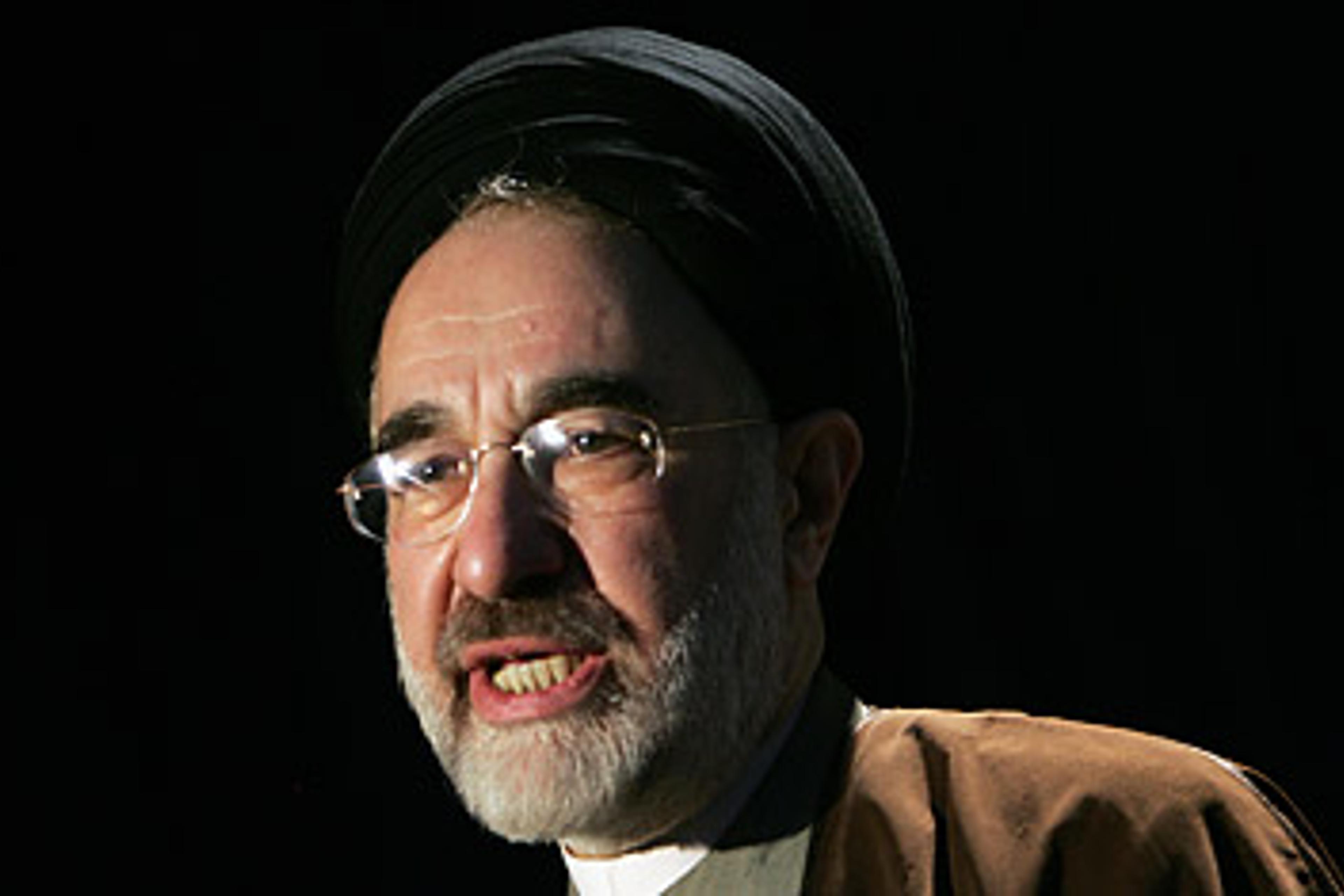
Mohammad Khatami
 Iran
Also known as: Hujjat al-Islam M. Khatami, Lieutenant general M. Khatami, Mohammed Khatami
Birthday
October 14, 1943
Birth Sign
Libra
Birthplace
Ardakan, Iran
Age
83 years old
Height
5 ft 9 in (175 cm)
About
Mohammad Khatami is an Iranian Shia cleric, philosopher, and politician who served as the fifth President of Iran from 1997 to 2005. A graduate of the Qom Seminary with a doctorate in Islamic philosophy, he previously worked as a librarian at the University of Tehran before entering government service. His presidency marked a significant shift toward reform and civil society, earning him international recognition for his advocacy of dialogue between cultures.
Currently, Khatami remains an influential voice in Iranian politics despite facing restrictions on his political activities. He continues to speak out on issues ranging from diplomatic relations with the West to domestic press freedoms. As of 2026, he maintains a presence in public discourse through lectures and statements that challenge hardline policies while promoting moderate governance.
Early Life & Background
Seyed Mohammad Khatami was born on October 14, 1943, in Ardakan, a historic city in the Yazd Province of central Iran. His father, Ayatollah Mir Ahmad Khatami, was a respected religious scholar, which placed young Mohammad within the clerical establishment from birth. He attended traditional religious schools in Ardakan before moving to Qom, the center of Shia learning, to pursue advanced theological studies.
Before his rise to national prominence, Khatami worked as a librarian at the University of Tehran. This role allowed him to immerse himself in diverse intellectual traditions beyond strict theology. During the early 1960s, he traveled to France where he studied at the University of Paris-Sorbonne. There, he engaged deeply with Western political thought, particularly the works of French philosophers like Emmanuel Mounier. These experiences shaped his unique perspective on reconciling Islamic principles with modern democratic concepts. Upon returning to Iran in the late 1960s, he began teaching at the University of Tehran while maintaining close ties to the religious community.
His entry into formal politics came gradually. In 1982, shortly after the Islamic Revolution, he was appointed Minister of Culture and Islamic Guidance. For a decade, he navigated the complex landscape of post-revolutionary censorship, attempting to balance state control with cultural openness. This period laid the groundwork for his later presidential campaign, though it also drew the ire of conservative factions who viewed his liberalizing tendencies as dangerous.
Career Growth
Khatami's political ascent reached its peak during the 1997 presidential election. Running on a platform of reform, rule of law, and freedom of expression, he secured a landslide victory with nearly 69% of the vote. His win signaled a desire among Iranians, particularly youth and women, for change after years of conservative rule. As president, he championed the concept of 'Dialogue Among Civilizations,' proposing it as an alternative to Samuel Huntington's 'Clash of Civilizations' theory. The United Nations adopted this idea, declaring 2001 the International Year of Dialogue Among Civilizations.
During his two terms, Khatami pushed for expanded press freedoms, leading to the publication of hundreds of reformist newspapers. He sought to improve economic conditions through free-market policies and fostered better relations with European nations. However, his administration faced constant opposition from the Guardian Council and the judiciary, which frequently blocked his legislative initiatives and shut down reformist publications. Despite these hurdles, his tenure is remembered as a brief era of hope and increased civic participation.
After leaving office in 2005, Khatami remained active in the reformist movement. In 2009, he initially announced his candidacy for the presidency but withdrew to support Mir-Hossein Mousavi following the disputed election results. Since then, he has continued to advocate for diplomatic solutions to regional conflicts and criticized authoritarian measures taken by subsequent governments. In 2026, he publicly called for an honorable peace with the United States, challenging the current administration's hardline stance.
Career Timeline
Public Image & Style
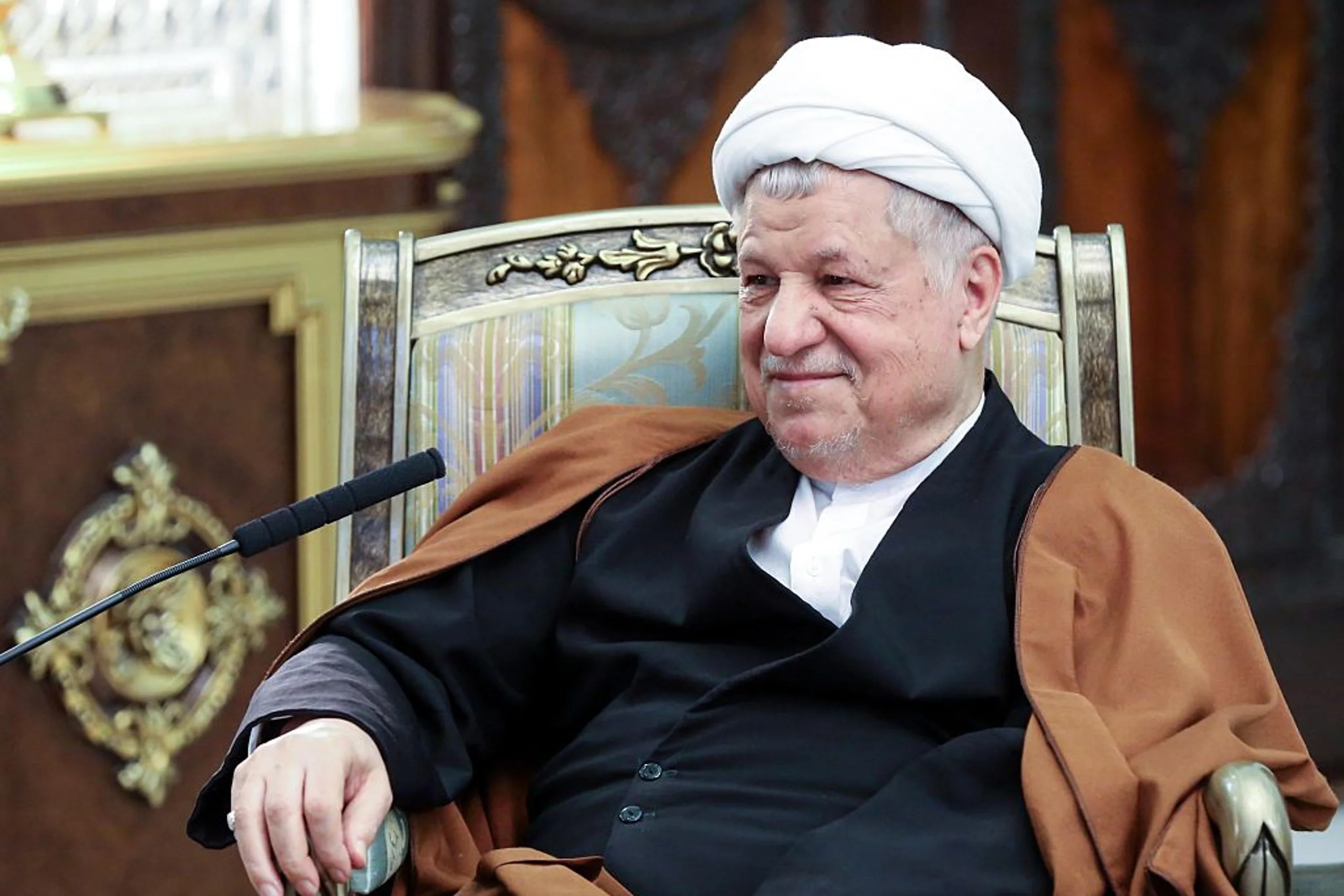
Khatami is widely perceived as a moderate intellectual and a symbol of hope for Iran's reformists. His public persona is defined by his scholarly demeanor and preference for dialogue over confrontation. He typically wears traditional clerical attire, including a black turban and robe, which reinforces his identity as a religious leader while signaling his commitment to reason and tolerance.
Media portrayals often contrast him with more hardline figures in Iranian politics, emphasizing his role as a man of peace and diplomacy. His speeches are characterized by eloquent rhetoric and a focus on universal values such as justice and human dignity. While he faces criticism from conservatives who view him as too liberal, his supporters see him as a guardian of Iran's potential for democratic development.
Fame & Fandom (iFAMOUS Rankings)
Mohammad Khatami stands as the 22nd most famous person in Iran according to the September 2026 iFANN Global Fame Rankings. Globally, he holds the position of the 62nd most famous person in the Middle East. These rankings reflect his enduring influence as a former head of state and a leading voice for reform, transcending his two terms in office to remain a recognizable figure in political discourse.
Unlike entertainment celebrities, Khatami does not have a formal fandom name or organized fan clubs. His support base consists of the Reformist movement, a political constituency that mobilized around his vision for civil society rather than parasocial adoration. Followers engage in voting drives, public demonstrations, and advocacy for freedom of expression, treating his presidency as a collective project of national hope. Even today, his continued advocacy for diplomacy keeps this political alignment active without devolving into the performative rituals seen in entertainment circles.
Interesting Facts and Legends
Before entering full-time politics, Khatami worked as a librarian at the University of Tehran, a job he held for several years. This experience exposed him to a wide range of secular and religious texts, influencing his philosophical outlook. He is fluent in four languages: Persian, Arabic, English, and French, and also speaks Turkish. His doctoral thesis focused on the relationship between Islam and democracy, a topic considered controversial at the time of its writing.
Khatami is known for his deep appreciation of classical Persian poetry, often quoting verses from Rumi and Hafez in his speeches to illustrate moral points. One of his most famous quotes, 'The struggle for freedom is a continuous process,' reflects his lifelong commitment to civil liberties. Despite his high profile, he maintains a relatively simple lifestyle, avoiding the ostentatious displays common among some political elites.
Notable Quotes
“We must build bridges, not walls, between civilizations.”
“The people are the true owners of the country, and their voices must be heard.”
“The struggle for freedom is a continuous process, and it requires courage and patience.”
Family & Personal Life
Mohammad Khatami has been married to Zohreh Sadeghi since their early years. She is a respected figure in her own right, known for her work in social welfare and education. The couple has four children: three sons named Hassan, Ali, and Reza, and one daughter named Fatemeh. Their family life has generally remained private, though they occasionally appear together at public events or memorial services.
The Khatami family has faced challenges alongside their public figures. Following the death of his sister, Khadijeh Khatami, in 2025, Mohammad and Zohreh participated in a memorial service at the Amir Al-Momenin Grand Mosque in Tehran. This event highlighted the family's continued engagement with national mourning rituals and their standing within the reformist community.
Notable Connections
Mir-Hossein Mousavi, Mehdi Karroubi, Akbar Hashemi Rafsanjani, Abdollah Nouri, Mohsen Kadivar.
Relationships & Dating History
Mohammad Khatami has maintained a stable personal life throughout his public career. He is married to Zohreh Sadeghi, whom he wed early in his adult life. She is a respected educator and social worker who has supported his political endeavors while managing their family. The couple has four children: three sons, Hassan, Ali, and Reza, and one daughter, Fatemeh.
There are no publicly documented romantic relationships prior to his marriage or any subsequent divorces or separations. As of 2026, Khatami remains married to Zohreh Sadeghi. Their family life has been relatively private, though they have occasionally appeared together at public events and memorial services, such as the recent memorial for Khatami's late sister, Khadijeh Khatami, in Tehran.
- MarriedZohreh Sadeghi1968 - presentCurrentMet early in adulthood; she is a social worker and educator.
Salary, Net Worth In 2026
$2 Million
iFANN Editorial Team estimate
iFANN Editorial Team research estimates Mohammad Khatami's net worth at approximately $2 million as of 2026. Unlike entertainment figures or business tycoons, Khatami's wealth is modest and derived primarily from academic lectures, book royalties, and occasional speaking engagements. He does not hold significant business ventures or endorsement deals typical of celebrity entrepreneurs.
His financial status reflects his long career as a scholar and public servant rather than commercial success. While specific details of his assets are not publicly disclosed, his income sources align with those of other former heads of state who maintain academic positions. The estimate accounts for his earnings from publishing works on Islamic philosophy and democracy, as well as fees for international conferences where he discusses global diplomacy.
Awards Won (3)
Khatami received numerous international honors for his contributions to global diplomacy and political thought. He was named one of Time magazine's 100 Most Influential People in 2001. The United Nations recognized his 'Dialogue Among Civilizations' initiative by designating 2001 as the International Year of Dialogue Among Civilizations. In 2004, he was awarded the Prince of Asturias Award for Concord in Spain. He also received the Order of Merit of the Federal Republic of Germany and the Legion of Honour from France.
2004 · International Relations
Dialogue Among Civilizations
2003 · National Order
Diplomatic Service
Known For
Presidency of Iran
1997 · President
Dialogue Among Civilizations
2001 · Concept Proposer
Keywords
Sources
Quick Facts
- Profession
- scholar, politician, librarian
- Born
- October 14, 1943
- Birthplace
- Ardakan, Iran
- Gender
- Male
- Spouse
- Zohreh Sadeghi
- Birth Sign
- Libra
Personal Details
- Full Name
- Seyed Mohammad Khatami
- Height
- 5 ft 9 in (175 cm)
- Spouse
- Zohreh Sadeghi
- Children
- Hassan · Ali · Reza · Fatemeh
- Education
- Qom Seminary (Doctorate in Islamic Philosophy), University of Paris-Sorbonne
Frequently Asked Questions
What is Mohammad Khatami's net worth?
How many children does Mohammad Khatami have?
Is Mohammad Khatami still alive?
What is the Dialogue Among Civilizations?
Why did Mohammad Khatami withdraw from the 2009 election?
Similar People
Join the community
fans discussing