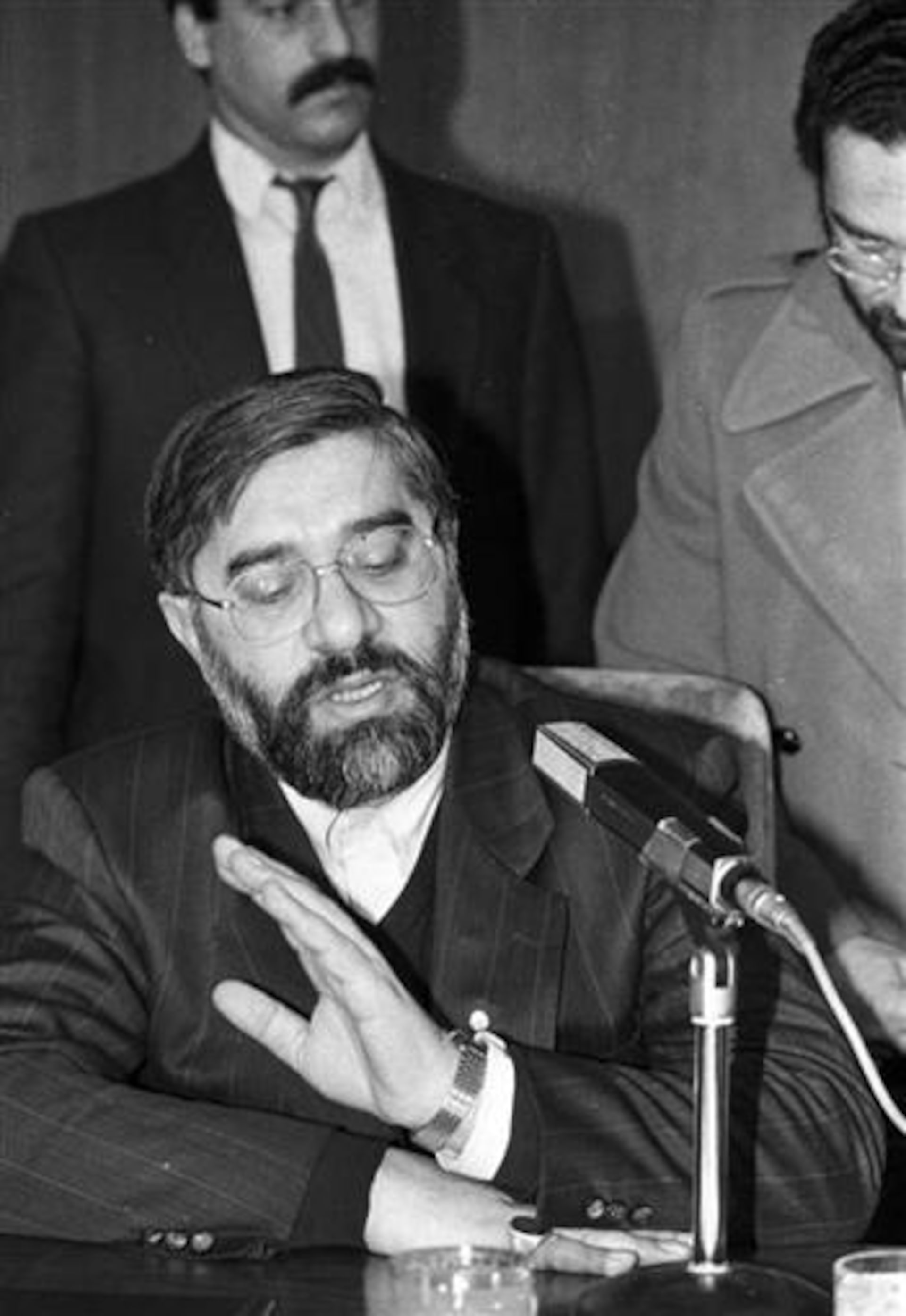
Mir-Hossein Mousavi
 Iran
IranAlso known as: Hossein Mousavi, Sayyid Hossein Mousavi, Mir-Hossein Mousavi Khameneh, Hossein Ismail Mousavi
Birthday
September 29, 1941
Birth Sign
Sagittarius
Birthplace
Khameneh, Iran
Age
84 years old
About
Mir-Hossein Mousavi is an Iranian politician, architect, and painter who served as the last Prime Minister of Iran from 1981 to 1989. As of 2026, he remains a central figure in Iran's opposition, known for leading the Green Movement after the disputed 2009 presidential election. Since 2011, he has been under house arrest with his wife, yet his symbolic weight endures among reformists and protesters.
Mousavi's political identity is inseparable from the 2009 protests, when millions took to the streets believing he had won the presidency. Though confined for over a decade, he continues to issue statements, most recently in February 2026 urging clerical leaders to step down after a deadly crackdown. His blend of artistic sensibility and political defiance sets him apart in a regime where few dare to challenge the supreme leader.
For many Iranians, Mousavi represents a lost chance at reform. His name still appears on banners at protests, and his calls for a referendum resonate with a generation that never saw him govern. He remains, in the eyes of his supporters, the legitimate president of a movement that never surrendered.
Early Life & Background
Mir-Hossein Mousavi was born on September 29, 1941, in Khameneh, a small city in East Azerbaijan Province, Iran. Some sources place his birth in Najaf, Iraq, where his family may have been living at the time. He grew up in a religious household, though details about his parents and early childhood remain scarce in Western accounts.
Mousavi showed an early aptitude for art and design. He studied architecture at university, a field that would later inform his professional work as both an architect and a painter. His artistic training gave him a distinctive sensibility, one he would carry into politics decades later.
Before entering government, Mousavi worked as an architect and painter, building a reputation in Tehran's cultural circles. The 1979 Islamic Revolution transformed his path. He became editor-in-chief of Jomhouri-e Eslami, the official newspaper of the Islamic Republican Party, a role that placed him at the heart of revolutionary politics. His editorial work caught the attention of the clerical leadership, setting the stage for his rapid rise through the ranks.
Career Growth
Mousavi's political career accelerated quickly after the revolution. In 1981, he became Minister of Foreign Affairs, a position he held briefly before being appointed Prime Minister later that year. His tenure coincided with the Iran-Iraq War, a brutal conflict that defined his premiership. He managed the country's wartime economy and helped consolidate the revolutionary state.
When the position of Prime Minister was abolished in 1989, Mousavi entered semi-retirement. He held nominal seats on the Expediency Discernment Council and the Supreme Council of Cultural Revolution, but he stopped attending meetings, signaling his growing disillusionment. He also served as president of the Iranian Academy of Arts until 2009, when authorities removed him.
The 2009 presidential election brought him back to the center of Iranian politics. Running as a reformist against Mahmoud Ahmadinejad, Mousavi drew massive crowds. When official results gave Ahmadinejad a landslide victory, allegations of fraud ignited the Green Movement. Mousavi became its leader, advocating for change within the constitution. The regime responded with a brutal crackdown, and in 2011 he was placed under house arrest.
In February 2023, during the Mahsa Amini protests, Mousavi went further, announcing his opposition to the Islamic Republic itself and calling for a referendum. In February 2026, he again urged clerical leaders to step down after a protest crackdown. His statements, issued from house arrest, continue to shape opposition discourse.
Career Timeline
Public Image & Style
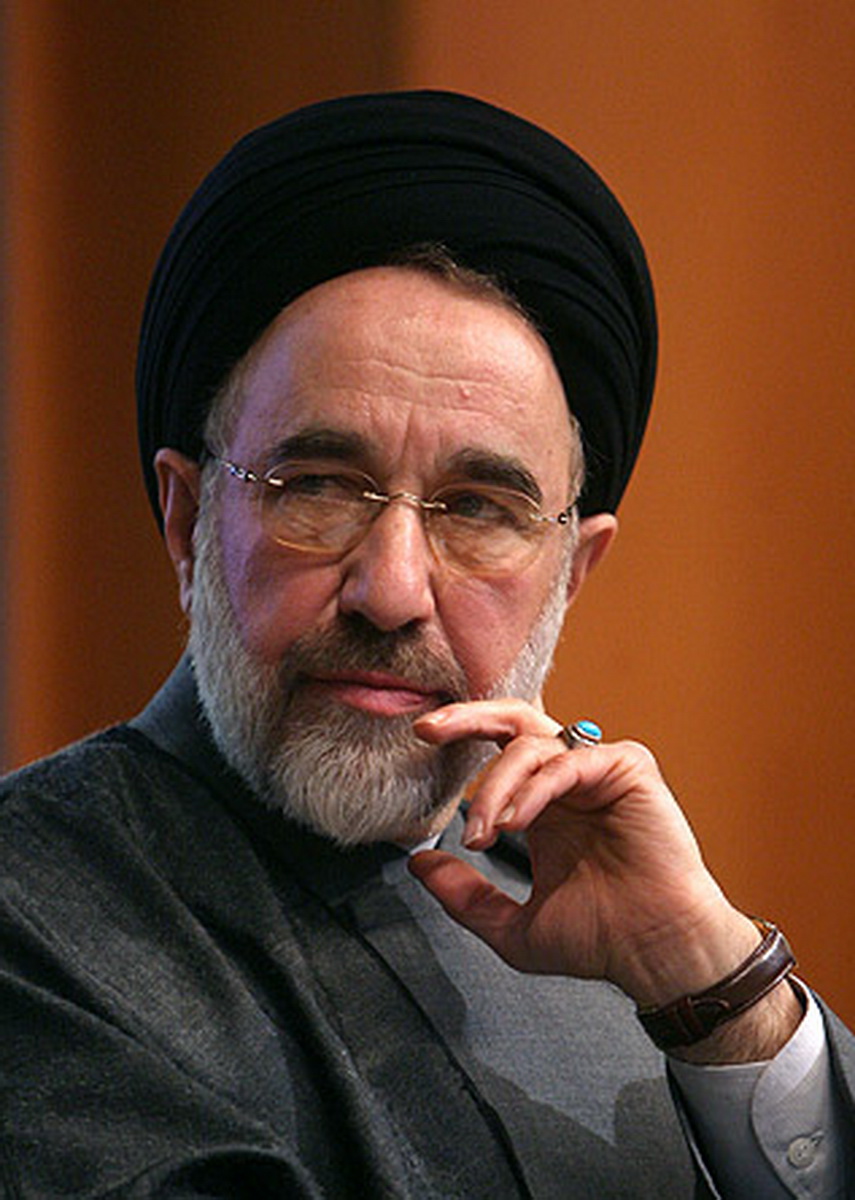
Mousavi is seen by many as the public face of Iran's protest movement. The New Yorker has covered him extensively, and a WNYC segment once compared him to Gandhi. His supporters carried posters of him alongside Mohammad Khatami during the 2009 campaign, and his image still appears at protest rallies today.
His public persona blends artistic refinement with political defiance. He speaks in measured tones, often invoking constitutional principles, yet his calls for fundamental change have grown more radical over time. For a generation of Iranians who never saw him govern, he represents a lost possibility of reform.
The regime has tried to erase him, but his name persists. His statements, issued from house arrest, are dissected by analysts and celebrated by activists. He has become a symbol of resistance, a figure whose quiet endurance speaks louder than any speech.
Fame & Fandom
Mir-Hossein Mousavi commands a following that defies the usual metrics of celebrity worship, rooted instead in deep political conviction and shared struggle rather than commercial adoration. His supporters are not fans seeking autographs or merchandise but activists within the Green Movement who view him as a symbol of resistance against electoral fraud and authoritarianism. Since his confinement began, this base has operated without formal organization or fan clubs, manifesting their loyalty through persistent calls for his release and participation in protests that have defined Iran's recent history. The movement's mythology centers on the 2009 election, where millions believed he had won, turning green into a color of hope and transforming his image into an enduring icon of defiance. While he lacks a formal fandom name or ritualistic campaigns, his presence remains potent, with supporters organizing to highlight his plight even from behind bars. This unique form of allegiance is measured not in streams or ticket sales but in the courage it takes to stand with a figure who has been silenced for over a decade. In the broader landscape of global attention, Mir-Hossein Mousavi holds distinct positions according to the 36th most famous person in Iran ranking, while also being recognized as the 69th most famous person from Iran and the 96th most famous person in Middle East within the iFANN Global Fame Rankings.
Interesting Facts and Legends
Mir-Hossein Mousavi balances a rare dual career as a trained architect and a practicing painter, serving as president of the Iranian Academy of Arts until 2009 when he was removed following the election dispute. His full name, Mir-Hossein Mousavi Khameneh, incorporates a reference to his birthplace, a common naming convention in Iran, though sources remain divided between Khameneh, Iran, and Najaf, Iraq, a matter he has never clarified. He once served as editor-in-chief of Jomhouri-e Eslami, the official newspaper of the Islamic Republican Party, during the early 1980s. Despite years of house arrest, he remains a subject of intense visual interest, with over 2,000 photographs available on Getty Images, many capturing moments from his 2009 campaign rallies. A defining legend surrounding his life is the narrative of the 2009 election, where supporters insist he was the true winner despite official results declaring otherwise, sparking the largest mass protests since the 1979 Revolution. Another widely retold story involves his prolonged isolation; after fifteen years of confinement, reports from mid-2026 confirm his hospitalization due to deteriorating health, cementing his status as a martyr for democracy. His courageous call in early 2026 for clerical leaders to step down further solidified his reputation as a principled opposition figure willing to challenge the establishment even from behind bars.
Notable Quotes
“The Islamic Republic has failed its people. A referendum is the only way forward.”
“We did not seek power, we sought justice. The streets will remember.”
“My art taught me to see beauty in chaos; my politics taught me to fight for it.”
Family & Personal Life
Mousavi married Zahra Rahnavard, an Iranian artist, academic, and political figure. The couple has been married for decades and has been under house arrest together since 2011. Rahnavard was a prominent voice in the Green Movement, and her support for her husband's 2009 campaign was well known.
The couple has children, though their names and details have not been widely publicized. Their shared political activism has defined their household, which for over 15 years has been confined to their home in Tehran. In May 2026, twenty-two Iranian professors and activists issued a statement demanding the release of both Mousavi and Rahnavard, underscoring their continued symbolic importance.
Notable Connections
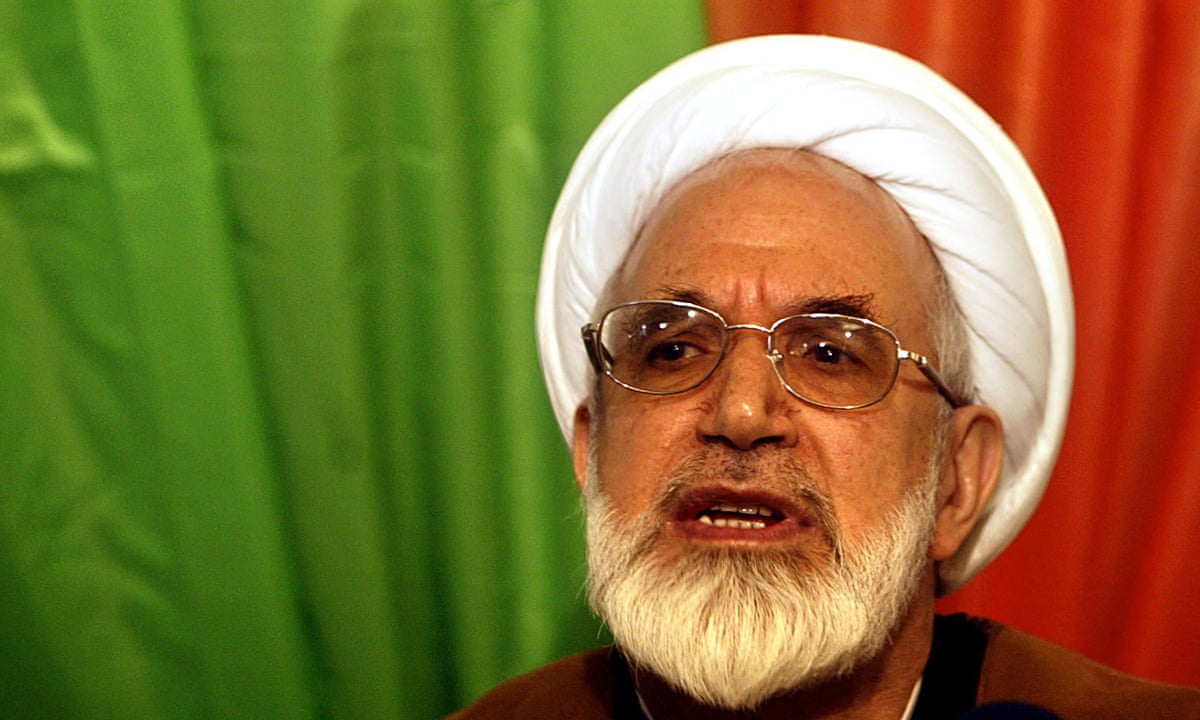
Zahra Rahnavard, Mehdi Karroubi, Mohammad Khatami, Mahmoud Ahmadinejad.
Relationships & Dating History
Mousavi married Zahra Rahnavard in the 1970s, and they have remained together ever since. Rahnavard, an artist and academic, was a vocal supporter of his 2009 campaign and a leader in the Green Movement in her own right.
The couple has been under house arrest together since 2011, a shared ordeal that has only deepened their public image as a united front. They have children, though details are scarce.
As of 2026, Mousavi remains married to Rahnavard. Both are still under house arrest, though his hospitalization in June 2026 has raised concerns about his health and their future.
- MarriedZahra Rahnavard1970 - presentCurrentMarried for decades; both under house arrest since 2011.
Salary, Net Worth In 2026
$1 Million
iFANN Editorial Team estimate
Per iFANN's editorial analysis, Mir-Hossein Mousavi's net worth is estimated at $1 Million as of 2026. No credible public estimates exist, and his financial situation remains shrouded in secrecy. His income sources are largely historical, stemming from his pre-revolution career as an architect and painter, along with his government salary as Prime Minister and minister. Since his house arrest began in 2011, he has received no official income. His assets are believed to be modest, possibly including a family home in Tehran and personal art collections. His wife Zahra Rahnavard, also an academic, may have contributed to the household finances before their confinement. Given the lack of transparency, this figure is a rough estimate based on typical assets of Iranian officials of his era. It is not derived from any published source, as none exist.
Awards & Accolades
Known For
Prime Minister of Iran
1981-1989 · Prime Minister
Green Movement
2009 · Leader
Keywords
Sources
Quick Facts
- Profession
- politician, painter, architect
- Born
- September 29, 1941
- Birthplace
- Khameneh, Iran
- Gender
- Male
- Spouse
- Zahra Rahnavard
- Birth Sign
- Sagittarius
- Education
- Studied architecture
- House Arrest
- Since 2011
Personal Details
- Full Name
- Mir-Hossein Mousavi Khameneh
- Spouse
- Zahra Rahnavard
- Education
- Studied architecture
Frequently Asked Questions
Is Mir-Hossein Mousavi still under house arrest in 2026?
What happened to Mir-Hossein Mousavi after the 2009 election?
Who is Mir-Hossein Mousavi's wife?
How old is Mir-Hossein Mousavi?
What is Mir-Hossein Mousavi's net worth in 2026?
Social Media
Join the community
fans discussing