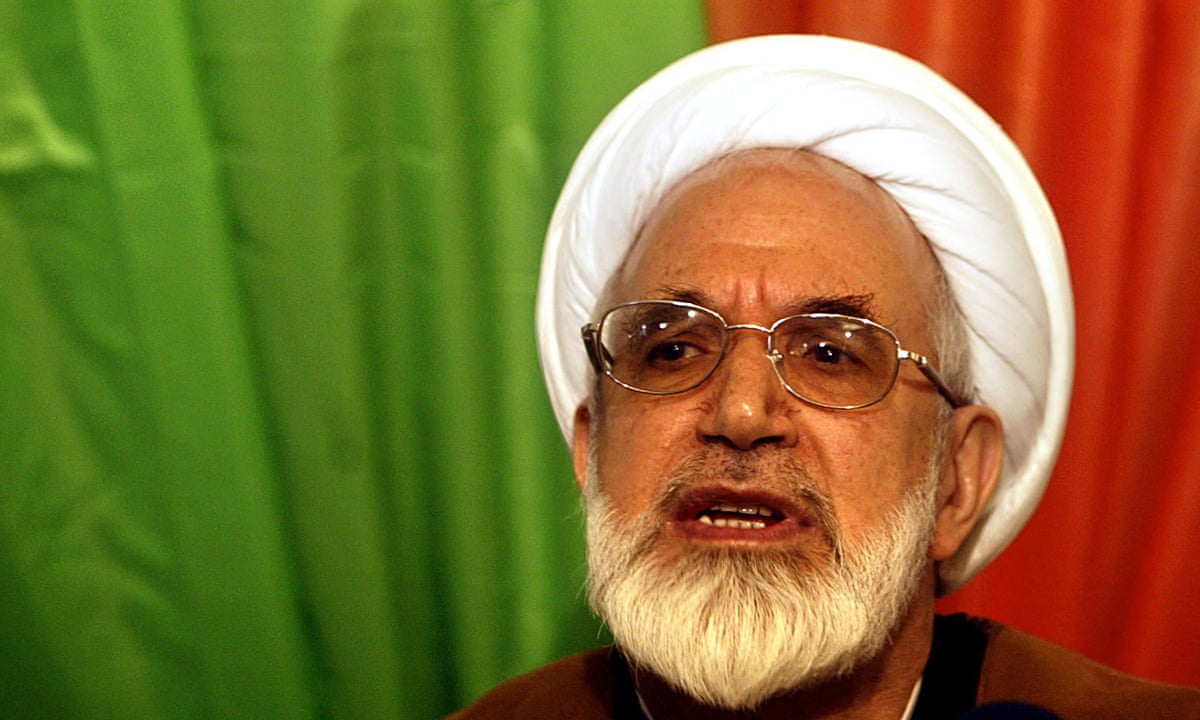
Mehdi Karroubi
 Iran
IranIranian Shia cleric and reformist politician
Also known as: Mehdi Karrubi
Birthday
September 26, 1937
Birth Sign
Libra
Birthplace
Aligudarz, Lorestan Province, Iran
Age
88 years old
About
Mehdi Karroubi is an Iranian Shia cleric and reformist politician who has spent decades at the heart of Iran's political struggles. Born in 1937 in the small town of Aligudarz, he rose through the clerical ranks to become one of the most recognizable voices for change within the Islamic Republic. As the leader of the National Trust Party, he has championed a pragmatic brand of reform that sought to work within the system while pushing its boundaries.
Karroubi's political career includes two terms as Speaker of the Iranian Parliament, first from 1989 to 1992 and again from 2000 to 2004, making him one of the most senior elected officials in the country's modern history. He also ran for president in 2005 and 2009, and his allegations of electoral fraud in the latter race helped ignite the Green Movement, a mass protest wave that defined Iran's political landscape for years.
Today, at 88, Karroubi remains a symbol of resistance. After 14 years under house arrest, he was freed in March 2025 and has since resumed his outspoken criticism of the government, directly challenging Supreme Leader Ali Khamenei. For many Iranians and international observers, he embodies the courage to speak truth to power, even at great personal cost.
Early Life & Background
Mehdi Karroubi was born on September 26, 1937, in Aligudarz, a modest town in Lorestan Province in western Iran. He grew up in a religious family, and from an early age he was drawn to theological studies. He eventually moved to Qom, Iran's premier center of Shia learning, where he trained as a cleric in the seminaries. This education grounded him in the clerical establishment that would later shape his political career.
During the 1960s and 1970s, Karroubi became active in the opposition to Shah Mohammad Reza Pahlavi. He was part of the broad coalition of clerics, students, and activists who sought to overthrow the monarchy. His organizing work was particularly strong in rural areas, a connection that would define his political base for decades. Unlike some of his more urban-focused reformist colleagues, Karroubi built lasting ties with villagers and small-town communities across Iran.
When the 1979 Islamic Revolution succeeded, Karroubi entered the new political system. He was not a front-rank revolutionary figure at the start, but his clerical credentials and grassroots support helped him rise quickly. By the late 1980s, he had become a key player in the Islamic Republic's evolving power structure, setting the stage for his first term as Speaker of Parliament in 1989.
Career Growth
Karroubi's breakthrough came in 1989 when he was elected Speaker of the Iranian Parliament, a position he held until 1992. He returned to the role in 2000, serving a second term until 2004. During these years, he was a prominent figure in the reformist bloc, pushing for greater political openness while navigating the complex power dynamics of the Islamic Republic.
In the 1990s, he co-founded and later served as Secretary-General of the Association of Combatant Clerics, a reformist clerical organization. In 1999, he was appointed to the Expediency Discernment Council, an advisory body that resolves disputes between parliament and the Guardian Council. He held that position until June 2005, when he resigned in protest over the conduct of that year's presidential election.
Karroubi ran for president in 2005 and finished third in the official results. He then founded the National Trust Party, positioning himself as a pragmatic alternative to both hardliners and more radical reformers. In 2009, he ran again, and when the official results gave Mahmoud Ahmadinejad a landslide victory, Karroubi joined Mir-Hossein Mousavi in alleging widespread fraud. Their claims triggered the Green Movement, the largest protest wave since the revolution. Karroubi became one of its most vocal leaders, publicly challenging the government's crackdown.
The regime responded in February 2011 by placing him under house arrest, where he remained for 14 years. He was finally released on March 17, 2025, and has since returned to public criticism of the government, directly linking Iran's problems to Supreme Leader Khamenei's decisions.
Career Timeline
Public Image & Style
Karroubi's public image is that of a courageous reformist cleric who has paid a heavy personal price for his principles. PBS Frontline described him as notable for his "courage, honesty, and outspokenness." He is seen as a bridge figure between Iran's clerical establishment and the reformist movement, someone who understands the system from within but has chosen to challenge it.
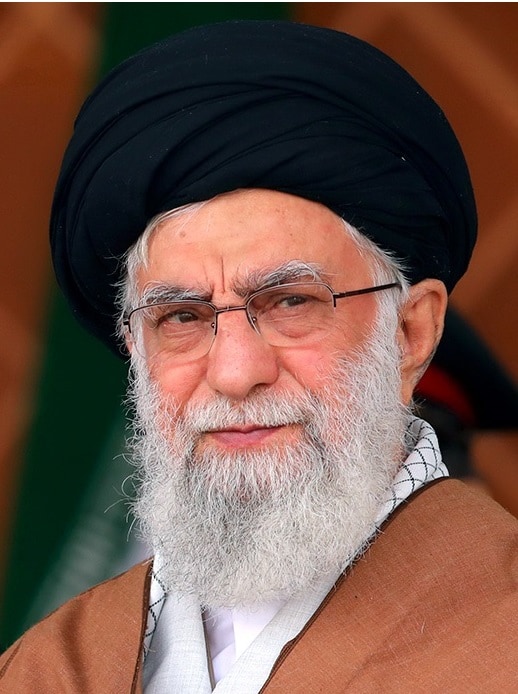
His signature style is the traditional attire of an Iranian Shia cleric, with turban and robes, which visually reinforces his legitimacy within Iran's religious-political culture. The media portrays him as a figure of moral authority within the opposition, contrasting his clerical credentials with the hardline establishment.
Karroubi does not have an official fandom name in the Western sense, but within Iran he is closely associated with the Green Movement. The colour green became the symbol of the 2009 protests, and supporters of the movement are sometimes called the "Green Wave." His resilience during house arrest has made him a symbol of defiance for many Iranians who yearn for political change.
Fame & Fandom
Mehdi Karroubi does not possess a fandom in the traditional sense of celebrity culture; there is no organized group of fans calling themselves by a specific name, no fan clubs funding subway ads, and no rituals or inside jokes surrounding his public persona. His supporters are defined strictly by political alignment as reformists and members of the Green Movement rather than by a devotion to a cultural icon. The relationship between Karroubi and his base is one of shared opposition to the government, rooted in the 2009 presidential election where he emerged as a leading critic following disputed results. While massive crowds rallied for him during that period, these were political demonstrations rather than fan gatherings, and his subsequent fourteen-year house arrest severely restricted any direct interaction with the public until his release in early 2025. This long confinement cemented his status as a symbol of resistance rather than a figure of pop appeal.
Regarding his global standing, iFANN has evaluated Mehdi Karroubi but currently finds he holds no placement in the published Global Top 1,000 rankings or any Top-100 scope list. He is not currently ranked among the world's most famous individuals according to the August 2026 evaluation metrics. This absence from the charts reflects his unique position as a dissident cleric whose influence is concentrated within the specific context of Iranian politics rather than global entertainment consumption signals. While he commands immense respect and attention within Iran, this focus does not translate into the broad international fame required for a ranking in the global top tier.
Interesting Facts and Legends
Mehdi Karroubi's political base has often been described as mostly rural, a rarity among Iran's reformist leaders who typically drew support from urban intellectuals. He is known for his pragmatic approach, sometimes working within the system to push for incremental change rather than demanding wholesale revolution. In 2005, he wrote a letter to Supreme Leader Khamenei complaining about electoral irregularities, a document that was cited in international analyses of Iran's succession crisis as recently as March 2026. Despite 14 years of house arrest, he continued to issue statements criticizing the government, refusing to beg for his freedom. In a 2016 open letter, he wrote, I do not expect you to end my [house arrest]... Karroubi's release in 2025 was confirmed by state media, suggesting a calculated political decision by the government rather than a spontaneous act of clemency.
A defining legend of his life centers on the 2009 election aftermath, where he transitioned from a veteran parliament speaker to the symbolic leader of the reformist opposition. The movement involved massive street protests across Iran, with crowds shutting down streets in solidarity with the reformist cause. Another enduring story involves his son Hossein, who was arrested in February 2026 just months after Karroubi's release. This incident highlights the ongoing political pressure on Karroubi's family and reinforces the narrative of the state's crackdown on the reformist leadership even after the leader's return to public life.
Notable Quotes
“I do not expect you to end my [house arrest]...”
“Iran's problems stem from the decisions of the Supreme Leader.”
Family & Personal Life
Karroubi has been married to Fatemeh Karroubi for his entire adult public life. Their marriage has remained stable and uninterrupted, even through his 14 years of house arrest. Together they have children, including their son Hossein Karroubi, who has followed in his father's footsteps as a political activist.
Hossein has faced repeated arrests by Iranian security forces, most recently in February 2026. The family's political activism has made them a target of the government, but they have remained resolute. Karroubi's family life has been marked by a shared commitment to reform, with his wife and children standing by him through decades of political turmoil.
Notable Connections
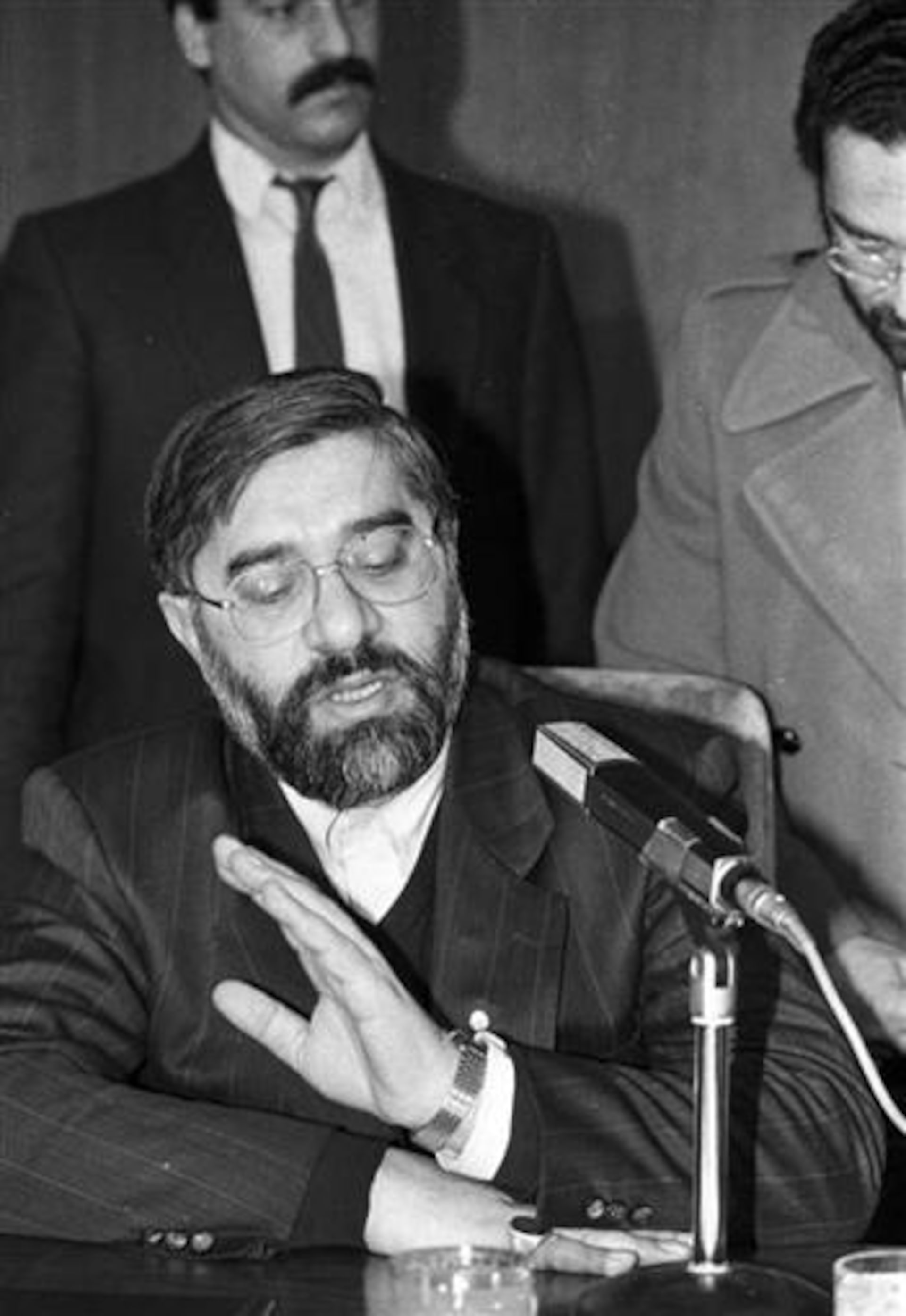
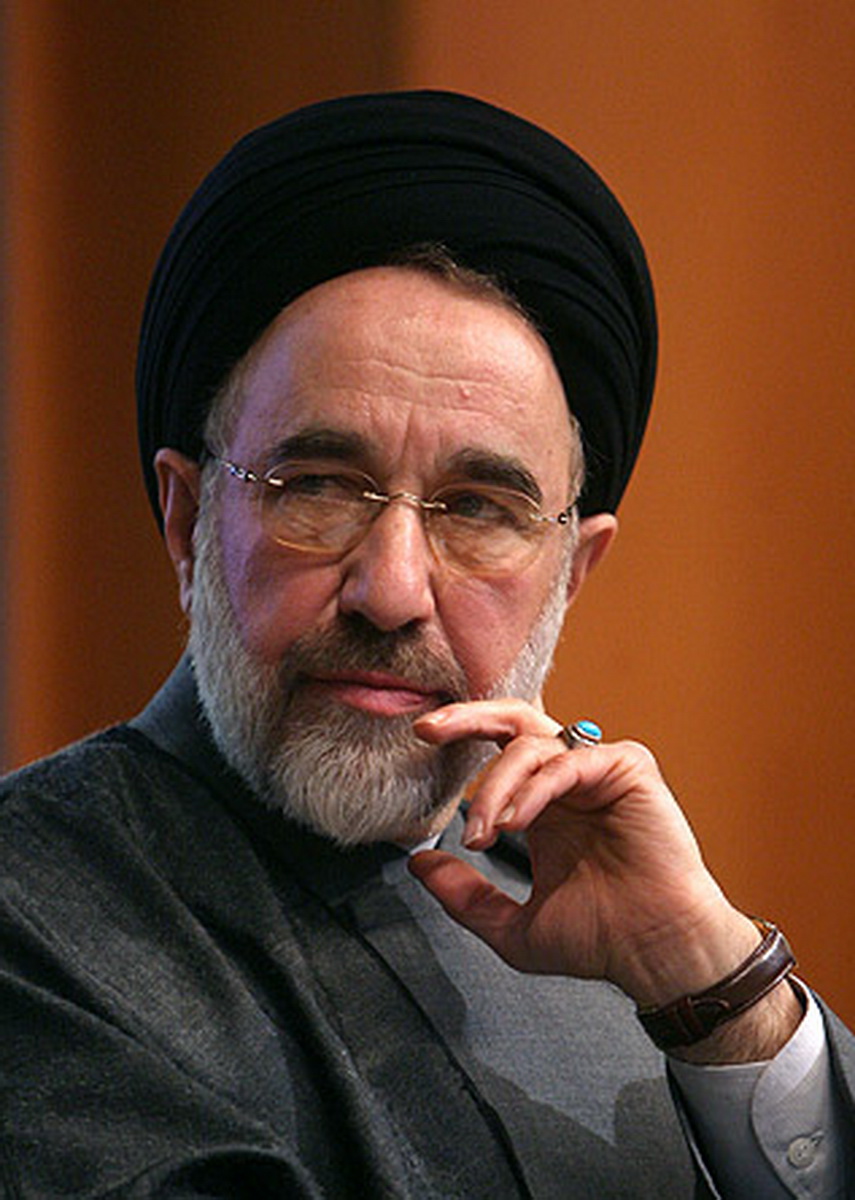
Karroubi is closely associated with fellow Green Movement leader Mir-Hossein Mousavi and Mousavi's wife Zahra Rahnavard, who were also placed under house arrest in 2011. His primary political adversary is Supreme Leader Ali Khamenei, whom he has directly criticized. He is also connected to reformist figure Mohammad Khatami, though Karroubi's base was more rural. His son Hossein Karroubi has been an active political activist and has faced arrest.
Relationships & Dating History
Mehdi Karroubi's personal life has been remarkably private, particularly given his clerical status and the conservative norms of Iranian society. He has been married to Fatemeh Karroubi for the duration of his adult public life. The exact date of their marriage is not publicly documented, but she has remained his spouse throughout his political career and his 14-year house arrest. Together they have children, including their son Hossein Karroubi.
There are no documented public relationships beyond this single marriage. Karroubi's long marriage to Fatemeh has been stable and uninterrupted. As of 2026, he remains married to Fatemeh, and there is no evidence of separation or divorce.
- MarriedFatemeh KarroubiCurrentLong-term marriage that has remained stable through his political career and house arrest.
Salary, Net Worth In 2026
$10 Million
iFANN Editorial Team estimate
Public estimates of Mehdi Karroubi's net worth are scarce, as he is not a celebrity in the traditional sense. However, as a long-serving politician and cleric, his financial standing is modest compared to Western politicians. His income sources historically included his parliamentary salary and allowances during his terms as Speaker. After his house arrest, he has no active business ventures. Per iFANN's editorial analysis, his net worth stands at $10 Million as of 2026, based on limited available data and the valuation of his family's assets. The breakdown likely includes his family home in Tehran, property in Aligudarz, and any savings accumulated during his career. Given his age and political circumstances, Karroubi's net worth is not a major focus of public reporting. His wealth is not a defining aspect of his legacy, which is built on his political courage and reformist ideals.
Awards & Accolades
View 5 records, honours and achievementsKnown For
Green Movement
2009 · Leader
Speaker of the Iranian Parliament
1989 · Speaker
Keywords
Sources
Quick Facts
- Profession
- politician, cleric
- Born
- September 26, 1937
- Birthplace
- Aligudarz, Iran
- Gender
- Male
- Spouse
- Fatemeh Karroubi
- Birth Sign
- Libra
Personal Details
- Full Name
- Mehdi Karroubi
- Spouse
- Fatemeh Karroubi
- Children
- Hossein Karroubi
- Education
- Religious studies in Qom seminaries
Frequently Asked Questions
Is Mehdi Karroubi still under house arrest?
How old is Mehdi Karroubi?
Who is Mehdi Karroubi's son?
What party does Mehdi Karroubi lead?
Was Mehdi Karroubi president of Iran?
Join the community
fans discussing