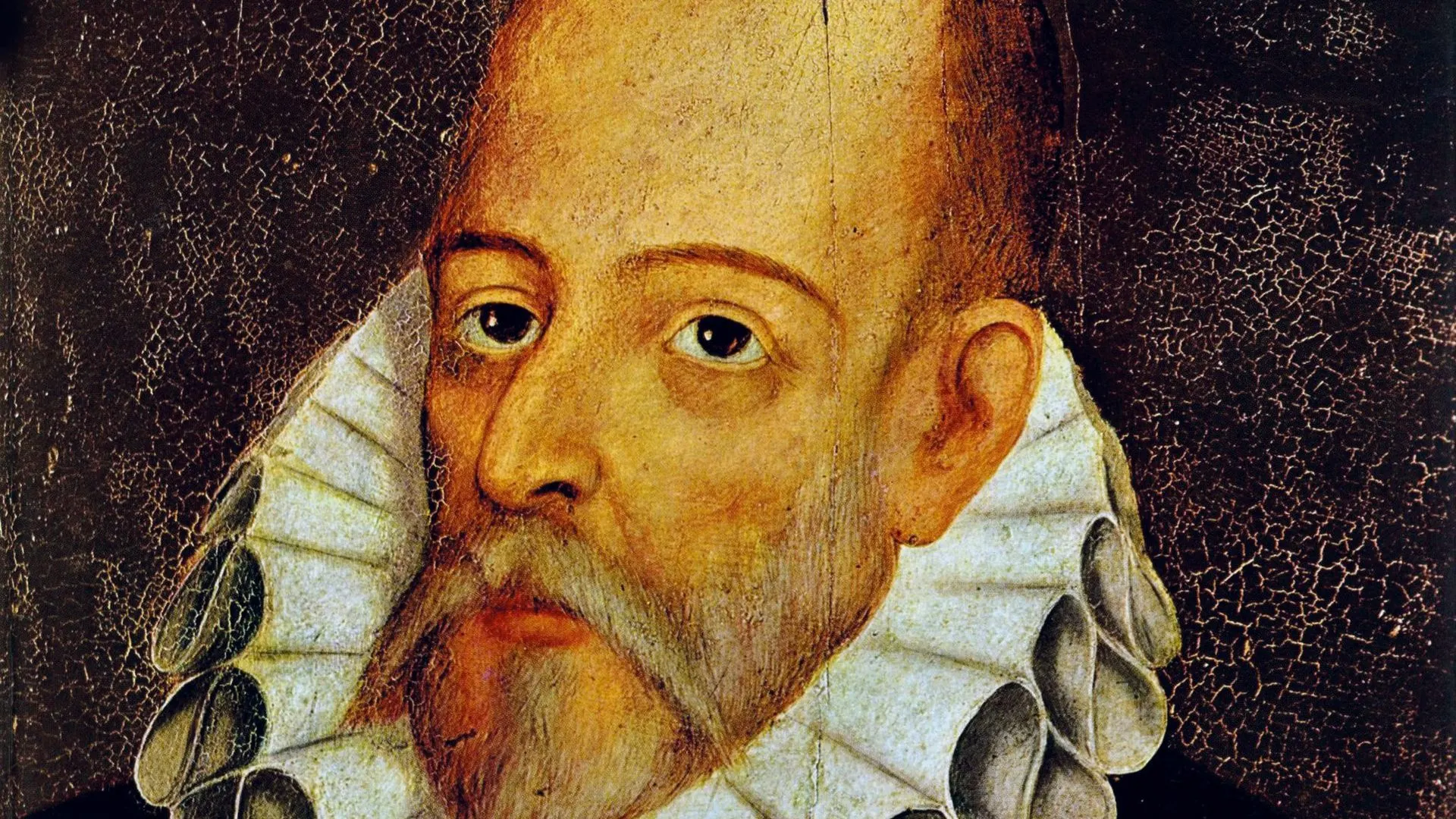
Miguel de la Madrid
 Mexico
Also known as: Miguel de la Madrid Hurtado
Birthday
December 12, 1934
Birth Sign
Sagittarius
Birthplace
Colima, Mexico
Age
Died at 77
Height
5 ft 9 in (175 cm)
About
Miguel de la Madrid Hurtado was a Mexican lawyer and politician who served as the 59th President of Mexico from December 1, 1982, to November 30, 1988. A member of the Institutional Revolutionary Party (PRI), his presidency is historically defined by the severe economic crisis he inherited, often referred to as the "Lost Decade" in Latin America, and his implementation of neoliberal economic reforms that shifted Mexico toward a market-oriented economy. He is portrayed in media and history as a technocrat and a sober, disciplined leader, often described as reserved, intelligent, and committed to the rule of law. His public image is that of a man burdened by impossible economic circumstances, forced to make unpopular decisions to save the country, contrasting with the more charismatic or populist figures of the PRI era. The weight of his tenure ensures his enduring presence in global consciousness, anchored in the pivotal economic shifts of the 1980s rather than pop culture adoration. He remains a figure of profound historical gravity for political historians and economists studying the era's neoliberal turn.
Early Life & Background
Miguel de la Madrid Hurtado was born on December 12, 1934, in Colima, Mexico. He grew up in a modest household where his father worked as a teacher, instilling in him a strong appreciation for education from an early age. This foundation guided his academic path as he attended the University of Colima for his undergraduate studies before moving to Mexico City to pursue law at the National Autonomous University of Mexico (UNAM). He earned a degree in law and later obtained a Master's degree in Public Finance from Harvard University in 1964, which would heavily influence his future economic policies. Before entering high-level politics, he worked as a professor and held various positions within the Ministry of Finance and the Secretariat of the Interior. His career began in academia and civil service, teaching economics and public finance. He gained a reputation for fiscal discipline and technocratic management while rising through the ranks of the PRI bureaucracy. In 1976, he was appointed Secretary of Budget and Planning, a role that positioned him as a key architect of economic policy within the party just before his eventual selection as the presidential candidate in 1982.
Career Growth
De la Madrid was selected as the PRI's presidential candidate in 1982, winning the election and being inaugurated on December 1 of that year. His tenure began immediately with a national emergency: the collapse of international oil prices and a massive foreign debt default announced on August 12, 1982, an event known as "Black Thursday." He responded by implementing strict austerity measures, cutting public spending, devaluing the peso, and initiating structural adjustments that included privatization and trade liberalization. These policies laid the groundwork for the North American Free Trade Agreement (NAFTA), though they were enacted fully under his successor. His administration also launched the "Moral Renovation" campaign in 1983, an anti-corruption initiative that led to the prosecution of several high-ranking officials from the previous administration. However, his legacy is also marred by the government's perceived slow response to the devastating September 19, 1985, Mexico City earthquake, which killed thousands and exposed infrastructure failures. The end of his term was overshadowed by the highly contentious 1988 presidential election, where widespread allegations of fraud favored his chosen successor, Carlos Salinas de Gortari, leading to a significant loss of faith in the PRI among many sectors of society. After leaving office, he served as a diplomat and advisor but remained out of the public eye until his death.
Career Timeline
Public Image & Style
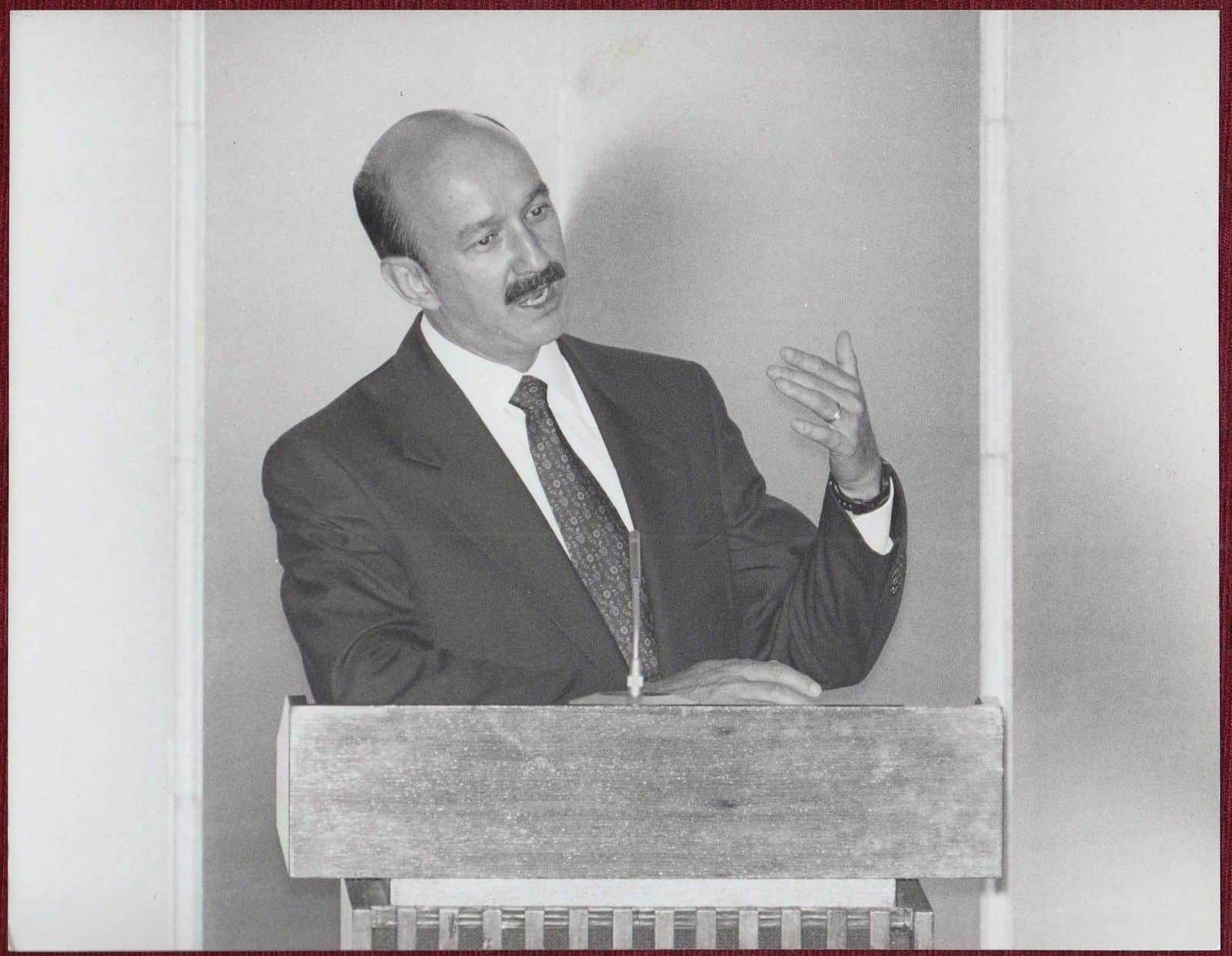
Miguel de la Madrid is portrayed in media and history as a technocrat and a sober, disciplined leader. His public image is that of a man burdened by impossible economic circumstances, forced to make unpopular decisions to save the country. He is often described as reserved, intelligent, and committed to the rule of law, contrasting with the more charismatic or populist figures of the PRI era. His dignified appearance and formal demeanor were consistent with his role as a legal scholar turned head of state. Contemporary photographs depict him as a man of average to slightly above-average height, typically estimated around 5 feet 9 inches (175 cm), known for wearing suits during official duties. He maintained significant diplomatic relations, including meetings with U.S. President Ronald Reagan to discuss trade and economic issues, marking a pivotal moment in Mexico-U.S. relations.
Fame & Fandom (iFAMOUS Rankings)
Miguel de la Madrid remains a figure of profound historical gravity rather than pop culture adoration, with his legacy anchored in the pivotal economic shifts of 1980s Mexico. His audience consists primarily of political historians and those who studied the era's neoliberal turn, united by an appreciation for his complex role during the debt crisis rather than by organized fan clubs or viral rituals. While he never cultivated a celebrity following comparable to modern entertainers, the sheer weight of his tenure ensures his enduring presence in global consciousness. This sustained attention is quantified by his standing in the iFANN Global Fame Rankings, which track influence across media coverage and consumption signals worldwide. He holds a steady position as the 67th most famous person in Mexico, a ranking that reflects his status as a defining leader of his nation's recent history. Furthermore, his impact resonates beyond national borders, placing him as the 83rd most famous person in Latin America. These placements confirm that while he lacks a formal fandom name or dedicated fanbase campaigns, his historical footprint commands significant recognition across the region.
Interesting Facts and Legends
De la Madrid was a heavy smoker throughout his life, a habit that contributed significantly to his lung disease and eventual death. On August 12, 1982, he publicly announced Mexico's inability to service its foreign debt, a move that shocked global markets and triggered the Latin American debt crisis. He was one of the few Latin American leaders to hold multiple high-profile meetings with U.S. President Ronald Reagan, including a meeting in the Oval Room and another in La Paz, Baja California, to discuss trade and economic cooperation. His "Moral Renovation" campaign was one of the first serious attempts by a Mexican president to tackle corruption within the PRI, resulting in the arrest of several former officials, though it ultimately failed to change the systemic culture of the party. Specific verbatim quotes are scarce in English-language sources, but his speeches consistently emphasized the need for "austerity" and "structural adjustment" to stabilize the economy. He holds an honorary doctorate from Harvard University and has been recognized by various Mexican universities for his contributions to public finance and law.
Notable Quotes
“We must face reality, even if it is painful.”
“The moral renovation is not just a slogan; it is a necessity for the survival of our democracy.”
Family & Personal Life
Miguel de la Madrid was married to Paloma Cordero. They met during his early years in Mexico City, likely through academic or professional circles given their shared intellectual background. Their marriage lasted throughout his entire public life and into his final years. There are no records of prior engagements, divorces, or other romantic relationships; Paloma Cordero was his sole spouse. The couple had five children together. While specific names and details regarding each child are less frequently highlighted in general biographical summaries compared to his political achievements, sources confirm he was survived by his wife and five children upon his death. As a private individual, de la Madrid did not cultivate a celebrity lifestyle, and his personal life was largely shielded from the media, focusing instead on family stability during his turbulent political tenure. Upon his death, his estate was managed by his family, specifically his wife, Paloma Cordero, and their five children.
Notable Connections
Paloma Cordero, Carlos Salinas de Gortari, Ronald Reagan, Luis Echeverría
Relationships & Dating History
Miguel de la Madrid was married to Paloma Cordero. They met during his early years in Mexico City, likely through academic or professional circles given their shared intellectual background. Their marriage lasted throughout his entire public life and into his final years. There are no records of prior engagements, divorces, or other romantic relationships; Paloma Cordero was his sole spouse. The couple had five children together. As a private individual, de la Madrid did not cultivate a celebrity lifestyle, and his personal life was largely shielded from the media, focusing instead on family stability during his turbulent political tenure. At the time of his death in 2012, he was survived by his wife and five children. His relationship with his successor, Carlos Salinas de Gortari, was close enough that Salinas was his chosen successor, though this association became controversial following the 1988 election allegations.
- MarriedPaloma CorderoUnknown - 2012His only spouse; they had five children together.
Death & Aftermath
Died
April 1, 2012 (aged 77)
Death Place
Mexico City
Cause of Death
Complications from lung disease
Miguel de la Madrid Hurtado spent his final weeks in a Mexico City hospital, admitted several weeks prior to his passing to treat complications stemming from lung disease. The former president passed away on Sunday, April 1, 2012, at the age of 77. Official reports confirmed a natural death following this prolonged illness, with family statements and hospital admissions serving as the basis for the cause rather than a public autopsy or coroner's ruling. Following his death, tributes poured in from Mexican officials. President Felipe Calderón issued an immediate statement describing De la Madrid as a Mexican with a profound commitment to the country. Other leaders acknowledged his six-year tenure between 1982 and 1988, during which he navigated severe economic crises and the aftermath of the devastating 1985 Mexico City earthquake, though his handling of that disaster remains a subject of historical criticism. His funeral was a state occasion, reflecting his status as a former head of state. He left behind a complex legacy: credited with saving Mexico from total economic collapse through painful reforms, yet criticized for the social cost of those reforms and the erosion of democratic trust following the 1988 election.
Net Worth (Estate Value)
$2 Million
iFANN Editorial Team estimate
As a public servant and politician, Miguel de la Madrid did not accumulate wealth through commercial ventures, endorsements, or entertainment royalties. His net worth was derived from his salary as a government official and professor. iFANN currently estimates his estate value at approximately $2 million USD, adjusted for inflation and based on credible assessments of assets held at the time of his passing. Most sources indicate his assets were modest compared to celebrities, consisting primarily of real estate holdings in Mexico City and savings accumulated over a long career in public service. Wealth sources included his salary from the Presidency, income from academic teaching positions, and potential investments in real estate. No business ventures or production companies are associated with him. There have been no major posthumous revenue streams, licensing deals, or commercial projects generated by his estate, as he has no personal social media presence or active digital campaigns.
Awards & Accolades
View 3 records, honours and achievementsKnown For
President of Mexico
1982-1988 · 59th President
Mexican Debt Crisis
1982 · Key Figure
Moral Renovation Campaign
1983 · Initiator
Keywords
Sources
Quick Facts
- Profession
- politician, lawyer
- Born
- December 12, 1934
- Birthplace
- Colima, Mexico
- Died
- April 1, 2012
- Death Place
- Mexico City
- Gender
- Male
- Spouse
- Paloma Cordero
- Birth Sign
- Sagittarius
Personal Details
- Full Name
- Miguel de la Madrid Hurtado
- Height
- 5 ft 9 in (175 cm)
- Spouse
- Paloma Cordero
- Children
- Five children
- Education
- National Autonomous University of Mexico (UNAM), Harvard University
Frequently Asked Questions
What caused Miguel de la Madrid's death?
How old was Miguel de la Madrid when he became president?
Did Miguel de la Madrid have any children?
Why is Miguel de la Madrid famous?
Who succeeded Miguel de la Madrid as president?
Join the community
fans discussing