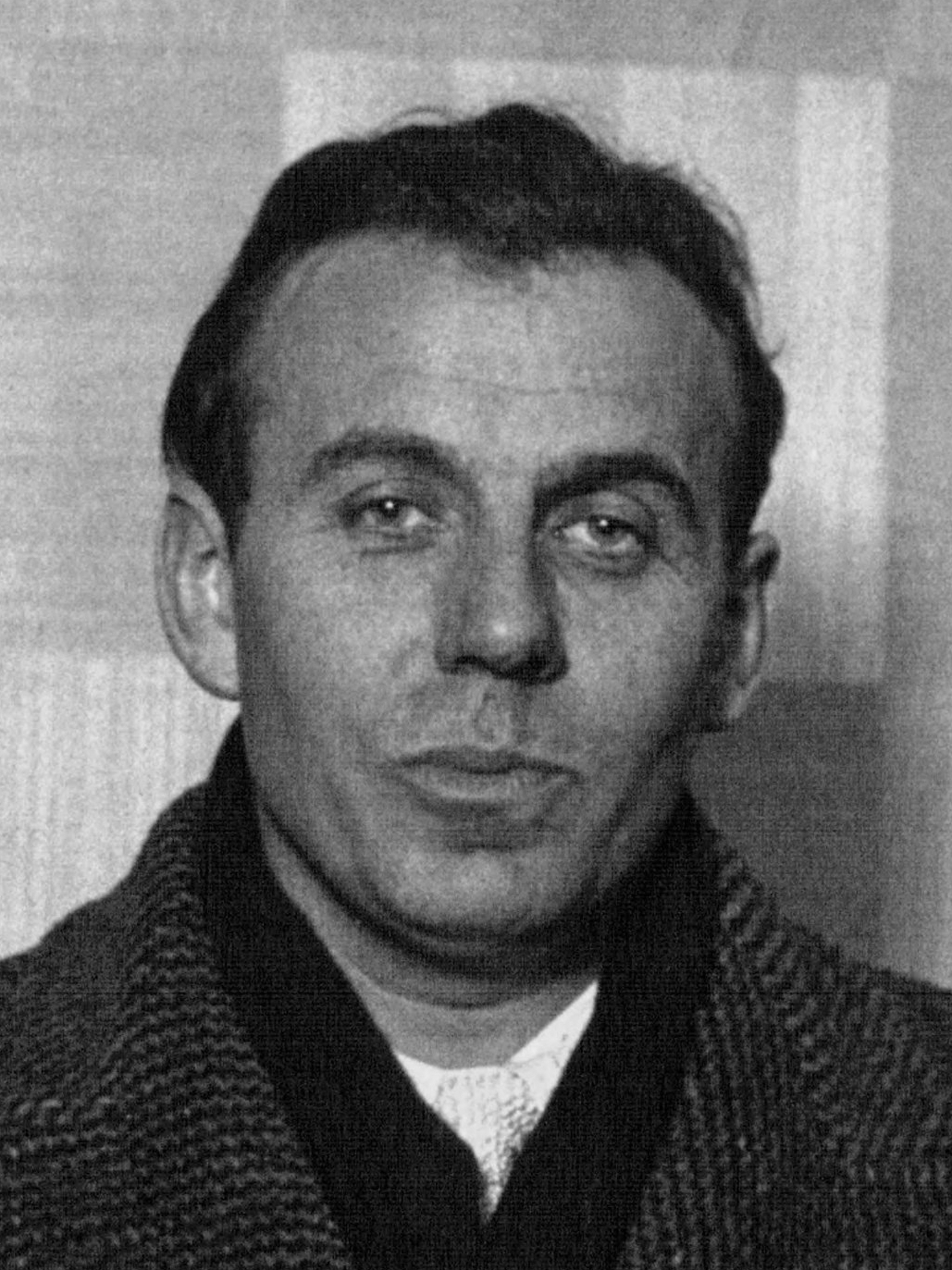
Louis-Ferdinand Céline
 France
physician writer•novelist•writer
Birthday
+1894-05-27
Birth Sign
Sagittarius
Birthplace
Courbevoie
Age
Died at 67
About
Louis-Ferdinand Céline, born Louis Ferdinand Auguste Destouches on May 27, 1894, in Courbevoie, France, was a French novelist, polemicist, and physician. He is best known for his debut novel, Journey to the End of the Night (1932), which won the Prix Renaudot but sparked controversy for its bleak view of humanity and its innovative use of working-class speech. His subsequent works, including Death on the Installment Plan (1936), Guignol's Band (1944), and Castle to Castle (1957), further developed his distinctive style, which critics have compared to James Joyce's impact on English literature. Maurice Nadeau once wrote that what Joyce did for English, Céline achieved effortlessly and on a vast scale for French.
Fame & Fandom
Louis-Ferdinand Céline never cultivated a fanbase in the modern sense. No organized group of devotees rallies for his birthday, no fans fund charity drives in his name, and there is no collective noun for those who revere him. His legend exists entirely within the realm of scholarly debate and ethical controversy rather than performative adoration or interactive rituals. The cultural conversation around him remains a tense negotiation between his status as a literary revolutionary and his reputation as a virulent antisemite. Critics and readers grapple with the tension of celebrating a stylistic genius while rejecting his hateful rhetoric, creating a unique dynamic where admiration is always shadowed by moral repulsion. In August 2026, the iFANN Global Fame Engine evaluated this complex legacy and determined that Louis-Ferdinand Céline does not currently hold a placement in the published rankings, including the Global Top 1,000 or any Top-100 scope list. He is not ranked among the most famous figures globally at this time. While he lacks a formal ranking position, his influence on French prose remains undeniable. He transformed the language by injecting the rhythm of working-class speech into high literature, a feat often compared to James Joyce's impact on English. This innovation ensures his work endures in academic study even without a mass-market celebrity following. The absence of a documented fandom name reflects the reality that his audience consists of critics and historians rather than a community of fans engaging in chart pushes or subway ads. His fame is quiet, intellectual, and fraught with the weight of history.
Interesting Facts and Legends
Louis-Ferdinand Céline died on July 1, 1961, in Meudon, France, leaving behind a body of work that critics compare to James Joyce's impact on English literature. His debut novel, *Journey to the End of the Night*, won the Prix Renaudot in 1932 despite sparking controversy for its bleak view of humanity. Maurice Nadeau once noted that Céline achieved effortlessly what Joyce did for English, transforming the language with working-class speech. A significant chapter in his cultural mythology emerged in May 2022 when it was announced that a previously lost manuscript titled *Guerre* would be published. By June 2024, major publications reviewed the English translation of *War*, describing it as disturbing yet compelling. This event reignited debates about the morality of releasing his work decades after his death. The most widely retold story in his lore concerns his collaboration with Vichy France during World War II and the subsequent publication of antisemitic pamphlets, specifically *Bagatelles pour un massacre*, *L'École des cadavres*, and *Les Beaux Draps*. These texts created a permanent cultural tension where he is simultaneously celebrated as a literary genius and reviled for his rhetoric. Following the Liberation of France, he was stripped of his citizenship and forced to flee to Germany and then Denmark to avoid prosecution. He eventually returned to France in 1951 after being pardoned by President René Coty, a move that remains a subject of intense scholarly and public controversy. Unlike contemporary figures, Céline never had a fanbase organizing charity drives or performing public tributes. His legend is a scholarly and ethical controversy rather than a series of performative anecdotes.
Death & Aftermath
Died
+1961-07-01 (aged 67)
Death Place
Unknown
Cause of Death
Unknown
Awards & Accolades
Keywords
Quick Facts
- Profession
- physician writer, novelist, writer
- Born
- +1894-05-27
- Birthplace
- Courbevoie
- Died
- +1961-07-01
- Death Place
- Meudon
- Gender
- Male
- Spouse
- Edith Follet, Lucette Destouches, Elizabeth Craig
- Birth Sign
- Sagittarius
Personal Details
- Spouse
- Edith Follet, Lucette Destouches, Elizabeth Craig
Join the community
fans discussing