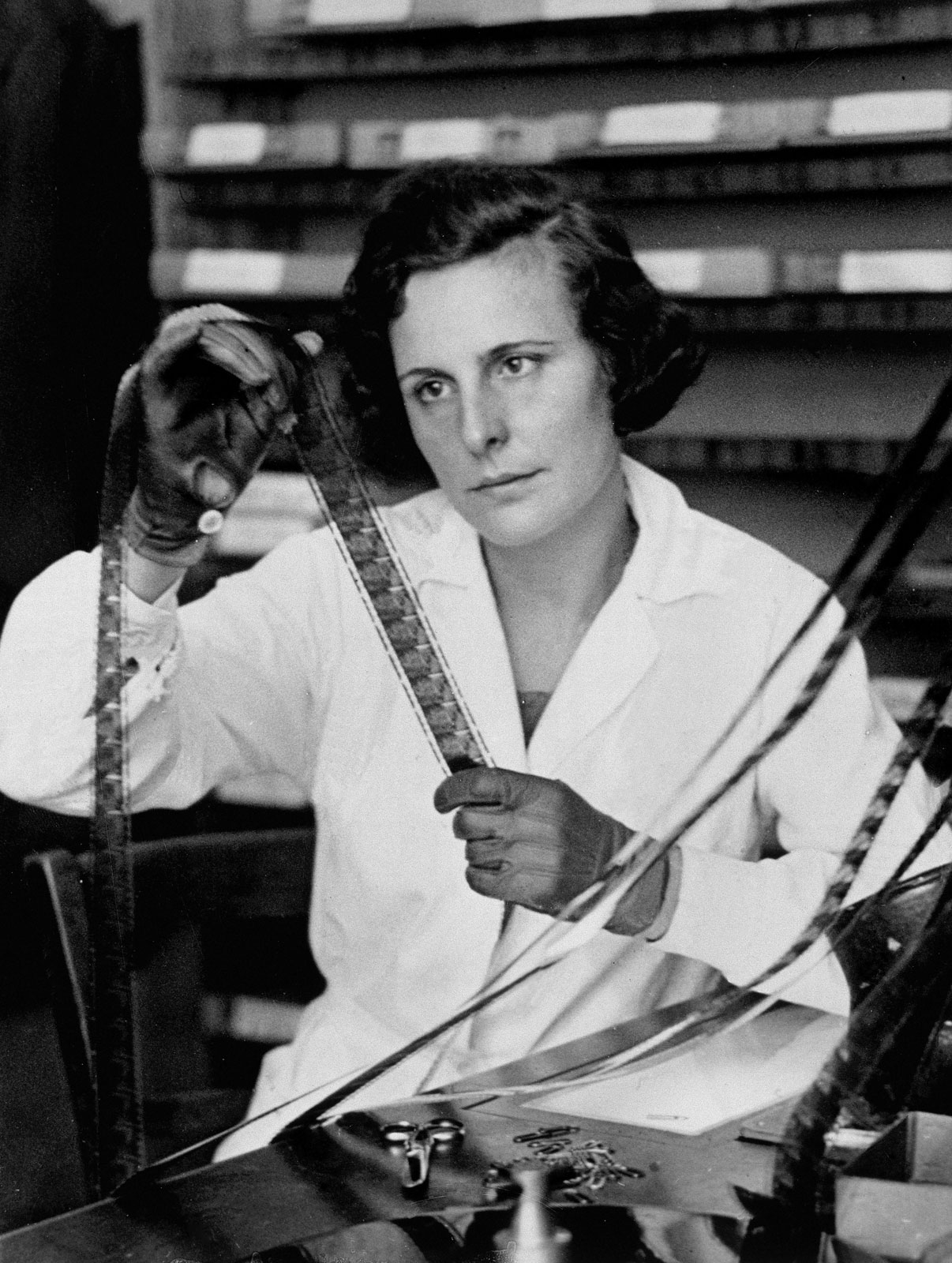
Leni Riefenstahl
 Germany
film producer•film editor•screenwriter
Birthday
+1902-08-22
Birth Sign
Leo
Birthplace
Berlin
Age
Died at 101
About
Born Helene Bertha Amalie Riefenstahl in Berlin on August 22, 1902, Leni Riefenstahl began her artistic journey as a dancer. She performed across Europe in the mid-1920s, developing a keen eye for movement and composition. This visual sensibility soon drew her to filmmaking. After starring in several successful silent films, including the popular Mountain of Destiny, she decided to step behind the camera. In 1932, she directed her first feature, The Blue Light, marking her emergence as one of the few female directors working in Germany during the Weimar Republic.
Fame & Fandom
Leni Riefenstahl stands as the 46th most famous person in Art & Design, a standing confirmed by the iFANN Global Fame Rankings. This placement holds steady from the previous cycle, reflecting a legacy that remains deeply embedded in global cultural memory despite the passage of time. Her work continues to command attention across media coverage, search trends, and consumption signals worldwide, securing her position among the most significant figures in visual history.
While the world tracks her influence through these rankings, there is no formal name for her fanbase. Unlike modern icons who inspire organized campaigns or ritualized gatherings, Riefenstahl's audience consists primarily of scholars, film historians, and those engaged in political debate regarding fascism and cinema. The public discourse surrounding her life has consistently focused on the ethical implications of her art rather than popular adoration. She was ostracized after World War II as a propagandist for Adolf Hitler and the Nazi Party, and while she lived to be 101 years old, remaining a defiant figure until her death in 2003, the narrative never shifted toward worship. Instead, she became a subject of academic study and documentary analysis, with her legacy defined by historical controversy rather than fandom rituals or chart pushes.
Interesting Facts and Legends
Leni Riefenstahl began her artistic journey as a dancer before transitioning to filmmaking, eventually directing her first feature, The Blue Light, in 1932. Born Helene Bertha Amalie Riefenstahl in Berlin on August 22, 1902, she developed a keen eye for movement and composition that would define her career. She passed away at age 101 in March 2003, leaving behind a complex body of work that includes mountain films and documentaries.
A central legend of her life involves her commissioning by Adolf Hitler to create two landmark films: Triumph of the Will and Olympia. These works are frequently cited as incidents where her artistic genius became inextricably linked to fascist ideology. Triumph of the Will, documenting the 1934 Nazi rally in Nuremberg, is often referenced as a case study in how cinematic techniques like low-angle shots and mass choreography were used to deify Hitler. Another iconic moment is her coverage of the 1936 Berlin Olympics in the film Olympia, which revolutionized sports cinematography by utilizing underwater cameras and crane shots to elevate athletic performance to an aesthetic ideal. Recent news notes a theater production titled Beauty Freak, which premiered to provoke questions about her life and work, highlighting that the mythos of Riefenstahl remains a potent tool for examining the intersection of art and fascism.
Death & Aftermath
Died
+2003-09-08 (aged 101)
Death Place
Pöcking, Bavaria, Germany
Cause of Death
Natural causes associated with old age
The family announced that Leni Riefenstahl passed away on September 8, 2003, in the Bavarian town of Pöcking where she had resided since 1966. At 101 years old, her final days were spent in relative seclusion within her villa, far removed from the film industry and the public eye after decades of defending her work against accusations of Nazi collaboration. Public reaction to her passing was characterized by a complex mix of historical acknowledgment and continued controversy rather than widespread mourning or fan vigils. Tributes from peers and institutions remained muted due to her status as a pariah for her role as Hitler's propagandist, though major cultural outlets published retrospective pieces acknowledging her technical innovations.
The US Holocaust Memorial Museum and PBS American Experience later featured extensive retrospectives noting her dual identity as a cinematic genius and a Nazi propagandist, while documentaries and books about her life saw renewed interest in the years following her death. Her funeral was a private affair held shortly after her passing, consistent with her family's desire for privacy and her own history of avoiding public spectacle. She was cremated, and her ashes were interred at the cemetery in Pöcking. Posthumously, her estate has been managed privately by her family, while academic study and critical analysis of her legacy continue through new documentary releases and research projects.
Awards & Accolades
Keywords
Quick Facts
- Profession
- film producer, film editor, screenwriter
- Born
- +1902-08-22
- Birthplace
- Berlin
- Died
- +2003-09-08
- Death Place
- Pöcking
- Gender
- Female
- Spouse
- Horst Kettner, Peter Jacob
- Birth Sign
- Leo
Personal Details
- Spouse
- Horst Kettner, Peter Jacob
Join the community
fans discussing