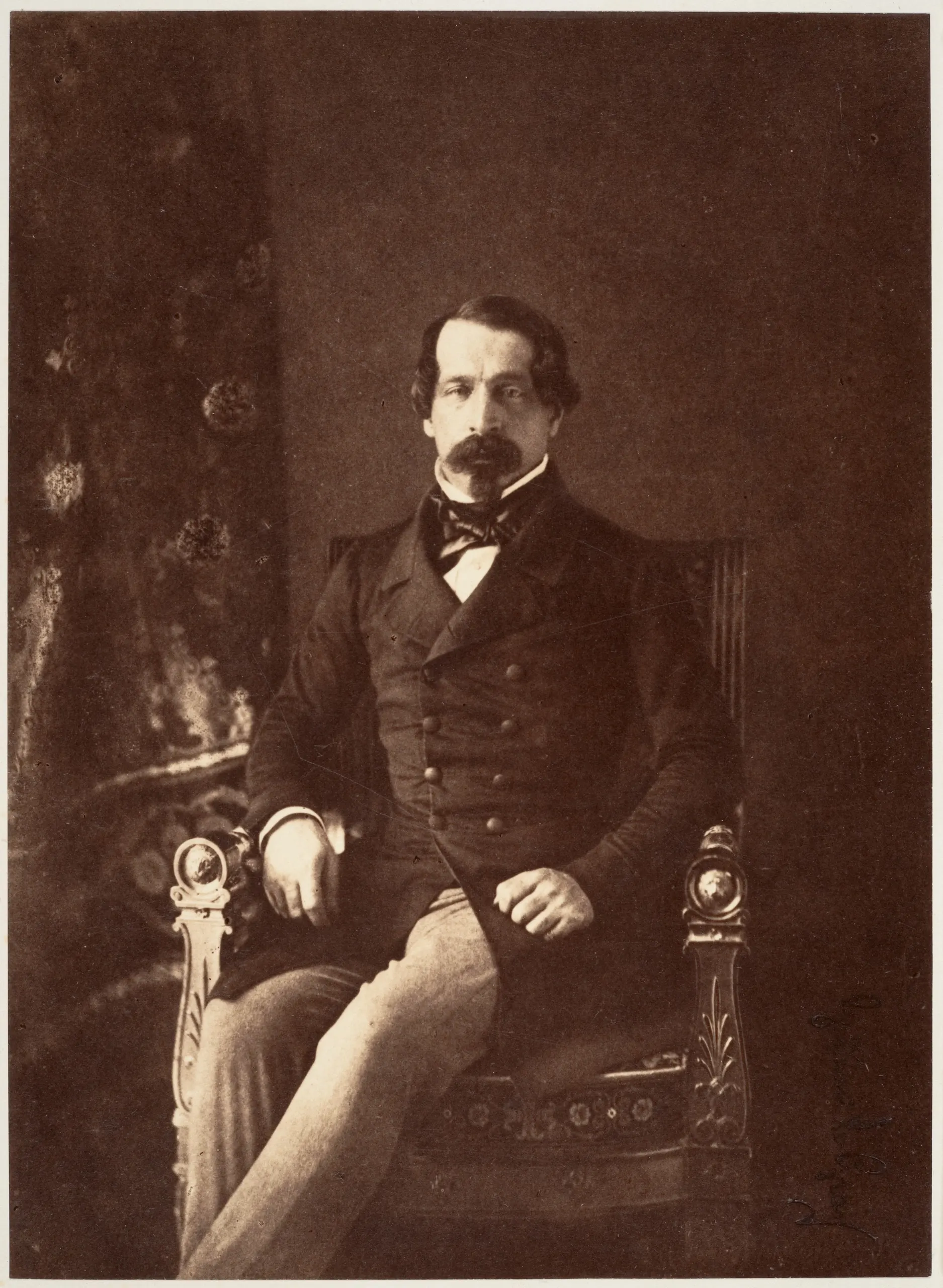
Le Kha Phieu
 Vietnam
Politician and military officer
Also known as: Lê Khả Phiêu, Le Kha Phieu
Birthday
December 27, 1931
Birth Sign
Sagittarius
Birthplace
Dong Khe commune, Dong Son district, Thanh Hoa province, Vietnam
Age
Died at 88
About
Lê Khả Phiêu was a Vietnamese politician and military officer who served as General Secretary of the Communist Party of Vietnam from December 1997 to April 2001. He was the last leader of the party to govern from an openly hardline position, and his four years in the top job marked the final attempt to hold a strict socialist line before Vietnam's integration into the global economy accelerated under his successors.
His career before that was military. For roughly three decades he worked as a political commissar in the Vietnam People's Army, serving through the First and Second Indochina Wars and later in the Cambodian conflict, and he ended that phase as head of the army's General Political Department. He entered the Politburo in 1991 and was elected General Secretary at the 8th National Congress in 1997.
The 9th National Congress removed him in April 2001 and replaced him with Nong Duc Manh. Official statements cited age and health; contemporary accounts pointed to corruption allegations and factional conflict inside the party. He stayed out of public life afterward, made a rare appearance in a 2015 meeting with Vladimir Putin, and died in Hanoi on August 7, 2020, at 88.
Early Life & Background
Lê Khả Phiêu was born on December 27, 1931, in Dong Khe commune, Dong Son district, Thanh Hoa province, in northern Vietnam. The region was poor and rural, and his childhood coincided with French colonial rule and the political unrest that preceded the August Revolution of 1945. He came of age as the country moved from colonial administration to war.
In 1949, at 18, he joined the Indochinese Communist Party. The decision set the course of the next five decades. Rather than pursue a civilian path, he entered the Vietnam People's Army and trained as a political commissar, the officer responsible for morale and ideological discipline within a unit. It was a role that suited the institutions of the time: the army functioned as both a fighting force and a political instrument, and commissars were the link between the two.
His formative professional years were spent in the First Indochina War against France, which ended with the 1954 Geneva Accords and the partition of the country. He then served through the Second Indochina War, the long conflict against the United States and its allies that ended with reunification in 1975. These were not staff appointments in a capital. They were field postings in a war that consumed a generation, and they built the military record that later carried him into the Politburo.
After reunification he continued in military-political work, taking on senior roles in the army's political apparatus. By the late 1980s and early 1990s he had reached the top of that structure as head of the General Political Department, a position that gave him influence over the ideological direction of the armed forces. In 1991, the 7th National Congress elected him to the Politburo, moving him from the military hierarchy into the party's ruling circle. The step from commissar to national leader took 48 years from his party enrollment, and it happened without a public campaign or a personal following. He arrived at the top through institutional service.
Career Growth
The breakthrough came on December 18, 1997, at the 8th National Congress of the Communist Party of Vietnam, when delegates elected Lê Khả Phiêu General Secretary. He succeeded Do Muoi. The vote was read at the time as a win for the conservative wing of the party, which wanted socialist ideology and state control to hold firm against faster market reform.
His tenure ran from December 1997 to April 2001. In office he argued for a return to strict socialist principles and criticized elements of the open-door economic policy pursued under his predecessor. He pushed to strengthen the party's hand in economic management and kept close ties with other communist states. That position put him at odds with reformists who wanted deeper integration into the global economy, and the disagreement shaped his four years in the job.
The end came at the 9th National Congress in April 2001, when the party removed him from the General Secretary post and replaced him with Nong Duc Manh. The official explanation was age and health. Accounts from the period and later historical analysis cite corruption allegations, factional fighting, and his difficulty managing the party's internal divisions. His removal is treated by historians as a turning point: the moment the reform wing took lasting control and the era of strict ideological leadership at the top of the party closed.
He retired from active politics in 2001 and lived in Hanoi for the next 19 years. His public profile after that was minimal. He appeared at occasional party events, and in 2015 he met Russian President Vladimir Putin, a meeting noted because it came 14 years after he had left power. He held no formal post in retirement and gave no interviews that reshaped his record. The verdict on his leadership was left to the party's own histories, which kept his tenure in the official record while the policy direction he had defended was gradually abandoned.
Career Timeline
Public Image & Style
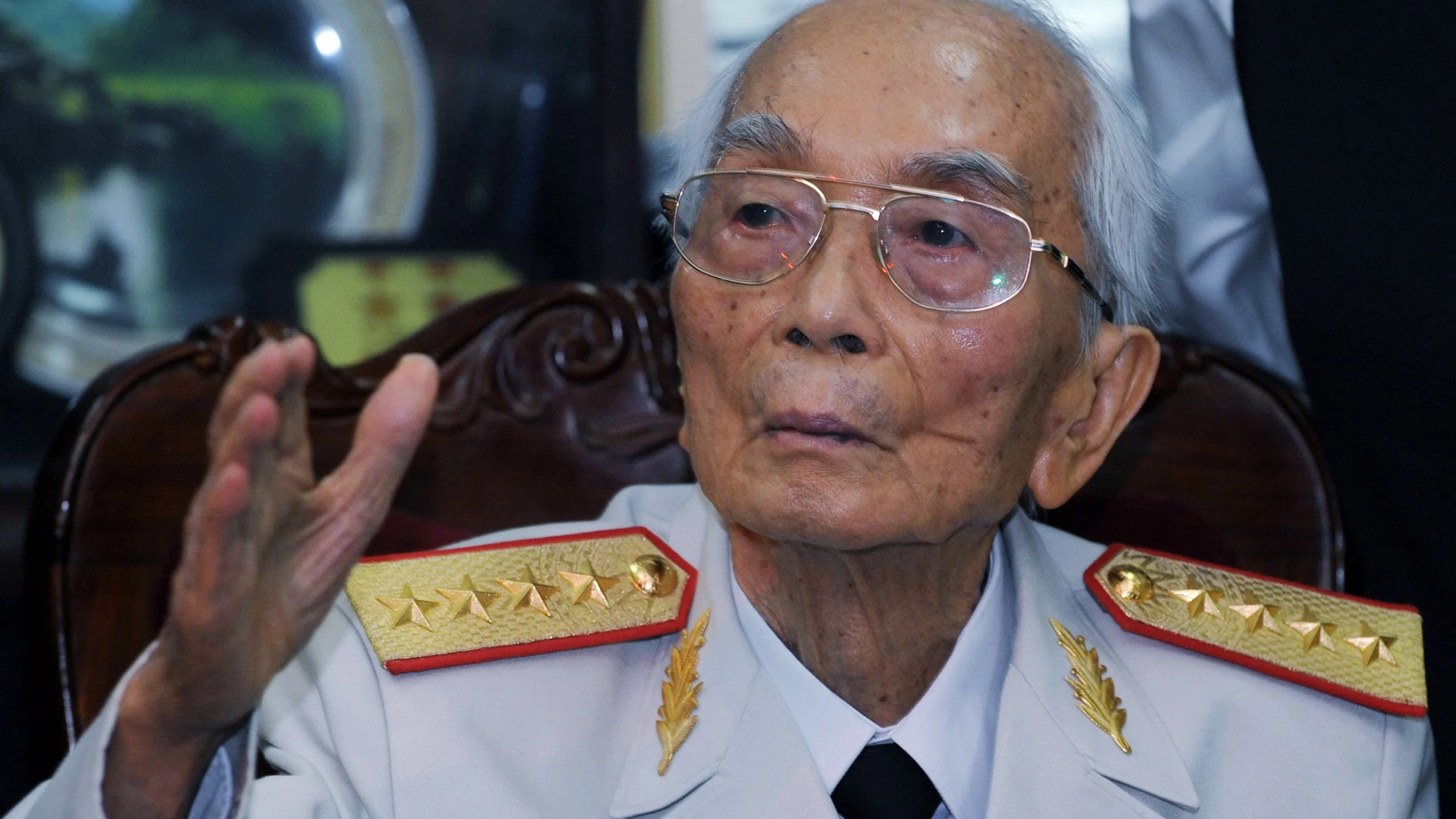
His public image was that of a stern, disciplined soldier-politician. He wore military uniform well past his active command years, a choice that set him apart from the civilian administrators around him and signaled where his authority came from. State media portrayed him as a loyal servant of the revolution, and his speeches leaned on the language of party leadership and resistance to outside influence rather than on economic detail or personal appeal.
He was not a charismatic figure in the conventional sense. He did not cultivate a media presence, gave few interviews, and avoided the kind of public gestures that build a popular following. His rhetoric was formal and uncompromising, and his style reflected the conservative values he defended in office. In photographs from his tenure he appears in official settings: congress halls, military ceremonies, diplomatic receptions.
The contrast with his successors is part of how he is remembered. Where later leaders projected openness to markets and foreign investment, Phiêu projected ideological firmness. That image cost him politically in 2001, but it also made him a clear reference point in accounts of the party's internal debate over reform, and it is the image that persists in historical writing about his tenure.
Fame & Fandom (iFAMOUS Rankings)
Lê Khả Phiêu is a historical figure rather than a celebrity, and his standing reflects that. As of the September 2026 rankings he is the 60th most famous person in Vietnam, holding steady from the previous cycle. The placement rests on decades of military service and four years as General Secretary of the Communist Party of Vietnam, not on entertainment or commercial visibility.
The iFANN Global Fame Rankings track attention across media coverage and consumption signals worldwide, and his profile within them is narrow but stable. Interest is concentrated almost entirely in Vietnam, where state remembrance, historical study, and anniversary coverage keep his name in circulation. Outside the country his recognition is limited to specialists in Southeast Asian politics and Cold War history.
There is no organized fandom. No fanbase name has ever been documented, and there are no campaigns, fan projects, birthday events, or online communities built around him. His public life was conducted through official functions and diplomatic duties, and he gave no interviews that invited a personal following. The audience for his story is made up of historians, students of Vietnamese politics, and veterans' organizations, not fans in the pop-culture sense.
What functions as remembrance in his case is state ceremony: the tributes issued at his death in 2020, the lying-in-state in Hanoi, the burial at Mai Dich Cemetery, and the annual attention paid to his record by party historians. That is a formal and institutional form of memory, and it is the only one his career produced.
Interesting Facts and Legends
He was the last general secretary of the Communist Party of Vietnam to be identified with the hardline faction, a label that appears in nearly every political analysis of his tenure. The 2001 ouster is the story most often retold about him: a leader removed at the party's own congress after less than four years, with age and health given as the reason and factional conflict widely understood as the cause. Historians treat the episode as the moment the reform wing consolidated control.
His 2015 meeting with Vladimir Putin surprised observers, since it came more than a decade after he had left office and had no obvious diplomatic purpose. It remains one of the few post-retirement events involving him that drew international notice.
Privacy was a defining feature of his public life. Vietnamese political elites of his generation did not discuss family in the press, and Phiêu followed that norm strictly. No spouse was ever named in official biographies, and the identities of his children were never released. Even his obituaries in state media mentioned only that he was survived by family, without names.
He wore military dress long after leaving active command, a habit that reinforced the image of a soldier-politician rather than a civilian administrator. In a 2012 statement he defended the party's historical decisions against revisionist accounts, insisting on what he called an undeniable historical reality.
Notable Quotes
“The Party's leadership is the decisive factor for every victory of the revolution.”
“Our history is an undeniable historical reality.”
Family & Personal Life
Lê Khả Phiêu kept his household out of public view for his entire career, in line with the discretion expected of senior Vietnamese officials of his generation. No spouse was ever named in official biographies, state media obituaries, or party records. He was survived by family when he died in 2020, but the statement released at the time did not identify them.
He is known to have had children. Their names, occupations, and whereabouts have never been published, and no family member has spoken to the press about him. That silence was not accidental. Vietnamese political elites of his era treated family as private, and the party apparatus reinforced the norm. His home province of Thanh Hoa, where he was born in 1931, remained a point of reference in official tributes, but no relatives appeared at public ceremonies beyond the immediate funeral arrangements.
After his retirement in 2001 he lived in Hanoi, where he died 19 years later. No property holdings, household details, or personal assets were disclosed at any point, and the handling of his estate after his death was never made public.
Notable Connections
Nong Duc Manh succeeded Lê Khả Phiêu as General Secretary in April 2001 and steered the party toward deeper economic integration. Do Muoi preceded him in the post. Vladimir Putin met Phiêu in 2015, a rare post-retirement contact that drew international notice. Sr. Lt. Gen. Do Xuan Tung paid tribute to his military service after his death in 2020. His political career also ran parallel to that of the reformist figures who gradually took control of the party through the 1990s and 2000s.
Relationships & Dating History
Lê Khả Phiêu's personal life was never part of the public record, and no dating history, marriage, or romantic relationship involving him has been documented in official biographies, state media, or international reporting. Vietnamese political elites of his generation treated family matters as private, and he followed that practice without exception across a career that ran from 1949 to his death in 2020.
No spouse was ever named. State obituaries and party tributes issued after his death on August 7, 2020, said only that he was survived by family, without identifying anyone. He is known to have had children, but their names and details have not been published, and no family member has spoken publicly about him.
There are no credible reports of a marriage, a divorce, or a long-term partner, and no rumored relationships appear in the historical record. The silence is consistent with the norms of the Communist Party of Vietnam's senior ranks during his era, where officials were expected to keep their households out of the press and the party apparatus enforced that expectation.
As of 2026, six years after his death, the position is unchanged. His relationship status at the time of his death is not publicly known, and no partner has ever been identified in any source. For readers looking for a dating history, there is none to report: his private life stayed private from his first party post in 1949 to his burial at Mai Dich Cemetery in 2020.
Death & Aftermath
Died
August 7, 2020 (aged 88)
Death Place
Hanoi, Vietnam
Cause of Death
Natural causes related to advanced age and illness
Lê Khả Phiêu died at 88 on August 7, 2020, in Hanoi, where he had lived quietly since leaving office in 2001. The Communist Party of Vietnam announced the death and attributed it to natural causes tied to advanced age and illness; no specific diagnosis was released, and no independent medical statement followed. He had made no public appearances in the months before his death.
The state declared a period of national mourning. His body lay in state in Hanoi from August 7 to August 8, 2020, and the government suspended sports and entertainment events nationwide as a mark of respect. Memorial ceremonies were held in Hanoi, Ho Chi Minh City, and Thanh Hoa province, his home region, drawing officials, veterans, and members of the public who filed past the coffin.
The funeral and burial took place on August 15, 2020, at Mai Dich Cemetery in Hanoi. Senior figures from the party, state, and military attended, among them Sr. Lt. Gen. Do Xuan Tung, who paid tribute to Phiêu's long service. State media eulogized him as a leader who devoted his life to the country, and the party's official histories kept his record as General Secretary intact.
No posthumous books, films, or recordings appeared in the months that followed, and his estate was never made public. Under Vietnamese practice, the assets of senior officials are not disclosed, and no will, inheritance, or property record entered the public domain. What remained was the official account: a state funeral, a burial at Mai Dich, and a place in the party's written history as the last general secretary to press a strict ideological line before the reform wing consolidated control.
Net Worth (Estate Value)
$1 Million
iFANN Editorial Team estimate
No credible net worth figure exists for Lê Khả Phiêu, and the iFANN Editorial Team's research places his estate at approximately $1 Million, an estimate built from what is known about official compensation rather than from any disclosed asset record. He spent his working life as a military officer and party official in a socialist state where senior figures drew state salaries, not market-rate pay, and where personal finances were not published.
His income across five decades came from the state. As a political commissar in the Vietnam People's Army he earned a military salary and lived in state-provided housing. As General Secretary from 1997 to 2001 he received the standard compensation of the office. He held no business interests, no board seats, and no commercial partnerships. There were no endorsement deals, no speaking fees, and no publishing income of the kind that later generations of political figures might collect from memoirs.
After his retirement in 2001 he lived in Hanoi on a state pension. Vietnam does not disclose the assets of senior officials, and no property record, investment holding, or bank account linked to him has ever entered the public domain. When he died in 2020, no will, inheritance, or estate settlement was announced. State media reported only that he was survived by family.
That absence of information is itself the finding. His estate was never valued publicly, no posthumous licensing or royalties exist, and there is no estate manager, foundation, or trust connected to his name. The $1 Million figure is an editorial estimate of a lifetime of state salaries and pension, not a documented sum. Anyone citing a larger number for him would be inventing it. The financial story of Lê Khả Phiêu is a career of public service compensated at official rates, with the details sealed by the norms of the system he served.
Awards Won (2)
His decorations are state honours rather than commercial awards. He received the Ho Chi Minh Medal, one of Vietnam's highest distinctions, along with the National Defence Medal for his military service. He also held multiple orders and medals for participation in the wars of independence and national reconstruction, the standard set awarded to senior military and political figures of his generation.
State honour
Lifetime contribution to the revolution
Military honour
Service in the Vietnam People's Army
Known For
General Secretary of the Communist Party of Vietnam
1997-2001 · General Secretary
Head of the General Political Department, Vietnam People's Army
1980s-1991 · Department head
Politburo of the Communist Party of Vietnam
1991-2001 · Member
Keywords
Sources
Quick Facts
- Profession
- Politician and military officer
- Born
- December 27, 1931
- Birthplace
- Dong Khe commune, Dong Son district, Thanh Hoa province, Vietnam
- Died
- August 7, 2020
- Death Place
- Hanoi, Vietnam
- Cause of Death
- Natural causes related to advanced age and illness
- Gender
- Male
- Birth Sign
- Sagittarius
- Party
- Communist Party of Vietnam (joined 1949)
- Term as General Secretary
- December 1997 to April 2001
- Predecessor
- Do Muoi
- Successor
- Nong Duc Manh
Personal Details
- Full Name
- Lê Khả Phiêu
Frequently Asked Questions
Who was Lê Khả Phiêu?
How did Lê Khả Phiêu die?
Why was Lê Khả Phiêu removed from power?
Where was Lê Khả Phiêu born?
Did Lê Khả Phiêu have a wife or children?
Similar People

Join the community
fans discussing