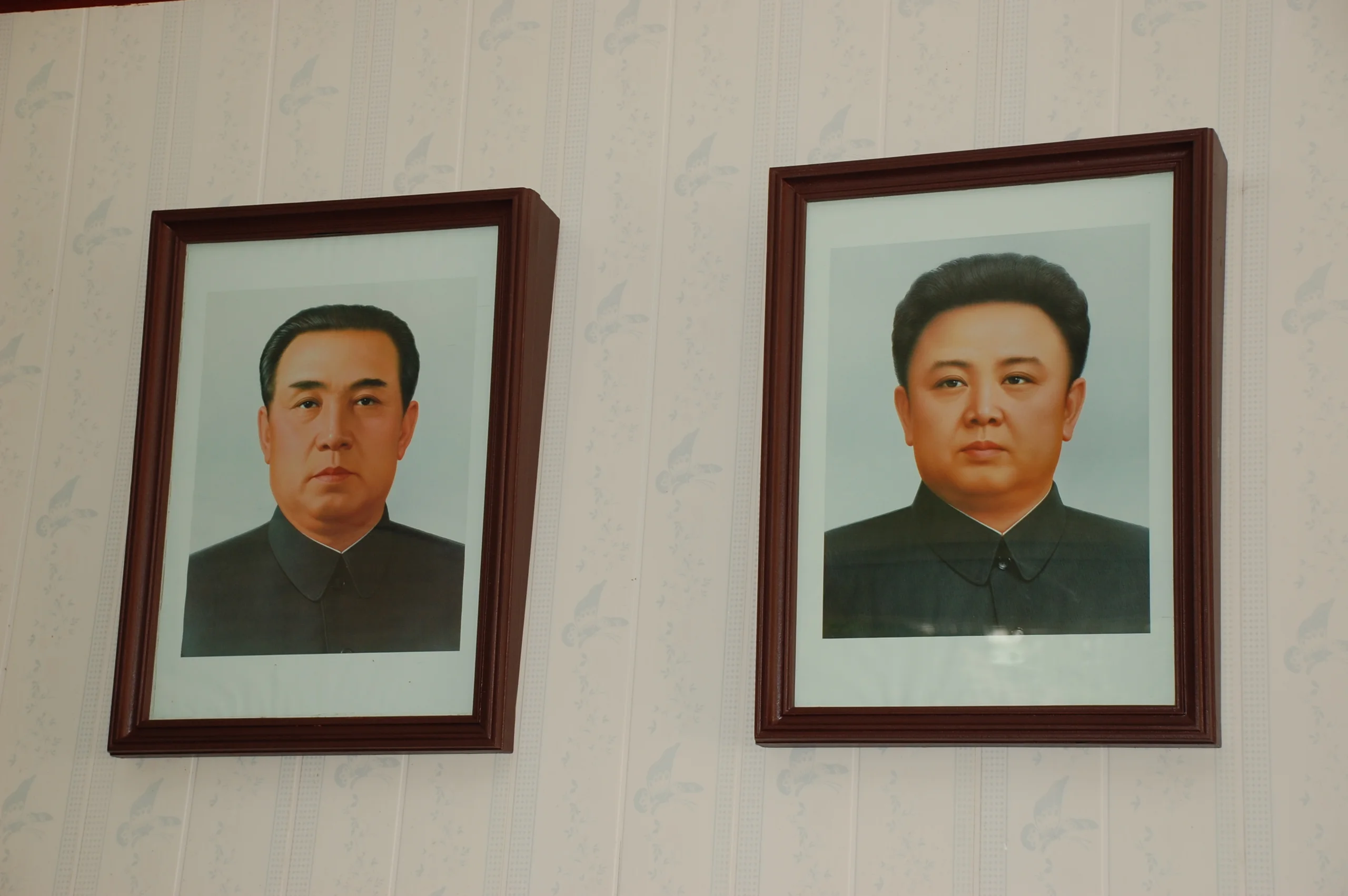
Kim Jong-il
politician•military personnel•film producer
Also known as: Yuri Irsenovich Kim, Dear Leader, Great Successor
Birthday
February 16, 1941
Birth Sign
Aquarius
Birthplace
Vyatskoye, Soviet Union
Age
Died at 70
Height
5 ft 6 in (168 cm)
About
Kim Jong-il was the second supreme leader of North Korea, serving from 1994 until his death in 2011. Born Yuri Irsenovich Kim in the Soviet Union, he moved to Pyongyang in 1945 and rose through the ranks of the Workers' Party of Korea to become the country's dictator. He held titles including General Secretary of the Workers' Party of Korea and Chairman of the National Defense Commission. His rule was defined by absolute power, a pervasive cult of personality, and an obsession with cinema which he used as a primary tool for ideological indoctrination.
Before his political dominance, Kim developed a reputation as a film enthusiast and critic. He produced over 50 films and directed several himself, often blending artistic interests with political messaging. His directorial credits include Sea of Blood, The Flower Girl, and My Home Village. While he opened the Kaesong Industrial Region in 2003 to test economic reforms, his regime also pursued nuclear weapons, conducting its first test in 2006 and another in 2009. These actions drew international sanctions and ended tentative diplomatic warm-ups achieved during meetings with South Korean leaders.
Early Life & Background
Kim Jong-il was born Yuri Irsenovich Kim in Vyatskoye, a remote village near Khabarovsk in the Soviet Union, on February 16, 1941. Some Western intelligence sources suggest 1942 as his birth year, but the official North Korean date is 1941. His father, Kim Il Sung, was a guerrilla commander fighting Japanese occupation who had fled to the USSR for safety during World War II. In 1945, following Japan's surrender, the family returned to Pyongyang, where Kim Jong-il began his life within the emerging North Korean elite.
His childhood was marked by privilege and isolation. He received an education that included time in China, where he attended school in Yan'an, and later in the Soviet Union. Unlike typical political heirs, Kim Jong-il developed a deep fascination with film at a young age. By the late 1950s, he began studying film theory and production, often visiting Moscow to study cinema. This interest was not merely a hobby; it became a central pillar of his political strategy, viewing film as the most potent tool for ideological indoctrination. He joined the Workers' Party of Korea in 1961, and his rise was rapid but calculated. By 1966, he was appointed head of the Propaganda and Agitation Department, where he oversaw the intensification of the cult of personality surrounding his father and himself. Formal designation as his father's successor occurred at the Sixth Congress of the WPK in 1980, solidifying his path to power.
Career Growth
Kim Jong-il assumed full leadership of North Korea following the death of his father, Kim Il Sung, on July 8, 1994. He officially adopted the title "General Secretary" in 1997 and was elected Chairman of the Presidium of the Supreme People's Assembly in 1998, formally becoming the head of state. His early years in power were marked by severe economic challenges, including a catastrophic famine that lasted through the late 1990s. To stabilize the country, he implemented Songun, or military-first policies, placing the army at the center of civil society.
During the 2000s, Kim engaged in inter-Korean summits with South Korean leaders Kim Dae-jung and Roh Moo-hyun, leading to brief periods of diplomatic thaw and the opening of the Kaesong Industrial Region in 2003. However, his regime also pursued nuclear weapons, conducting its first test in 2006 and a second in 2009, which triggered international sanctions. In 2008, he disappeared from public view for several months, sparking widespread rumors of illness or assassination. By 2010, he promoted his third son, Kim Jong-un, to high-ranking military posts, signaling succession. His career ended with his death on December 17, 2011, leaving behind a legacy of isolation and nuclear capability.
Career Timeline
Public Image & Style
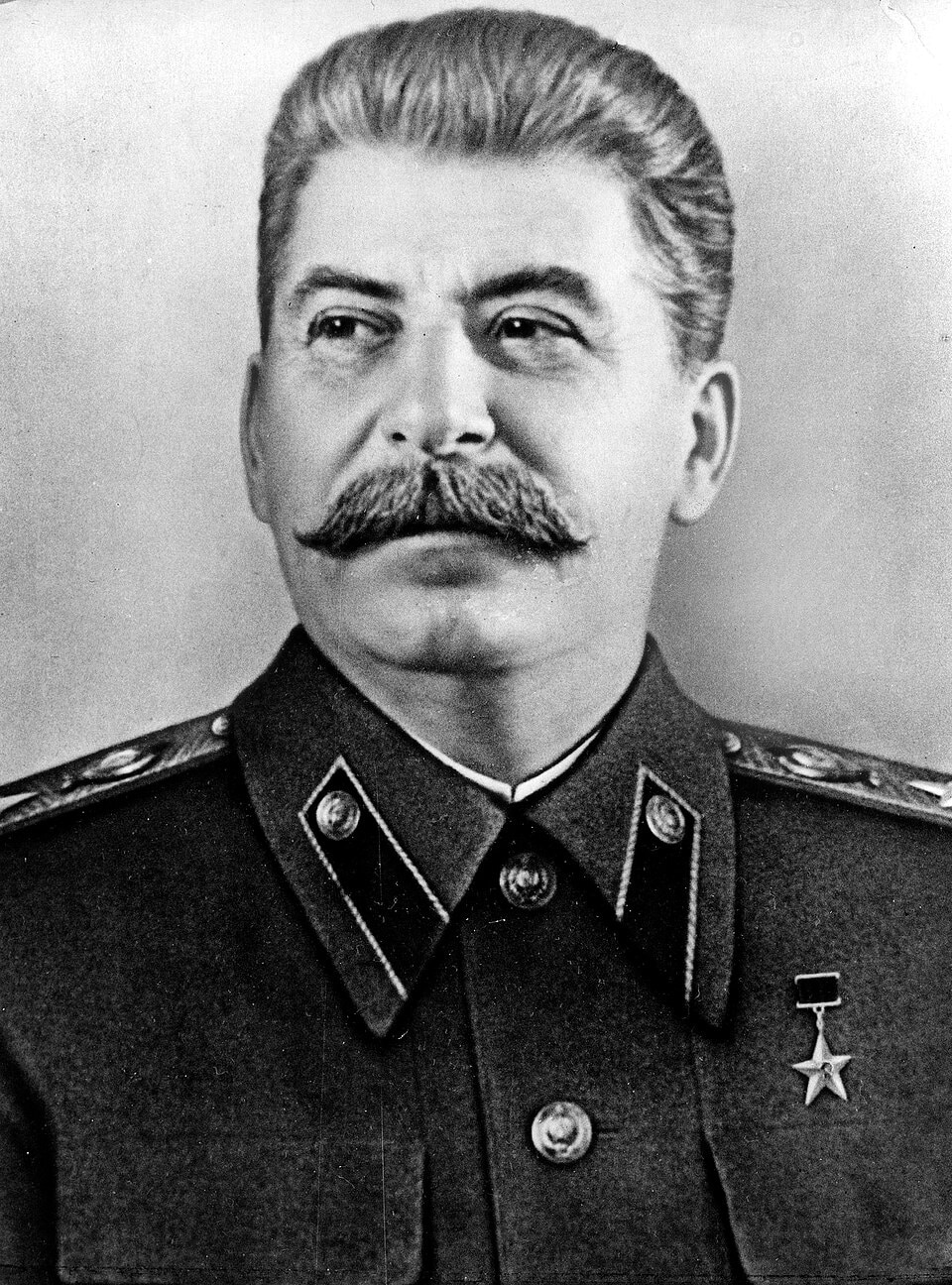
Kim Jong-il was portrayed as a benevolent, yet stern, father figure to the North Korean people. Media portrayals often highlighted his intelligence and cultural interests, contrasting with the brutality of his regime. His image was carefully curated to project strength and omniscience. He was known for his heavy smoking and love of chocolate, details that humanized him slightly in state propaganda while maintaining his aura of invincibility. His distinctive style, often wearing military uniforms or dark suits, reinforced his role as a military leader and statesman.
Fame & Fandom (iFAMOUS Rankings)
iFANN has not yet collected fame data for this person. As of September 2026, there is no published ranking for Kim Jong-il in the global fame indices. Outside North Korea, he is viewed as a notorious dictator and a subject of historical study rather than a celebrity with fans. The North Korean population was subjected to state-mandated adoration, but this was not a voluntary fanbase. There is no formal fandom name or organized fan culture associated with him in the way modern celebrities might have.
Interesting Facts and Legends
Kim Jong-il was known for his love of American chocolate, particularly Hershey's bars, which were smuggled into the country. He reportedly watched up to 100 films a week and produced over 50 movies himself. The North Korean state propaganda insists he was born on Mount Paektu, a sacred site, to legitimize his divine right to rule, despite evidence placing his birth in the Soviet Union. His disappearance in 2008 led to wild speculation, including rumors that he had been assassinated or was in a coma. He was also known for his heavy smoking and distinctive style, often wearing military uniforms or dark suits.
Notable Quotes
“We must build a strong socialist economy and a powerful defense capability.”
“The revolution is not a matter of choice; it is a necessity.”
Family & Personal Life
Kim Jong-il's personal life was shrouded in secrecy, typical of North Korean leadership, but multiple marriages and relationships have been documented by defectors and intelligence agencies. His primary partner was Ko Yong-hui, believed to be his wife in all but name, who gave birth to his eldest son Kim Jong-nam and youngest son Kim Jong-un. Other partners included Song Hye-rim, an actress and dancer, and Kim Young-sook, an actress and singer. He had at least eight children, though only three are widely acknowledged: Kim Jong-nam, Kim Jong-un, and Kim Yo-jong. Kim Jong-nam was executed in 2017 at Kuala Lumpur International Airport, while Kim Jong-un currently serves as the Supreme Leader of North Korea.
Notable Connections
Kim Il-sung, Kim Jong-un, Ko Yong-hui, Ri Yong-ho, Choe Ryong-hae.
Relationships & Dating History
Kim Jong-il's personal life was shrouded in secrecy, typical of North Korean leadership, but multiple marriages and relationships have been documented by defectors and intelligence agencies. His primary partner was Ko Yong-hui, believed to be his wife in all but name, who gave birth to his eldest son Kim Jong-nam and youngest son Kim Jong-un. Their relationship likely began in the 1970s or early 1980s and continued until his death in 2011. They are believed to have married unofficially to preserve the myth of his purity.
Other partners included Song Hye-rim, an actress and dancer, and Kim Young-sook, an actress and singer. These relationships were likely arranged or facilitated by the state. No specific start/end dates or reasons for splits are publicly documented due to the nature of the regime. Kim Jong-il had at least eight children, though only three are widely acknowledged. His relationships were private, often involving state-selected partners, actresses, or dancers. There are no verified public engagements, breakups, or divorces in the traditional sense, as these events were kept entirely secret from the public and the state apparatus controlled all aspects of his personal life.
- MarriedKo Yong-hui1975 - 2011Primary partner and mother of Kim Jong-nam and Kim Jong-un; relationship likely unofficial to preserve image of purity.
- DatedSong Hye-rim1965 - 1970Former actress and dancer; reported to be a long-term partner before or concurrent with others.
- MarriedKim Young-sook1970 - 1980Actress and singer; considered a secondary spouse.
- MarriedHong Il-chon1960 - 1965Early spouse; details scarce.
- DatedKim Ok1962 - 1964Linked to the birth of specific children.
Death & Aftermath
Died
December 17, 2011 (aged 70)
Death Place
Samsu, South Hamgyong Province, North Korea
Cause of Death
Massive heart attack (acute myocardial infarction)
Kim Jong-il died on December 17, 2011, while traveling by train near Samsu in South Hamgyong Province. State media announced his passing two days later, citing a massive heart attack as the cause, though no independent autopsy was ever made public. The official narrative claimed he suffered a fatal cardiac event during a routine inspection trip, but intelligence reports and defector accounts have long suggested he may have been in poor health for months prior or that the location of his death was a private residence rather than the train car described in state broadcasts.
The nation declared a nine-day period of national mourning immediately following the announcement. Millions of North Koreans participated in orchestrated vigils across the country, weeping publicly under strict supervision to demonstrate their loyalty. The funeral ceremony took place on December 28, 2011, at the Kumsusan Palace of the Sun, featuring grand military parades and floral tributes attended by thousands of officials. Special envoys representing Russian President Vladimir Putin and Chinese Premier Wen Jiabao were present to honor the Eternal Leader before his ashes were interred in the Grand Mausoleum.
His son, Kim Jong-un, succeeded him as the Supreme Leader, marking the beginning of the third generation of Kim rule. The transition was managed with extreme secrecy to ensure continuity of power, and the regime tightened its grip on the population shortly after the death. Posthumously, Kim Jong-il was declared the Eternal President of the Democratic People's Republic of Korea, cementing his status as an untouchable figure in North Korean history. His legacy remains one of absolute control, nuclear proliferation, and a cult of personality that continues to define the nation today.
Net Worth (Estate Value)
$500 Billion
iFANN Editorial Team estimate
As a deceased dictator, Kim Jong-il does not have a net worth in the traditional sense of a living individual's assets. However, his estate and the wealth accumulated by the North Korean regime under his rule are estimated to be in the hundreds of billions of dollars, largely derived from state-controlled industries, illicit trade, and nuclear programs. iFANN currently estimates the value of the North Korean state wealth accumulated during his reign at approximately $500 billion. Personal assets such as bank accounts or real estate holdings outside of state property remain unverified due to the closed nature of the regime.
Estimates come from UN reports, South Korean intelligence, and academic studies on North Korean economics. While some speculative reports claim higher figures, these lack verification. The regime's wealth was maintained through state-controlled industries and illicit activities, with little transparency regarding individual financial holdings. The estate's financial trajectory over the years reflects the broader economic struggles of North Korea, characterized by stagnation and reliance on external aid and illicit trade.
Awards Won (4)
Kim Jong-il did not win international awards like Oscars, Grammys, or Golden Globes. However, he received numerous domestic honors and state distinctions within North Korea, which function as awards within his sphere of influence. These include the Order of Kim Il Sung, Hero of the Republic, State Prize of the DPRK, and Order of the Red Banner. His awards were internal state decorations recognizing his contributions to film, literature, and the revolutionary cause.
1998 · State Decoration
Lifetime Achievement
1992 · National Honor
Political Leadership
Known For
North Korean Politics
1994 · Supreme Leader
Film Production
1974 · Producer/Director
Nuclear Program
2006 · Architect
Keywords
Sources
Quick Facts
- Profession
- politician, military personnel, film producer
- Born
- February 16, 1941
- Birthplace
- Vyatskoye, Soviet Union
- Died
- December 17, 2011
- Death Place
- Samsu, South Hamgyong Province, North Korea
- Gender
- Male
- Spouse
- Ko Yong-hui, Song Hye-rim, Kim Young-sook, Hong Il-chon, Kim Ok
- Birth Sign
- Aquarius
Personal Details
- Full Name
- Yuri Irsenovich Kim
- Height
- 5 ft 6 in (168 cm)
- Spouse
- Ko Yong-hui, Song Hye-rim, Kim Young-sook, Hong Il-chon, Kim Ok
- Children
- Kim Jong-nam, Kim Jong-un, Kim Yo-jong, Kim Sul-song, Kim Chul-song
- Education
- Kyoto University (attended briefly), Pyongyang University of Film and Television (studied film theory)
Filmography
52
Total
50
Film
2
TV
Frequently Asked Questions
How did Kim Jong-il die?
Who succeeded Kim Jong-il?
Was Kim Jong-il really born on Mount Paektu?
Did Kim Jong-il have any children?
What was Kim Jong-il's favorite food?
Join the community
fans discussing