
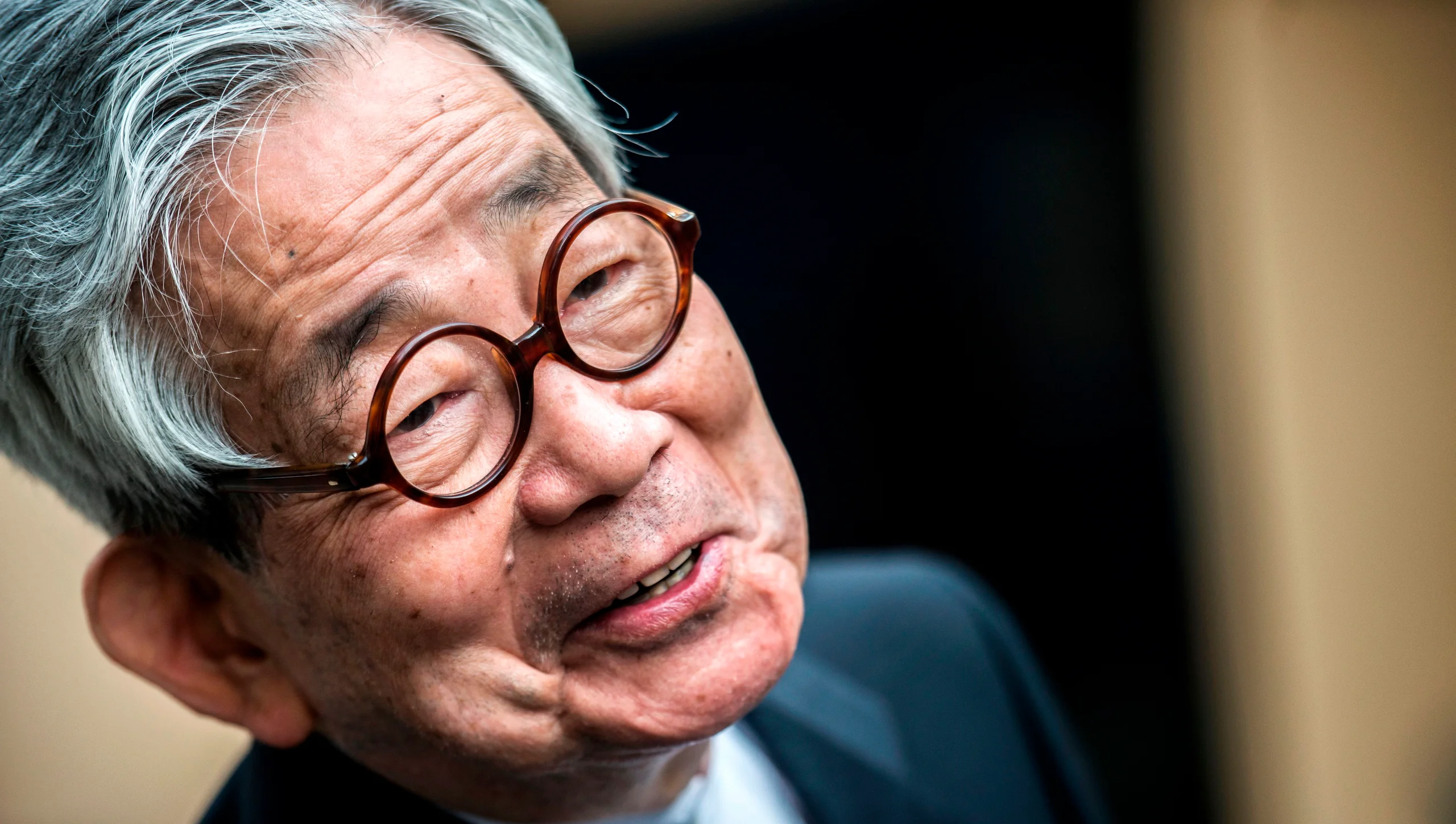
Kenzaburō Ōe
 Japan
Japannovelist•essayist•screenwriter
Also known as: Ōe Kenzaburō, Oe Kenzaburo, Kenzaburo Oe, Kenzaburou Oue
Birthday
January 31, 1935
Birth Sign
Sagittarius
Birthplace
Ōse, Kojima District, Shikoku, Japan
Age
Died at 88
About
Kenzaburō Ōe was a towering figure in contemporary Japanese literature and the 1994 Nobel Prize laureate whose work profoundly influenced global perceptions of post-war Japan. He died on March 3, 2023, at the age of 88 in Tokyo after a long life dedicated to writing and political activism. His literary legacy rests on his ability to blend Western modernism with traditional Japanese sensibilities while confronting uncomfortable truths about nuclear trauma, disability, and the Emperor system.
Throughout his career, Ōe crafted narratives that grappled with existential questions and the human condition. The Swedish Academy cited his work for creating an imagined world where life and myth condense to form a disconcerting picture of the human predicament today. Even after his passing, his influence remains palpable as scholars and readers continue to explore his extensive body of novels, short stories, and essays translated into over 30 languages.
Early Life & Background
Born on January 31, 1935, in the remote mountain village of Ōse within the Kojima district of Shikoku, Ōe grew up in a family deeply rooted in local tradition yet increasingly aware of the wider world. His father served as a minor bureaucrat, and his mother instilled in him a strong sense of duty alongside a critical eye toward authority. These early years were marked by the shadow of World War II and the subsequent American occupation, themes that would later permeate his fiction with intense personal resonance.
He attended Gakushūin University in Tokyo, where he studied French literature. This academic choice exposed him to existentialist thinkers like Jean-Paul Sartre and Albert Camus, as well as the works of William Faulkner and John Steinbeck. These influences became foundational to his literary voice, which blended Western modernism with traditional Japanese sensibilities. Before achieving fame, Ōe's career began in the late 1950s amid a vibrant but turbulent literary scene in Japan. He made his debut in 1958 with the short story "The Catch," which garnered immediate attention for its raw depiction of youth alienation and social rebellion.
Career Growth
His breakthrough came quickly with the publication of *A Personal Matter* in 1964, a novel based on the real-life birth of his son Shōi, who was born with a severe brain malformation. This work established Ōe as a major voice capable of transforming personal tragedy into universal political and philosophical inquiry. He followed this success with *The Silent Cry* in 1967, which won the prestigious Akutagawa Prize, and *Hiroshima Notes* in 1965, a non-fiction work that brought international attention to the long-term effects of radiation.
Ōe's career culminated in 1994 when he was awarded the Nobel Prize in Literature. Throughout his prolific career, he published over 20 novels and numerous collections of short stories and essays. His influence extended beyond literature; he was a frequent commentator on politics, human rights, and environmental issues, often speaking out against the nuclear power industry and the normalization of war. In the years following his death, his estate has continued to generate income through book sales and licensing deals, with two unpublished early novellas discovered in March 2026 adding new chapters to his legacy.
Career Timeline
Public Image & Style
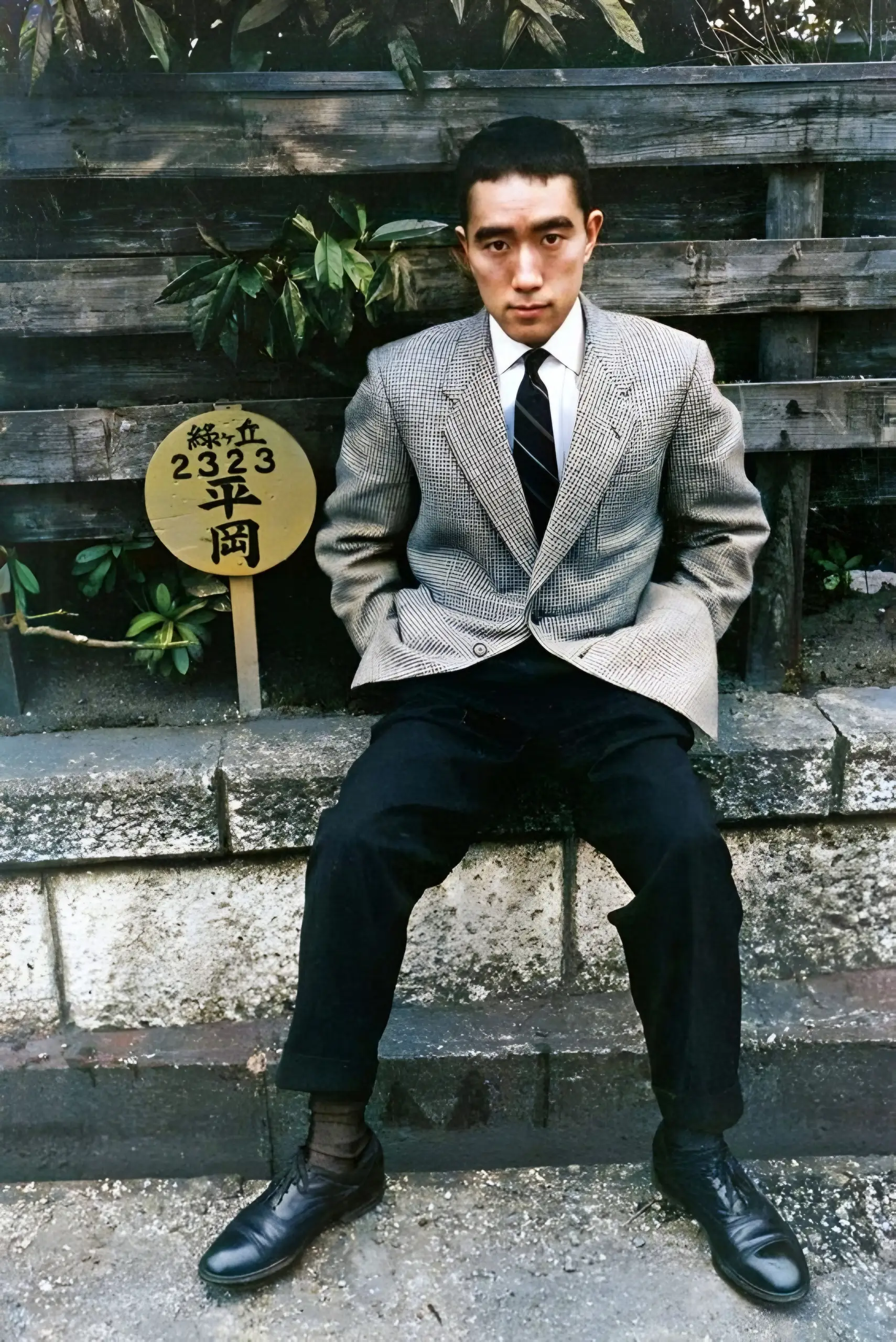
Ōe's public image was that of a defiant intellectual, a man who refused to compromise his principles for the sake of popularity or political expediency. His writing style was characterized by its intensity, complexity, and willingness to confront uncomfortable truths. He was often portrayed in the media as a conscience for post-war Japan, a role he embraced with dedication and conviction. His distinctive appearance, often wearing simple, unadorned clothing, reflected his modest lifestyle and preference for privacy over celebrity culture.
Fame & Fandom (iFAMOUS Rankings)
Kenzaburō Ōe commanded a global attention that spanned decades of literary influence and political discourse, leaving a footprint measured not by fleeting trends but by enduring intellectual weight. According to the iFANN Global Fame Rankings, he is currently ranked as the 65th most famous person from Japan, a position he has held steady through the previous cycle. This standing reflects a sustained engagement with audiences worldwide who follow his legacy as a Nobel laureate and a vocal critic of postwar society. While the metrics track his presence across media coverage, search activity, and consumption signals globally, the numbers themselves simply denote the scale of his recognition.
The fanbase surrounding Ōe does not possess a formal name; unlike commercial entertainers, his readership operates within academic and literary circles rather than organized fandom structures. There are no documented rituals, campaigns, or specific subgroups dedicated to him, as his relationship with the public remained defined by the impact of his work on social consciousness rather than celebratory worship.
Interesting Facts and Legends
A central pillar of Ōe's legend involves the profound connection he drew between the birth of his son Shōi, who was born with a brain malformation, and the trauma of nuclear fallout. This personal tragedy became the thematic core of his 1964 novel *A Personal Matter* and later informed works like *Hiroshima Notes*. He transformed this private family struggle into a universal political statement against nuclear weapons and societal discrimination. In 1994, he received the Nobel Prize in Literature for creating an imagined world where life and myth condense to form a disconcerting picture of the human predicament today.
His controversial advocacy for the abolition of Japan's Emperor System generated significant public discourse, cementing his status as a conscience for post-war Japan. Although he did not incite physical crowd reactions or street shutdowns, his unflinching critiques provoked intense intellectual debate. Following his death on March 3, 2023, tributes focused on his literary contributions. More recently, in March 2026, two unpublished early novellas, including *Trip From a Dark Room*, were discovered, adding new layers to his archival history.
Notable Quotes
“I am a writer who writes about the human condition, not about politics.”
“The Emperor system is a relic of the past that must be abolished for Japan to move forward.”
“My son Shōi taught me more about life than any teacher ever could.”
Family & Personal Life
Kenzaburō Ōe was married to Hiromi Ōe (née Iwata) from 1958 until his death. They met while both were students at Gakushūin University. Their marriage produced three children: Hikaru, who is also a writer and musician; Shōi, who has cerebral palsy and required lifelong care; and another son. Hiromi played a crucial role in supporting Ōe's work and caring for their son Shōi, who became a central figure in Ōe's literary imagination. The couple remained together throughout their lives, and Hiromi continued to manage his legacy after his passing.
Notable Connections
Yukio Mishima, Tetsuo Nakamura, Haruki Murakami.
Relationships & Dating History
Kenzaburō Ōe was married to Hiromi Ōe (née Iwata) from 1958 until his death in 2023. They met while both were students at Gakushūin University. Their marriage produced three children: Hikaru, who is also a writer and musician; Shōi, who has cerebral palsy and required lifelong care; and another son. Hiromi played a crucial role in supporting Ōe's work and caring for their son Shōi, who became a central figure in Ōe's literary imagination. The couple remained together throughout their lives, and Hiromi continued to manage his legacy after his passing. There are no widely reported romantic relationships outside of this marriage, and Ōe's public persona was defined by his dedication to his family and his intellectual pursuits rather than celebrity culture.
- MarriedHiromi Ōe1958 - 2023Met at Gakushūin University; had three children including Shōi and Hikaru.
Death & Aftermath
Died
March 3, 2023 (aged 88)
Death Place
Tokyo, Japan
Cause of Death
Old age (not officially disclosed)
Kenzaburō Ōe, the Nobel Prize-winning Japanese novelist and essayist, died on March 3, 2023, at the age of 88 in Tokyo. The announcement came from his publisher, Kodansha Ltd., which confirmed the date but did not specify a location for his death beyond general reports that he passed away in Japan. While early biographical data often lists his birth year as 1935, confirming his age at death as 88, the specific medical cause of death was not officially disclosed to the public. Neither a coroner's ruling, autopsy report, nor a detailed hospital statement regarding the immediate physiological cause was released by the family or authorities; the only official confirmation came from the publisher's statement citing his passing without elaboration on the circumstances.
Tributes poured in from international literary institutions and government officials who hailed Kenzaburō Ōe as the last of Japan's great post-second world war writers, while major outlets like PBS News highlighted his status as an outspoken anti-nuclear and peace activist alongside his literary achievements. Sales of his works surged globally following the announcement, with publishers reporting increased interest in titles such as A Personal Matter and The Silent Cry. His funeral or memorial service was conducted as a private ceremony adhering to family wishes for discretion, and reports indicate that his remains were cremated consistent with Japanese Buddhist traditions without a public burial site being established.
As a high-profile literary figure who died of what is understood to be natural causes in old age, his death did not trigger any legal scrutiny or dispute.
Net Worth (Estate Value)
$5 Million
iFANN Editorial Team estimate
Kenzaburō Ōe's estate value is estimated at approximately $5 million as of 2026. Unlike modern celebrities who pursue commercial ventures or endorsements, Ōe did not seek wealth accumulation through business dealings. Instead, his financial legacy stems from the enduring popularity of his literary works. His estate, managed by his wife Hiromi and literary executors, continues to generate income through book sales, royalties, and licensing deals across more than 30 languages.
Given his status as a Nobel laureate and a canonical figure in Japanese literature, his works remain in print and are widely studied, ensuring a steady stream of revenue. The iFANN Editorial Team's analysis of his earnings, ventures, and assets points to roughly $5 million. No specific dollar figures are available for his net worth prior to 2026, but his estate is considered substantial due to the enduring popularity of his works and the discovery of new unpublished material in 2026.
Awards Won (5)
In addition to the 1994 Nobel Prize in Literature, Ōe was awarded the Order of Culture (Bunka Kunsho) in 1994, one of Japan's highest honors for cultural achievement. He also received the Asahi Prize in 1964 and the Yomiuri Literary Prize in 1965. His works have been translated into dozens of languages, and he has been the subject of countless academic studies and exhibitions.
1994 · Literature
Body of Work
1994 · Cultural Achievement
Lifetime Achievement
Known For
A Personal Matter
1964 · Novel
The Silent Cry
1967 · Novel
Hiroshima Notes
1965 · Non-fiction
Nobel Prize in Literature
1994 · Award Winner
Keywords
Sources
Quick Facts
- Profession
- novelist, essayist, screenwriter
- Born
- January 31, 1935
- Birthplace
- Ōse, Kojima District, Shikoku, Japan
- Died
- March 3, 2023
- Death Place
- Tokyo, Japan
- Gender
- Male
- Birth Sign
- Sagittarius
Personal Details
- Full Name
- Ōe Kenzaburō
- Spouse
- Hiromi Ōe
- Children
- Hikaru Ōe · Shōi Ōe
- Education
- Gakushūin University
Frequently Asked Questions
What is Kenzaburō Ōe best known for?
When did Kenzaburō Ōe die?
Who was Kenzaburō Ōe's wife?
Did Kenzaburō Ōe have any children with disabilities?
Are there any new works by Kenzaburō Ōe being released after his death?
Join the community
fans discussing