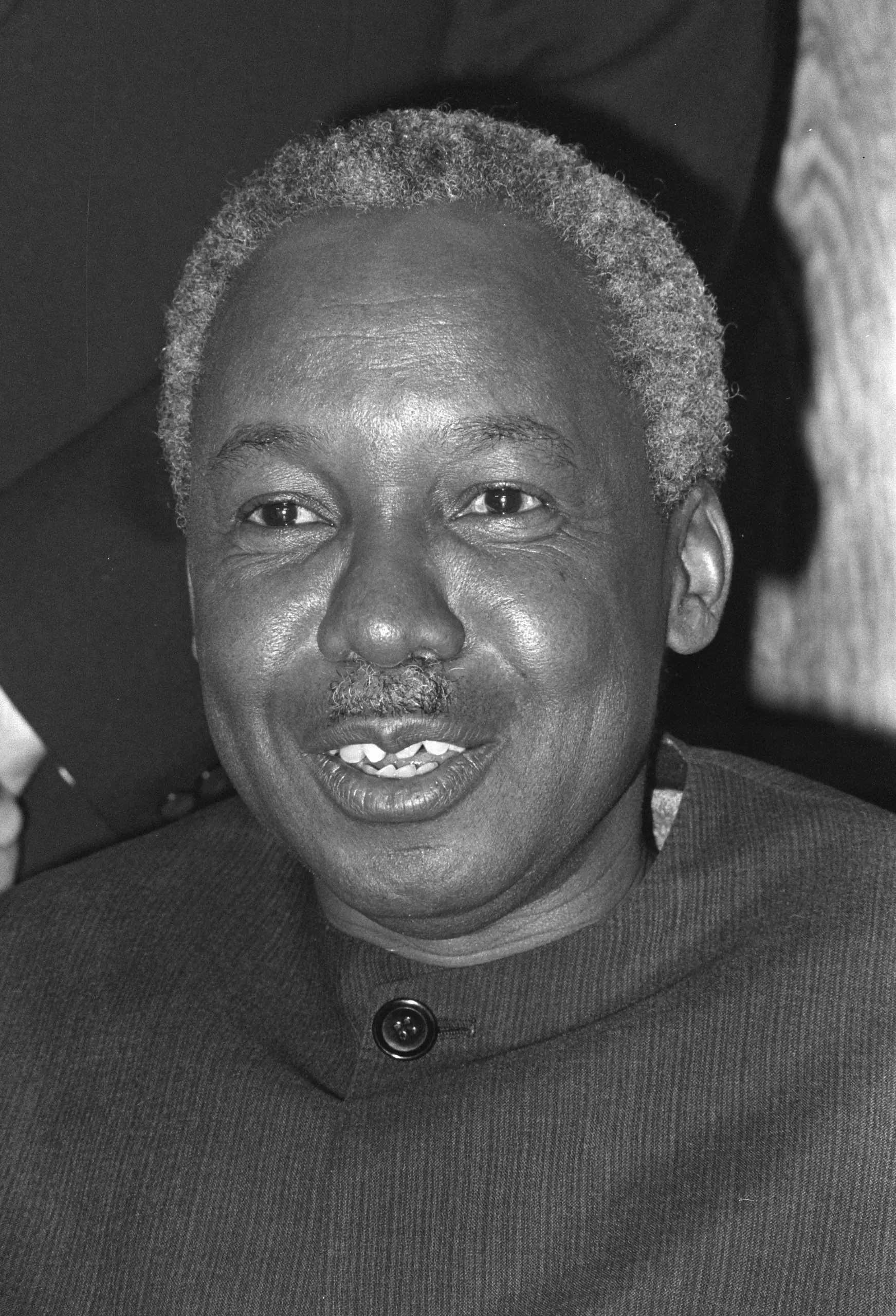
Julius Nyerere
Politician•anti-colonial leader•political theorist•teacher•translator
Also known as: Mwalimu, Julius Kambarage Nyerere, Father of the Nation
Birthday
April 13, 1922
Birth Sign
Aries
Birthplace
Butiama, Mara Region, Tanganyika
Age
Died at 77
About
Julius Kambarage Nyerere was a Tanzanian anti-colonial leader, political theorist and the first President of Tanzania. Known universally as Mwalimu, Swahili for teacher, he led Tanganyika to independence in 1961 and then served as President of Tanzania from 1964 until his retirement in 1985. He was a devout Roman Catholic and a gifted linguist who translated Shakespeare into Swahili. His philosophy of Ujamaa, or African socialism, shaped Tanzania's development path for decades, and he remained a moral voice in African politics until his death in 1999.
Nyerere's legacy is complex. He championed non-violent resistance, Pan-Africanism and national unity, and he mediated conflicts in Burundi. His economic policies, particularly communal farming, struggled to raise living standards, and his one-party rule drew criticism. Yet he is remembered in Tanzania as the Father of the Nation, and his name adorns schools, airports and now a major hydropower plant. In 2026, his beatification cause continues, reflecting his enduring spiritual influence.
Early Life & Background
Julius Kambarage Nyerere was born on 13 April 1922 in Butiama, a village in the Mara Region of what was then Tanganyika. His father, Nyerere Burito, was a chief of the Zanaki people, and Julius was one of many children in a polygamous household. He was baptized a Catholic and remained devout throughout his life. He attended local schools before training as a teacher at Makerere College in Uganda, then the only degree-granting institution in British East Africa. After qualifying, he taught at St. Francis' College near Dar es Salaam.
In 1949, Nyerere became one of the first East Africans to study in the United Kingdom, enrolling at the University of Edinburgh. He earned a degree in history and economics in 1952. During his time in Scotland, he was influenced by Fabian socialism and the ideas of Gandhi, which would later shape his political philosophy. He returned to Tanganyika in 1952 and resumed teaching. His linguistic talents were notable: he translated Shakespeare's Julius Caesar and The Merchant of Venice into Swahili, works still used in Tanzanian schools.
Nyerere's entry into politics came through the Tanganyika African Association, which he helped transform into a political party. In 1953, he married Maria Gabriel Magige, a fellow teacher and Catholic. The following year, he co-founded the Tanganyika African National Union (TANU) and became its first president. From there, he led the campaign for independence, using non-violent protest and grassroots organizing. His early life as a teacher and translator laid the groundwork for his later role as Mwalimu, the teacher of the nation.
Career Growth
Nyerere's political career took off when TANU swept the 1958-59 elections, leading to his appointment to the Legislative Council. After the 1960 general election, he became Chief Minister and then Prime Minister. Tanganyika gained independence on 9 December 1961, and Nyerere became its first Prime Minister. In December 1962, when Tanganyika became a republic, he was elected President. In 1964, following the Zanzibar Revolution, Zanzibar merged with Tanganyika to form Tanzania, and Nyerere became President of the united republic.
His signature policy was Ujamaa, outlined in the 1967 Arusha Declaration. It called for African socialism, nationalization of banks and major industries, and expansion of education and healthcare. While communal farming largely failed to boost food production, literacy and life expectancy improved. Nyerere also supported anti-colonial movements across southern Africa and led Tanzania through the 1978-79 Uganda-Tanzania War that ousted Idi Amin. He stepped down in 1985, handing power to Ali Hassan Mwinyi, but remained chairman of the ruling Chama Cha Mapinduzi party until 1990, overseeing the transition to multi-party politics. In his later years, he served as a mediator in the Burundian Civil War and was the first Chairman of the South Centre from 1995 to 1999.
Career Timeline
Public Image & Style
Nyerere projected an image of moral integrity and humility. He was often seen in simple attire, and his austere lifestyle reinforced his credibility as a leader who served rather than ruled. His speeches were thoughtful and principled, earning him the nickname Mwalimu. Internationally, he was respected as a statesman and thinker, even by critics of his economic policies. His public persona was that of a teacher and philosopher-king, deeply rooted in Catholic social teaching and African humanism. He avoided personality cults and remained accessible, often walking among ordinary citizens. This image of the incorruptible leader has become central to his legacy.
Fame & Fandom (iFAMOUS Rankings)
Julius Nyerere is a towering figure in Tanzanian and African history, but he predates the digital age, so his fame is measured in statues, street names and school curricula rather than social media metrics. iFANN has not yet collected fame data for him, and he does not appear in the September 2026 iFAMOUS Rankings flagship list. His admirers, often called Mwalimu devotees or simply Tanzanians who grew up learning his philosophy, revere him as the Father of the Nation. There is no formal fandom name, but his memory is kept alive through annual commemorations on 14 October, the Mwalimu Nyerere Day, and through the Julius Nyerere Foundation. In 2026, the inauguration of the Julius Nyerere Hydropower Plant and the progress of his beatification cause have renewed public attention. Fans and followers share quotes and documentaries on social media, and his writings remain widely read in Tanzania and beyond.
Interesting Facts and Legends
Nyerere was a skilled translator who rendered Shakespeare's Julius Caesar and The Merchant of Venice into Swahili, and these translations are still used in Tanzanian schools. He was known for his austere lifestyle, often walking or driving a simple car, and he owned little personal property. A story often told is that he would queue like everyone else at the bank. He was a devout Catholic and attended Mass regularly. His nickname Mwalimu (teacher) stuck from his early profession. He was also a poet and wrote the lyrics to the Tanzanian national anthem, Mungu ibariki Afrika. Another legend: he is said to have personally intervened to stop a riot by standing alone in front of a crowd, though this is part of the folklore that surrounds him.
Notable Quotes
“We, in Africa, have no more need of being 'converted' to socialism than we have of being 'taught' democracy.”
“Freedom and development are as inextricably connected as are freedom and unity.”
“The education provided must therefore encourage the development in each citizen of three things: an enquiring mind; an ability to learn from what others do, and reject or adapt it to his own needs; and a basic confidence in his own position as a free and equal member of the society.”
“No nation is truly free unless its people are free from poverty, ignorance and disease.”
“We are not asking for charity; we are asking for justice.”
Family & Personal Life
Julius Nyerere married Maria Gabriel Magige in 1953. Maria, a fellow teacher and devout Catholic, survived him and remains associated with his legacy. The couple had eight children, including sons Madaraka and Butiku and daughters Anna and Makongoro among others. Nyerere was the son of a Zanaki chief, Nyerere Burito, and grew up in a large polygamous household in Butiama. His family life was private and modest; he lived simply and avoided ostentation. His widow Maria has been involved in charitable work and the preservation of his memory. The family homestead in Butiama is now a memorial museum.
Notable Connections
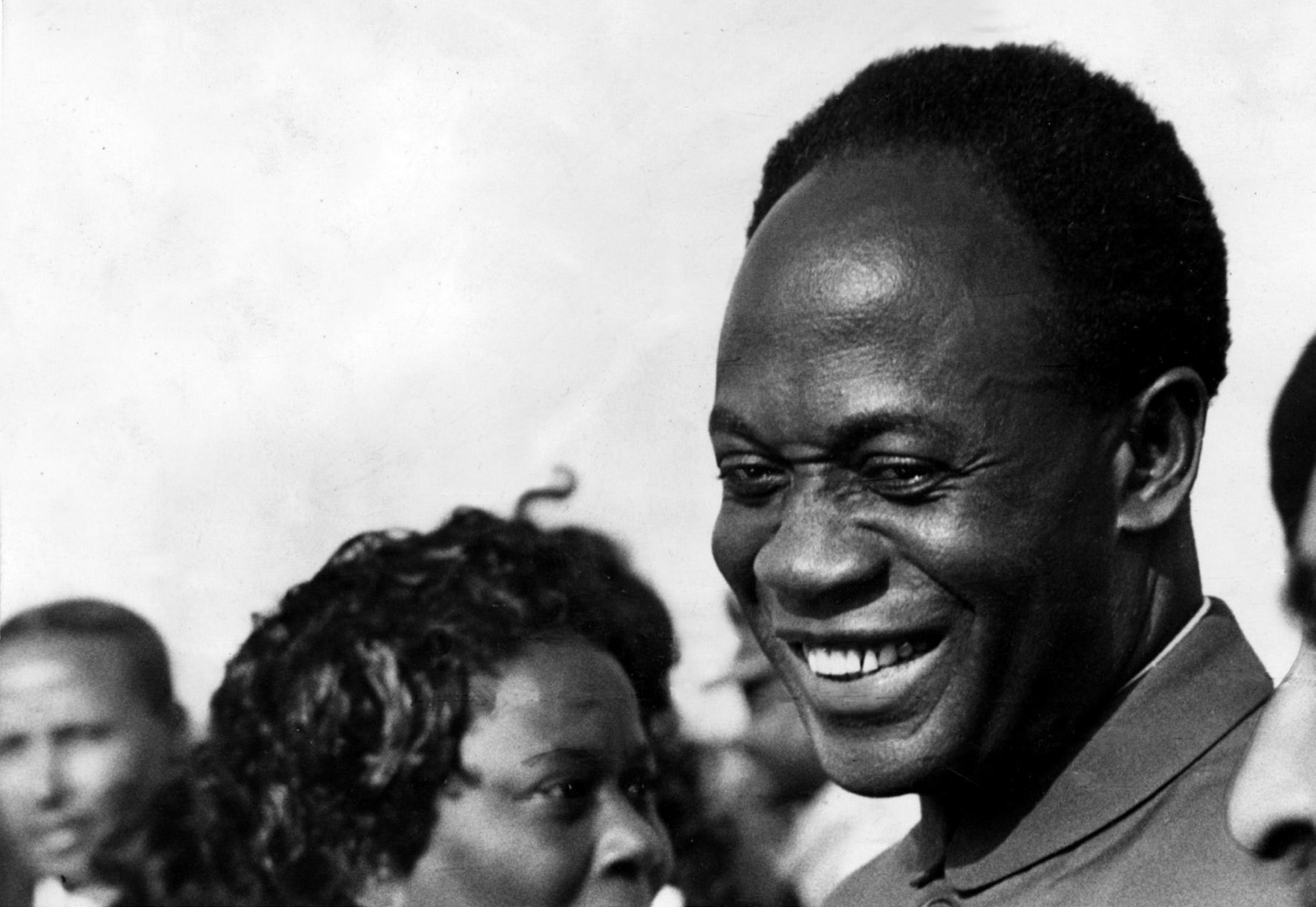
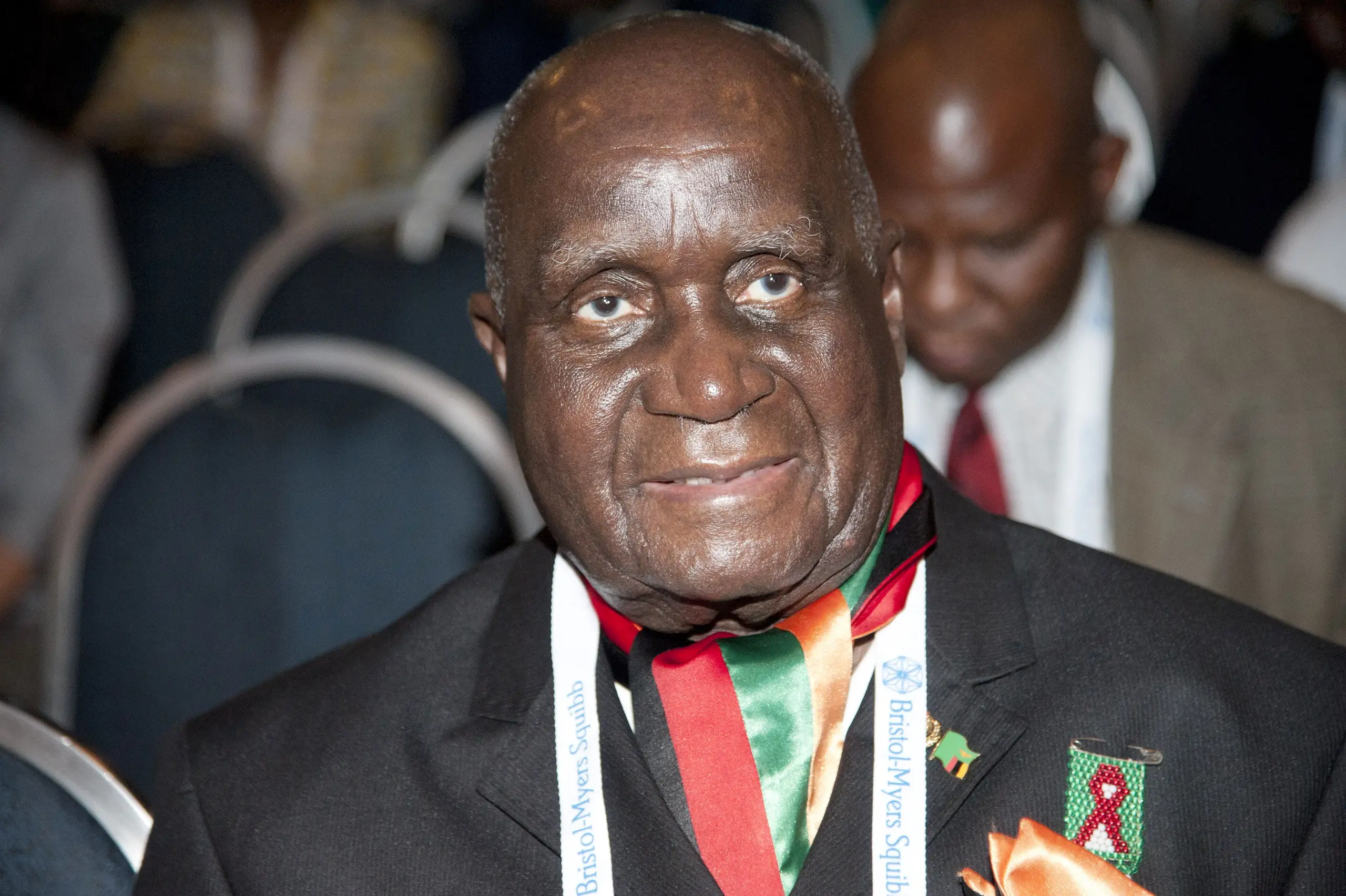
Julius Nyerere is associated with the Tanganyika African National Union (TANU), Chama Cha Mapinduzi (CCM), the South Centre, and fellow Pan-Africanists like Kwame Nkrumah and Kenneth Kaunda. He worked with successive leaders of Tanzania, including Ali Hassan Mwinyi and Benjamin Mkapa.
Relationships & Dating History
Julius Nyerere married Maria Gabriel Magige in 1953. Maria was a fellow teacher and devout Catholic, and the couple remained married until his death in 1999. They had eight children. There is no documented public romantic history beyond this marriage; Nyerere's personal life was private and austere. As of 2026, Maria Nyerere is widowed and remains associated with his legacy.
- MarriedMaria Nyerere1953 - 1999Married until his death in 1999; they had eight children.
Death & Aftermath
Died
October 14, 1999 (aged 77)
Death Place
London, England, United Kingdom
Cause of Death
Complications of leukaemia
Julius Nyerere died on 14 October 1999 at St Thomas' Hospital in London, aged 77. He had been diagnosed with leukaemia and had travelled to London for treatment. The cause was reported as complications of leukaemia, with a stroke also cited in some accounts. His illness had been public, and his final months were spent largely out of the public eye.
Tanzania declared national mourning. African heads of state, the Commonwealth and the University of Edinburgh, where he had studied, paid tribute. His body was repatriated for a state funeral, and he was buried at Butiama on the family homestead. The site is now the Mwalimu Julius K. Nyerere Memorial Museum.
Posthumous honours have continued. In August 2026, Tanzania inaugurated the Julius Nyerere Hydropower Plant on the Rufiji River, a 2,115 MW, $2.9 billion project built by an Egyptian consortium. In May 2026, a research center on Xi Jinping Thought was unveiled at the Mwalimu Julius Nyerere Leadership School. His Catholic beatification cause reached the witness-interrogation stage by August 2026, with bishops in Tanzania and Kenya urging prayers for his canonization. On 14 October 2026, President Samia Suluhu Hassan reflected on his legacy 27 years after his death. The Julius Nyerere Foundation administers his papers and philosophical legacy.
Net Worth (Estate Value)
$1 Million
iFANN Editorial Team estimate
Julius Nyerere was known for his personal austerity and lived modestly throughout his life. He did not accumulate significant wealth, and no credible net-worth estimate exists for him. His estate is not publicly valued, and any celebrity-net-worth figure would be unsourced. The iFANN Editorial Team estimates his estate value at approximately $1 million, primarily reflecting the family homestead in Butiama, which is now a memorial museum, and modest personal effects. His legacy is not financial but political and moral. The Julius Nyerere Foundation manages his papers and intellectual property, but it operates as a non-profit. In 2026, his name is attached to major infrastructure like the Julius Nyerere Hydropower Plant, but those are state projects, not personal assets. His widow Maria Nyerere lives modestly. The family has not commercialized his image, and his writings remain in print for educational purposes.
Awards Won (12)
Julius Nyerere received numerous honours, including the Lenin Peace Prize in 1973, the Order of the Companions of O. R. Tambo, and honorary doctorates from the University of Edinburgh and other institutions. He was also awarded the Star of the Republic of Tanzania.
1973 · International Peace
2004 · International Relations
Known For
First President of Tanzania
1964 · President
Arusha Declaration
1967 · Author
Ujamaa: Essays on Socialism
1968 · Author
Translation of Julius Caesar into Swahili
1963 · Translator
Keywords
Sources
Quick Facts
- Profession
- Politician, teacher, translator
- Born
- April 13, 1922
- Birthplace
- Butiama, Tanganyika
- Died
- October 14, 1999
- Death Place
- London, England
- Gender
- Male
- Spouse
- Maria Nyerere
- Children
- 8
- Birth Sign
- Aries
- Education
- University of Edinburgh
Personal Details
- Full Name
- Julius Kambarage Nyerere
- Spouse
- Maria Nyerere
- Children
- 8
- Education
- Makerere College, University of Edinburgh
Frequently Asked Questions
What was Julius Nyerere known for?
Who replaced Julius Nyerere as president?
What was Julius Nyerere's religion?
Did Julius Nyerere have children?
How did Julius Nyerere die?
Join the community
fans discussing