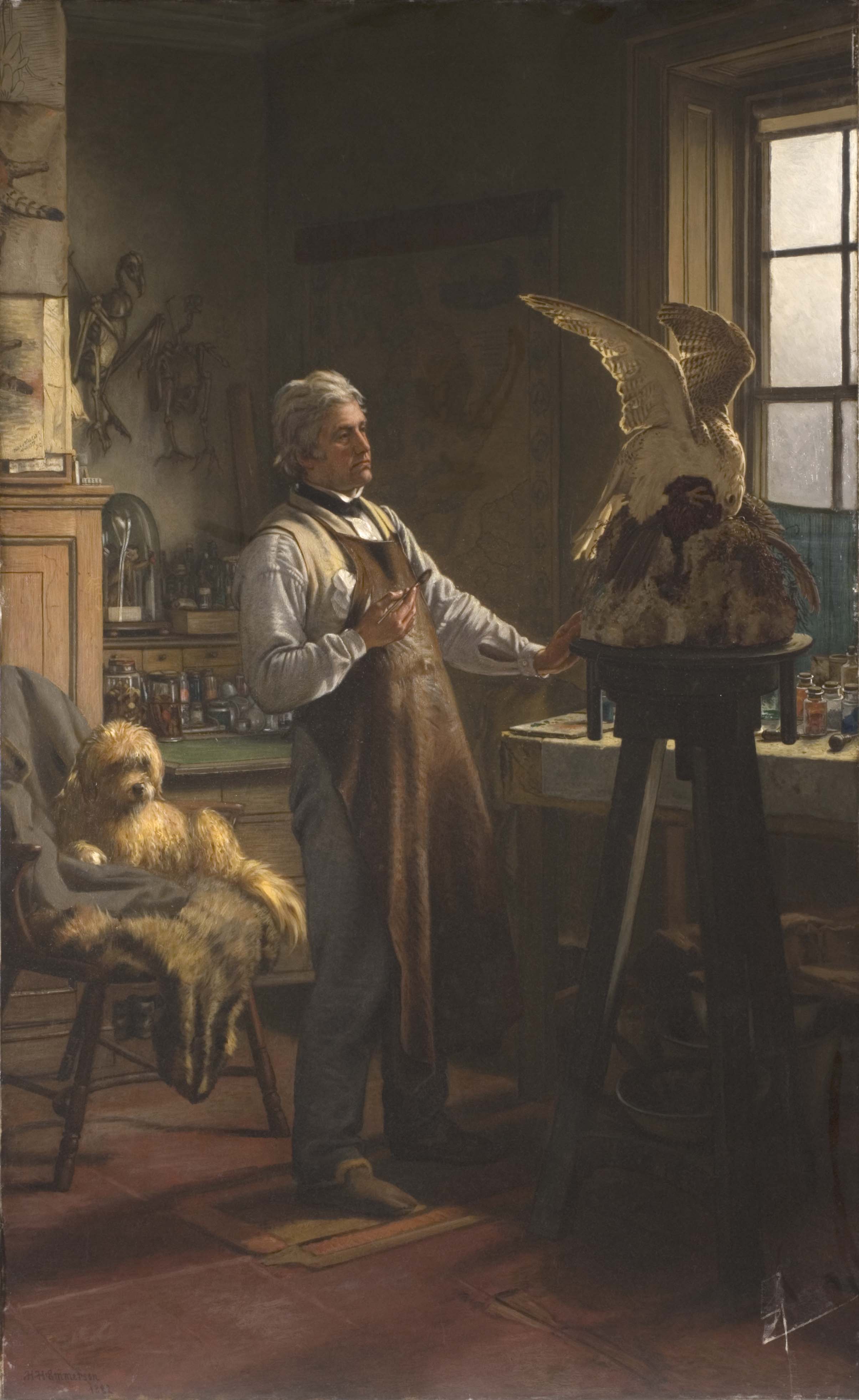
John Hancock
merchant•statesman•Founding Father
Also known as: J.H., The Merchant Prince
Birthday
January 23, 1737
Birth Sign
Sagittarius
Birthplace
Braintree, Massachusetts
Age
Died at 56
About
John Hancock stands as a pivotal American Founding Father, wealthy merchant, and statesman who played a transformative role in the American Revolution. Born in Braintree, Massachusetts, he inherited a thriving mercantile empire that made him one of the wealthiest individuals in the Thirteen Colonies. His legacy is most famously defined by his action on July 4, 1776, when he became the first person to sign the United States Declaration of Independence with a large, bold signature that gave rise to the colloquialism "putting your John Hancock" to mean signing one's name. Beyond his signature, Hancock served as the longest-serving president of the Continental Congress and later as the first Governor of Massachusetts, leading the state through its formative years. His leadership during the Revolutionary War and his immense financial support for the patriot movement cemented his place in history. Today, his legacy endures through numerous institutions, including schools, hospitals, and the major financial services company named in his honor, which continues to operate globally.
Early Life & Background
John Hancock was born on January 23, 1737, in Braintree, Massachusetts, to Reverend John Hancock and Mary Huzzey. His father died when John was just five years old, leaving the family in a difficult position. Following this tragedy, he was raised by his uncle, Thomas Hancock, a prominent Boston merchant who had no children of his own. The elder Hancock recognized the boy's potential and provided him with an excellent education, sending him to Harvard College at the age of sixteen. John graduated in 1754 with a degree in arts but left shortly after to assist in the family business. Under his uncle's tutelage, he learned the intricacies of international trade, shipping, and finance. He quickly proved himself capable, managing the firm's operations in the West Indies and Europe. When Thomas Hancock died in 1764, John inherited the entire business, which included a fleet of ships and extensive trading networks. This inheritance catapulted him into the ranks of the colonial elite, providing the financial independence that would later fuel his political activism.
Career Growth
In 1768, John Hancock's career took a dramatic turn when British customs officials seized his sloop, the Liberty, accusing him of smuggling French goods. While the legal validity of the seizure was debated, some scholars argue it was an act of political harassment rather than genuine smuggling; the incident made Hancock a popular hero in Massachusetts, transforming his wealth into political capital. Elected to the Massachusetts House of Representatives in 1770, he became a leading voice in the Patriot movement by 1774. In 1775, he was unanimously elected President of the Second Continental Congress, a position he held until 1777. He presided over the adoption of the Declaration of Independence in 1776. In 1780, he was elected as the first Governor of the Commonwealth of Massachusetts, a role he held continuously until his death in 1793, with the exception of a brief period in 1785 when he stepped down due to health issues. From 1789 to 1793, he also served as President of the Congress of the Confederation, making him the second-highest ranking official in the United States under the Articles of Confederation. His tenure as Governor was noted for steady leadership during the turbulent post-war years, maintaining stability in a young nation.
Career Timeline
Public Image & Style
John Hancock is portrayed as a wealthy, generous, and patriotic leader. His image is one of confidence and boldness, reflected in his signature and his willingness to risk his fortune for the revolution. He is often depicted in portraits wearing fine clothing, emphasizing his status as a merchant prince turned revolutionary. Historians describe him as a man of imposing presence and unwavering commitment to the cause of American independence. His legacy is one of integrity and leadership during a tumultuous time in American history. He is frequently cited as a key figure in the founding of the nation, receiving posthumous recognition in various historical rankings. The John Hancock Tower in Boston and the John Hancock Center in Chicago stand as architectural testaments to his enduring influence and the high regard in which he is held.
Fame & Fandom (iFAMOUS Rankings)
iFANN has not yet collected fame data for this person. While specific rankings are unavailable, John Hancock remains a universally recognized figure in American history. His name is invoked in educational settings and historical commemorations across the nation. There is no organized "fandom" for John Hancock in the modern sense, but he is revered by historians, students of American history, and patriots. His legacy is kept alive through museums, historical societies, and educational programs dedicated to the American Revolution. He consistently appears in top-tier historical lists, such as those featured by TIME 100 and Encyclopedia Britannica, ranking among the top 10 Founding Fathers for his financial support of the Revolution and leadership roles. Fan campaigns are non-existent, but his impact on national identity remains profound.
Interesting Facts and Legends
The phrase "John Hancock" is synonymous with a signature in the United States because of his famously large and bold signature on the Declaration of Independence. Legend has it that he signed so boldly that King George III could read it without his spectacles, though this story may be apocryphal. His home, Hancock Manor in Boston, served as a hub for revolutionary planning and hosted many important meetings before it was destroyed by fire in 1863. The seizure of his ship, the Liberty, in 1768 was a turning point that galvanized public opinion against British taxation and established Hancock as a symbol of colonial defiance. Despite his wealth, he often risked his fortune to support the patriot cause, lending money to the Continental Army when funds were scarce. He was inducted into the National Museum of American History's collection of Founders, and his signature is considered one of the most iconic moments in American history.
Notable Quotes
“I wish I may be forgiven if I am wrong in my judgment, but I think the time is come when we must act or die.”
“There, I guess King George will be able to read that without his spectacles.”
Family & Personal Life
John Hancock married Dorothy Quincy on September 1, 1775. Dorothy was the daughter of a prominent Boston merchant and the niece of Samuel Adams' wife. Their marriage was reportedly happy and stable; Dorothy accompanied her husband during his time as Governor. They had three children together: Mary, born in 1776; John Jr., born in 1778; and Elizabeth, born in 1780. There are no records of other romantic relationships or marriages prior to Dorothy. As a widower, there were no subsequent spouses. John Hancock remained married to Dorothy until his death. He did not have any children from other partners. The couple met through their shared social circles in Boston, and Dorothy's family connections further integrated Hancock into the city's elite social fabric.
Notable Connections
Samuel Adams, Dorothy Quincy, Thomas Hancock, Paul Revere
Relationships & Dating History
John Hancock married Dorothy Quincy on September 1, 1775. Dorothy was the daughter of a prominent Boston merchant and the niece of Samuel Adams' wife. The couple met through their shared social circles in Boston. Their marriage was reportedly happy and stable; Dorothy accompanied her husband during his time as Governor. They had three children together: Mary, born in 1776; John Jr., born in 1778; and Elizabeth, born in 1780. There are no records of other romantic relationships or marriages prior to Dorothy. As a widower, there were no subsequent spouses. John Hancock remained married to Dorothy until his death. He did not have any children from other partners. His relationship with Samuel Adams evolved from close mentorship to a more distant political association over time.
- MarriedDorothy Quincy1775 - 1793They had three children together and remained married until his death.
Death & Aftermath
Died
October 8, 1793 (aged 56)
Death Place
Boston, Massachusetts
Cause of Death
Gout and general frailty
John Hancock spent his final days in Boston, where he had served as Governor of the Commonwealth since 1780. On October 8, 1793, the merchant-statesman and first signer of the Declaration of Independence passed away at the age of fifty-six at his home, Hancock Manor. The passing was attributed to gout and general frailty associated with his age and lifestyle, a common ailment for wealthy men of his era who consumed rich diets and alcohol. The passing did not trigger any forensic scrutiny or legal proceedings typical of modern times, reflecting the consensus on natural causes among his peers. Immediate mourning swept across the newly formed United States, honoring a central figure in the Revolutionary War through tributes from the Continental Congress and the state of Massachusetts. His funeral was a significant public event attended by political leaders, military officers, and citizens of Boston before he was laid to rest in the Granary Burying Ground alongside other notable figures like Samuel Adams and Paul Revere.
Posthumously, his reputation for integrity and boldness became the foundation for the John Hancock Mutual Life Insurance Company, founded in 1862, which adopted his name to leverage his legacy. This entity has since evolved into a major financial services firm, releasing various funds and tools such as the "John Hancock Vitality" program and longevity preparedness tools in recent years. His considerable fortune was handled through standard probate procedures of the era, leaving his assets to his heirs. The estate itself does not have a modern net worth calculation in the same sense as living celebrities, as the original assets were distributed long ago; however, the brand legacy continues to generate revenue through the insurance and investment products named after him.
Net Worth (Estate Value)
$3 Million
iFANN Editorial Team estimate
John Hancock was one of the wealthiest men in the colonies at the time of his death. Historical estimates suggest his estate was valued at approximately £20,000 to £30,000 in 1793 currency, which equates to millions of dollars in today's value. The iFANN Editorial Team estimates his net worth at roughly $3 million based on these historical figures adjusted for inflation. His wealth was primarily derived from his mercantile business, including shipping, imports, and exports, particularly in the West Indies trade. He also owned significant real estate in Boston and Braintree. The original estate was dissolved centuries ago, but the brand legacy continues to generate revenue through the insurance and investment products named after him. Modern entities like John Hancock Investments manage billions in assets annually, though this represents corporate revenue rather than personal wealth.
Awards & Accolades
View 7 records, honours and achievementsKnown For
Declaration of Independence
1776 · First Signer
Governor of Massachusetts
1780 · Governor
President of the Continental Congress
1775 · President
Keywords
Sources
Quick Facts
- Profession
- merchant, statesperson, entrepreneur
- Born
- January 23, 1737
- Birthplace
- Braintree, Massachusetts
- Died
- October 8, 1793
- Death Place
- Hancock Manor, Boston
- Gender
- Male
- Spouse
- Dorothy Quincy
- Birth Sign
- Sagittarius
Personal Details
- Full Name
- John Hancock
- Spouse
- Dorothy Quincy
- Children
- Mary Hancock · John Hancock Jr. · Elizabeth Hancock
- Education
- Harvard College (1754)
Frequently Asked Questions
Who was John Hancock?
How much money did John Hancock make?
Why is John Hancock famous?
Did John Hancock have kids?
How did John Hancock die?

Join the community
fans discussing