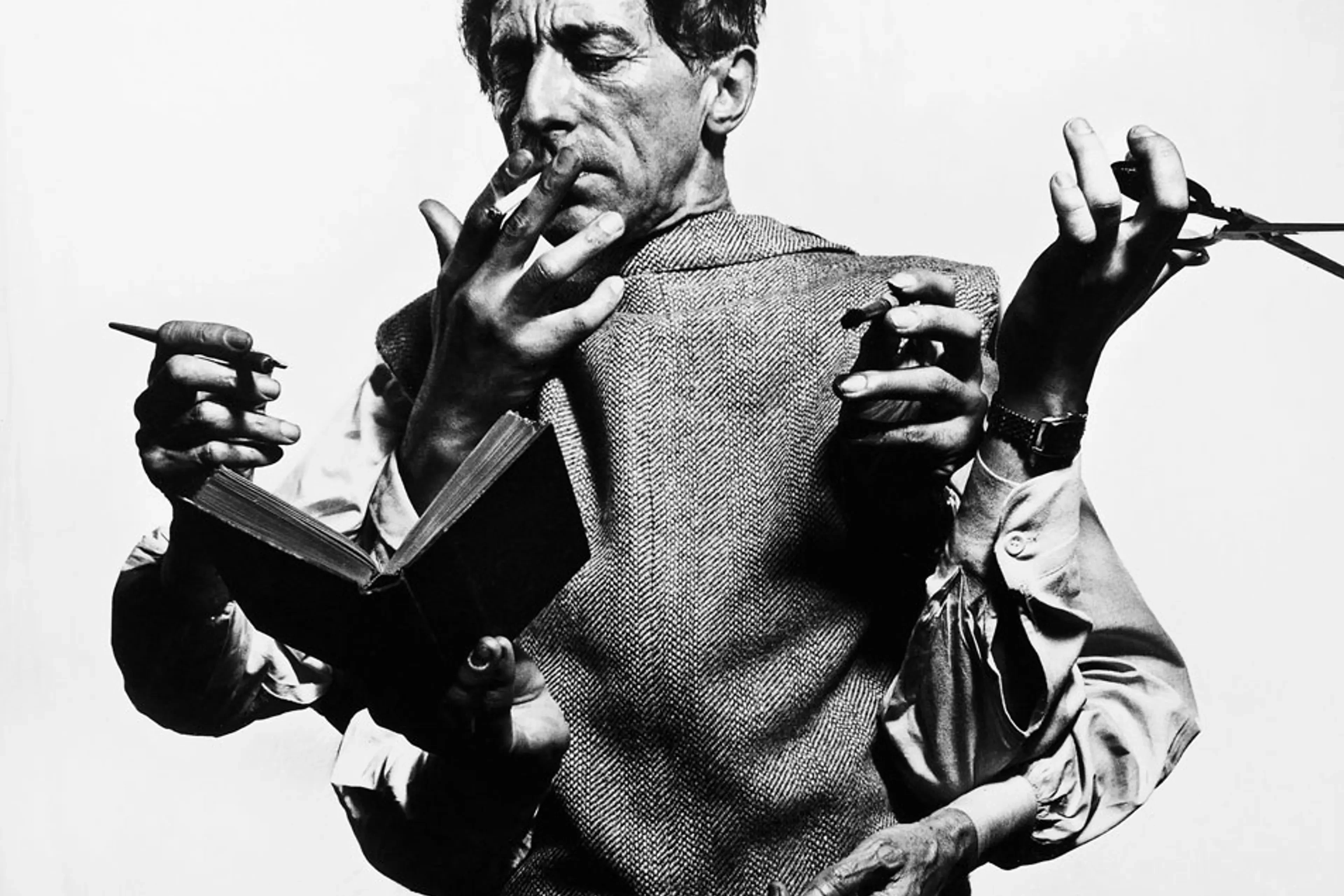
Jean Cocteau
 France
Poet•playwright•novelist•filmmaker•visual artist
Also known as: The Frivolous Prince, Jean Maurice Eugène Clément Cocteau
Birthday
July 5, 1889
Birth Sign
Cancer
Birthplace
Maisons-Laffitte, France
Age
Died at 74
About
Jean Maurice Eugène Clément Cocteau was a French poet, playwright, novelist, filmmaker, and visual artist whose work spanned nearly every creative medium of the twentieth century. Born in Maisons-Laffitte in 1889, he became a central figure of the avant-garde, moving between poetry, theater, cinema, and the visual arts with a fluidity that made him a singular force in modern culture. The National Observer once said that "of the artistic generation whose daring gave birth to Twentieth Century Art, Cocteau came closest to being a Renaissance man."
Cocteau's output was vast and varied. His novels include Les Enfants terribles (1929), a classic of French literature, and his plays such as La Machine infernale (1934) and Les Parents terribles (1938) challenged theatrical conventions. His films, though fewer in number, left a lasting mark: Beauty and the Beast (1946) remains a poetic masterpiece, while the Orphic Trilogy, The Blood of a Poet (1930), Orpheus (1950), and Testament of Orpheus (1960), explores myth, death, and artistic creation. Film historian Annette Insdorf noted that he "left behind a body of work unequalled for its variety of artistic expression."
Cocteau died on October 11, 1963, at age 74, in Milly-la-Forêt, leaving a legacy that continues to inspire artists across disciplines.
Early Life & Background
Jean Cocteau was born into a wealthy Parisian family in Maisons-Laffitte, a town just outside the capital. His father, Georges Cocteau, was a lawyer and amateur painter who died by suicide in 1899, when Jean was nine. His mother, Eugénie Lecomte, was deeply interested in art and music, and her father, an avid art collector and cellist, encouraged young Jean's early drawing. Cocteau had two older siblings, Marthe and Paul, and the family's social standing opened doors to Parisian cultural circles.
His formal education began at the Lycée Condorcet, a prestigious school, but he was expelled in 1904. That same year, he ran away to Marseilles, living in the red-light district under a false name until police returned him to his uncle. At seventeen, he fell in love with actress Madeleine Carlier, who was thirty, but she ended the relationship. In 1907, Cocteau and his mother moved permanently to Paris, where he began frequenting literary salons and composing conventional poems.
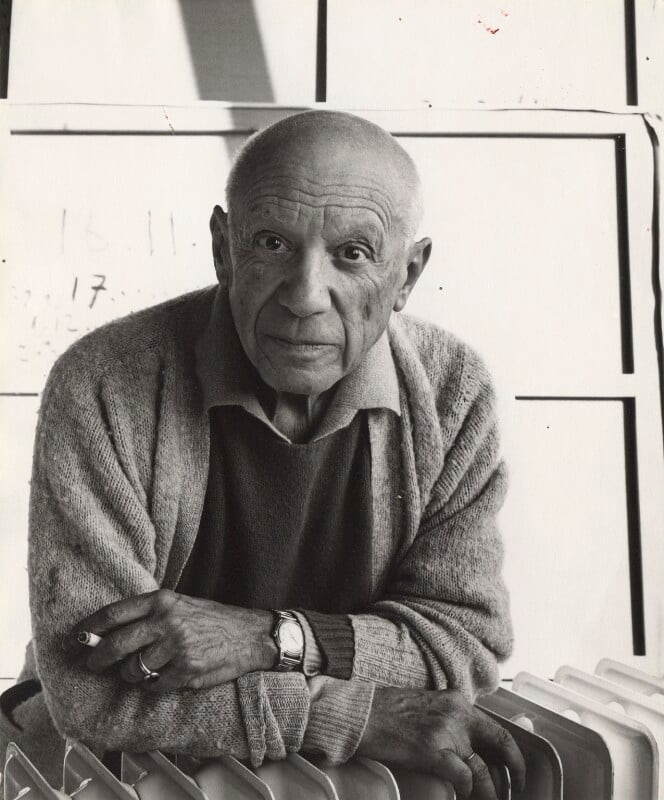
His breakthrough came in 1908 when the tragedian Édouard de Max organized a poetry reading at the Theatre Femina, launching Cocteau's public career. He soon met writers like André Gide and Marcel Proust, and through socialite Misia Sert, he was introduced to the Ballets Russes, the experimental dance company led by Sergei Diaghilev. This encounter would prove transformative, leading to his involvement in avant-garde productions and his collaboration with Pablo Picasso on the ballet Parade in 1917.
Career Growth
Cocteau's career took off in 1912 when he became involved with the Ballets Russes, writing the libretto for Le Dieu Bleu. His most celebrated early work, Parade, premiered in 1917, conceived with Pablo Picasso and staged by Diaghilev. After World War I, he co-founded the publishing house Éditions de La Sirène, which published his own works and scores by Satie and Stravinsky.
The 1920s brought literary success with the novel Les Enfants terribles (1929) and the play Orphée (1926), which revitalized tragic theater. In 1930, he directed his first film, The Blood of a Poet, financed by art patron Charles de Noailles. The 1940s saw his most famous film, Beauty and the Beast (1946), starring Jean Marais, a box-office and critical success. He completed the Orphic Trilogy with Orpheus (1950) and Testament of Orpheus (1960).
Beyond film and literature, Cocteau created frescoes for the Chapel of Saint-Pierre in Villefranche-sur-Mer and the Church of Saint-Blaise-des-Simples in Milly-la-Forêt. He served as president of the Cannes Film Festival jury in 1953 and was elected to the Académie Française, cementing his status as a major cultural figure.
Career Timeline
Public Image & Style
Cocteau was known as a dandy and a conversationalist, with a flamboyant style that made him a fixture of Parisian society. He championed style in matters of great importance, much like Oscar Wilde. His public persona was intertwined with his art, and he was often seen as a provocateur. He had a "Bohemian streak" and was open about his sexual ambivalence, which was unusual for his time. Fans appreciated his ability to blend high art with popular culture, and his films like Beauty and the Beast continue to attract new audiences.
Fame & Fandom (iFAMOUS Rankings)
Jean Cocteau never cultivated a modern fandom in the organized sense of social media campaigns or collective titles, as his admirers remain scholars, critics, and enthusiasts of French literature rather than a unified group with a specific name. His legacy persists through institutional reverence, museum exhibitions, and the continuous staging of his works rather than grassroots mobilization. Despite this lack of formal fan structure, his global cultural footprint remains substantial enough to secure him a prominent position within historical artistic circles. Current data places him as the 55th most famous person in Art & Design, a standing he has maintained from the previous cycle. This ranking reflects his enduring influence across poetry, cinema, and visual arts, acknowledging his status as a singular force in the avant-garde movement. The placement is derived from the iFANN Global Fame Rankings. While he does not command the immediate viral attention of living pop stars, his work commands a steady, high-level interest that sustains his relevance decades after his death. He is recognized for mastering multiple disciplines simultaneously, a feat that continues to draw academic and public interest. The rankings confirm that his contributions to *Les Enfants terribles* and *La Belle et la Bête* remain central to his reputation. No other specific rank placements are currently documented for him in other categories. His influence is felt more in the longevity of his output than in transient spikes of popularity.
Interesting Facts and Legends
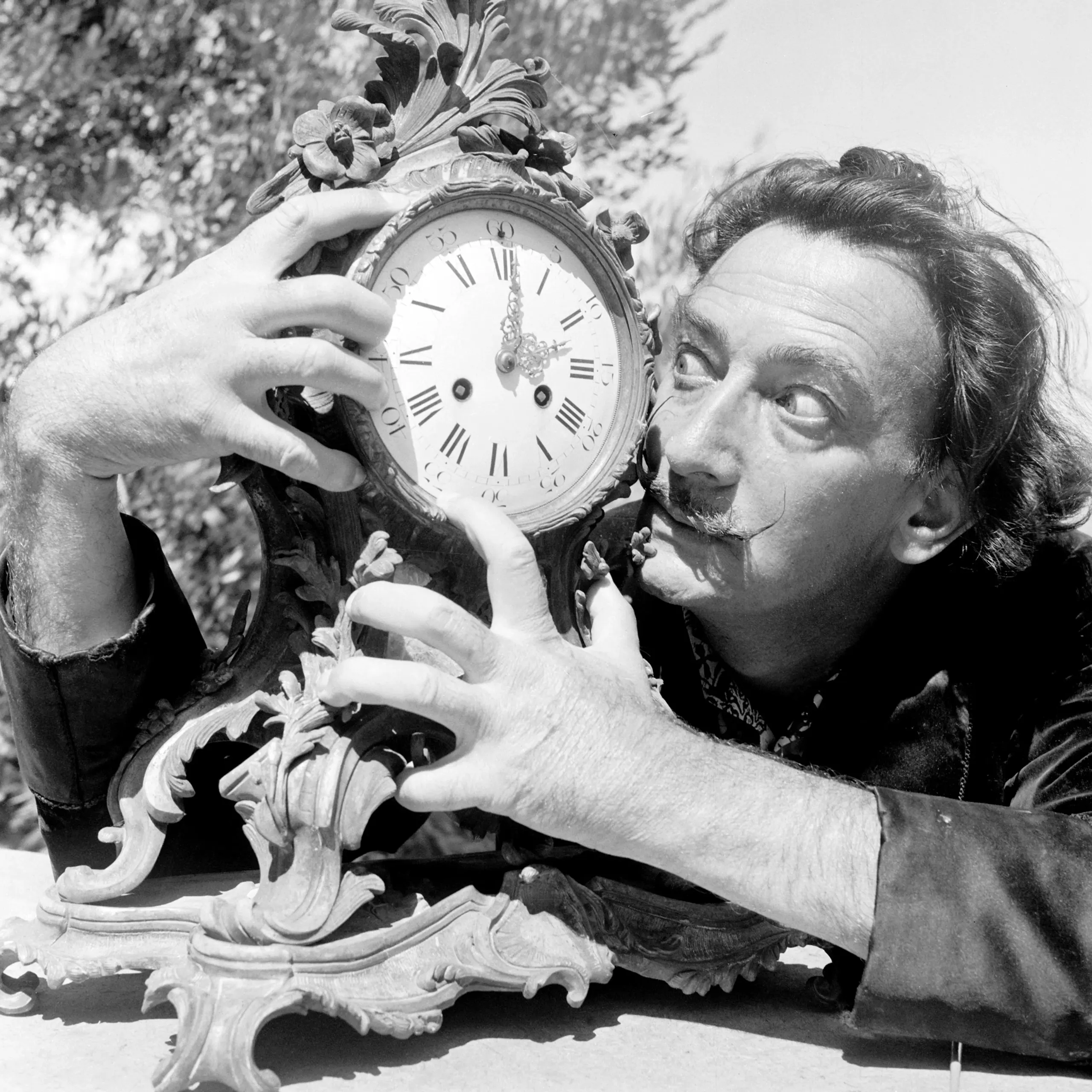
Jean Cocteau frequently identified himself simply as a poet regardless of the medium he employed. Following the death of Raymond Radiguet, he became known for his use of opium. He designed the original murals for Charles de Gaulle airport during the 1960s and created ceramic plates and lithographs that are still exhibited today. A pet cat named Karoun appeared in several of his photographs, and contemporaries bestowed upon him the nickname "The Frivolous Prince." Legends surrounding his life often emphasize his multifaceted genius, noting his unprecedented ability to master eight distinct disciplines including boxing management alongside his literary and artistic pursuits. A widely retold story highlights his collaboration with Salvador Dalí and Elsa Schiaparelli on surrealist ensembles, cementing his role in fashion history. He is also remembered for his sharp wit regarding criticism, with a famous quote stating that being hated by idiots is the price paid for not being one of them. His appearance at Cannes with *La Belle et la Bête* remains a significant moment in film history, noted for its visual innovation. The scandalous nature of *Les Enfants terribles* continues to spark discussion and modern adaptations, preserving his reputation as a provocateur who challenged societal norms.
Notable Quotes
“The theater is the fever of crimson and gold.”
“I have learned that the only way to deal with the future is to function efficiently in the now.”
“Art produces ugly things which frequently become more beautiful with time. Fashion, on the other hand, produces beautiful things which always become ugly with time.”
“The poet is a liar who always speaks the truth.”
Family & Personal Life
Cocteau's father, Georges, was a lawyer and amateur painter who died by suicide in 1899. His mother, Eugénie Lecomte, was interested in art and music and remained a dominant figure in his life, appearing as a character in much of his work. He had an older brother, Paul, and sister, Marthe. The family never spoke of Georges's death. Cocteau never married and had no children. His final partner, Édouard Dermit, was with him until his death.
Notable Connections
Cocteau collaborated with many leading artists of his time. He worked with Pablo Picasso on the ballet Parade, and with Sergei Diaghilev and the Ballets Russes. He was close to writer Raymond Radiguet, who became his muse, and to actor Jean Marais, who starred in several of his films. He also knew Marcel Proust, André Gide, and Igor Stravinsky.
Relationships & Dating History
Cocteau had a complex romantic life, primarily involving men, though he also had early relationships with women. At seventeen, he fell in love with actress Madeleine Carlier, who was thirty, but she ended the relationship. Around 1900-1904, he had a relationship with schoolmate Pierre Dargelos, who later appeared in his works.
In 1919, he began a relationship with the fifteen-year-old novelist Raymond Radiguet, who became a major influence. Radiguet's death from typhoid in 1923 devastated Cocteau, leading to his opium addiction. He then had relationships with Jean Bourgoint (1920-1925), Jean Desbordes (1926-1933), Marcel Khill (1933-1937), and Panama Al Brown (1936-1940).
His most famous relationship was with actor Jean Marais, from 1937 to 1947, who starred in Beauty and the Beast. His final partner was Édouard Dermit, from 1947 until Cocteau's death in 1963. Cocteau never married and had no children.
- DatedPierre Dargelos1900 - 1904Schoolmate at Lycée Condorcet, reappeared in Cocteau's works.
- DatedMadeleine Carlier1906 - 1907Actress, 30 years old, ended the relationship.
- DatedRaymond Radiguet1919 - 1923Novelist, muse, died of typhoid in 1923.
- DatedJean Bourgoint1920 - 1925Partner in the early 1920s.
- DatedJean Desbordes1926 - 1933Partner for seven years.
- DatedMarcel Khill1933 - 1937Partner for four years.
- DatedPanama Al Brown1936 - 1940Panamanian boxer, partner for four years.
- DatedJean Marais1937 - 1947Actor, starred in Beauty and the Beast.
- DatedÉdouard Dermit1947 - 1963Final partner, remained until Cocteau's death.
Death & Aftermath
Died
October 11, 1963 (aged 74)
Death Place
Milly-la-Forêt, Essonne, France
Cause of Death
Reported complications from long-term morphine addiction (unconfirmed)
Jean Cocteau spent his final years withdrawing from public life at the Château de Milly-la-Forêt, a residence he had occupied since the late 1950s, where declining health limited his activities to the quiet management of his estate. He passed away on October 11, 1963, at the age of seventy-four within this home in Essonne, France, ending a career that spanned nearly every creative medium of the twentieth century. The funeral took place as a private affair in the Saint-Blaise des Simples chapel located on the grounds of his former estate, a site he had decorated with frescoes and which now serves as his final resting place. Public reaction included tributes from the artistic community, though specific details regarding vigils or immediate chart surges remain undocumented in available records.
His legacy persists through ongoing cultural engagement, evidenced by a theatrical adaptation of Les Enfants Terribles that premiered in New York in 2026 and a fashion collaboration retrospective featuring Elsa Schiaparelli and Salvador Dalí. Posthumous activity continues with the release of a new album featuring music recorded by soprano Claire Booth and regular screenings of films like La Belle et la Bête at the Jean Cocteau Cinema in Santa Fe. The estate remains active in licensing works for contemporary productions and auctions, including the sale of exhibition posters from the 1960s, while the chapel itself became a landmark for visitors during Heritage Days events in 2026.
Net Worth (Estate Value)
$10 Million
iFANN Editorial Team estimate
Jean Cocteau's estate has continued to generate income from the sale of his artworks, including ceramics, lithographs, and paintings. Galleries worldwide regularly exhibit and sell his pieces, with individual works fetching tens of thousands of dollars. The estate also earns royalties from the ongoing publication of his books, plays, and films. Per iFANN's editorial analysis, the estate's net worth is estimated at $10 million as of 2026, reflecting the enduring market for his creative output.
Awards & Accolades
View 2 records, honours and achievementsKnown For
Beauty and the Beast
1946 · Director
Orpheus
1950 · Director
Les Enfants terribles
1929 · Author
The Blood of a Poet
1930 · Director
Keywords
Sources
Quick Facts
- Profession
- Poet, playwright, filmmaker, visual artist
- Born
- July 5, 1889
- Birthplace
- Maisons-Laffitte, France
- Died
- October 11, 1963
- Death Place
- Milly-la-Forêt, France
- Gender
- Male
- Birth Sign
- Cancer
Personal Details
- Full Name
- Jean Maurice Eugène Clément Cocteau
- Education
- Lycée Condorcet (expelled 1904)
Filmography
25
Total
20
Film
5
TV
Frequently Asked Questions
Was Jean Cocteau married?
Did Jean Cocteau have children?
What is Jean Cocteau famous for?
How did Jean Cocteau die?
Who was Jean Cocteau's partner?
Join the community
fans discussing