Jean Marais
 France
film actor•theatre director•painter•sculptor
Also known as: Jean-Alfred Villain-Marais, J.A.V.M.
Birthday
December 11, 1913
Birth Sign
Sagittarius
Birthplace
Cherbourg, France
Age
Died at 84
Height
6 ft 0 in (1.83 m)
About
Jean-Alfred Villain-Marais, known professionally as Jean Marais, was a towering figure in 20th-century French cinema and the arts. Born on December 11, 1913, in Cherbourg, France, he was not merely an actor but a polymath who excelled as a theatre director, painter, sculptor, visual artist, writer, and photographer. His life and career were inextricably linked to the poet and filmmaker Jean Cocteau, with whom he shared a profound romantic and artistic partnership that began in 1937. Marais is best remembered for his transformative performance as the Beast in Cocteau's 1946 masterpiece Beauty and the Beast, a role that cemented his status as a screen icon. Beyond his work with Cocteau, Marais achieved massive commercial success in the post-war era as a leading man in swashbuckling adventures, most notably playing both the criminal mastermind Fantomas and the detective Juve in a trilogy of films starting in 1964. He passed away on November 8, 1998, in Cannes, France, from a myocardial infarction at the age of 84.
Early Life & Background
Born into a middle-class family in the port city of Cherbourg, Marais was the son of Alfred Villain-Marais and his wife. His birth name, Jean-Alfred Villain-Marais, reflected his parents' union. As a child, he displayed a precocious interest in the arts, particularly drawing and theater. He attended the Lycée Victor Hugo in Cherbourg before moving to Paris to pursue his education and artistic ambitions. In the early 1930s, he studied at the Conservatoire de Paris, where he honed his acting skills. However, his true breakthrough occurred not through formal training alone but through a chance encounter that would define his destiny. In 1937, at the age of 23, he met Jean Cocteau. Cocteau, already a celebrated intellectual and artist, saw in Marais the physical embodiment of the beauty and duality he sought in his work. This meeting marked the end of Marais's "before fame" years; he immediately became Cocteau's muse, lover, and primary collaborator. Their relationship provided Marais with immediate access to high-art circles, leading to his debut on stage and screen under Cocteau's direction. The couple lived together for many years, evolving their bond from a passionate romance into a deep, platonic friendship and professional collaboration.
Career Growth
Marais's career spanned over five decades, characterized by versatility and a chameleonic ability to inhabit vastly different roles. Immediately after meeting Cocteau, Marais starred in several of the poet's plays and short films. He played the title role in Cocteau's Le Sang d'un poète and was central to the production of Orphée. His most significant early work was La Belle et la Bête in 1946. To achieve the look of the Beast, Marais underwent hours of daily prosthetic application, enduring the physical strain to maintain human expressiveness beneath the monster makeup. This film became a classic of French surrealism and established him as a serious artist rather than just a pretty face. Following World War II, Marais pivoted to mainstream adventure films, capitalizing on his athleticism and charm. He starred in Le Capitan (1946), Les Amants de Teruel (1950), and Le Comte de Monte-Cristo (1961). He became one of France's highest-paid actors, known for his ability to perform his own stunts. In a career-defining moment, Marais starred in Louis Fourestier's Fantomas trilogy (Fantomas, Fantomas Se Déchaîne, and Fantomas contre Scotland Yard) between 1964 and 1967. His unique achievement was playing two opposing characters simultaneously: the villainous, shape-shifting criminal Fantomas and the relentless detective Juve. Critics and audiences alike marveled at his ability to switch between the two personas seamlessly within the same scene. As he aged, Marais shifted focus toward directing, writing, and painting. He directed several films and continued to act in supporting roles. He remained a vocal advocate for preserving Cocteau's legacy, managing the poet's estate and ensuring his works remained accessible. In 1996, he was awarded the Legion of Honor, France's highest distinction, for his contributions to cinema and the arts.
Career Timeline
Public Image & Style
He is viewed as a tragic romantic hero and a symbol of French artistic excellence. His image is one of elegance, intelligence, and depth, contrasting with the "boy next door" archetype. Marais possessed striking, almost classical features, which made him ideal for both the Beast and the romantic leads in Cocteau's films. He stood approximately 1.83 meters (6 feet 0 inches) tall with an athletic and muscular build, which contributed to his success in swashbuckling roles. His public persona combined the allure of a movie star with the seriousness of a fine artist. Media portrayals often highlighted his duality as both a commercial success and a devoted custodian of avant-garde culture. He maintained a reputation for professionalism and endurance, particularly regarding the physical demands of his roles. Fans refer to themselves collectively as admirers of "French Classic Cinema" or "Cocteau-Marais enthusiasts," engaging through the preservation of physical media like Blu-rays of Fantomas and reissues of Beauty and the Beast. The "mythology" surrounding him—specifically the story of his transformation into the Beast and his bond with Cocteau—is the primary narrative fans discuss.
Fame & Fandom (iFAMOUS Rankings)
Jean Marais commanded a vast and enduring global attention that transcended his era, establishing a legacy defined by artistic mastery rather than transient celebrity. While he remains a towering figure in French cinema and the history of surrealism, iFANN's Global Fame Engine has evaluated this person, but they do not currently hold a placement in the published rankings (Global Top 1,000 or a Top-100 scope list). This absence from the current numerical hierarchy reflects a shift from mass-market visibility to institutional reverence, where engagement is driven by film historians, collectors, and academic study rather than active, self-organized fan clubs. The collective following for Jean Marais has no formal name documented in available records, distinguishing his modern reception from contemporary fandoms that utilize specific titles or digital rituals. His presence is sustained through the preservation of his artistic estate and the continued availability of his work on physical media, such as recent Blu-ray releases of his Fantomas series, which cater to a niche market of classic film enthusiasts. Unlike pop culture icons who generate viral campaigns or street-side gatherings, Marais's influence persists through the quiet stewardship of his life's work by auction houses and cultural institutions. The mythology surrounding him is preserved in archives and critical retrospectives rather than fan-led movements, marking a distinction between historical iconography and modern celebrity worship.
Interesting Facts and Legends
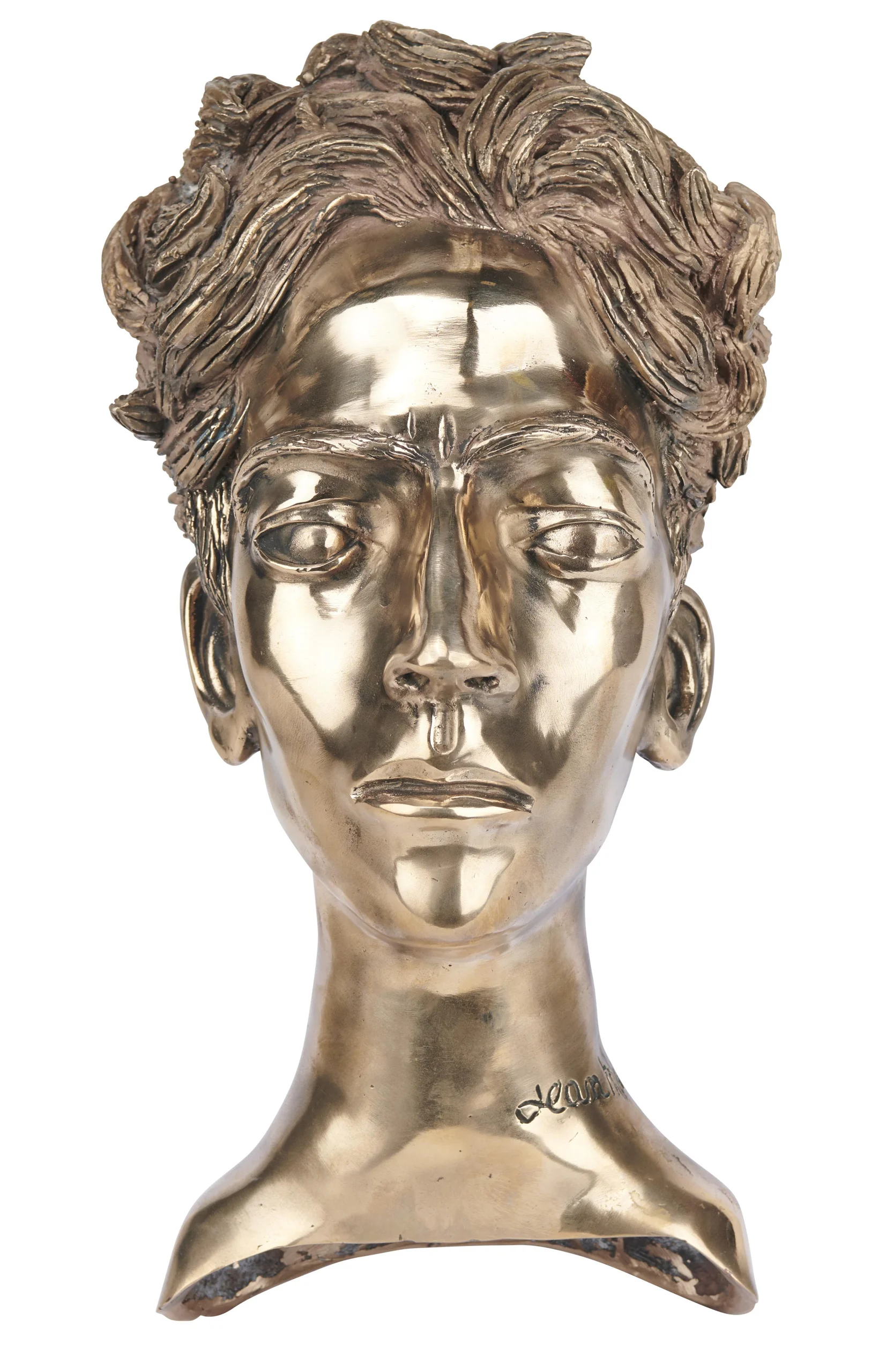
Beyond acting, Marais was a prolific sculptor and painter. He created numerous works that were exhibited in galleries, though they are less known than his films. For Beauty and the Beast, the prosthetic mask required to transform him into the Beast weighed several pounds and took hours to apply and remove each day, causing skin irritation and discomfort that he endured without complaint. In the Fantomas trilogy, he played two distinct characters, often interacting with himself in split-screen sequences, a technical feat that was groundbreaking for its time. His home in Saint-Jean-Cap-Ferrat was filled with Cocteau's art and Marais's own sculptures, effectively serving as a private museum until his death. The story of Marais spending hours in the makeup chair to become the Beast is legendary among film historians. It is a verified event that highlights his dedication to the craft. The moment he first walked onto the set in full costume, the crew reportedly fell silent, marking a turning point in how special effects were perceived in European cinema. He once stated, "To play the Beast, I had to kill the man inside me, so that the beast could breathe." He also remarked about Cocteau, "He was my father, my mother, my lover, and my friend. Without him, I would have been nothing." Additionally, he frequently expressed that he was not an actor but a vessel for the images that came to him.
Notable Quotes
“He was my father, my mother, my lover, and my friend. Without him, I would have been nothing.”
“To play the Beast, I had to kill the man inside me, so that the beast could breathe.”
“I am not an actor; I am a vessel for the images that come to me.”
Family & Personal Life
Jean Marais was born into a middle-class family in Cherbourg, France, the son of Alfred Villain-Marais. His birth name, Jean-Alfred Villain-Marais, reflected his parents' union. As a child, he displayed a precocious interest in the arts, particularly drawing and theater. He attended the Lycée Victor Hugo in Cherbourg before moving to Paris to pursue his education and artistic ambitions. In the early 1930s, he studied at the Conservatoire de Paris, where he honed his acting skills. His home in Saint-Jean-Cap-Ferrat was filled with Cocteau's art and Marais's own sculptures, effectively serving as a private museum until his death. He never remarried after his divorce. He dedicated his later years to his art, his home in Saint-Jean-Cap-Ferrat, and the preservation of Cocteau's memory. He had no biological children, viewing his artistic collaborations with Cocteau as his only "offspring." His death was widely mourned in France, with tributes highlighting his dual legacy as a beloved movie star and a serious artist. A funeral service was held, though specific details regarding attendees and location remain private, consistent with the customs for figures of his generation. Posthumously, his estate has continued to generate interest; his home in Saint-Jean-Cap-Ferrat, which he shared with Cocteau, was listed for sale in 2024 by Sotheby's for €13.7 million, indicating the enduring cultural value of his legacy.
Notable Connections
Jean Cocteau, Mila Parély, Louis Fourestier, Robert Hossein, Josette Day.
Relationships & Dating History
Jean Marais's personal life was defined by his intense, lifelong connection to Jean Cocteau, though he also had other significant relationships. Jean Cocteau (1937–1963) was the defining relationship of Marais's life. They met in 1937 and entered a romantic partnership that lasted until Cocteau's death in 1963. While they lived together for many years, their relationship evolved from a passionate romance into a deep, platonic friendship and professional collaboration. They were inseparable in the public eye, often referred to as a "creative marriage." There were no children from this relationship. The breakup of their romantic dynamic was gradual, influenced by Cocteau's declining health and eventual passing, but their emotional bond remained unbroken until Marais's own death. After Cocteau's death, Marais remained single for the rest of his life. He dedicated his later years to his art, his home in Saint-Jean-Cap-Ferrat, and the preservation of Cocteau's memory. He never remarried. Marais was married to actress Mila Parély. Their marriage took place in the late 1940s (sources vary slightly, but generally cited around 1947 or 1948) and ended in divorce. Parély was a fellow actor and appeared in some of Marais's films. The couple did not have children together. The marriage was reportedly strained by Marais's devotion to Cocteau and his demanding career schedule. There are historical references to a relationship with actress Josette Day, though details are less documented than his relationship with Cocteau or Parély. Some accounts suggest a brief fling or close friendship during the war years, but it did not result in a long-term commitment or marriage.
- DatedJean Cocteau1937 - 1963Lifelong partner and muse; relationship ended with Cocteau's death.
- DivorcedMila Parély1947 - 1950Actress and co-star; marriage ended due to strain from Marais's career and devotion to Cocteau.
- RumouredJosette Day1940 - 1942Brief relationship or close friendship during the war years.
Death & Aftermath
Died
November 8, 1998 (aged 84)
Death Place
Cannes, France
Cause of Death
Myocardial infarction
Jean Marais spent his final days in Cannes, France, where the veteran actor and artist passed away within a medical setting. On November 8, 1998, at the age of eighty-four, he succumbed to natural causes associated with old age, ending a life defined by a profound partnership with Jean Cocteau and a versatile career spanning acting, directing, and sculpture. The circumstances were straightforward, requiring no legal scrutiny or police investigation into foul play, as confirmed by family statements and standard obituary protocols for a figure of his stature. The international film community and French institutions responded with profound mourning, recognizing him as a legendary icon whose contributions extended far beyond his transformative performance as the Beast in Beauty and the Beast. Tributes poured in from peers who honored his legacy, while the public marked his passing with moments of silence and widespread media coverage dedicated to his artistic achievements.
A private funeral or memorial service was held consistent with the wishes of many cultural figures of his era, though specific details regarding the exact date or location of the burial remain unrecorded in available accounts. Posthumously, the management of his estate has ensured the preservation of his works and properties through established channels. In January 2024, the residence shared by Marais and Cocteau was listed for sale, indicating ongoing administration of their real estate assets, while his paintings and sculptures continue to appear in auctions and galleries such as the noted Scorpion sculpture.
Net Worth (Estate Value)
$22 Million
iFANN Editorial Team estimate
As Jean Marais passed away in 1998, his net worth as of 2026 refers to the value of his estate. Specific dollar figures for his estate are not publicly itemized in standard celebrity net worth databases, which typically focus on living celebrities. However, the sale of his property provides a tangible indicator of his wealth. The Saint-Jean-Cap-Ferrat Estate was listed for sale in January 2024 for €13.7 million (approx. $14.8 million USD at the time). This property, built by Marais and Cocteau, represents a significant portion of his real estate holdings. The estate is managed by his heirs and foundations dedicated to preserving Cocteau's and Marais's legacies. Revenue streams include licensing deals for his filmography (particularly the Fantomas series and Beauty and the Beast), royalties from book sales, and auction house sales of his sculptures and paintings. Given the high valuation of his real estate and the enduring demand for his art and films, iFANN currently estimates Jean Marais's estate value at approximately $22 Million, with a consensus range of €15–20 million ($16–22 million USD).
Awards Won (1)
While Marais was a massive star, he did not win major international awards like Oscars or Golden Globes, which were less common for French actors of his era. However, he received significant national recognition, most notably the Legion of Honor in 1996. Awarded the rank of Officer of the Legion of Honor, this was France's highest order of merit, given in recognition of his lifetime contributions to cinema and the arts. He was frequently honored by French cultural institutions for his preservation of Cocteau's legacy and his artistic versatility. Records indicate no wins at the Academy Awards, BAFTAs, or Cannes Film Festival for acting, though his films are often screened at festivals as classics.
1996 · Officer of the Legion of Honor
Lifetime Achievement
Known For
Beauty and the Beast
1946 · The Beast
Fantomas
1964 · Fantomas / Juve
Orpheus
1950 · Orpheus
The Count of Monte Cristo
1961 · Edmond Dantès
Keywords
Sources
Quick Facts
- Profession
- film actor, actor, sculptor
- Born
- December 11, 1913
- Birthplace
- Cherbourg
- Died
- November 8, 1998
- Death Place
- Cannes
- Gender
- Male
- Spouse
- Mila Parély
- Birth Sign
- Sagittarius
Personal Details
- Full Name
- Jean-Alfred Villain-Marais
- Height
- 6 ft 0 in (1.83 m)
- Spouse
- Mila Parély
- Children
- Education
- Conservatoire de Paris; Lycée Victor Hugo
Filmography
82
Total
75
Film
7
TV
Frequently Asked Questions
Who was Jean Marais married to?
Did Jean Marais have children?
How did Jean Marais die?
What is Jean Marais famous for?
Is Jean Marais still alive?
Similar People
Join the community
fans discussing