
Jean-Baptiste Say
 France
economist•industrialist•journalist
Birthday
January 5, 1767
Birth Sign
Capricorn
Birthplace
Lyon, France
Age
Died at 65
About
Jean-Baptiste Say was a pioneering French economist, industrialist, and journalist who played a foundational role in the development of classical economics. Born in Lyon, he is best known for articulating "Say's Law," which posits that supply creates its own demand. His work fundamentally shifted economic thought away from mercantilism toward free markets and production.
Say viewed entrepreneurs as essential organizers who coordinate resources rather than mere risk-takers. He established the first business school in the world and translated Adam Smith's The Wealth of Nations into French, making those ideas accessible to a continental audience. His legacy remains central to discussions on supply-side economics and the nature of value creation.
Early Life & Background
Born into a bourgeois family in Lyon, Jean-Baptiste Say was the eldest son of Antoine Say, a successful merchant and publisher who traded books and textiles. The young Jean-Baptiste attended the Collège de la Trinité where he studied classics and theology, yet his true passions lay elsewhere. He found himself drawn to commerce and the natural sciences instead of traditional religious or academic paths. Following his father's death in 1782, Say inherited a significant portion of the family estate but chose not to immediately pursue a conventional mercantile career.
Instead, he embarked on extensive travels across Europe, visiting England, Scotland, and Switzerland. This period of exploration exposed him to the burgeoning British Industrial Revolution and the writings of Adam Smith. The experience profoundly influenced his future intellectual trajectory. Upon returning to France, he attempted to establish a textile manufacturing business in Lyon. However, the turbulent political climate of the French Revolution and subsequent wars caused his venture to fail. During these years of commercial struggle, he also served briefly as a spy for the French government, gathering intelligence on British industrial capabilities during a mission to Britain in 1814. It was amidst this backdrop of failure and political upheaval that he began formulating his economic theories.
Career Growth
After his initial business ventures faltered, Say pivoted to journalism and translation. In 1802, he published a French translation of Adam Smith's The Wealth of Nations, introducing Smith's concepts to a new generation of French thinkers. The pivotal moment of his career arrived in 1803 with the publication of A Treatise on Political Economy. This landmark work introduced "Say's Law," arguing that the production of goods generates the income necessary to purchase them, thereby refuting the notion that economies could suffer from general gluts. The book became a cornerstone of classical economics.
Throughout the 1810s, Say continued to refine his theories and engage in public debate. He championed the idea that entrepreneurs were the essential organizers of production, distinguishing them from simple capitalists. In 1819, he was appointed to the chair of political economy at the Conservatoire National des Arts et Métiers in Paris, becoming one of the first professors of economics in France. This role allowed him to formalize his teachings and train a new generation of economists. Later in the 1820s, he co-founded the École spéciale de commerce et d'industrie, recognized as the first business school in the world, further cementing his legacy as an educator who bridged the gap between theory and practice.
Career Timeline
Public Image & Style
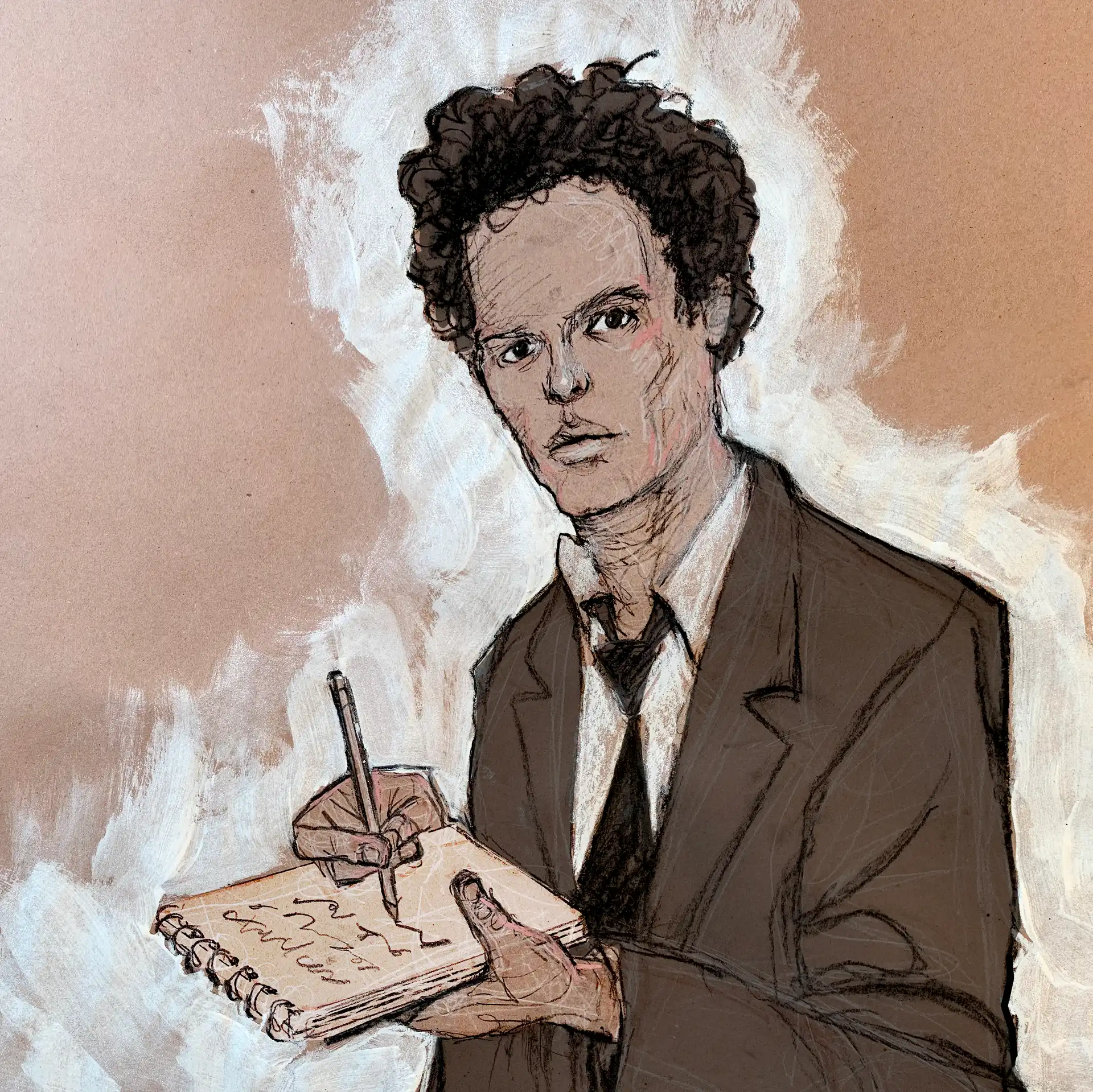
Say is portrayed as a rational, forward-thinking liberal who championed individual liberty and free markets. His image is that of a serious scholar and practical businessman, devoid of the flamboyance associated with modern celebrities. His writings are characterized by clarity, logic, and a deep commitment to empirical observation. He is remembered as a man who bridged the gap between abstract theory and the gritty reality of industrial management.
Fame & Fandom
Jean-Baptiste Say does not command a modern fanbase in the manner of living celebrities, nor is there a formal name for any community dedicated to his memory. The figures who engage with his work are scholars, economists, and advocates within free-market institutions rather than enthusiasts participating in digital rituals or organized campaigns. Organizations such as the Mises Institute and the Acton Institute maintain archives and publish analyses that keep his theories alive, treating him as a foundational thinker rather than a pop culture icon. His influence persists through academic discourse and the continued citation of his Treatise on Political Economy, yet no viral moments, birthday tributes, or social media movements define his legacy. The iFANN Global Fame Rankings do not currently include Jean-Baptiste Say, as no evaluation data has been gathered for this historical figure. Consequently, no placement, ordinal rank, or movement metric exists to document his standing relative to contemporary personalities. This absence reflects the nature of his fame, which remains confined to intellectual history rather than global celebrity metrics. While he is celebrated by specific schools of thought as a neglected champion of laissez-faire economics, these groups operate as professional constituencies rather than fandoms. The narrative surrounding him focuses on the formulation of Say's Law and his transition from industrialist to economist, events that shaped economic theory but did not generate the mass appeal required for inclusion in current popularity rankings. There are no recorded incidents of public outbursts, crowd disruptions, or fan interactions associated with his life, distinguishing his legacy entirely from the realm of modern stardom.
Interesting Facts and Legends
Say once worked as an industrial spy for the French government, infiltrating British factories to learn about their advanced manufacturing techniques during a trip in 1814. His translation of Adam Smith's The Wealth of Nations was instrumental in spreading Smith's ideas throughout continental Europe. He famously defined production not as the creation of matter, but as the creation of utility. Say is credited with creating the modern mythos of the entrepreneur as a heroic figure who drives progress. The shock he felt witnessing the scale of the Industrial Revolution in Britain solidified his belief in the power of free enterprise and technological innovation.
Notable Quotes
“Production is the creation, not of matter, but of utility.”
“It is not money that makes the market, but the goods.”
“The entrepreneur is the organizer of production, the one who coordinates the factors of production.”
Family & Personal Life
He married Marie-Françoise-Charlotte Goubaud in 1792. They had several children together, though specific details about their names and lives are less documented than his professional achievements. Like many of his contemporaries, Say faced personal tragedies, including the loss of his wife and some children during the tumultuous years of the Napoleonic Wars. Despite these hardships, he remained dedicated to his work and his advocacy for free-market principles. He died in Paris at the age of 65, leaving behind a body of work that reshaped the understanding of production, trade, and entrepreneurship.
Notable Connections
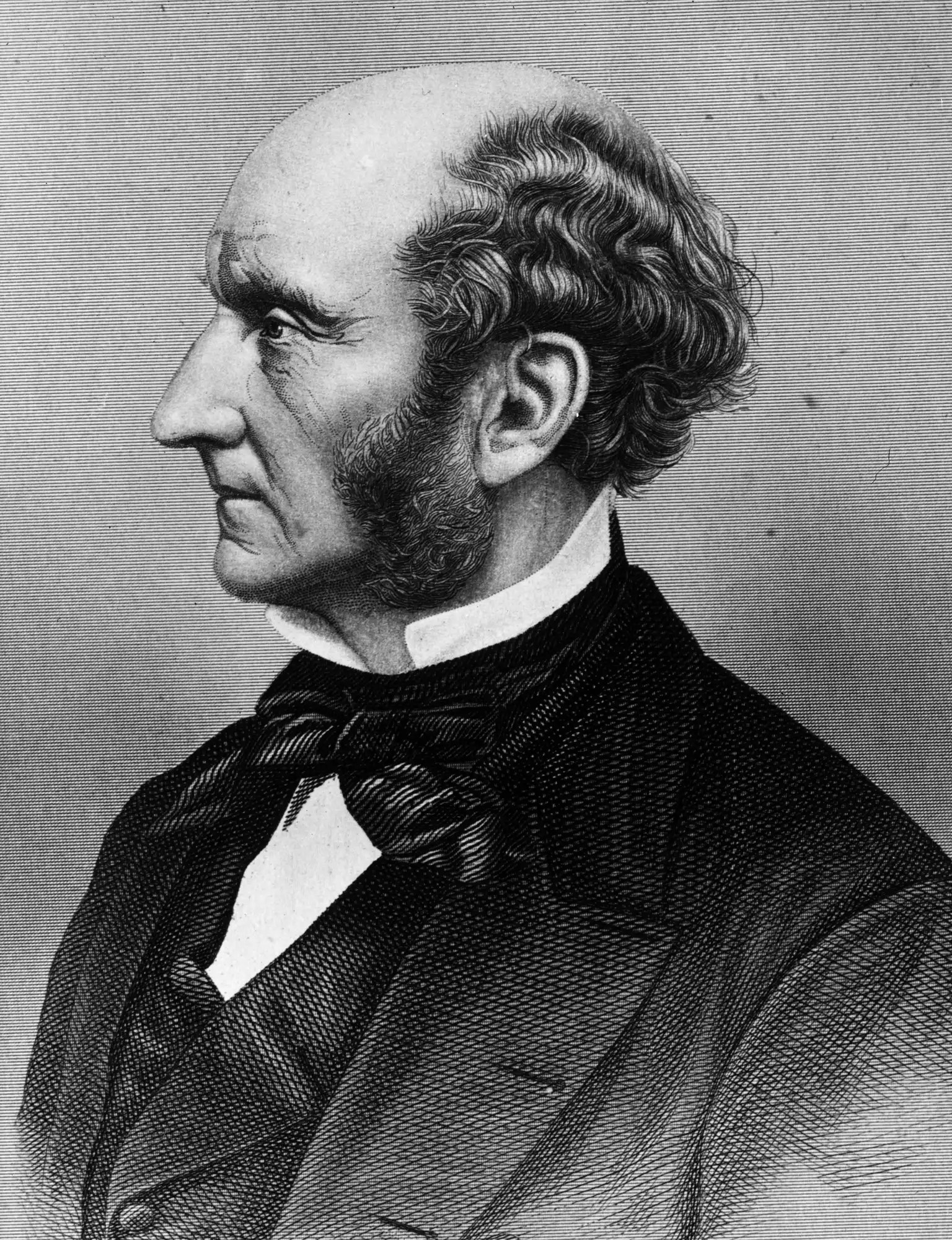
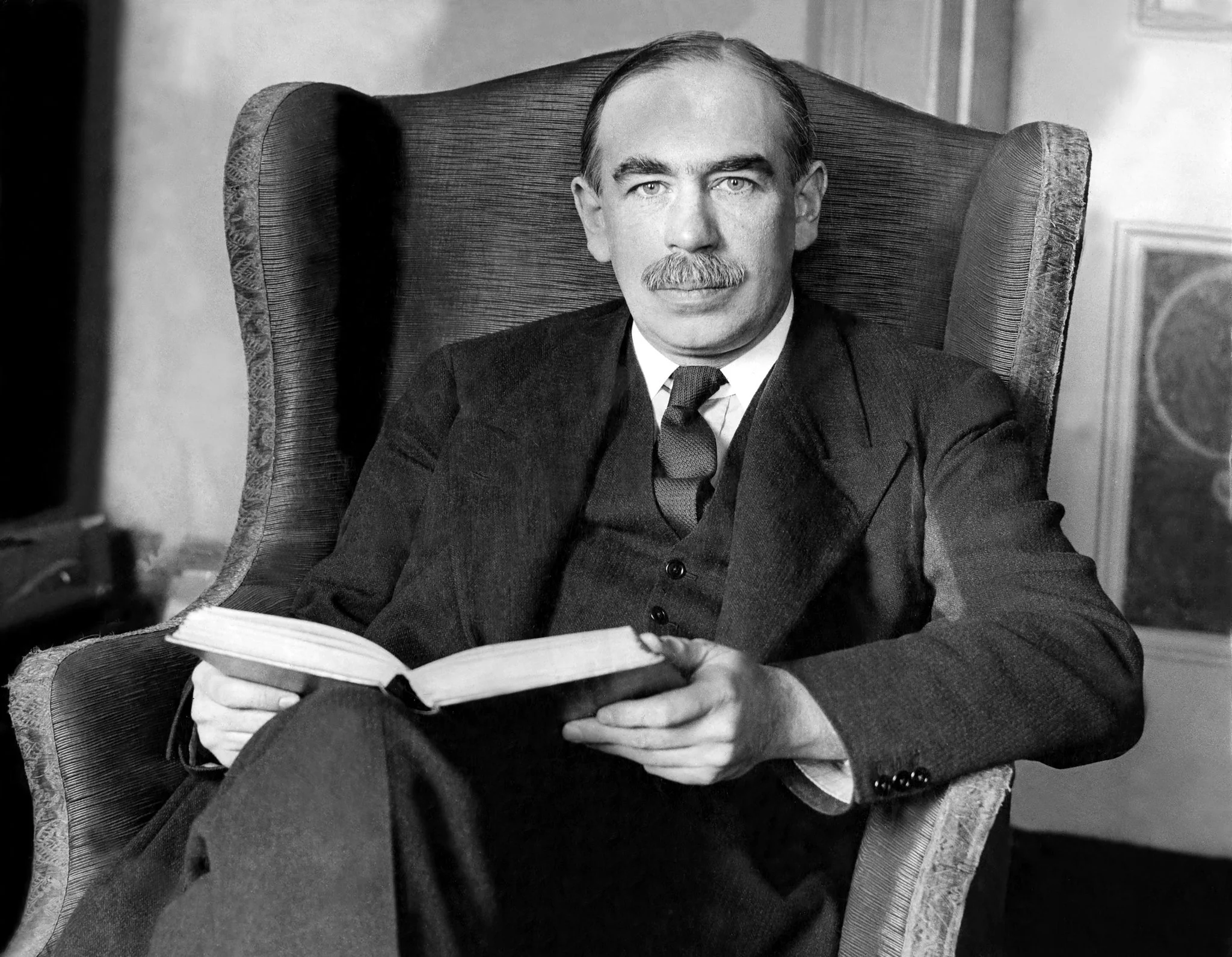
Adam Smith, David Ricardo, John Stuart Mill, John Maynard Keynes, Léon Walras.
Relationships & Dating History
As a historical figure who died in 1832, Jean-Baptiste Say has no modern dating history, public romantic relationships, or marital status updates relevant to 2026. There are no records of engagements, divorces, or high-profile flings in the context of celebrity culture. His only documented long-term partnership was his marriage to Marie-Françoise-Charlotte Goubaud in 1792. They raised several children together before facing personal tragedies during the Napoleonic Wars. At the time of his death in 1832, he was widowed.
- MarriedMarie-Françoise-Charlotte Goubaud1792 - 1832Marriage lasted until his death; they had several children.
Death & Aftermath
Died
November 15, 1832 (aged 65)
Death Place
Unknown
Cause of Death
Unknown
Net Worth (Estate Value)
$0
iFANN Editorial Team estimate
Since Jean-Baptiste Say passed away in 1832, his net worth as of 2026 is recorded as $0 by the iFANN Editorial Team. His estate value at the time of his death was modest compared to modern standards, reflecting the life of a scholar and businessman rather than a tycoon. However, his intellectual property, his books, theories, and the educational institutions he founded continue to generate immense indirect economic value. His works, particularly A Treatise on Political Economy, remain in print and are standard texts in economics courses worldwide, generating royalties for publishers and universities. There is no single estate manager; his legacy is managed by academic institutions, publishers, and the global community of economists who study his work. Quantifying his financial impact today is impossible in monetary terms, but the economic influence of his theories is estimated to be in the trillions, having shaped the policies of nations and the strategies of corporations for nearly two centuries.
Awards & Accolades
View 6 records, honours and achievementsKnown For
A Treatise on Political Economy
1803 · Author
The Wealth of Nations (Translation)
1802 · Translator
Keywords
Sources
Quick Facts
- Profession
- economist, industrialist, journalist
- Born
- January 5, 1767
- Birthplace
- Lyon, France
- Died
- November 15, 1832
- Death Place
- Paris, France
- Gender
- Male
- Birth Sign
- Capricorn
Personal Details
- Full Name
- Jean-Baptiste Say
- Spouse
- Marie-Françoise-Charlotte Goubaud
- Children
- Several children (names not widely documented)
- Education
- Collège de la Trinité, Lyon; Self-taught in commerce and natural sciences
Frequently Asked Questions
Who was Jean-Baptiste Say?
What is Say's Law?
Did Jean-Baptiste Say invent entrepreneurship?
Why is Jean-Baptiste Say important?
When did Jean-Baptiste Say die?
Join the community
fans discussing