
 France
About
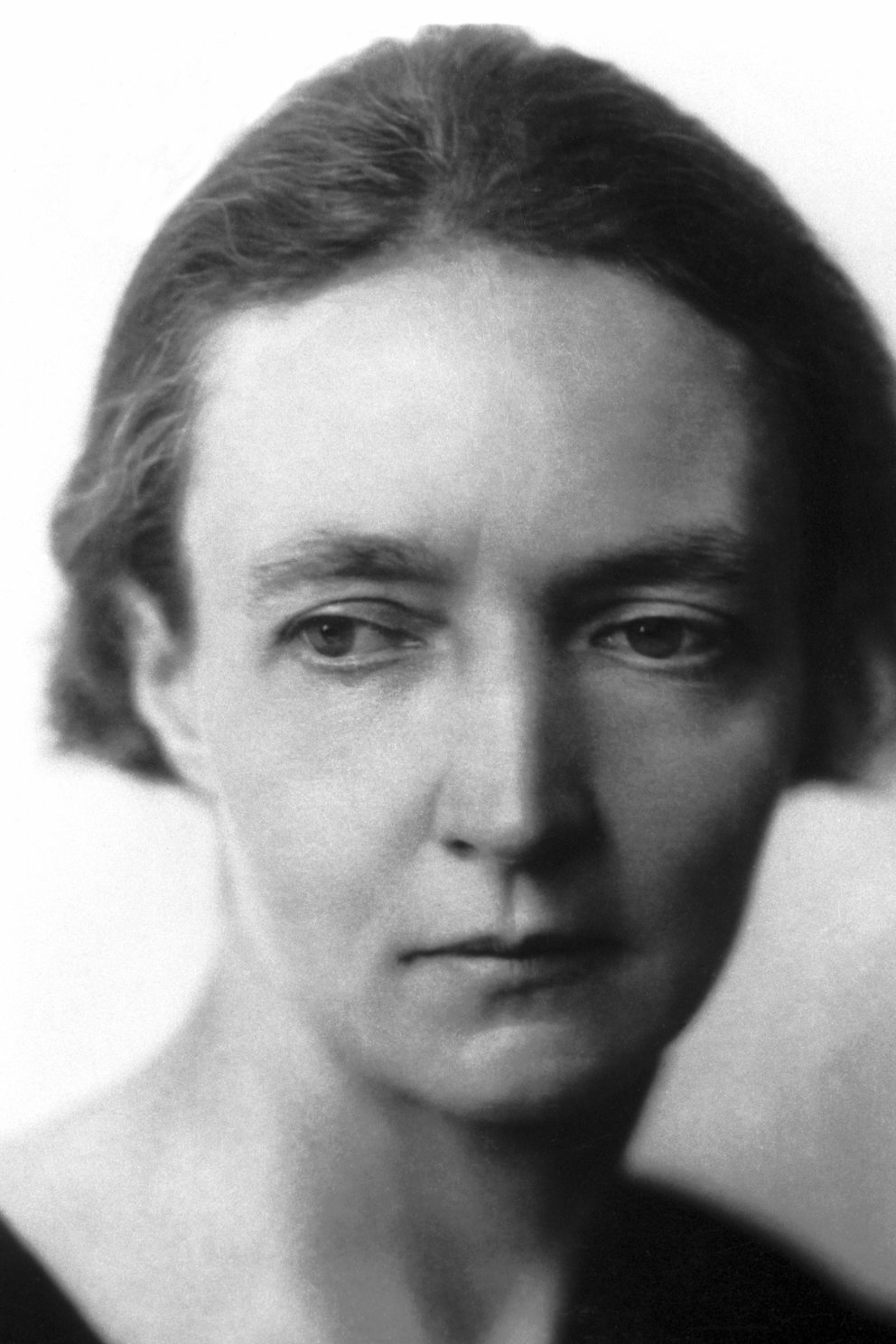
Irène Joliot-Curie was a French chemist, physicist, and professor. She is celebrated for her groundbreaking work on artificial radioactivity, a discovery for which she shared the 1935 Nobel Prize in Chemistry with her husband, Frédéric Joliot-Curie. This recognition cemented the Curie family's legacy as the most Nobel-laureated family, with five laureates. Irène's achievements also mark her as part of unique Nobel Prize pairings: the only mother-daughter duo (with Marie Curie) and the only father-daughter duo (with Pierre Curie) to receive the prestigious award. She was also a trailblazer in politics, serving as undersecretary for Scientific Research and later as a commissioner for the French Alternative Energies and Atomic Energy Commission. Her scientific contributions continue to influence the field, and her name was honored on the Eiffel Tower, signifying her lasting impact.
Early Life & Background
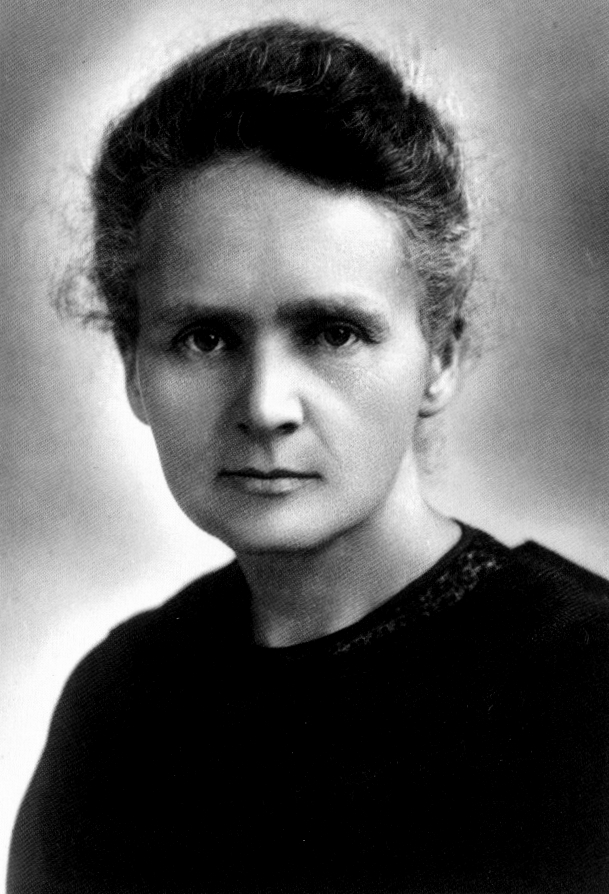
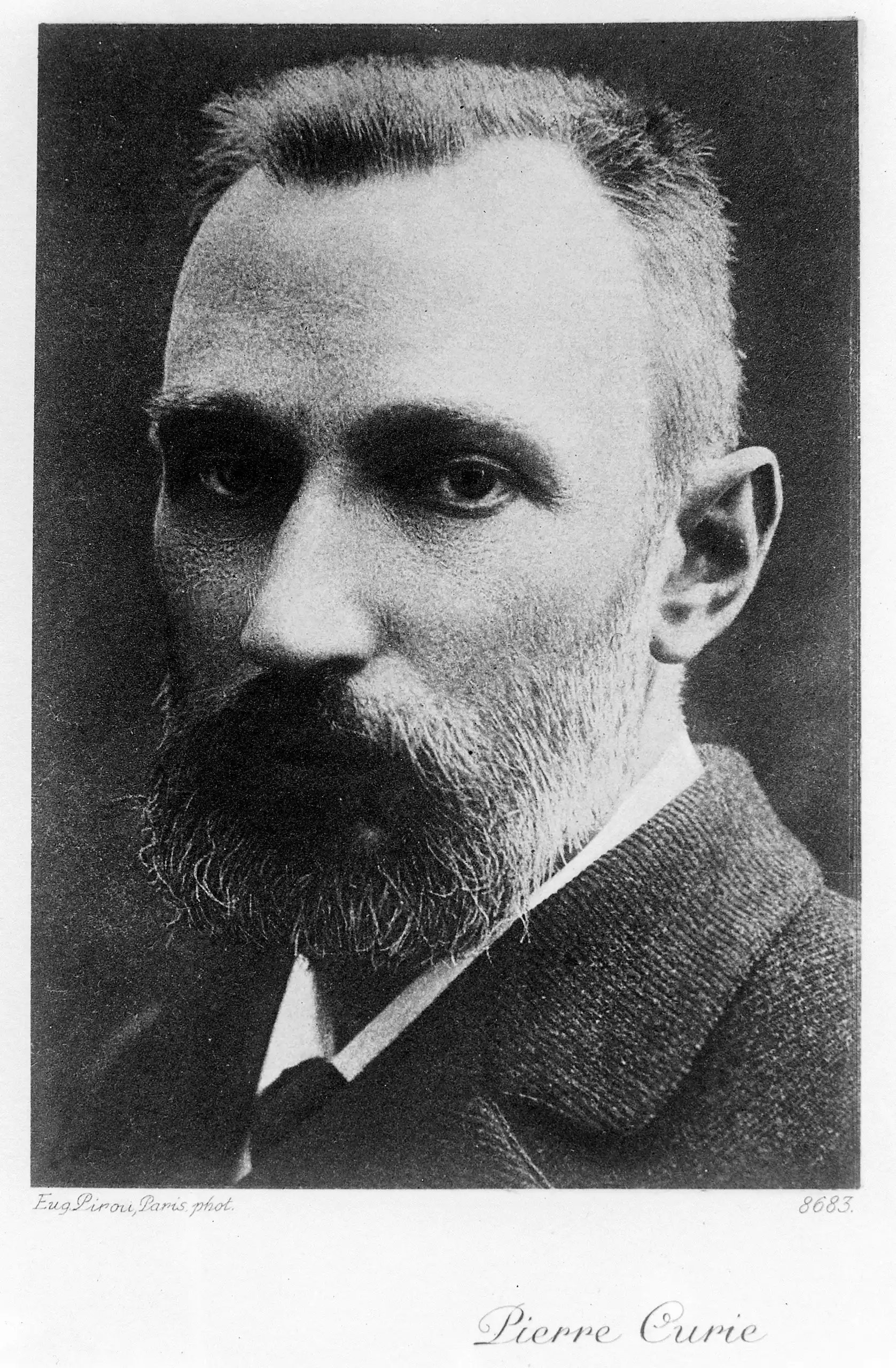
Irène Curie was born on September 12, 1897, in the 13th arrondissement of Paris, France. She was the daughter of the world-renowned scientists Pierre and Marie Curie, and her childhood home was a vibrant hub where scientific discovery and intellectual pursuit were central. The household constantly hummed with scientific discussions, fostering an environment where Irène was surrounded by pioneering research from an early age. Tragedy struck when Irène was just nine years old with the death of her father, Pierre Curie. Her mother, Marie, a formidable scientist in her own right, then took on the responsibility of raising Irène and her younger sister, Ève. Committed to providing a stimulating education for her daughters, Marie organized a cooperative school alongside fellow prominent scientists, including physicist Paul Langevin and chemist Jean Perrin. In this unique educational setting, Irène received an unconventional schooling that emphasized science and critical thinking over traditional rote memorization, an approach in which she thrived, demonstrating early intellectual prowess.
As World War I erupted, a 17-year-old Irène demonstrated a profound sense of service, training as a radiological nurse and earning her diploma in March 1915. She worked alongside her mother, helping to equip and operate mobile X-ray units, famously known as the "petites Curies." Driving these units to field hospitals, she provided crucial diagnostic and treatment support to wounded soldiers, gaining invaluable hands-on expertise in the practical application of radiation and developing a deep sense of commitment. After the war, Irène formally pursued her higher education, studying physics and chemistry at the University of Paris (Sorbonne), where she earned her degree in physical sciences in 1920. Her academic journey continued as she joined the prestigious Curie Laboratory at the Radium Institute. There, she embarked on her doctoral research, focusing on the alpha rays of polonium, an element famously discovered by her parents. She successfully defended her thesis, earning her PhD in physical sciences from the University of Paris (Sorbonne) in 1925.
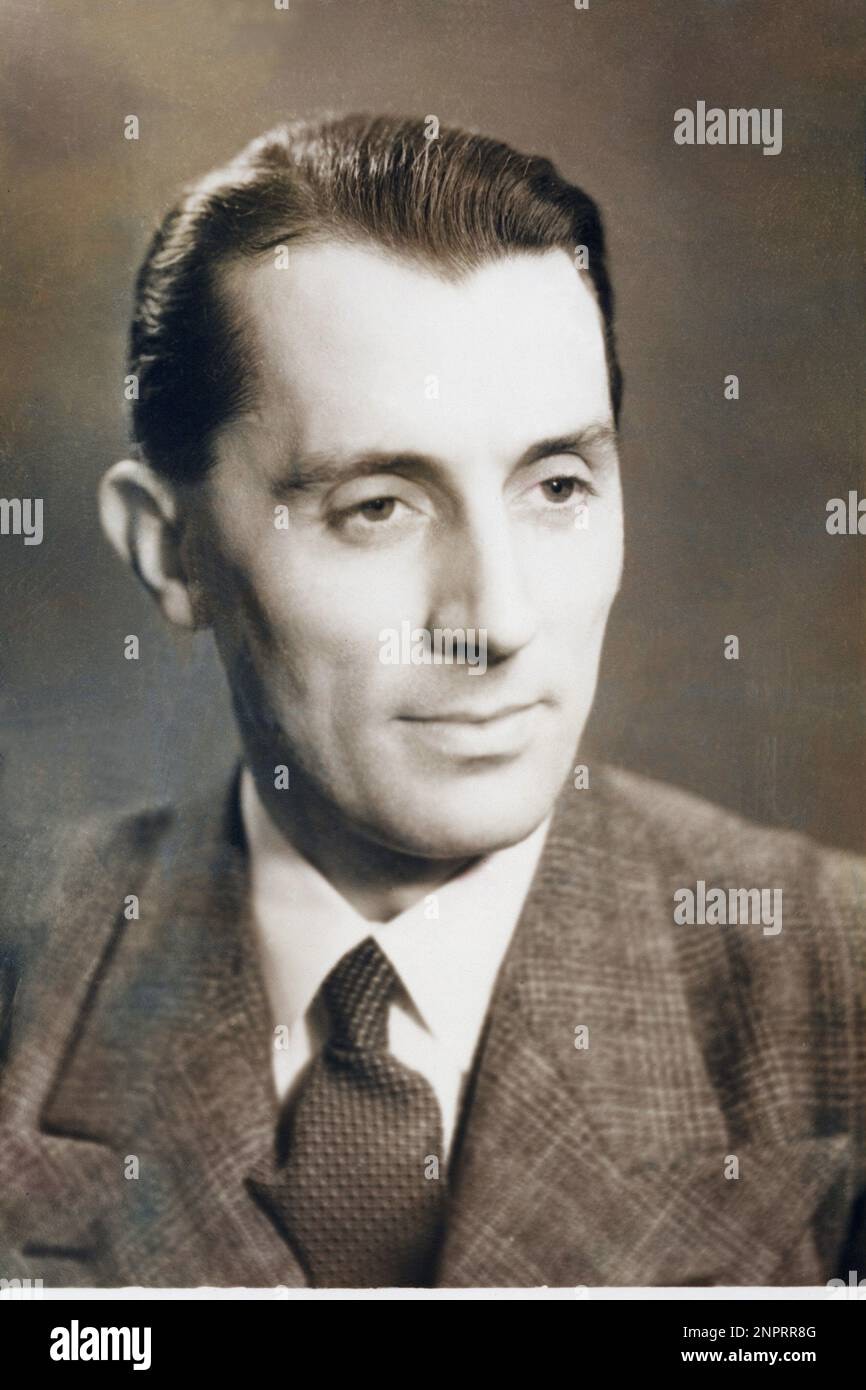
A pivotal moment in her burgeoning scientific career came in December 1924, when a young engineer named Frédéric Joliot joined the lab as her assistant. Their initial professional collaboration quickly deepened, evolving into a profound personal relationship. Irène Curie and Frédéric Joliot married in 1926, officially forming the scientific partnership that would become known as the Joliot-Curie team.
Career Growth
Between 1928 and 1935, Irène and Frédéric Joliot-Curie conducted experiments that transformed nuclear physics. They bombarded light elements like aluminum, boron, and magnesium with alpha particles and discovered that stable elements could be turned into radioactive isotopes, artificial radioactivity. They published the breakthrough in January 1934. This discovery meant scientists could create "designer" radioactive elements quickly and cheaply, opening up new possibilities in medicine, biology, and chemistry. For this work, they won the Nobel Prize in Chemistry in December 1935.
In 1936, Irène served for four months as Undersecretary of State for Scientific Research in Léon Blum's Popular Front government, becoming one of the first three women in a French cabinet. After World War II, she was appointed a commissioner of the newly created French Alternative Energies and Atomic Energy Commission (CEA) in 1945, helping steer France's nuclear policy. The Joliot-Curies were instrumental in building France's first nuclear reactor in 1948. Irène later served as director of the Radium Institute and, in 1955, secured funding for a modern laboratory in Orsay equipped with a synchrocyclotron, expanding French high-energy nuclear physics research. She continued publishing and mentoring until her death in 1956.
Career Timeline
Public Image & Style
Irène Joliot-Curie was seen as a serious, dedicated scientist who carried the weight of her family name with grace. She was not a flashy public figure; her image was that of a meticulous researcher in a lab coat, often photographed at her instruments. In the media, she was frequently compared to her mother, Marie Curie, a comparison she both embraced and sought to escape. Her role in government and the CEA added a layer of political gravitas, making her a symbol of women's capability in science and public life. Today, she is remembered as a pioneer in nuclear physics and a trailblazer for women in STEM, with her legacy promoted by institutions like the Nobel Foundation and science museums.
Fame & Fandom (iFAMOUS Rankings)
The public memory of Irène Joliot-Curie remains anchored in the gravitas of scientific discovery rather than the fervor of celebrity worship. Unlike modern entertainers who cultivate dedicated followings with specific names and organized rituals, her audience consists of historians, students, and those drawn to the Curie family legacy. There is no documented formal name for any fanbase, as she was a researcher and politician whose public appearances were defined by academic conferences and wartime service rather than stage performances or social media engagement. Her reputation rests on verified historical achievements, including the 1934 discovery of artificial radioactivity and her role in French government, creating a legacy of respect rather than fandom culture. In August 2026, the iFANN Global Fame Engine evaluated her standing among historical figures. Irène Joliot-Curie is currently an evaluated entity that does not hold a placement in the published rankings, meaning she has no numeric rank within the Global Top 1,000 or any Top-100 scope list. This status reflects her position as a monumental but non-contemporary figure whose fame is stable and historical rather than fluctuating with current trends. The absence of a ranking indicates that while her contributions are foundational to nuclear physics, she does not generate the volume of contemporary search signals required for a top-tier global score. Her influence persists through textbooks and museum exhibits rather than viral campaigns or chart positions.
Interesting Facts and Legends
Irène and Marie Curie remain the only mother-daughter pair to win Nobel Prizes, while Irène and Pierre Curie stand as the sole father-daughter duo to receive the award. The Curie family holds five Nobels, the most of any family in history. As a child, she attended a cooperative school organized by her mother and colleagues that emphasized science over rote learning. During World War I, she drove mobile X-ray units to the front lines, operating them alongside her mother to assist wounded soldiers. She and Frédéric were the second married couple to win a Nobel, after her parents. Her exposure to radiation likely caused the leukemia that killed her. Beyond these facts, a widely retold story defines her legacy: the discovery of artificial radioactivity in 1934, where she and Frédéric bombarded stable elements like aluminum with alpha particles to create new radioactive isotopes, fundamentally changing nuclear physics. Another enduring chapter involves her political activism; her opposition to the Algerian War and advocacy for peace led to her removal from certain government positions, though she remained a respected scientist until her death. The somber narrative of her life concludes with her passing in 1956 from aplastic anemia, a condition directly caused by prolonged radiation exposure, mirroring the fate of her mother.
Notable Quotes
“It is not enough to have a good mind; the main thing is to use it well.”
“I have always been a scientist, and I think that is the most important thing.”
“The discovery of artificial radioactivity opened a new era in nuclear physics.”
“We must not forget that radium is a dangerous substance, and we must handle it with care.”
Family & Personal Life
Irène was the eldest daughter of Pierre and Marie Curie. Her father died in 1906, and her mother raised her and her sister Ève. Marie was a dominant force in Irène's life, ensuring she received a rigorous scientific education. Irène married Frédéric Joliot on October 4, 1926; they combined their surnames to Joliot-Curie. They had two children: Hélène, born in 1927, who became a nuclear physicist, and Pierre, born in 1932, who became a biologist. Both continued the family's scientific legacy. The family lived in Paris, and Irène's household was deeply intertwined with her work at the Radium Institute.
Notable Connections
Irène Joliot-Curie is most closely associated with her husband Frédéric Joliot-Curie, with whom she shared the Nobel Prize and a lifelong scientific partnership. She is also indelibly linked to her parents, Marie and Pierre Curie, and to the Radium Institute in Paris. Her work laid the foundation for modern nuclear medicine and the use of radioisotopes.
Relationships & Dating History
Irène's only documented romantic relationship was with Frédéric Joliot. They met in December 1924 at the Radium Institute, where Frédéric became her assistant. Their shared passion for science quickly grew into a deep personal connection. They married on October 4, 1926, adopting the combined surname Joliot-Curie. Their partnership was both personal and professional, leading to the discovery of artificial radioactivity and two children, Hélène and Pierre. Irène remained married to Frédéric until her death in 1956. No other relationships are recorded in credible sources.
- MarriedFrédéric Joliot-Curie1926 - 1956Met at the Radium Institute in 1924; married October 4, 1926; scientific partnership led to Nobel Prize; two children.
Death & Aftermath
Died
March 17, 1956 (aged 58)
Death Place
Paris, France
Cause of Death
Acute leukemia from radiation exposure
The scientific community and French officials immediately honored Irène Joliot-Curie as a Nobel laureate and the daughter of Marie and Pierre Curie, recognizing her pivotal role in the French Resistance and her contributions to nuclear physics. Tributes flowed from institutions that had benefited from her leadership at the Radium Institute and her service as undersecretary for Scientific Research, cementing her status as a pillar of French science rather than a celebrity subject of public mourning. Her final days were spent in Paris following a period of declining health characterized by severe fatigue and illness typical of radiation-induced bone marrow failure. She passed away on March 17, 1956, at the age of fifty-eight, with medical diagnosis attributing the death to acute leukemia directly resulting from chronic exposure to ionizing radiation sustained during decades of research and wartime service as a battlefield radiologist.
Following a private funeral held in Paris, she was cremated, and her ashes were interred alongside those of her husband, Frédéric Joliot-Curie, and her mother, Marie Curie, in the family vault at the Satory cemetery in Gif-sur-Yvette, France. Posthumously, her legacy has been maintained through the establishment of the "Irène Joliot-Curie Prize," an award created to recognize women scientists who have made significant contributions to science and to encourage young people to pursue scientific careers. Recent recipients include Sylvie Méléard, Anne Canteaut, and Valentina Emiliani, ensuring her commitment to women in science remains a living tribute.
Net Worth (Estate Value)
As a scientist working in public institutions, Irène Joliot-Curie's personal wealth was modest. She earned a professor's salary at the University of Paris and received the Nobel Prize money, which was shared with her husband. Her estate after death was not publicly documented, but her legacy is primarily scientific rather than financial. No modern net worth estimates are available for her.
Awards Won (2)
Irène Joliot-Curie won the Nobel Prize in Chemistry in 1935, shared with her husband Frédéric, for the discovery of artificial radioactivity. She also received the Barnard Gold Medal for Meritorious Service to Science in 1940, jointly with Frédéric, from Columbia University.
1935 · Chemistry
Discovery of artificial radioactivity
1940 · Science
Contributions to nuclear science
Known For
Discovery of artificial radioactivity
1934 · Co-discoverer with Frédéric Joliot-Curie
Nobel Prize in Chemistry
1935 · Laureate
Undersecretary of State for Scientific Research
1936 · Government official
Commissioner of the French Atomic Energy Commission
1945 · Commissioner
Keywords
Sources
Quick Facts
- Profession
- physicist, chemist, professor
- Born
- +1897-09-12
- Birthplace
- 13th arrondissement of Paris
- Died
- +1956-03-17
- Death Place
- Paris
- Gender
- Female
- Spouse
- Frédéric Joliot-Curie
- Birth Sign
- Virgo
Personal Details
- Full Name
- Irène Curie
- Spouse
- Frédéric Joliot-Curie
- Children
- 2
- Education
- PhD in physical sciences, University of Paris (Sorbonne), 1925; degree in physical sciences, 1920
Frequently Asked Questions
Who was Irène Joliot-Curie?
What is Irène Joliot-Curie's net worth in 2026?
How did Irène Joliot-Curie die?
What did Irène Joliot-Curie discover?
Was Irène Joliot-Curie related to Marie Curie?
Join the community
fans discussing