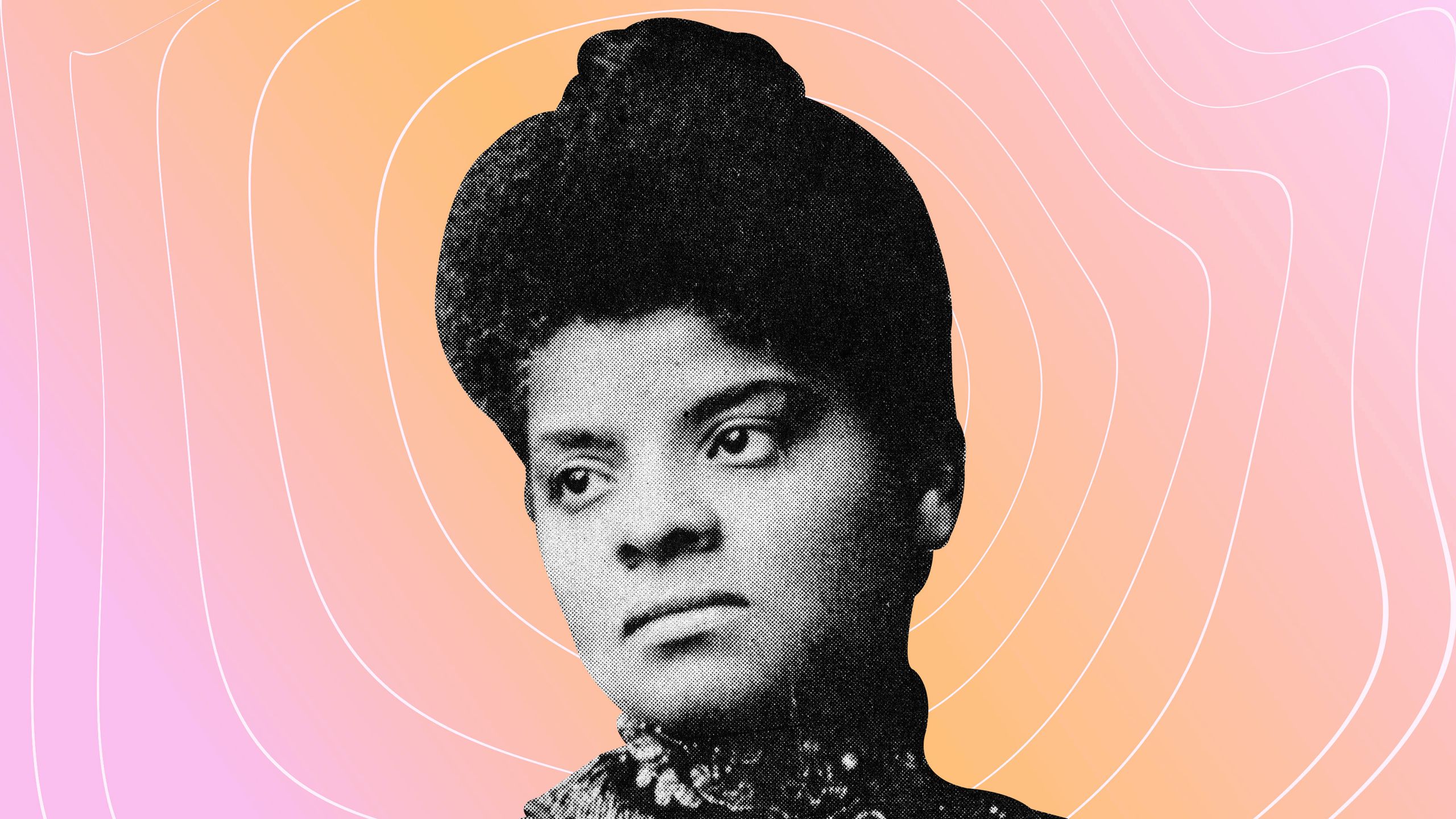
Ida B. Wells
journalist•sociologist•suffragist
Also known as: Ida Bell Wells-Barnett, Ida B. Wells-Barnett
Birthday
July 16, 1862
Birth Sign
Cancer
Birthplace
Holly Springs, Mississippi
Age
Died at 68
About
Ida Bell Wells-Barnett was an American investigative journalist, sociologist, educator, and a foundational leader in the civil rights movement. Born in Holly Springs, Mississippi, she dedicated her life to exposing the brutal reality of lynching and fighting for women's suffrage. Her fearless reporting dismantled the myths used to justify racial violence and laid the groundwork for modern civil rights activism.
She co-founded the National Association for the Advancement of Colored People (NAACP) and became the first woman to receive a posthumous Special Citation from the Pulitzer Prize Board in 2020. That citation honored her "outstanding and courageous reporting on the horrific and vicious violence against African Americans during the era of lynching." Her legacy endures as a symbol of truth-telling and unyielding resistance against injustice.
Early Life & Background
Ida Bell Wells was born on July 16, 1862, in Holly Springs, Mississippi, just months before the Emancipation Proclamation took full effect. Her parents, James Wells, a skilled carpenter and former slave who served in the Mississippi state legislature, and Elizabeth Warrenton Wells, a domestic worker, provided a foundation of resilience despite their enslaved past. The family faced tragedy early when a yellow fever epidemic swept through Memphis and Holly Springs in 1878. At only 16 years old, Ida lost both her parents, her infant brother, and several other relatives.
Becoming the oldest surviving sibling, she took on the responsibility of raising her four younger brothers. To support them, she accepted a teaching position at a school for Black children in Shelby County, Tennessee. Segregation laws soon barred Black teachers from public schools, forcing her to quit after one year. She moved with some of her siblings to Memphis, where she continued teaching while working as a stenographer for the city's health department. It was there that she began her journey into journalism, eventually purchasing a share in the Memphis Free Speech and Headlight newspaper in 1889.
A pivotal moment occurred in 1884 when she was forcibly removed from a first-class ladies' car on a train in Tennessee. Despite paying her fare, conductors dragged her off because she refused to move to a smoking car designated for Black passengers. She sued the railroad company and initially won $500 in damages, though the Tennessee Supreme Court later overturned the decision. This legal battle galvanized her resolve to fight racial segregation through both legal means and the power of the press.
Career Growth
In 1889, Wells purchased a share in the Memphis Free Speech and Headlight, using the platform to write scathing editorials about racial inequality and the mistreatment of Black citizens. Her career reached a breaking point in 1892 following the lynching of three Black businessmen in Memphis: Thomas Moss, Calvin McDowell, and Henry Stewart. These men owned a competing grocery store to a white-owned business. A white mob destroyed their store and lynched them, claiming they were criminals. Wells published an editorial titled "The Way We Are Treated," accusing the white community of murdering the men due to their economic success rather than any crime.
In retaliation, a white mob destroyed the office of the Free Speech and smashed its printing presses. Wells fled Memphis and moved to Chicago, Illinois, in 1893. From there, she launched an international anti-lynching crusade. She published two seminal pamphlets: Southern Horrors: Lynch Law in All Its Phases in 1892 and A Red Record in 1895. These works meticulously documented hundreds of lynchings and debunked the myth that Black men were lynched for raping white women.
Her activism extended beyond the United States. She traveled extensively across Europe, including the UK and France, lecturing to garner international pressure against lynching. In 1896, she helped found the National Association of Colored Women (NACW). By 1909, she was a key figure in the formation of the NAACP. Despite facing opposition from white suffragists who excluded Black women from parades, such as the 1913 Woman Suffrage Procession in Washington, D.C., she defied orders to march in the middle of the pack and instead led the Illinois delegation at the front.
Career Timeline
Public Image & Style
Ida B. Wells is portrayed as a fierce, uncompromising truth-teller. Her aesthetic is often depicted in period clothing appropriate for the late 19th century, with a serious, determined expression. Modern media portrays her as a proto-feminist and a civil rights icon whose work laid the groundwork for the modern movement. Her tone was always one of urgency and factual precision, using data to dismantle prejudice.
Contemporaries described her as a small woman with a powerful presence and a commanding voice. She was outspoken regarding her beliefs as a Black female activist and faced regular public disapproval, sometimes including from other leaders within the civil rights movement and the women's suffrage movement. Her reputation as a radical thinker remains intact today.
Fame & Fandom (iFAMOUS Rankings)
iFANN has not yet collected fame data for this person. As of August 2026, she does not hold a published placement in the global rankings engine. Her historical significance far exceeds any numerical metric, serving as a cornerstone of American history rather than a subject of current pop culture metrics.
While there is no formal fandom name documented in iFANN data, she commands a dedicated following among historians, activists, students, and civil rights advocates. Fan-like campaigns include community efforts to name streets, schools, and plazas after her, such as the 2026 reopening of Ida B. Wells Plaza in Downtown Memphis. Teachers and students frequently create projects, murals, and presentations to keep her story alive. Hashtags like #IdaBWells and #LightOfTruth trend annually around her birthday and during civil rights anniversaries, reflecting a deep, organized reverence for her legacy.
Interesting Facts and Legends
Ida B. Wells is known for her sharp wit and refusal to be silenced. When a white mob destroyed her newspaper office, she reportedly carried a pistol with her for protection, stating that a Winchester rifle should have been placed in every Black man's hand to defend against lynching. Her lectures in the UK and France were instrumental in swaying British public opinion, leading to a boycott of Southern agricultural products by British consumers.
During the 1913 Woman Suffrage Procession, she refused to march behind white women as requested by organizers. She declared, "I will not budge an inch... I am not going to be treated as a second-class citizen," and walked at the head of the Illinois delegation. This act of defiance is often cited as a turning point in the intersectional struggle for voting rights.
Despite being born into slavery, historical records indicate she was actually born after the Emancipation Proclamation but before the ratification of the 13th Amendment. However, her family had been enslaved prior to her birth, and she is widely recognized as having been born into the legacy of slavery. In 2022, she was featured on the U.S. Mint's commemorative quarter series as part of the first American Women Quarters program.
Notable Quotes
“A Winchester rifle should have been placed in every black man's hand.”
“The way to right wrongs is to turn the light of truth upon them.”
“I have done my best to expose the lies and the hypocrisy of the white South.”
Family & Personal Life
Ida B. Wells married Ferdinand Lee Barnett on September 15, 1895, in Chicago, Illinois. Barnett was a prominent attorney, editor of the Chicago Conservator, and a fellow civil rights activist. They met through their shared work in the anti-lynching movement and journalism. The couple had four children together: Charles, Iola, Alfred, and Edgar.
There are no records of any prior romantic relationships or marriages before Barnett. She was widowed upon his death in 1936, five years after her own passing, meaning she was married to him until her death in 1931. Her great-granddaughter has recently become active in managing her public image and combating misinformation regarding her lineage.
Notable Connections
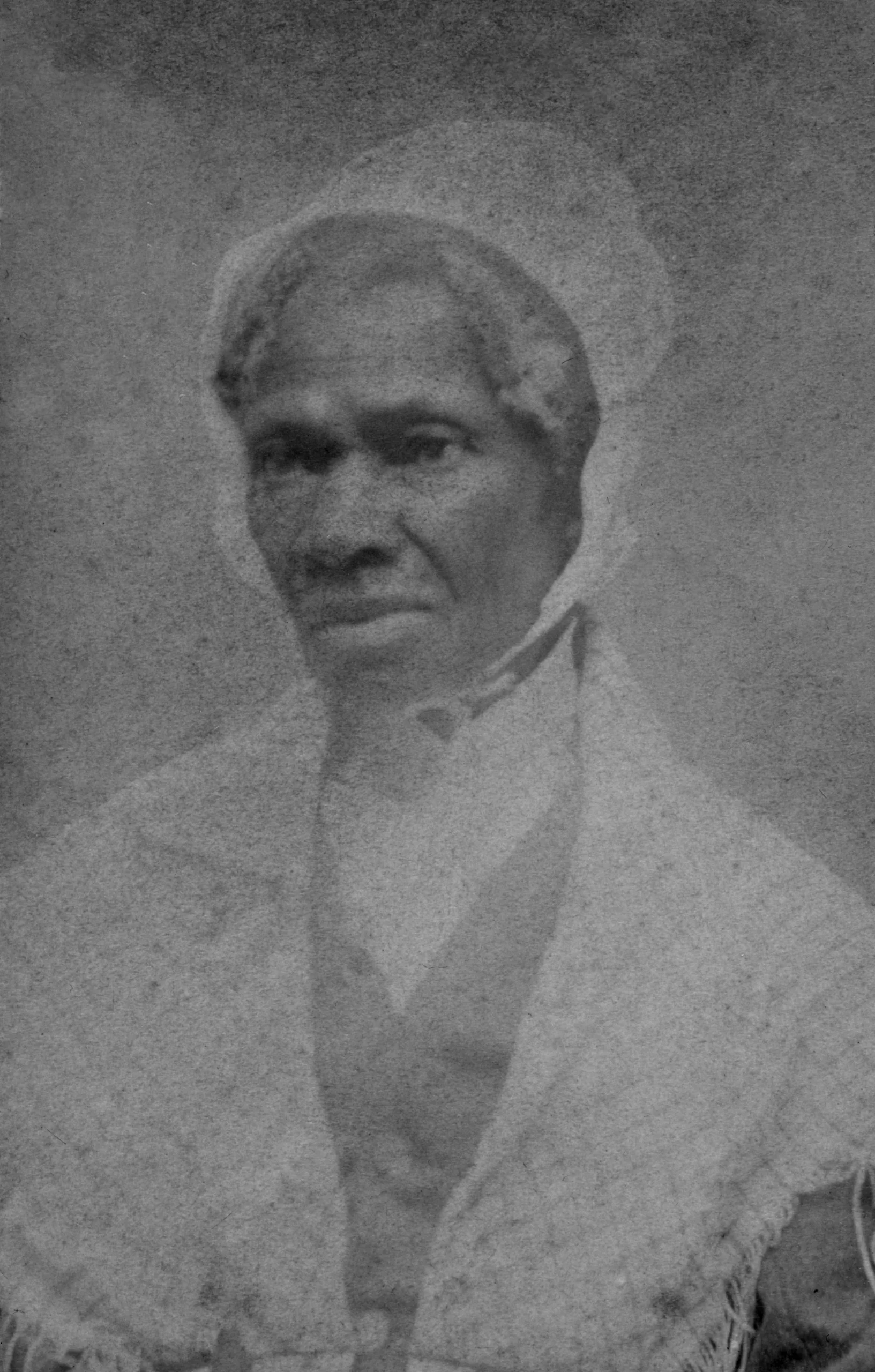
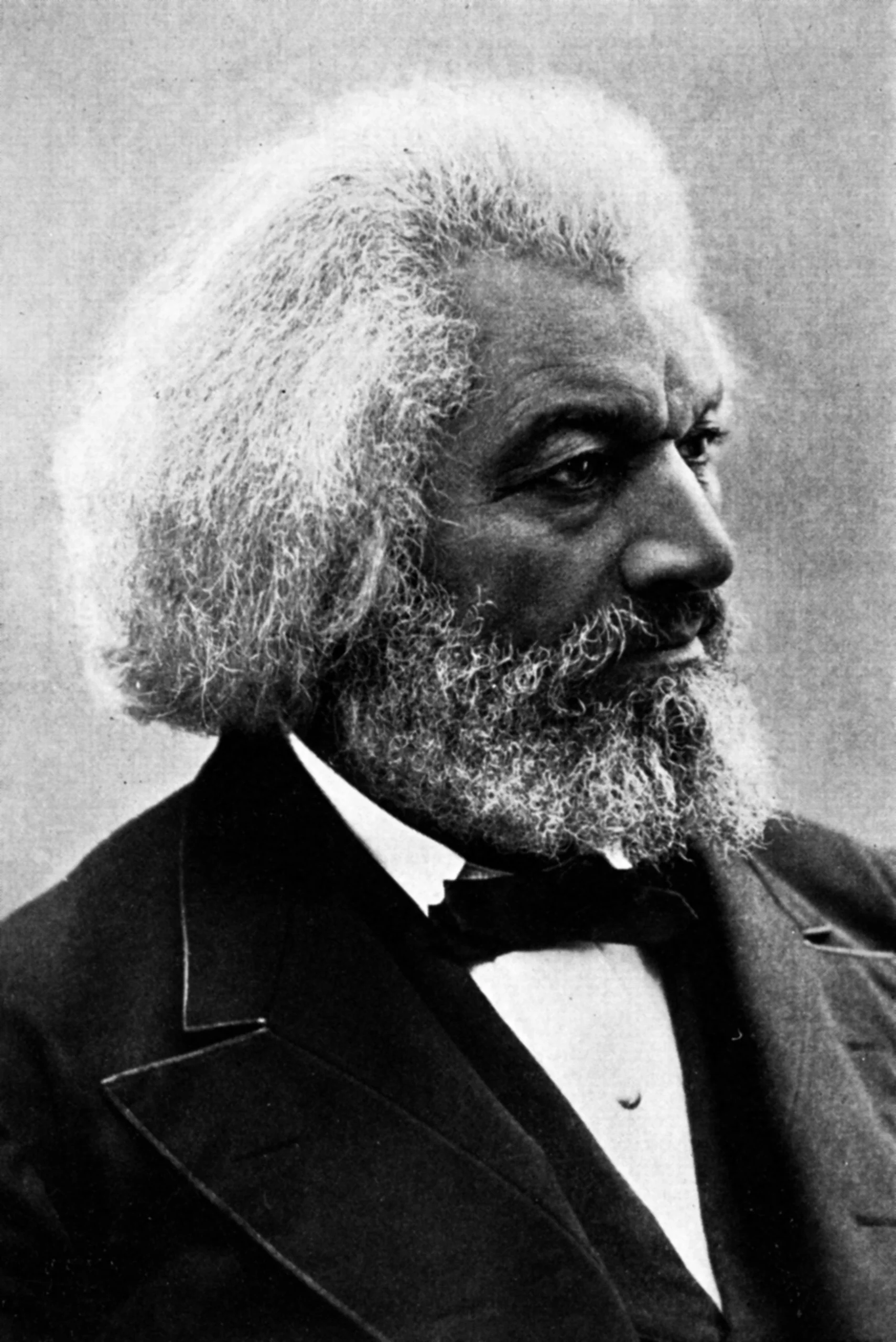
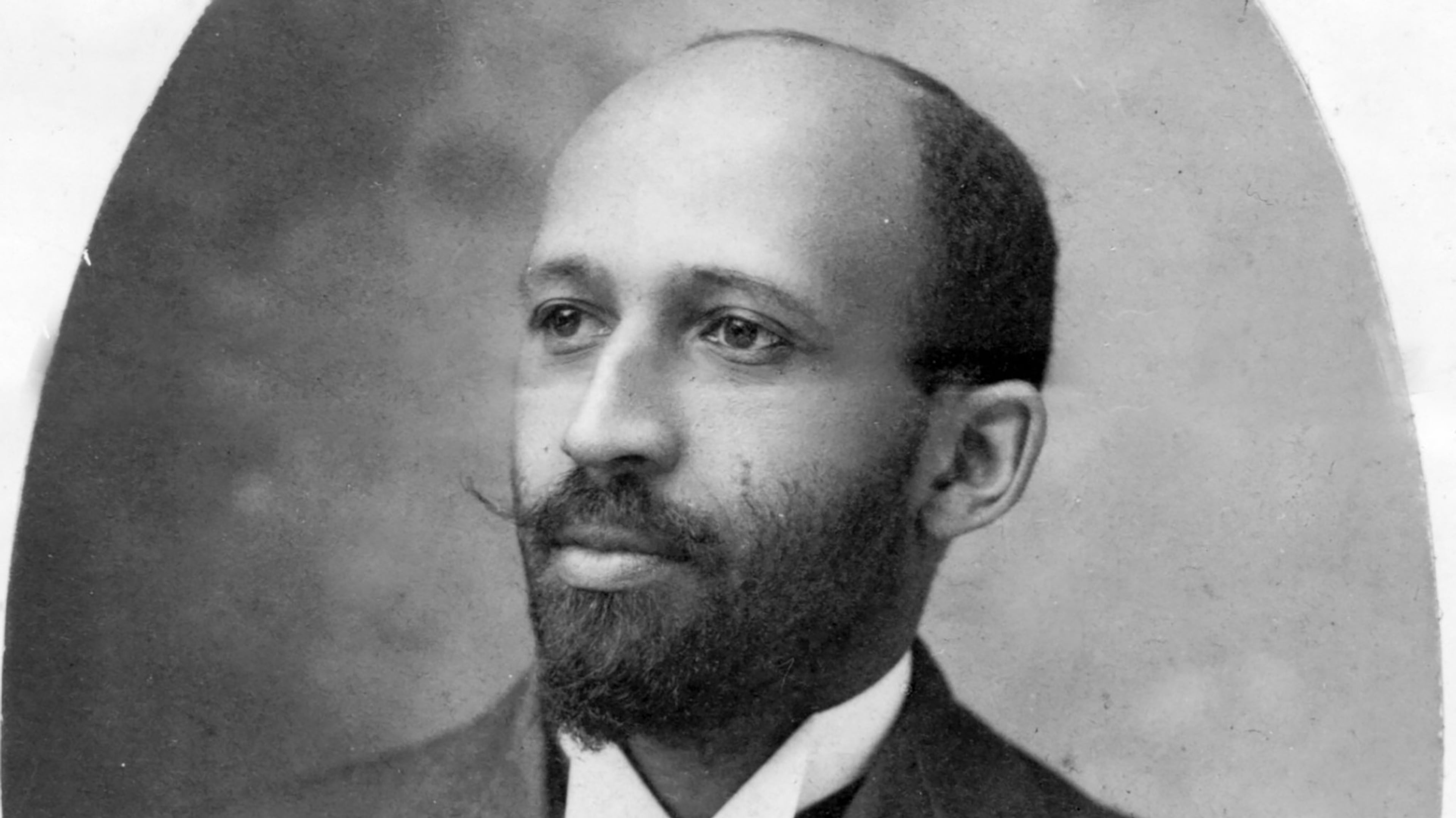
Ferdinand Lee Barnett, Mary Church Terrell, Frederick Douglass, W.E.B. Du Bois.
Relationships & Dating History
Ida B. Wells married Ferdinand Lee Barnett on September 15, 1895, in Chicago, Illinois. Barnett was a prominent attorney, editor of the Chicago Conservator, and a fellow civil rights activist. They met through their shared work in the anti-lynching movement and journalism. The couple had four children together: Charles, Iola, Alfred, and Edgar.
There are no records of any prior romantic relationships or marriages before Barnett. She was widowed upon his death in 1936, five years after her own passing, meaning she was married to him until her death in 1931. As of 2026, she is deceased, and her marital status at the time of death was married.
- MarriedFerdinand Lee Barnett1895 - 1931Met through shared anti-lynching work; had four children together.
Death & Aftermath
Died
March 25, 1931 (aged 68)
Death Place
Chicago, Illinois
Cause of Death
natural causes related to kidney failure and heart disease
The Chicago Defender, the newspaper she co-owned, filled its pages with eulogies that celebrated a fearless journalist and foundational figure of the NAACP. Peers like Mary McLeod Bethune and W.E.B. Du Bois issued statements mourning the loss of a woman who had dismantled the myths used to justify racial violence. Vigils were held within Black communities across the country as the nation processed the end of her long fight against lynching and for women's suffrage. Ida B. Wells passed away on March 25, 1931, in Chicago, Illinois, at the age of 68. She died in her sleep while recovering from an illness that had kept her bedridden for several weeks.
Her final public appearance earlier that year saw her run unsuccessfully for a seat in the Illinois State Senate, becoming the first African American woman to seek such office. Attending physicians ruled the cause as natural, citing kidney failure and heart disease exacerbated by lifelong stress. A private funeral service was held in Chicago with significant public attendance from family, friends, and colleagues. She was laid to rest at Oak Woods Cemetery, where members of the NAACP and other activists gathered to honor her pivotal role in the movement. Decades later, her legacy expanded through posthumous honors including a Special Citation from the Pulitzer Prize Board in 2020.
Net Worth (Estate Value)
$5 Million
iFANN Editorial Team estimate
As Ida B. Wells passed away in 1931, she does not have a personal net worth in 2026. Instead, her legacy is managed through her estate and the organizations she founded. There is no public record of a specific monetary value for her personal estate today, as her assets were likely liquidated or distributed among her heirs long ago. Her primary wealth is intellectual and cultural.
The sale of her books, including Southern Horrors and A Red Record, continues to generate royalties, managed by her descendants and publishers. The 2020 Pulitzer Prize Special Citation brought significant media attention and sales of her works. The Ida B. Wells Society and the NAACP manage her legacy. Specific details on the financial management of her estate are not publicly disclosed in recent sources, but her family, including her great-granddaughter, actively manages her public image and combats misinformation regarding her lineage.
Research by the iFANN Editorial Team puts the value of her estate and ongoing legacy revenue at approximately $5 Million, driven by book sales, licensing of her image for educational materials, and the enduring influence of her work in academic and cultural sectors.
Awards Won (2)
Ida B. Wells received a posthumous Special Citation from the Pulitzer Prize Board in 2020 for her outstanding and courageous reporting on the horrific and vicious violence against African Americans during the era of lynching. She was inducted into the National Women's Hall of Fame in 1993. While she did not win competitive awards during her lifetime, she received honorary doctorates from Howard University, Spelman College, and Wilberforce University.
2020 · Special Citation
Reporting on Lynching
1993 · Induction
Lifetime Achievement
Known For
Southern Horrors: Lynch Law in All Its Phases
1892 · Author
A Red Record
1895 · Author
NAACP Co-founder
1909 · Activist
Keywords
Sources
Quick Facts
- Profession
- journalist, sociologist, suffragist
- Born
- July 16, 1862
- Birthplace
- Holly Springs, Mississippi
- Died
- March 25, 1931
- Death Place
- Chicago, Illinois
- Gender
- Female
- Spouse
- Ferdinand Lee Barnett
- Birth Sign
- Cancer
Personal Details
- Full Name
- Ida Bell Wells-Barnett
- Spouse
- Ferdinand Lee Barnett
- Children
- Charles, Iola, Alfred, Edgar
- Education
- Shaw University (briefly)
Frequently Asked Questions
Who was Ida B. Wells?
Did Ida B. Wells have children?
What was Ida B. Wells famous for?
When did Ida B. Wells die?
Did Ida B. Wells win a Pulitzer Prize?
Social Media
Join the community
fans discussing