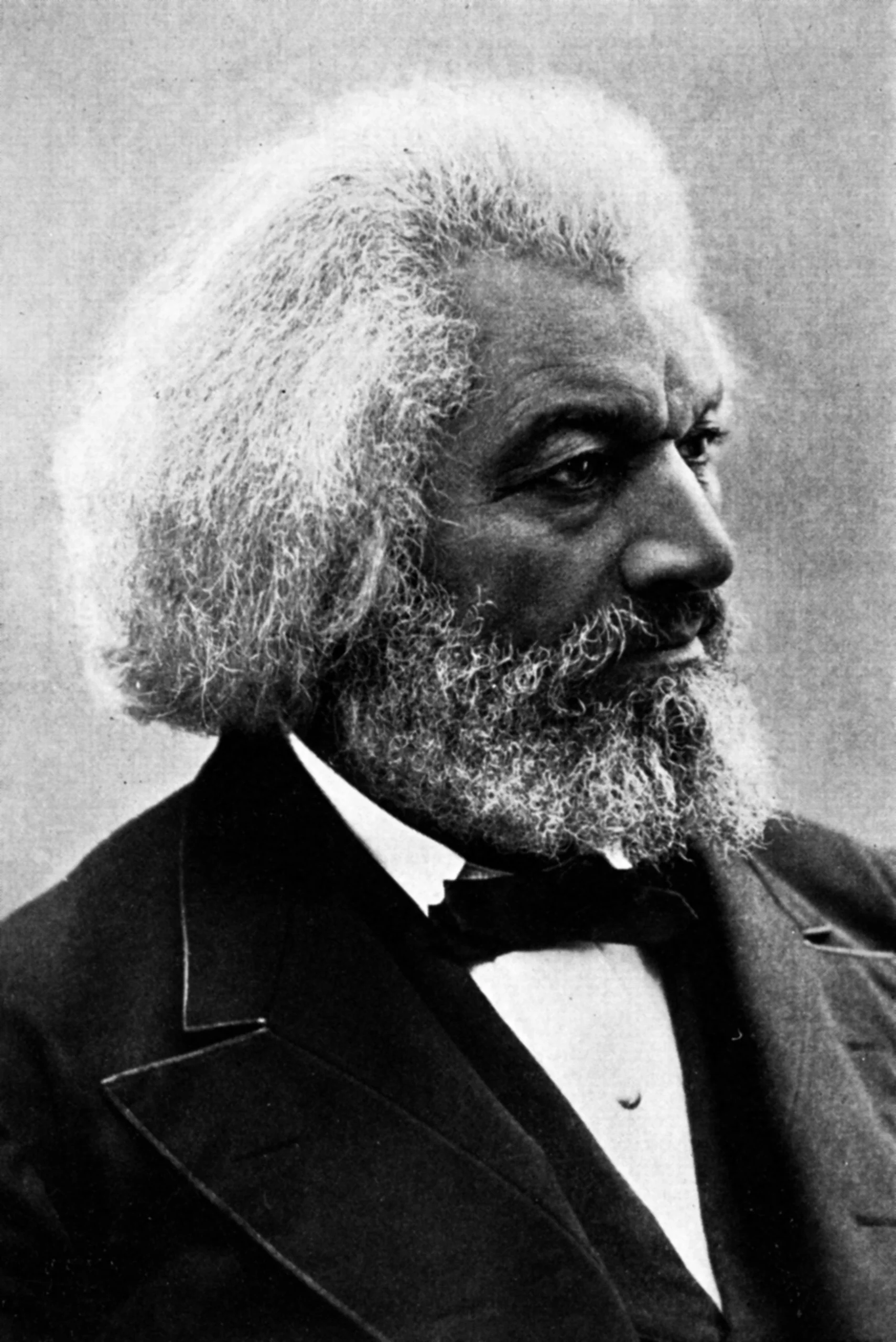
Frederick Douglass
 United States
abolitionist•orator•writer•journalist•diplomat•statesman
Also known as: Frederick Augustus Washington Bailey
Birthday
February 14, 1818
Birth Sign
Aquarius
Birthplace
Talbot County, Maryland, USA
Age
Died at 77
Height
6 ft 2 in (188 cm)
About
Frederick Douglass was an American abolitionist, orator, writer, journalist, diplomat, and statesman. Born into slavery in Maryland, he escaped in 1838 and became the most prominent African American voice of the 19th century. His 1845 autobiography, Narrative of the Life of Frederick Douglass, an American Slave, sold over 30,000 copies in its first five years and remains in print. He published two more memoirs, edited the abolitionist newspaper The North Star, and delivered hundreds of speeches that combined moral urgency with logical force. Douglass served as U.S. Marshal for the District of Columbia, Recorder of Deeds, and Minister to Haiti. He was the first African American nominated for Vice President of the United States, in 1872. His legacy as a self-liberated thinker and advocate for justice continues to shape American civil rights discourse.
Early Life & Background
Frederick Augustus Washington Bailey was born around February 1818 on a plantation in Talbot County, Maryland. His mother, Harriet Bailey, was an enslaved woman; his father was widely believed to be his enslaver, Captain Aaron Anthony. Separated from his mother as an infant, he was raised by his maternal grandmother, Betsey Bailey. At age seven or eight, he was sent to Baltimore to live with Hugh and Sophia Auld. Sophia Auld began teaching him the alphabet, defying laws that prohibited enslaved literacy. When Hugh Auld discovered the lessons, he forbade them, declaring that learning would make Douglass unfit to be a slave. That moment ignited Douglass's determination to learn. He secretly continued his education by trading bread to poor white boys for reading lessons and studying newspapers. In his early teens, he was hired out to Edward Covey, a notorious slave breaker who whipped him regularly. At sixteen, Douglass fought back against Covey in a physical confrontation that he later called the turning point in his life as a slave. That act of resistance restored his sense of self-worth. He attempted to escape twice before succeeding on September 3, 1838, borrowing a free Black sailor's protection papers and boarding a train from Baltimore to New York City. He married Anna Murray, a free Black woman who had helped him escape, and settled in New Bedford, Massachusetts, adopting the surname Douglass to avoid recapture.
Career Growth
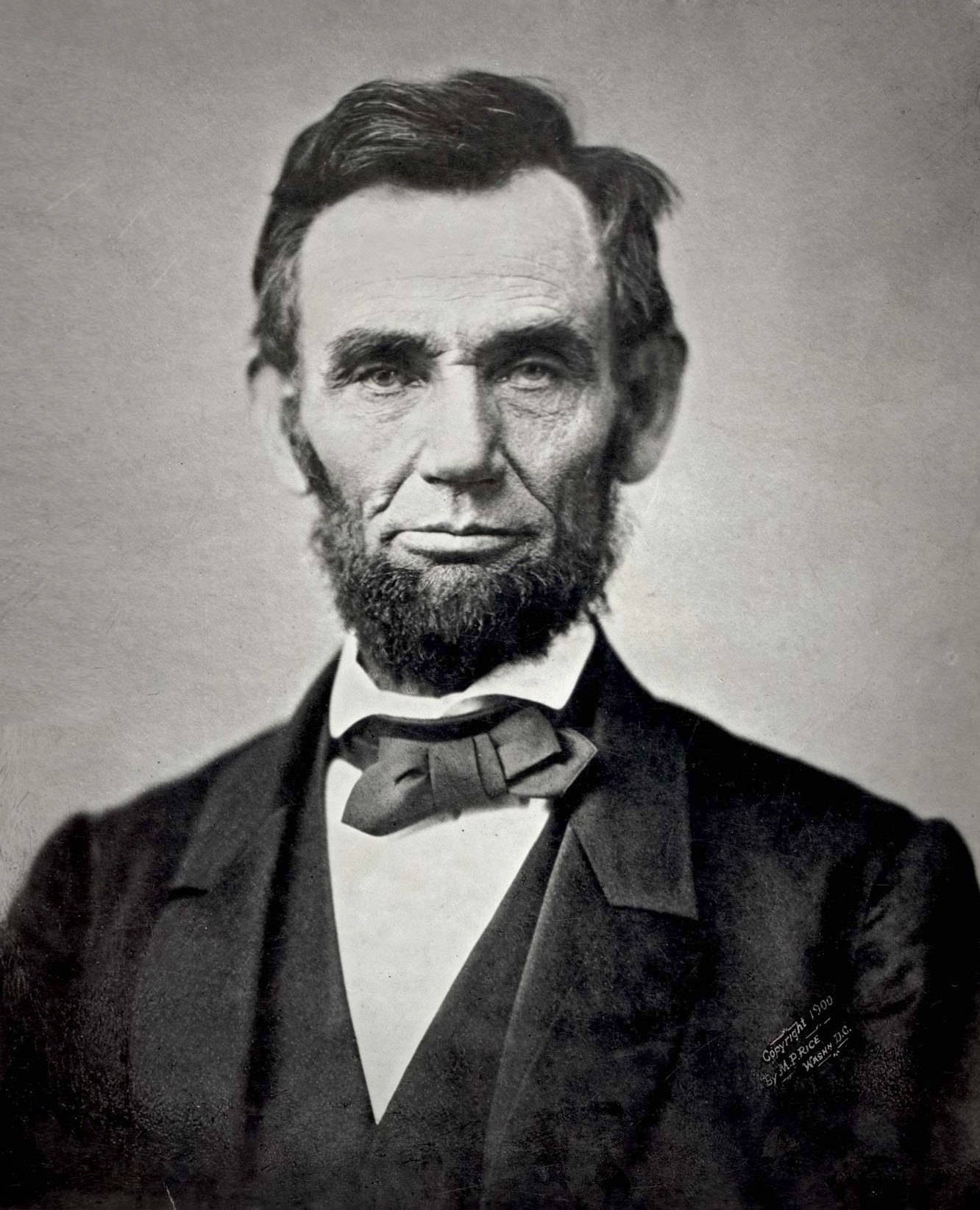
Douglass's public career began in 1841 when he attended an abolitionist meeting in Nantucket and was invited to speak. His impromptu speech launched him as a lecturer for the Massachusetts Anti-Slavery Society. In 1845, he published Narrative of the Life of Frederick Douglass, an American Slave, which became an international bestseller and forced him to flee to Ireland and Great Britain for two years to avoid recapture. Returning in 1847, he founded the abolitionist newspaper The North Star in Rochester, New York, which he edited for sixteen years. During the Civil War, he met with President Abraham Lincoln in 1863 to advocate for Black soldiers and helped recruit African American troops for the 54th Massachusetts Infantry Regiment. After the war, he continued his advocacy, publishing My Bondage and My Freedom in 1855 and Life and Times of Frederick Douglass in 1881. In 1872, he was nominated for Vice President on the Equal Rights Party ticket alongside Victoria Woodhull, making him the first African American to receive a vice-presidential nomination. He served as U.S. Marshal for the District of Columbia from 1877, the first African American confirmed to a Senate-confirmed position, later as Recorder of Deeds, and from 1889 to 1891 as U.S. Minister Resident and Consul General to Haiti.
Career Timeline
Public Image & Style
Douglass cultivated a formal, commanding public persona. In photographs, he appears in frock coats, bow ties, and with a distinctive mane of white hair in later years, often with a piercing gaze. His speeches and writings are characterized by moral urgency, logical argumentation, and emotional power. He was widely revered as a heroic figure, the archetypal self-made man and moral conscience of the nation. Modern media portray him as a foundational figure in American civil rights. His birthday, February 14, is celebrated annually as Frederick Douglass Day, with readings of his speeches and visits to his Washington, D.C., home, Cedar Hill, now a National Historic Site. Social media accounts run by the historic site and the Frederick Douglass Family Initiatives share quotes and educational content, with a combined following of over 175,000.
Fame & Fandom (iFAMOUS Rankings)
Frederick Douglass's fame is unlike that of any entertainer or politician: it is built on the enduring power of his words and the moral force of his life story. His fanbase is not a named fandom with a unified identity, but a diffuse and devoted community of historians, educators, civil rights advocates, and everyday readers who revere him as a foundational American figure. This devotion manifests in civic rituals, such as the annual public reading of his 1852 speech 'What to the Slave is the Fourth of July?', which has become a national tradition, most notably in Rochester, New York, where he lived and published his newspaper. In 2026, U.S. Representative Ayanna Pressley read the full speech on the floor of the House of Representatives, a historic first. The fanbase also expresses itself through institutional memorials, like the 2026 statue unveiling in St. Augustine, Florida, and the $118 million renovation of Baltimore's Frederick Douglass High School. Scholars and mentors, such as the late Dr. David Anderson of Rochester, have dedicated their lives to teaching Douglass's legacy, and their passing prompts community-wide remembrance. While there is no formal fandom name, the community's influence is undeniable, shaping education, politics, and public discourse.
Despite this profound cultural impact, iFANN's Global Fame Engine has evaluated Frederick Douglass but he does not currently hold a placement in the published rankings, either in the Global Top 1,000 or any Top-100 scope list. His fame is not measured by streaming numbers or social media followers, but by the lasting resonance of his ideas, a different kind of immortality.
Interesting Facts and Legends
Douglass was the most photographed American of the 19th century, with over 160 distinct portraits. He changed his name multiple times: born Frederick Bailey, he used Frederick Johnson before settling on Douglass. He taught himself to read using a spelling book given by Sophia Auld. He was fluent in English, French, and some German. His home in Rochester, New York, was a stop on the Underground Railroad. He attended the Seneca Falls Convention in 1848 and was a lifelong supporter of women's suffrage. Despite never having formal legal training, he served as a U.S. Marshal. His autobiography Narrative of the Life has never gone out of print since its publication in 1845.
One of the most legendary moments in Douglass's life was his physical confrontation with the 'slave breaker' Edward Covey in 1834. After being brutally beaten, Douglass fought back in a two-hour struggle and emerged victorious, later calling it the 'turning point' in his life as a slave. This story, verified in his own writings, has become a cornerstone of his mythos, symbolizing the triumph of the human spirit over oppression.
Another iconic moment occurred on July 5, 1852, when Douglass delivered his searing oration 'What to the Slave is the Fourth of July?' in Rochester. The speech, a blistering critique of American hypocrisy, has become his most famous and is now read aloud annually across the nation, a ritual that keeps his voice alive.
Notable Quotes
“If there is no struggle, there is no progress.”
“I would unite with anybody to do right and with nobody to do wrong.”
“It is easier to build strong children than to repair broken men.”
“The soul that is within me no man can degrade.”
“Power concedes nothing without a demand. It never did and it never will.”
Family & Personal Life
Douglass's mother, Harriet Bailey, was an enslaved woman; he was separated from her as an infant. His father was widely believed to be his enslaver, Captain Aaron Anthony. He was raised by his maternal grandmother, Betsey Bailey. Douglass married Anna Murray, a free Black woman from Baltimore, on September 15, 1838. They had five children: Rosetta (born 1839), Lewis Henry (1840), Frederick Jr. (1842), Charles Remond (1844), and Annie (1849), who died at age ten. Anna managed the household and supported his abolitionist work until her death in 1882. In 1884, Douglass married Helen Pitts, a white feminist and abolitionist twenty years his junior, sparking controversy over interracial marriage. They had no children together. Today, his legacy is managed by the Frederick Douglass Family Initiatives, a non-profit founded by his descendants.
Notable Connections
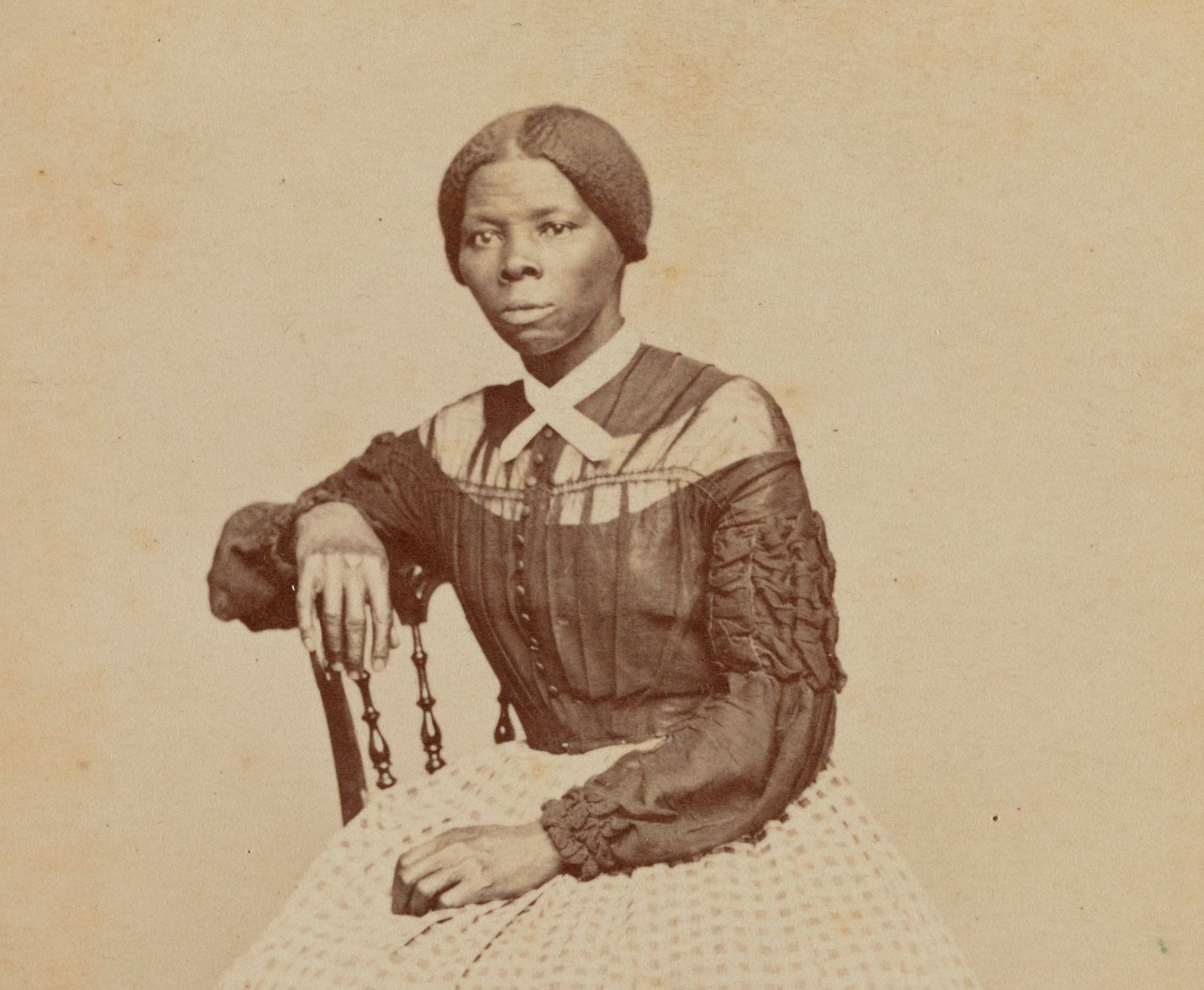
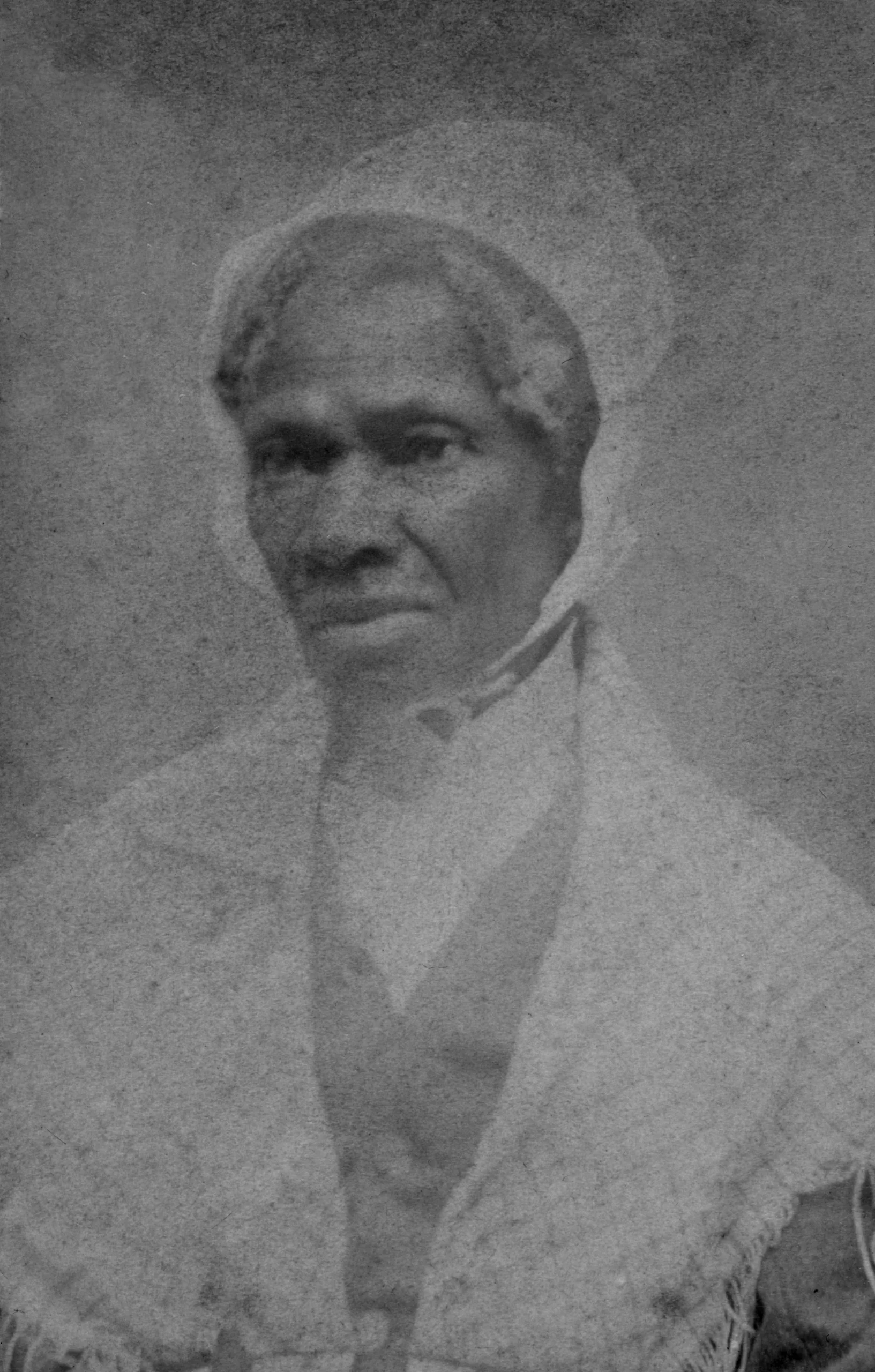
Douglass collaborated with many leading abolitionists and reformers. William Lloyd Garrison was an early mentor, though they later split over the Constitution. He met with Abraham Lincoln during the Civil War to advocate for Black soldiers. He was a close friend of Susan B. Anthony and attended the Seneca Falls Convention. He met with John Brown before the Harpers Ferry raid but declined to join. He shared platforms with Harriet Tubman and Sojourner Truth. In 1872, he ran for Vice President alongside Victoria Woodhull.
Relationships & Dating History
Douglass was married twice. His first marriage was to Anna Murray, a free Black woman from Baltimore who helped him escape slavery by providing money and a sailor's uniform. They married on September 15, 1838, in New York City and had five children together: Rosetta, Lewis Henry, Frederick Jr., Charles Remond, and Annie. Anna managed their household and supported his abolitionist work until her death from a stroke on August 4, 1882. In 1884, Douglass married Helen Pitts, a white feminist and abolitionist twenty years his junior. The interracial marriage sparked public controversy. Helen was the daughter of Gideon Pitts Jr., an abolitionist colleague. They had no children. After Douglass's death in 1895, Helen managed his estate and preserved his legacy until her death in 1903.
- MarriedAnna Murray-Douglass1838 - 1882Free Black woman who helped Douglass escape slavery; they had five children together.
- MarriedHelen Pitts Douglass1884 - 1895White feminist and abolitionist; marriage sparked controversy over interracial marriage; no children.
Death & Aftermath
Died
February 20, 1895 (aged 77)
Death Place
Washington, D.C., USA
Cause of Death
Massive heart attack
Frederick Douglass delivered his final public address, "The Lessons of the Hour," at a meeting in Constitution Hall on February 16, 1895, just four days before he passed away. He died peacefully in his sleep at approximately 1:45 a.m. on February 20, 1895, within his residence at 1413 R Street NW in Washington, D.C., suffering from a massive heart attack while surrounded by his daughter Rosetta and son-in-law James N. Buffington. The cause was determined through immediate family observation. President Grover Cleveland ordered flags flown at half-staff across all federal buildings and military posts, while the U.S. Congress observed a moment of silence to honor the statesman. Tributes poured in from peers like Susan B. Anthony and Lucy Stone's successor, with vigils held in major cities and newspapers publishing extensive obituaries alongside reprints of his speeches.
A funeral service attended by thousands took place on February 24, 1895, at the Metropolitan A.M.E. Church in Washington, featuring eulogies from dignitaries including Robert C. DeLarge before Douglass was laid to rest in Mount Hope Cemetery in Rochester, New York. Posthumous recognition has continued for over a century, including his induction into the National Negro Hall of Fame in 1979 and the posthumous awarding of the NAACP Spingarn Medal in 1987. His Washington home became a National Historic Site in 1962, and his Maryland birthplace is now part of the Frederick Douglass National Historic Site managed by the National Park Service. Foundations bearing his name were established to support scholarships, and his estate was distributed among his surviving children according to his will.
Net Worth (Estate Value)
$1.2 Million
iFANN Editorial Team estimate
iFANN currently estimates Frederick Douglass's estate at his death in 1895 was modest, valued at approximately $10,000 to $15,000, equivalent to roughly $300,000 to $450,000 in 2026 dollars. The current value of his estate is estimated at around $1.2 million. The primary sources of ongoing income are book royalties from his autobiographies, which remain in print and earn an estimated $50,000 to $100,000 annually. Licensing of his image and name for educational materials, documentaries, and merchandise adds further revenue. His home, Cedar Hill, now the Frederick Douglass National Historic Site, is managed by the National Park Service and generates tourism revenue. The Frederick Douglass Family Initiatives, a non-profit founded by his descendants, oversees his legacy. Posthumous honors, including a Congressional Gold Medal awarded in 2023, have increased public interest and licensing opportunities.
Awards Won (2)
Frederick Douglass received few formal awards during his lifetime, as the modern entertainment award system did not exist. Posthumously, he was awarded the Congressional Gold Medal in 2023 for his contributions to abolition and civil rights. A bronze statue of Douglass was unveiled in Emancipation Hall of the U.S. Capitol Visitor Center in 2013, the first statue of an African American in the Capitol. He also received honorary degrees from Howard University and Western Reserve College.
2023 · Government Award
Lifetime achievement
2013 · Honor
Emancipation Hall, U.S. Capitol Visitor Center
Known For
Narrative of the Life of Frederick Douglass, an American Slave
1845 · Author
The North Star
1847 · Founder and Editor
My Bondage and My Freedom
1855 · Author
Life and Times of Frederick Douglass
1881 · Author
Keywords
Quick Facts
- Profession
- abolitionist, orator, writer, journalist, diplomat, statesman
- Born
- February 14, 1818
- Birthplace
- Talbot County, Maryland, USA
- Died
- February 20, 1895
- Death Place
- Washington, D.C., USA
- Gender
- Male
- Spouse
- Anna Murray-Douglass (m. 1838–1882), Helen Pitts Douglass (m. 1884–1895)
- Children
- 5
- Height
- 6 ft 2 in (188 cm)
- Education
- Self-educated
Personal Details
- Full Name
- Frederick Augustus Washington Bailey
- Height
- 6 ft 2 in (188 cm)
- Spouse
- Anna Murray-Douglass (m. 1838–1882), Helen Pitts Douglass (m. 1884–1895)
- Children
- 5 (Rosetta, Lewis Henry, Frederick Jr., Charles Remond, Annie)
- Education
- Self-educated; no formal schooling
Frequently Asked Questions
How old was Frederick Douglass when he died?
What was Frederick Douglass's net worth in 2026?
Did Frederick Douglass have children?
What did Frederick Douglass do after the Civil War?
Who was Frederick Douglass's wife?
Social Media
Join the community
fans discussing