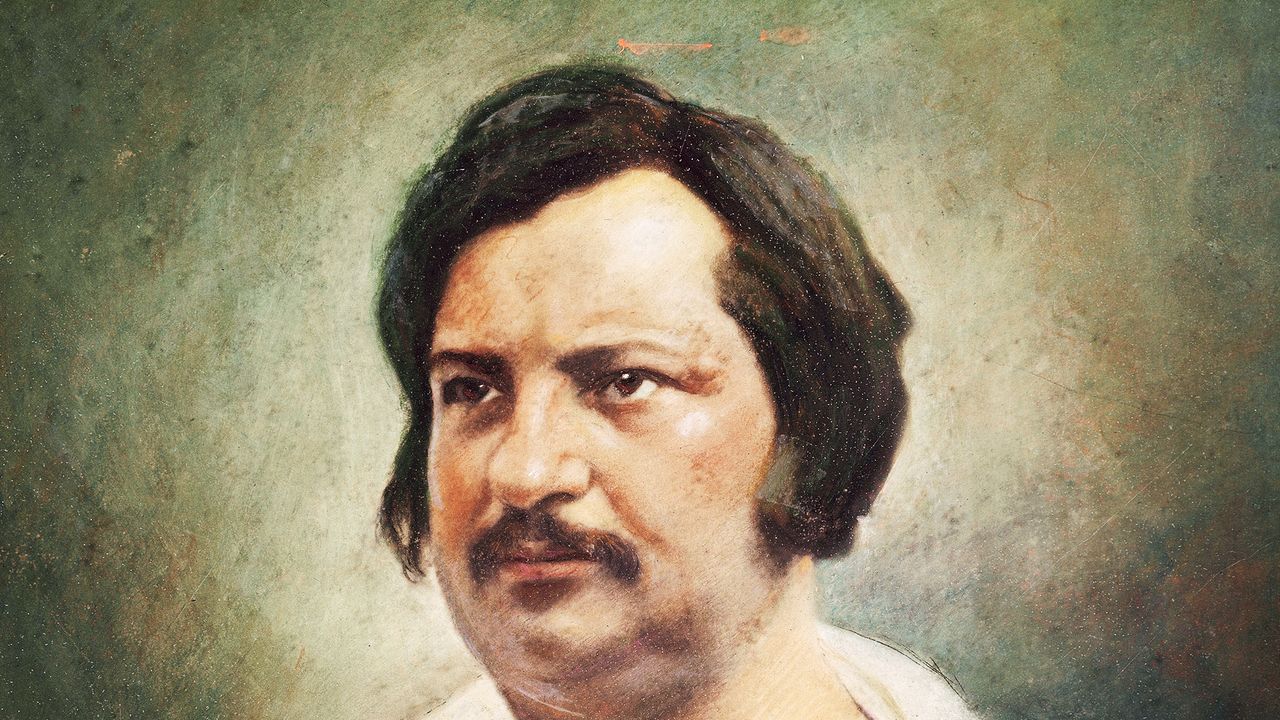
Honoré de Balzac
 France
novelist•playwright•literary critic
Also known as: Horace de Saint-Aubin, Lord R'Hoone, Onoreh deh Balzaḳ, Jeune ceélibataire, H. Balzak
Birthday
May 20, 1799
Birth Sign
Taurus
Birthplace
Tours, France
Age
Died at 51
About
Honoré de Balzac stands as a monumental figure in European literature, widely celebrated as the founder of literary realism. Born on May 20, 1799, in Tours, France, he dedicated his life to an unprecedented ambition: documenting the entirety of French society through fiction. His legacy is defined by La Comédie humaine, a vast collection of over 90 interconnected novels and short stories that portray the full spectrum of human experience from the peasantry to the aristocracy. Balzac died on August 18, 1850, in Paris, leaving behind a body of work that continues to influence writers, scholars, and artists globally. His unique ability to weave recurring characters across different narratives created a cohesive fictional universe that predated modern serial storytelling techniques, earning him comparisons to Shakespeare and Dante for the sheer scope of his vision.
Early Life & Background
Born into a family of modest means, Honoré Balzac was the second son of Chirac-Balzac, a civil servant who had risen from the peasantry, and Anne-Sophie Laurence Sallier, a devout Catholic. Although the family moved to Paris when he was young, Honoré spent much of his childhood away from home at boarding schools. He attended the Collège de Vendôme, where he developed a deep love for reading and writing despite being a poor student academically. His early education was interrupted by a brief stint studying law at the Sorbonne in 1816, but he quickly abandoned legal studies to pursue a career in literature, driven by a fierce ambition to achieve fame and fortune.
Before finding success, Balzac struggled financially for years. He worked as a clerk and attempted various business ventures, including founding a printing house. These entrepreneurial efforts failed spectacularly and left him with significant debt, a burden he carried for most of his life. During this period, he wrote minor works under pseudonyms like "Honoré de Balzac" to test the market and avoid association with his earlier failures. It was only after these years of financial hardship and literary experimentation that he found his voice and began to build the reputation that would define his career. His relentless drive during this era set the stage for his future breakthroughs.
Career Growth
Balzac's career began with minor works, but his breakthrough came with the publication of Les Chouans in 1829, written under the pseudonym "Honoré de Balzac" to distinguish himself from a contemporary writer named Honore de Balzac. This novel established his reputation for detailed social observation. His true masterpiece, however, was conceived as a unified series titled La Comédie humaine (The Human Comedy), a vast collection of over 90 interconnected novels and short stories intended to portray the full spectrum of French life.
Key works within this cycle include Eugénie Grandet (1833), Le Père Goriot (1835), and La Cousine Bette (1846). These works introduced recurring characters who reappear across different stories, creating a cohesive fictional universe that predated modern serial storytelling techniques. Balzac's style was characterized by meticulous detail, psychological depth, and a focus on the impact of money and social class, earning him comparisons to Shakespeare and Dante for the scope of his vision. Despite his literary success, he lived in constant financial distress due to his lavish lifestyle and failed business ventures, a theme that frequently appears in his novels. He was awarded the Legion of Honour by King Louis Philippe I in 1832, recognizing his exceptional merit in the arts.
Career Timeline
Public Image & Style
Balzac is portrayed as a visionary, a man of immense energy and intellect, and a pioneer of literary realism. His image is often associated with the archetype of the tortured artist, driven by an insatiable need to capture the human condition. His signature style involved detailed descriptions of settings and characters, creating a vivid, immersive world that feels alive. Known for his intense appearance and eccentric habits, he cultivated a persona of the devoted worker who sacrificed health for art. He was reportedly tall and thin, with a striking presence that matched his fiery personality. His refusal to be photographed and his extreme coffee consumption became iconic symbols of his dedication. His physical deterioration in later years was attributed to his extreme lifestyle, particularly his coffee consumption and lack of sleep.
Fame & Fandom (iFAMOUS Rankings)
Honoré de Balzac's devoted readership, though lacking a formal fandom name, has long been a scholarly and literary community known as "Balzacians." These enthusiasts engage in deep analysis of his works, organize readings, and visit sites associated with his life. The Maison de Balzac in Paris, his former home, serves as a museum and cultural center, hosting events such as Heritage Days programs, which in 2026 offered special tours and activities for the public. His magnum opus, La Comédie humaine, a sequence of nearly one hundred novels and short stories, has secured his place as a founder of realism in European literature. His influence persists in contemporary discourse; a 2026 opinion piece in The Globe and Mail linked his work to modern existential questions, and a 2026 feature in Voice of Emirates described him as an 'Architect of Souls and Characters.' No documented fan campaigns or modern rituals exist, but his legendary coffee consumption, up to 50 cups a day, has become a cultural touchstone, often retold as a mark of his extreme dedication.
Balzac's fame endures across global attention, measured by iFANN Global Fame Rankings, which track worldwide media coverage and public interest. He is currently the 80th most famous person from France, a position holding steady from the previous cycle. Notable fan campaigns include efforts to preserve his homes and promote his works in educational curricula, ensuring his legacy remains vibrant for future generations.
Interesting Facts and Legends
Balzac famously feared being photographed, believing the camera could diminish the soul, a superstition that has become part of his mythos. His legendary coffee consumption reached up to 50 cups a day to fuel his marathon writing sessions, and he even penned an essay on the effects of coffee. He wrote under various pseudonyms early in his career to test the market and avoid association with his earlier failures. Auguste Rodin's Monument to Honoré de Balzac, completed in 1898 after seven years, was controversial in its time and is now celebrated as a masterpiece; it was featured in a 2026 exhibition at the Los Angeles County Museum of Art as part of its "50 Works 50 Weeks" series. His love affair with Ewelina Hańska, whom he married in 1850, is also part of his lore; their correspondence and the palace they stayed in are now a tourist attraction. Reports in 2026 explored the Ukrainian palace where Balzac stayed with Ewelina Hańska, now a site of historical interest. These stories, often retold, capture his eccentric genius and outsized personality.
Notable Quotes
“Solitude is fine but you need someone to tell that solitude is fine.”
“Reading brings us unknown friends.”
“The more one judges, the less one loves.”
“There is no great thought without great feeling.”
Family & Personal Life
Balzac was born into a family of modest means; his father, Chirac-Balzac, was a civil servant who had risen from the peasantry, and his mother, Anne-Sophie Laurence Sallier, was a devout Catholic. The family moved to Paris when he was young, but Balzac spent much of his childhood at boarding schools, including the Collège de Vendôme, where he developed a love for reading and writing despite being a poor student academically. His early education was interrupted by a brief stint studying law at the Sorbonne in 1816, but he quickly abandoned legal studies to pursue a career in literature, driven by a fierce ambition to achieve fame and fortune. Before finding success, he struggled financially, working as a clerk and attempting various business ventures, including founding a printing house, which failed and left him with significant debt—a burden he carried for most of his life. He never married until very late in life.
Notable Connections
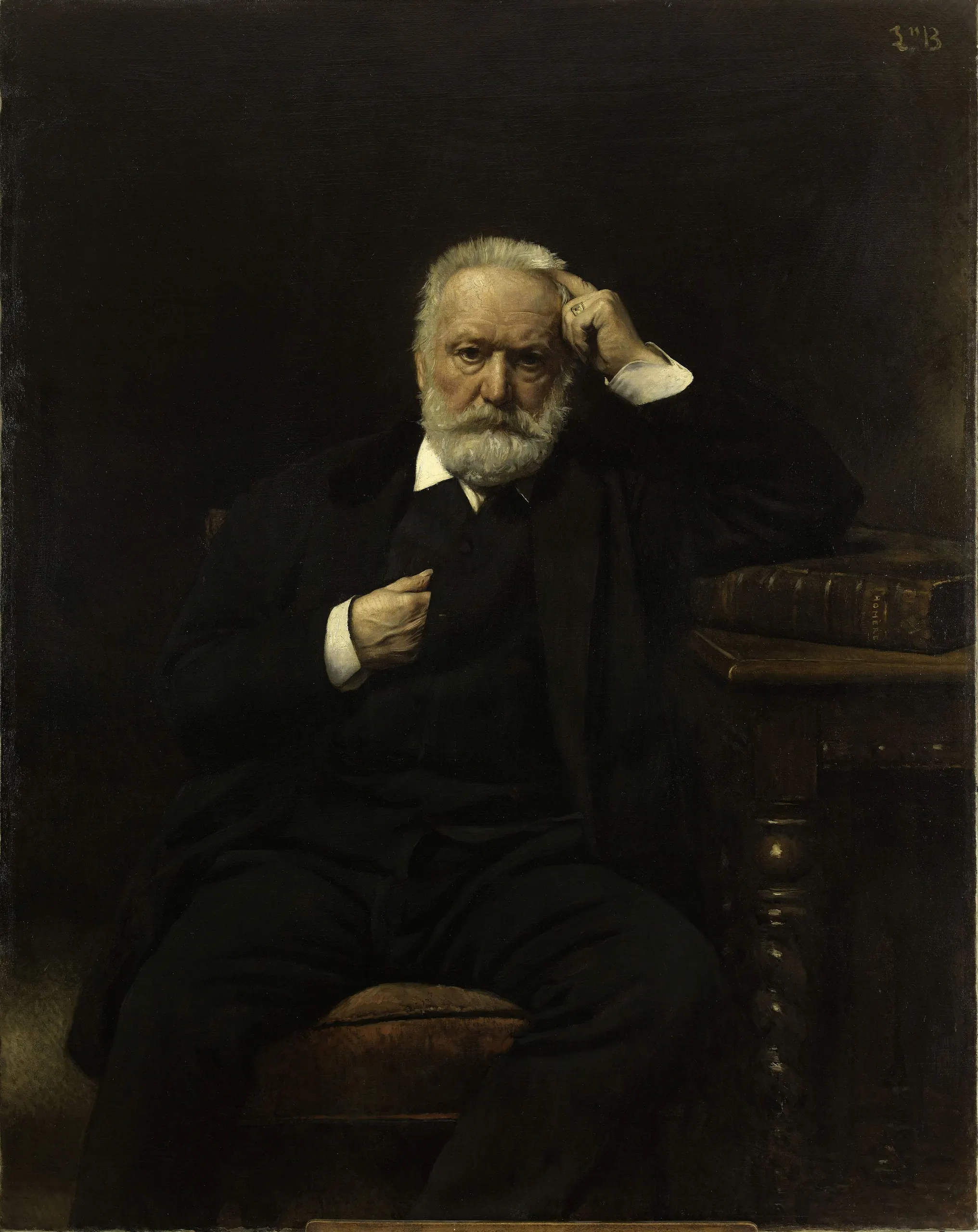
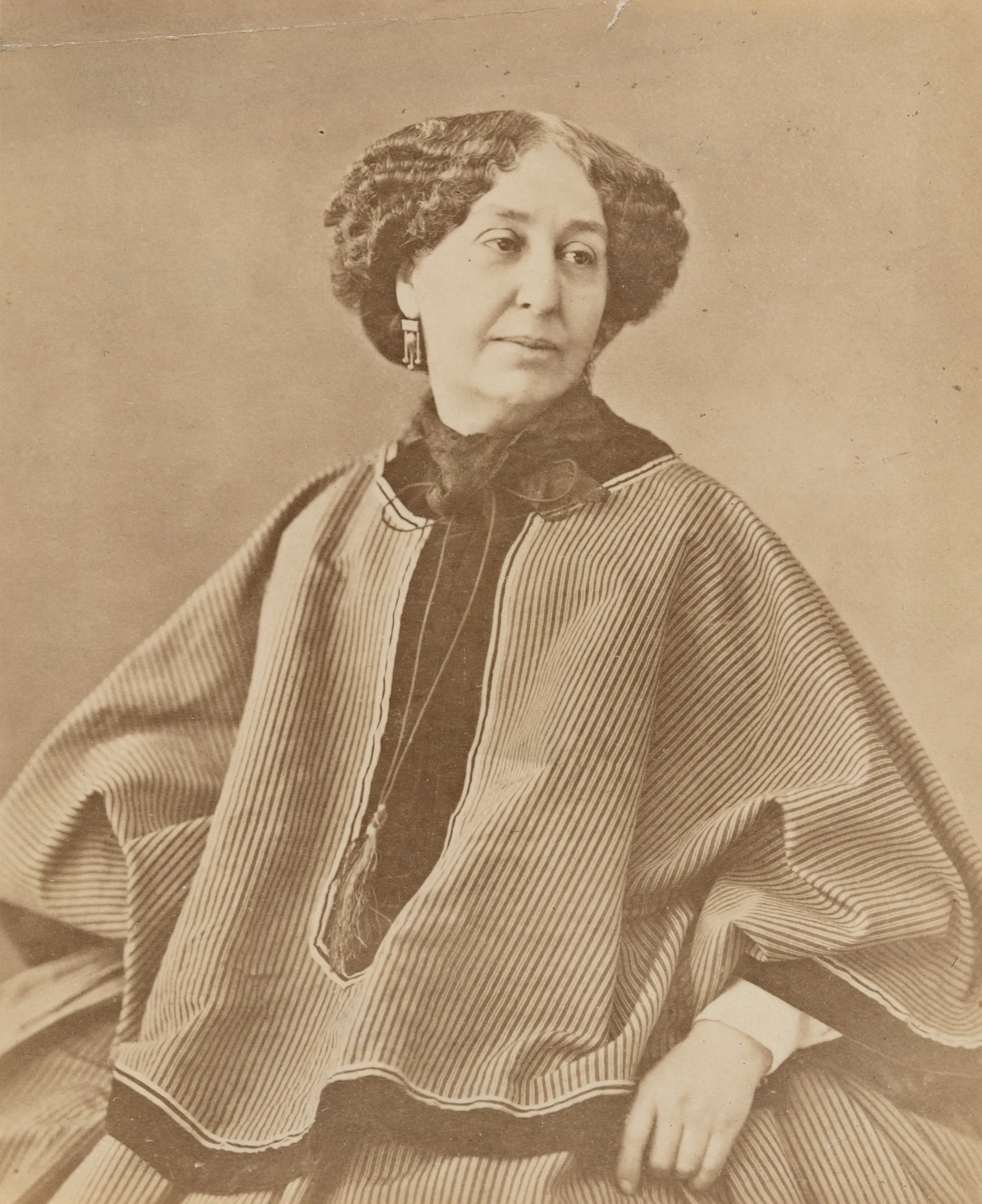
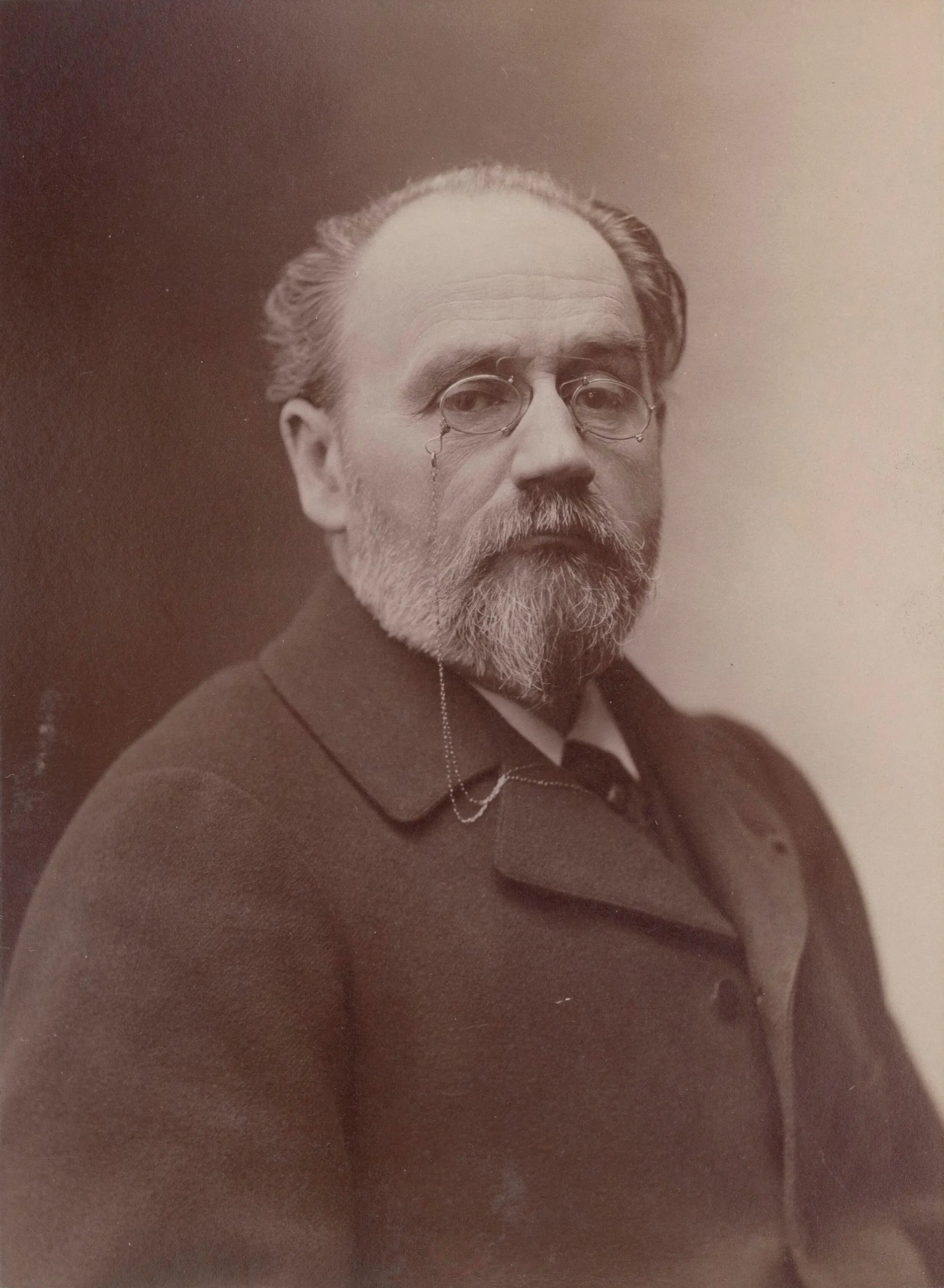
Ewelina Hańska, George Sand, Victor Hugo, Charles Baudelaire, Auguste Rodin, Émile Zola, Fyodor Dostoevsky.
Relationships & Dating History
Balzac's personal life was marked by intense romantic pursuits and a long-standing affair that defined his later years. He never married until very late in life. His most significant relationship was with Ewelina Hańska (also known as Eugénie-Adèle Hanska), a Polish aristocrat and widow. Their correspondence began in 1832 and lasted nearly two decades, spanning thousands of letters filled with passion and intellectual exchange. Despite their deep connection, they did not marry immediately due to Hańska's family objections and her husband's prior status. They finally wed on March 18, 1850, in St. Petersburg, Russia, just five months before Balzac's death. There were no children from this marriage. Prior to Hańska, Balzac had several shorter relationships, including a romance with the actress Marie-Aurore Dupin (later George Sand), though this was more of a platonic friendship and intellectual partnership than a sustained romance. He also had a brief, tumultuous relationship with the singer Hortense Allart in the 1830s, which ended in heartbreak and fueled some of his fictional depictions of women. As of his death in 1850, he was widowed (having been married only once, briefly, to Hańska) and is historically recorded as having died without remarriage or other known partners after his wedding.
- DatedMarie-Aurore Dupin (George Sand)1822 - 1823A romantic relationship that evolved into a platonic friendship and intellectual partnership.
- DatedHortense Allart1832 - 1834A brief, tumultuous relationship that ended in heartbreak and influenced his fiction.
- MarriedEwelina Hańska1850 - 1850Married in St. Petersburg five months before his death after nearly 20 years of correspondence.
Death & Aftermath
Died
August 18, 1850 (aged 51)
Death Place
Paris, France
Cause of Death
complications from heart failure and edema
Honoré de Balzac spent his final weeks in Paris at his residence, working with frantic intensity on manuscripts such as Les Paysans despite a severe decline in health that had begun earlier in the year. His last public appearance occurred during his wedding to Eugénie-Adèle Hanska on March 18, 1850, just five months before he succumbed to heart failure and edema on August 18, 1850. The attending physician attributed the collapse to chronic conditions exacerbated by decades of excessive coffee consumption and sleep deprivation, noting the physical toll of his relentless literary output. Public reaction was immediate and profound, with tributes flowing from prominent figures like Victor Hugo and Charles Baudelaire who hailed him as a genius whose loss struck humanity deeply.
The funeral took place on August 21, 1850, beginning at the church of Saint-François-Xavier before moving to Père Lachaise Cemetery for burial in a plot purchased by his widow. The service drew numerous literary figures and intellectuals who delivered speeches praising his creation of La Comédie Humaine and his contributions to literary realism. A lasting memorial emerged decades later with the 1898 unveiling of Auguste Rodin's Monument to Honoré de Balzac, which ignited significant debate regarding art and realism while cementing his stature in French culture. The sculpture, which depicted Balzac in a flowing robe rather than a formal suit, was initially rejected by the Académie des Beaux-Arts but is now considered a masterpiece of modern sculpture. Posthumously, his estate faced initial struggles with overwhelming debts managed by Eugénie de Hanska, yet she eventually settled obligations and preserved copyrights to ensure his legacy endured through continuous adaptations and global dedications.
Net Worth (Estate Value)
$0
iFANN Editorial Team estimate
As a deceased historical figure, Honoré de Balzac does not have a current net worth in the traditional sense. However, his estate's value is estimated based on the ongoing revenue from his works. His estate generates income through book sales, translations, theatrical adaptations, film and television rights, and merchandise. The global demand for his works ensures a steady stream of royalties. The management of his intellectual property is typically handled by publishers and licensing agencies, with funds supporting museums and literary foundations dedicated to his memory. While specific dollar figures for the estate are not publicly disclosed in real-time, the commercial success of his works suggests a multi-million dollar annual revenue stream globally. The exact valuation fluctuates based on new editions, adaptations, and digital distribution. Posthumously, his estate faced initial struggles with overwhelming debts managed by Eugénie de Hanska, yet she eventually settled obligations and preserved copyrights to ensure his legacy endured through continuous adaptations and global dedications.
Awards Won (1)
Balzac received the Legion of Honour in 1832, a prestigious French order recognizing exceptional merit. Posthumously, he has been honored with the unveiling of Auguste Rodin's monumental sculpture in 1898, which became an iconic representation of the author. His former home, the Maison de Balzac, was converted into a museum dedicated to his life and works.
1832 · Civil Merit
Known For
La Comédie humaine
1829-1850 · Author
Le Père Goriot
1835 · Novel
Eugénie Grandet
1833 · Novel
Les Chouans
1829 · Novel
Keywords
Sources
Quick Facts
- Profession
- novelist, literary critic, writer
- Born
- May 20, 1799
- Birthplace
- Tours, France
- Died
- August 18, 1850
- Death Place
- Paris, France
- Gender
- Male
- Spouse
- Ewelina Hańska
- Birth Sign
- Taurus
Personal Details
- Full Name
- Honoré Balzac
- Spouse
- Ewelina Hańska
- Children
- Education
- Collège de Vendôme; brief study of law at the Sorbonne
Frequently Asked Questions
Who was Honoré de Balzac?
When did Honoré de Balzac die?
What was Honoré de Balzac's most famous work?
Did Honoré de Balzac get married?
How many cups of coffee did Balzac drink?
Social Media
Join the community
fans discussing