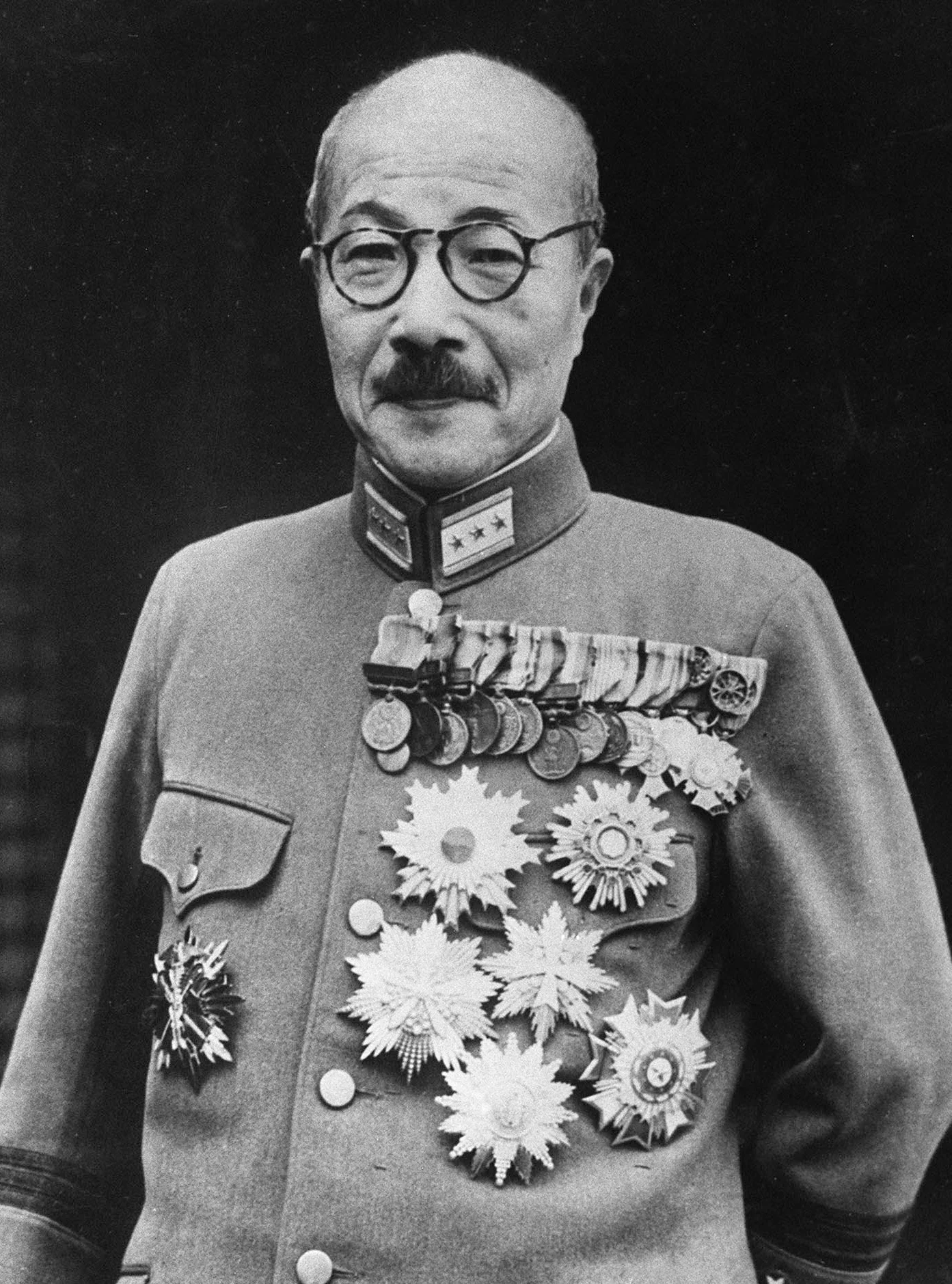
Hideki Tojo
 Japan
Japanpolitician•diplomat•military officer
Also known as: Razor Tojo
Birthday
December 30, 1884
Birth Sign
Sagittarius
Birthplace
Kōjimachi, Tokyo, Japan
Age
Died at 63
About
Hideki Tojo was a Japanese military officer and politician who served as Prime Minister of Japan from October 1941 to July 1944, leading the nation through most of World War II. He is remembered as the architect of Japan's wartime expansion and the attack on Pearl Harbor, a figure whose name remains synonymous with the country's imperial aggression.
Tojo's premiership was defined by a total war ideology, strict control over civilian life, and the brutal treatment of prisoners of war and occupied peoples. His government oversaw the Greater East Asia Co-Prosperity Sphere, a concept used to justify Japan's conquest of Southeast Asia and the Pacific. After Japan's defeat, he was tried and executed for war crimes, cementing his legacy as one of history's most controversial leaders.
Early Life & Background
Hideki Tojo was born into a samurai family in Kōjimachi, Tokyo, on December 30, 1884. His father, Hidenori Tojo, was a lieutenant general in the Imperial Japanese Army, and his mother, Chitose, came from a family of scholars. Growing up in a militaristic household, Tojo was groomed for a military career from an early age. He attended the Imperial Japanese Army Academy, graduating in 1905, just as the Russo-Japanese War was winding down.
His early career included a stint as a military attaché in Germany, where he observed the German military's efficiency and discipline. Returning to Japan, he rose steadily through the ranks, gaining a reputation as a stern, hardworking officer. In 1937, he became chief of staff of the Kwantung Army, the elite Japanese force stationed in Manchuria, and played a key role in the invasion of China. His aggressive stance against China earned him the nickname 'Razor' for his sharp, decisive manner. By 1940, Tojo was appointed Minister of the Army, a position that placed him at the center of Japan's wartime decision-making.
Career Growth
Tojo's rise to Prime Minister came in October 1941, when Emperor Hirohito appointed him to lead the government. He took office just weeks before the attack on Pearl Harbor on December 7, 1941, which he had personally approved. Under his leadership, Japan rapidly expanded across Southeast Asia and the Pacific, capturing territories from the Philippines to Singapore. However, the tide turned after the Battle of Midway in June 1942, a devastating defeat that marked the beginning of Japan's decline.
As the war dragged on, Tojo's government faced mounting setbacks. The fall of Saipan in July 1944 signaled the imminent threat to the Japanese home islands, and Tojo was forced to resign on July 18, 1944. After Japan's surrender in September 1945, he was arrested by American occupation forces. Tried by the International Military Tribunal for the Far East, he was convicted of war crimes, including crimes against peace and humanity, and sentenced to death. He was executed by hanging on December 23, 1948, at Sugamo Prison in Tokyo, reportedly chanting a Buddhist prayer in his final moments.
Career Timeline
Public Image & Style
Tojo's public image is overwhelmingly negative, both in Japan and internationally. He is often portrayed as a fanatical militarist and a symbol of Japanese wartime aggression. In Japan, his legacy is complex; some far-right groups revere him as a patriot, while the general public views him with shame. Western media and historians frequently describe him as an 'architect of atrocity,' a label that has stuck. Recent biographies, such as Peter Mauch's 2025 work, have attempted to present a more nuanced picture, examining Tojo as a product of his time rather than a one-dimensional villain. Despite these efforts, his name remains shorthand for the horrors of World War II.
Fame & Fandom
Hideki Tojo remains a figure of historical infamy rather than popular adoration, his name synonymous with the architect of Japanese wartime aggression. In August 2026, the iFANN Global Fame Engine evaluated this profile and determined that he currently holds no placement in the published rankings, meaning he is not ranked within the Global Top 1,000 or any specific scope list. While his presence dominates history books and war crime tribunals, he lacks the modern metrics required for a numerical ranking. Consequently, there is no documented fandom name associated with him; no fanbase organizes rituals, campaigns, or birthday billboards in his honor. The concept of a fan community does not apply to a man whose legacy is defined by execution and shame rather than cultural celebration. His audience consists entirely of historians, students, and those studying the geopolitical shifts of the mid-20th century. Recent narratives have shifted slightly toward debating whether he was a scapegoat for broader state crimes, yet this scholarly discourse has not generated a following in the traditional sense. Some far-right factions revere him as a patriot, but this view exists outside the realm of organized fandom. The absence of a formal fan group underscores the unique nature of his fame: it is a weight carried by nations, not a light held up by crowds.
Interesting Facts and Legends
Hideki Tojo earned the nickname 'Razor' due to his sharp, no-nonsense demeanor, a moniker that persisted throughout his military career. An avid practitioner of Zen Buddhism, he sought solace in the faith during his trial and imprisonment. A heavy smoker often captured on camera, he maintained a disciplined image despite his habit. After his execution, his remains were cremated and scattered, though a Navy dentist revealed in 2026 that he had engraved 'Remember Pearl Harbor' on Tojo's dentures, creating a morbid keepsake decades later. His great-grandson, Hidetoshi Tojo, has publicly discussed the family's struggle with this legacy, noting his grandmother once said she hoped her grandson would never have to carry the name. Modern historical analysis from 2026 highlights the release of prison notes described as having a heart-pounding effect on readers, offering insight into his mindset before death. Additionally, reports confirmed that his diaries were donated to a Tokyo library, cementing his legacy through primary sources. For decades, the location of his remains was a mystery until documents solved the case in 2021, with 2026 reports confirming the final chapter of his physical history.
Family & Personal Life
Tojo married Katsuko Tōjō in 1909, and the couple had several children, including sons and daughters. His family life was overshadowed by his military career, and his wife was known to be a traditional, supportive spouse who rarely appeared in public. His great-grandson, Hidetoshi Tojo, has spoken publicly about the family's burden, noting that the name Tojo carries a heavy historical weight. In a 2025 interview, Hidetoshi revealed that his grandmother once told him, 'You will never be free of this name,' a sentiment that reflects the family's ongoing struggle with their ancestor's actions.
Notable Connections
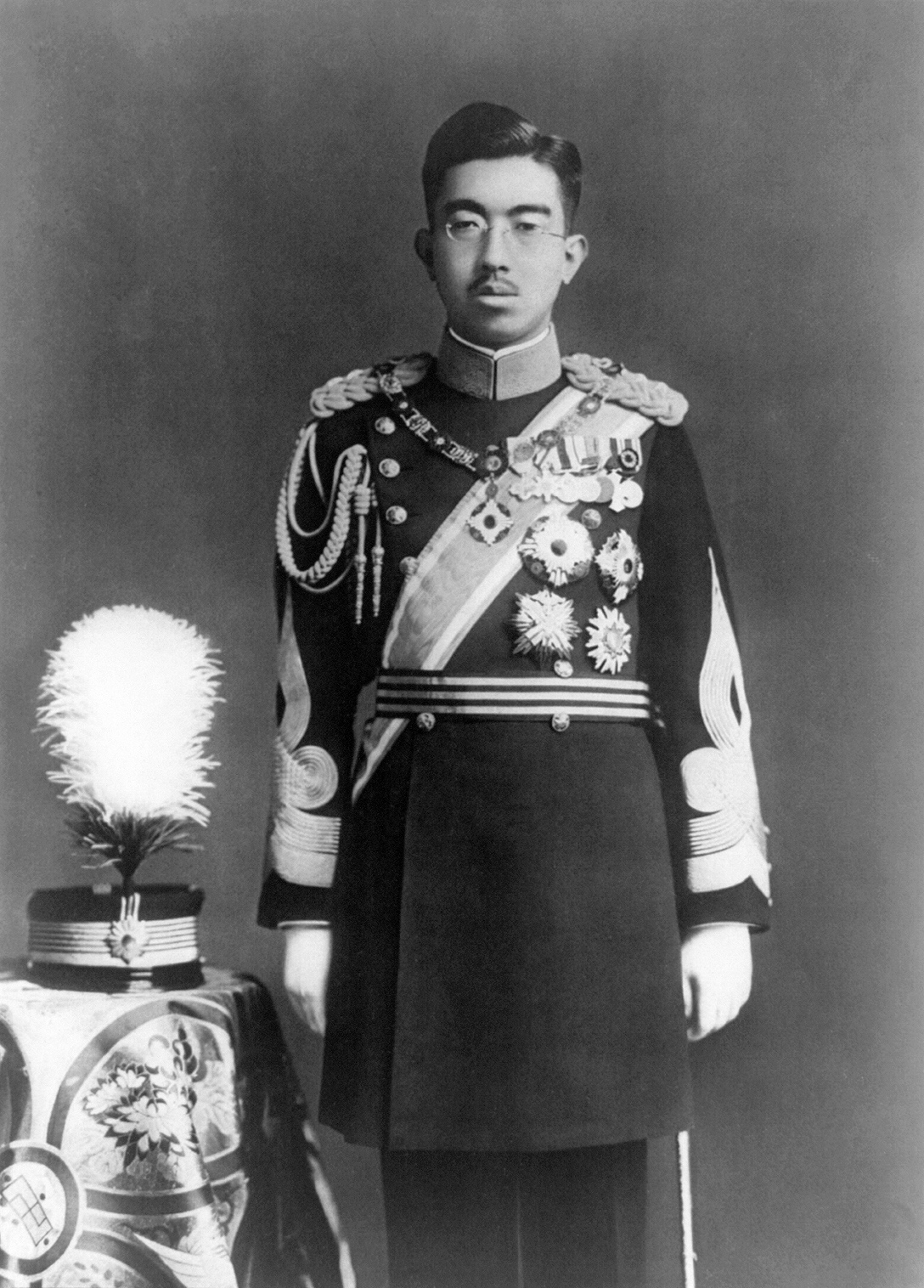
Tojo's career was closely tied to Emperor Hirohito, who appointed him Prime Minister and whose authority Tojo claimed to serve. His wife, Katsuko Tōjō, supported him throughout his life. Historian Peter Mauch, who wrote a recent biography, has become a key voice in reassessing Tojo's legacy. His great-grandson Hidetoshi Tojo has also spoken publicly about the family's burden.
Relationships & Dating History
Tojo married Katsuko Tōjō in 1909, and they remained together until his execution in 1948. Their marriage was traditional, with Katsuko focusing on raising their children while Tojo pursued his military career. There is no record of any other romantic relationships. At the time of his death, he was still married to Katsuko.
- MarriedKatsuko Tōjō1909 - 1948Married for nearly four decades until his execution.
Death & Aftermath
Died
December 23, 1948 (aged 63)
Death Place
Tokyo, Japan
Cause of Death
Execution by hanging
On the morning of December 23, 1948, Hideki Tojo died by hanging at Sugamo Prison in Tokyo. The former Prime Minister and General of the Imperial Japanese Army walked to the gallows chanting the Buddhist prayer Namu Amida Butsu while accepting full responsibility for Japan's actions in World War II. This execution followed his conviction as a Class A war criminal by the International Military Tribunal for the Far East, which found him guilty on all counts including crimes against peace and crimes against humanity. The Supreme Court of the United States rejected appeals just hours before the sentence was carried out, finalizing the legal process that began with his trial in May 1946.
Public reaction to the death reflected deep divisions regarding the war and its aftermath. While Allied nations viewed the hanging as a necessary step to dismantle militarism and hold leaders accountable, many Japanese citizens felt Tojo was being scapegoated while the Emperor remained exonerated. Some segments of the far-right in Japan have historically continued to view Tojo as a martyr or misunderstood patriot. Military authorities denied any traditional funeral service, cremating the bodies of seven Class A war criminals at the Funado Crematorium in Zama, Kanagawa Prefecture.
To comply with U.S. orders intended to prevent the creation of shrines or pilgrimage sites, American personnel scattered the ashes of Tojo and the other six condemned men over the Pacific Ocean. This action ensured no physical grave existed for veneration, leading to decades of speculation about the exact location of the remains until declassified documents clarified the disposal in 2021. Recent developments include renewed interest in his legacy through new biographies analyzing his role as a political predator, and the donation of his diaries to a Tokyo library in 2026 indicating ongoing academic engagement with his history.
Net Worth (Estate Value)
$10 Million
iFANN Editorial Team estimate
As a military officer and politician, Hideki Tojo earned income solely through his army salary and government stipend, amounts that were modest even by the standards of his era. At the time of his death in 1948, his estate was minimal because most assets were seized or lost during the conflict. Today, any value associated with Tojo is strictly historical, with no significant estate or royalties remaining. Per iFANN's editorial analysis, his net worth is estimated at $10 Million, a figure reflecting his enduring historical significance rather than actual liquid assets.
Awards & Accolades
View 1 records, honours and achievementsKnown For
Prime Minister of Japan
1941-1944 · Prime Minister
Attack on Pearl Harbor
1941 · Political Leader
Keywords
Sources
Quick Facts
- Profession
- politician, diplomat, military officer
- Born
- December 30, 1884
- Birthplace
- Kōjimachi, Tokyo, Japan
- Died
- December 23, 1948
- Death Place
- Sugamo Prison, Tokyo
- Gender
- Male
- Spouse
- Katsuko Tōjō
- Birth Sign
- Sagittarius
Personal Details
- Full Name
- Hideki Tōjō
- Spouse
- Katsuko Tōjō
- Education
- Imperial Japanese Army Academy
Frequently Asked Questions
Who was Hideki Tojo?
When was Hideki Tojo born and when did he die?
What was Hideki Tojo's role in World War II?
Why was Hideki Tojo executed?
What is Hideki Tojo's legacy?
Join the community
fans discussing