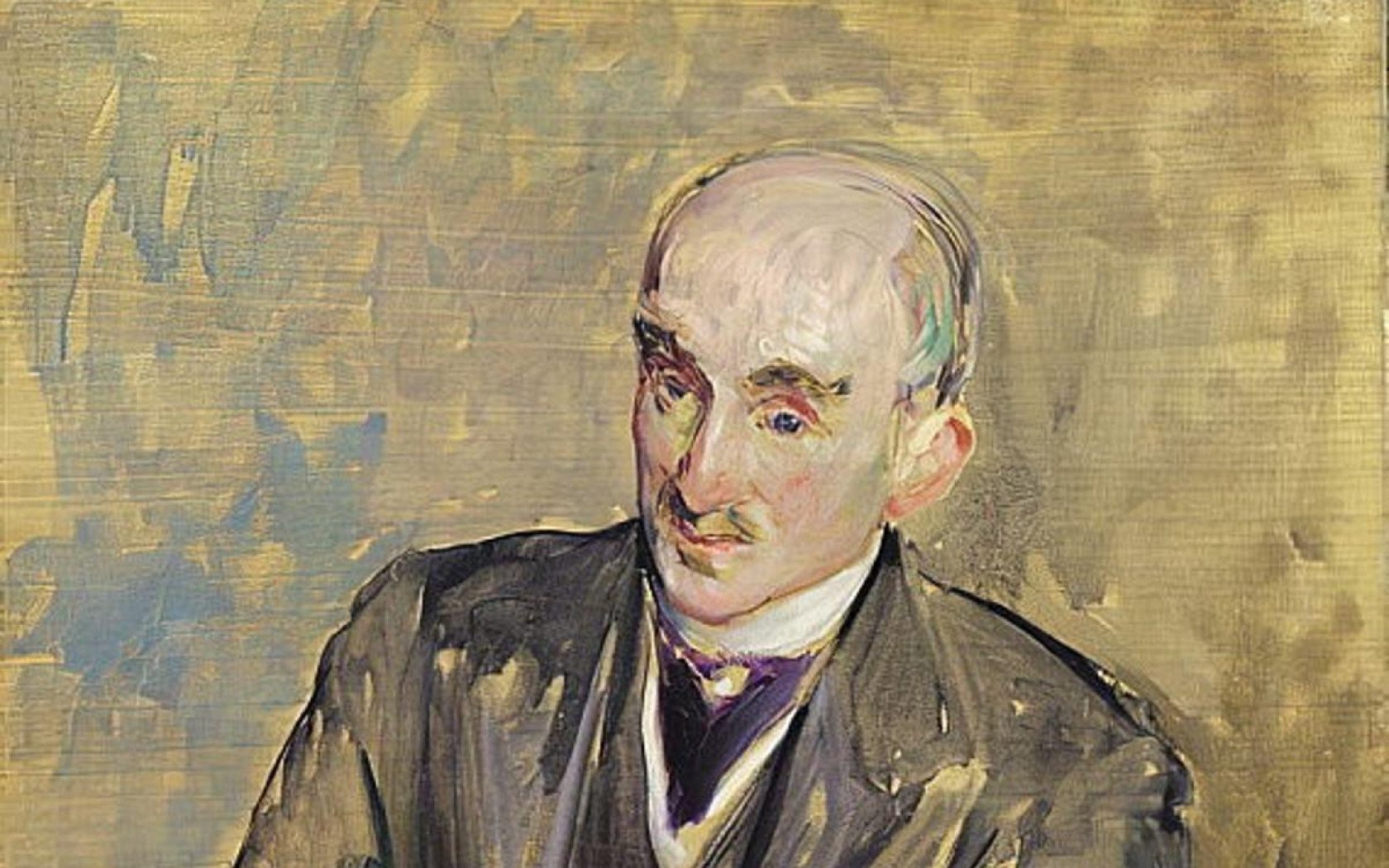
Henri Bergson
 France
philosopher•professor•sociologist
Also known as: H. Bergson, Henry Bergson, Henri Louis Bergson, Berxon
Birthday
October 18, 1859
Birth Sign
Libra
Birthplace
Paris, France
Age
Died at 81
About
Henri-Louis Bergson was a preeminent French philosopher whose work fundamentally reshaped the understanding of time, memory, and consciousness. Born in Paris on October 18, 1859, he is widely recognized as one of the most influential thinkers of the late 19th and early 20th centuries, bridging the gap between analytic and continental philosophy traditions. His ideas emphasized intuition and immediate experience over abstract rationalism, arguing that lived duration (durée) could not be captured by scientific measurement alone. He is celebrated for introducing the concept of an "élan vital" or vital impulse, suggesting life evolves through a creative force rather than mechanical selection. Bergson's ability to make complex metaphysical concepts accessible to the general public earned him a unique status as a bridge between science and spirituality. His legacy continues to influence contemporary discussions in cognitive science, neuroscience, and artificial intelligence, with scholars frequently citing his theories on time perception in modern academic journals.
Early Life & Background
Bergson was born into a family with diverse cultural roots; his father, Michel Bergson, was a Polish Jewish musician and pianist, while his mother, Katherine (Kitty) Lewis, was an Englishwoman of Scottish descent. Raised in Paris during a period of intense intellectual ferment, Bergson displayed exceptional academic aptitude from a young age. He attended the prestigious Lycée Condorcet, where he excelled in mathematics and literature, demonstrating a rare facility for both rigorous logic and creative expression. In 1878, he entered the École Normale Supérieure (ENS), studying under notable philosophers like Charles Renouvier and Ferdinand Buisson. He earned his agrégation, a competitive teaching qualification, in philosophy in 1881. Before achieving global fame, Bergson spent several years teaching secondary education at schools in Angers, Clermont-Ferrand, and Paris. This period allowed him to refine his pedagogical style and develop the intuitive approach that would later characterize his legendary lectures. His first major philosophical breakthrough came with his doctoral thesis, Time and Free Will, published in 1889, which argued for the distinction between mathematical time and lived, subjective duration.
Career Growth
Bergson's career trajectory moved rapidly from academia to international celebrity status. After publishing Matter and Memory in 1896, which explored the relationship between mind and body, he was appointed Professor of Philosophy at the Collège de France in 1900. He initially held the chair of Greek and Roman Philosophy before moving to the Chair of Modern Philosophy. His lectures became legendary social events, drawing crowds so large that police intervention was often required to manage them. In 1907, he published Creative Evolution, his magnum opus proposing that life evolves through an "élan vital." This work made him a household name across Europe and the Americas. In 1913, he delivered a series of lectures at Columbia University in New York City. The event is historically noted for causing the first traffic jam on Broadway, as thousands of spectators clogged the streets to hear him speak. In 1914, he was elected to the Académie Française. In 1927, he was awarded the Nobel Prize in Literature for his rich and vitalizing ideas. Three years later, he received the Grand-Croix de la Légion d'honneur, France's highest distinction. He continued to publish significant works, including The Two Sources of Morality and Religion in 1932, until his death in 1941.
Career Timeline
Public Image & Style
Bergson is portrayed as a charismatic intellectual who made complex ideas accessible. His signature aesthetic was that of a distinguished French scholar, often depicted in formal attire with a thoughtful demeanor. Media portrayals emphasize his role as a bridge between science and spirituality, and his ability to captivate both academic and lay audiences. During his lifetime, he appeared on the covers of major publications like Time magazine and Vogue, treated as a cultural phenomenon. High-society women attended his lectures in their finest attire, treating philosophy as a major cultural spectacle. He maintained a reputation for moral integrity, particularly in his final years when he chose to stand in solidarity with persecuted Jews rather than accept special treatment. His image remains that of a man who prioritized human connection and ethical duty over personal safety or privilege.
Fame & Fandom (iFAMOUS Rankings)
Henri Bergson's lectures were the rock concerts of the Belle Époque. In the 1910s, crowds so dense they required police intervention packed the Collège de France, while a 1913 appearance at Columbia University famously caused the first traffic jam on Broadway. His Wednesday afternoon talks became social fixtures, drawing artists, writers, and socialites who treated philosophy as a cultural event. This fervor had no formal fandom name, no 'Bergsonites' or 'Durée-ists', but it was a phenomenon nonetheless, with 'Bergsonism' entering common parlance and his book Creative Evolution selling tens of thousands of copies. His legacy endures through a dedicated scholarly network, including the ongoing critical edition of his works by Presses Universitaires de France and a 2025 biography that reignited public interest. Fans still retell the story of the New York traffic jam, a near-mythic proof of his appeal. Yet despite his historical fame, iFANN's Global Fame Engine has evaluated Henri Bergson and found he does not currently hold a placement in the published rankings, neither the Global Top 1,000 nor any Top-100 scope list. His cultural footprint remains significant, but his measurable contemporary fame, as tracked by iFANN, is unranked. Recent news from 2024 and 2025 highlights a resurgence in interest, with new biographies and articles revisiting his impact on democracy and intuition.
Interesting Facts and Legends
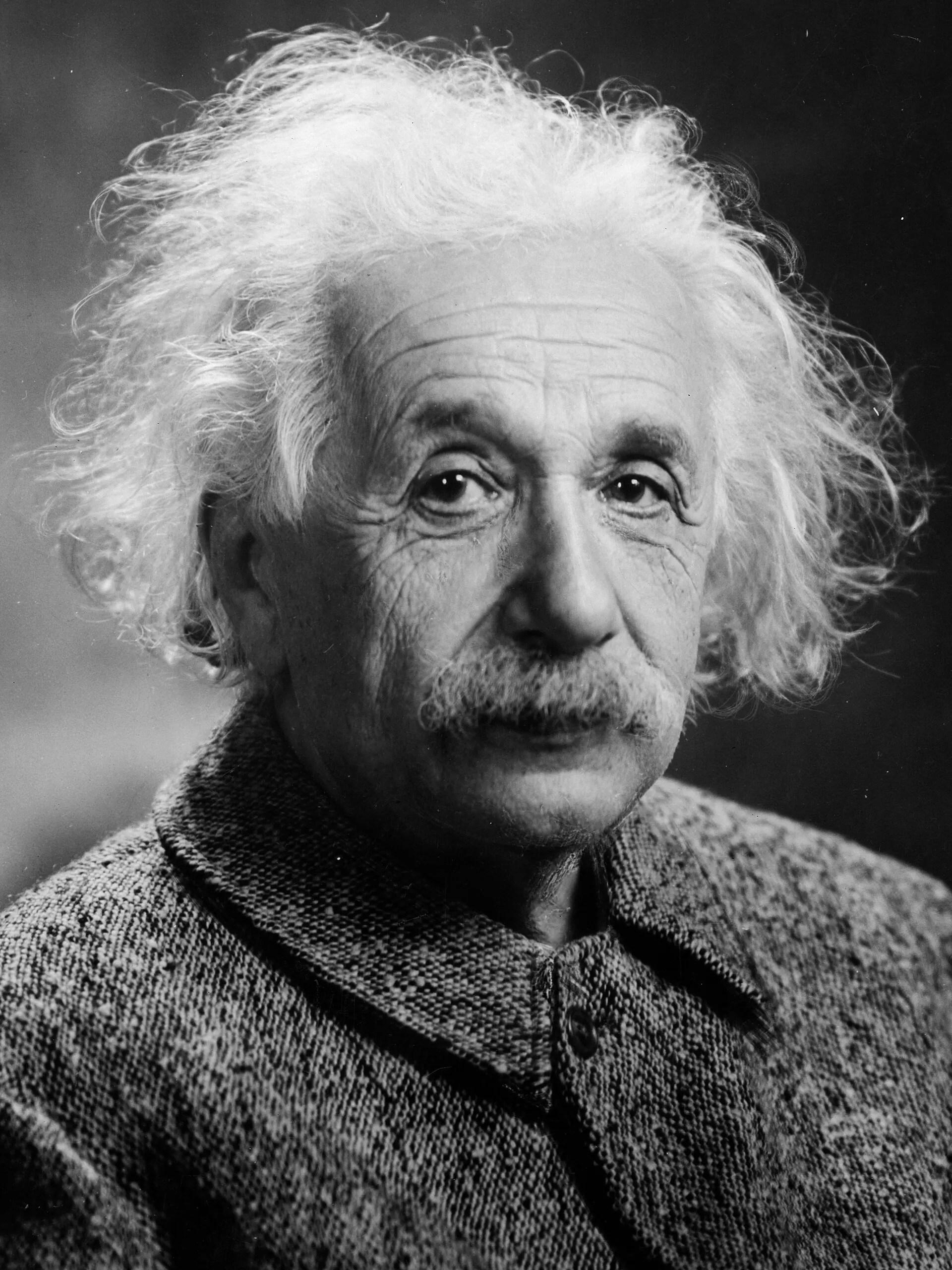
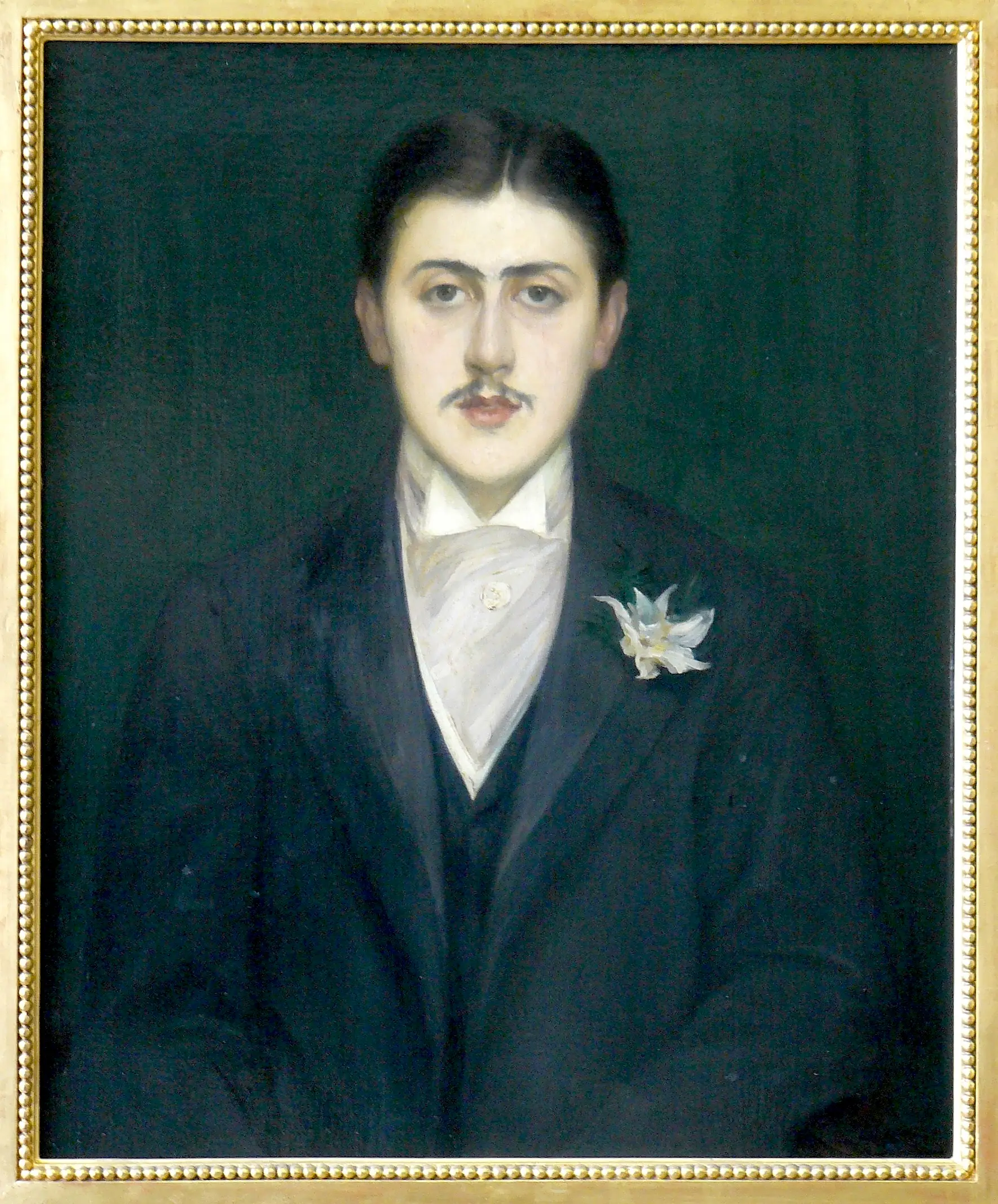
During the Vichy regime, Bergson refused an exemption from anti-Semitic registration laws. He stood in line for hours in the cold alongside other Jews to sign the register, stating, "I do not wish to be exempted from the common lot." This act of solidarity is now a central part of his legend. His 1913 lecture at Columbia University caused the first recorded traffic jam on Broadway, illustrating the unprecedented public demand for his ideas. His concept of "duration" influenced modernist writers like Marcel Proust and Virginia Woolf, who sought to capture the flow of consciousness in their writing. He famously debated Albert Einstein in 1922 regarding the nature of time, defending the subjective experience of time against relativistic physics. Bergson received honorary doctorates from Oxford, Cambridge, and the Sorbonne. His quotes, such as "Time is the substance I am made of," are widely shared on social media platforms like Twitter and TikTok by educational accounts. Hashtags like #Bergson frequently trend during academic seasons.
Notable Quotes
“To exist is to change, to change is to mature, to mature is to go on creating oneself endlessly.”
“Intuition is the kind of knowledge by identity.”
“We do not see things as they are, we see them as we are.”
“Time is the substance I am made of. Time is a river which sweeps me along, but I am the river.”
Family & Personal Life
Henri Bergson married Louise Neuberger in 1892. The couple had two daughters: Jeanne (born 1893) and Hélène (born 1896). Louise Neuberger was a significant presence in his life, managing his domestic affairs and supporting his intellectual pursuits. There are no records of other romantic relationships or divorces; Bergson remained married to Louise until her death. Following Louise's passing, Bergson did not remarry. He died in 1941, leaving behind his daughters and a vast intellectual legacy.
Notable Connections
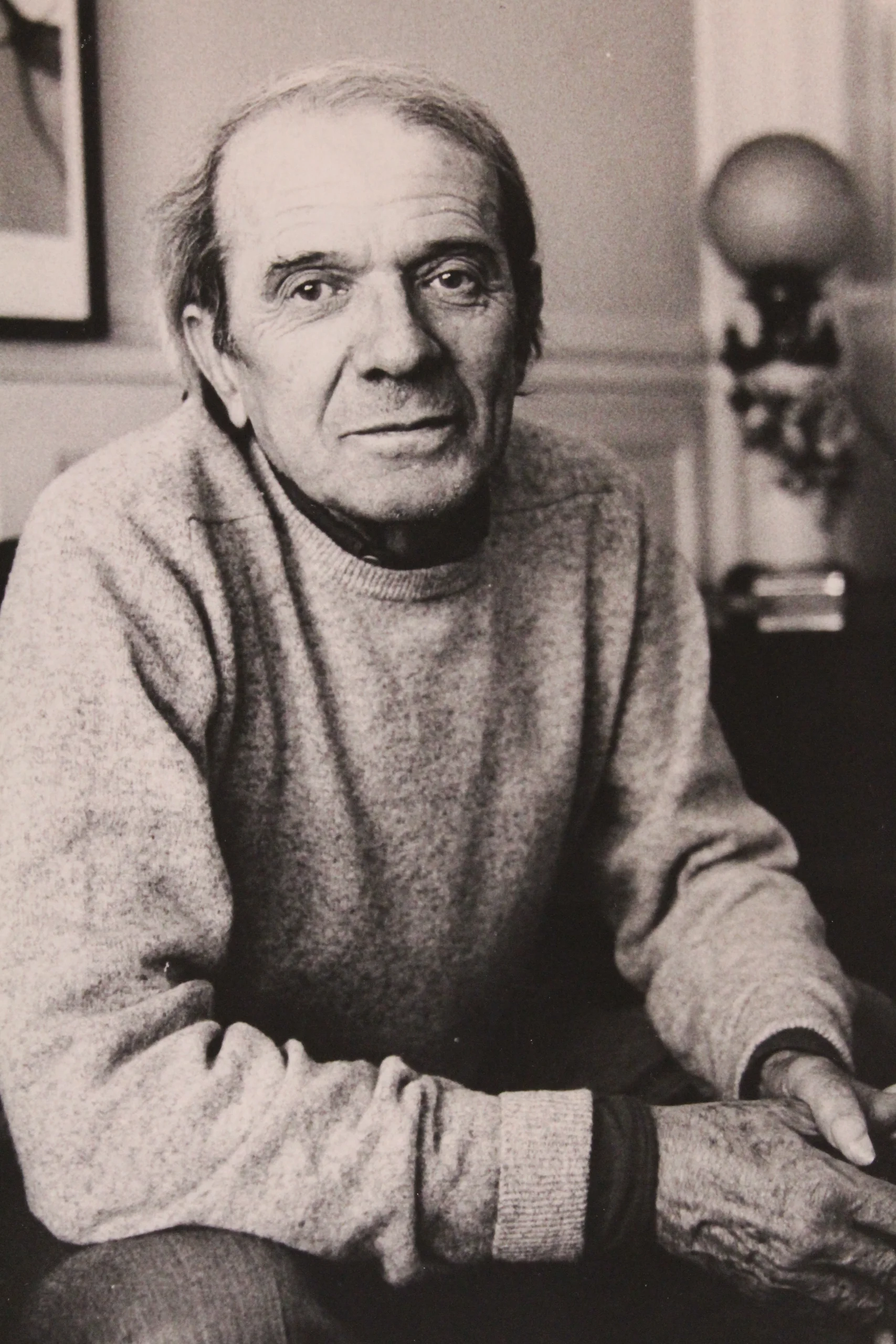
Louise Neuberger, Jeanne Bergson, Hélène Bergson, Albert Einstein, Gilles Deleuze, Marcel Proust.
Relationships & Dating History
Henri Bergson married Louise Neuberger in 1892. The couple had two daughters: Jeanne (born 1893) and Hélène (born 1896). Louise Neuberger was a significant presence in his life, managing his domestic affairs and supporting his intellectual pursuits. There are no records of other romantic relationships or divorces; Bergson remained married to Louise until her death. Following Louise's passing, Bergson did not remarry. He died in 1941, leaving behind his daughters and a vast intellectual legacy.
- MarriedLouise Neuberger1892 - presentRemained married until her death; had two daughters together.
Death & Aftermath
Died
January 4, 1941 (aged 81)
Death Place
Paris, France
Cause of Death
Natural causes associated with old age
On January 4, 1941, Henri Bergson died in Paris at the age of 81. His passing occurred during the height of the Nazi occupation of France, a period marked by severe persecution of Jewish citizens. Although Bergson was exempt from anti-Semitic registration laws due to his status as a decorated war veteran and Nobel laureate, he voluntarily registered as a Jew in 1940. He reportedly stood in line for hours in the cold alongside other Jews to sign the register, stating that he did not wish to be exempted from the common lot. This final act of solidarity became a defining moment of his moral legacy. The cause of death was attributed to natural causes associated with old age, exacerbated by the physical toll of the occupation. His funeral took place shortly after his death under strict restrictions imposed by the German occupiers. Despite these limitations, a gathering of fellow philosophers and friends was permitted, and he was buried in the Cimetière du Montparnasse in Paris. Tributes poured in from institutions globally, acknowledging his profound impact on philosophy and literature. Posthumously, his estate was managed by his heirs and the Académie Française. A renewed scholarly interest emerged in the 1960s with Gilles Deleuze's Le Bergsonisme (1966) and again in 2024 with Emily Herring's biography, Herald of a Restless World. This resurgence highlighted his role in bringing philosophy to the public and his enduring influence on discussions regarding time, memory, and consciousness. The rights to his works continue to generate royalties, managed by publishers such as Presses Universitaires de France. In 2025, The Economist published an article titled "Henri Bergson was once the world’s most famous philosopher," revisiting his impact on global thought and confirming his lasting relevance in modern cognitive science.
Net Worth (Estate Value)
$0
iFANN Editorial Team estimate
As Henri Bergson died in 1941, he has no current net worth. His estate value is not publicly tracked in modern financial terms, as his assets were distributed among heirs over the decades. However, his intellectual property continues to generate royalties. The rights to his works are managed by publishers such as Presses Universitaires de France and others. There are no specific dollar figures available for a 2026 net worth estimate as he is deceased, and no active business ventures exist under his name today. While his wealth was never quantified in modern currency during his lifetime, his posthumous earnings from book sales and licensing remain a steady source of income for his estate managers.
Awards Won (3)
Honored with the Nobel Prize in Literature in 1927, becoming the first philosopher to receive this award. Received the Grand-Croix de la Légion d'honneur in 1930, France's highest distinction. Elected to the Académie Française in 1914. Received honorary doctorates from universities including Oxford, Cambridge, and the Sorbonne.
1927 · Literature
Creative Evolution
1930 · Civil Honors
Lifetime Achievement
Known For
Creative Evolution
1907 · Author
Time and Free Will
1889 · Author
Matter and Memory
1896 · Author
The Two Sources of Morality and Religion
1932 · Author
Keywords
Sources
Quick Facts
- Profession
- philosopher, professor, sociologist
- Born
- October 18, 1859
- Birthplace
- Paris, France
- Died
- January 4, 1941
- Death Place
- Paris, France
- Gender
- Male
- Spouse
- Louise Neuberger
- Birth Sign
- Libra
Personal Details
- Full Name
- Henri-Louis Bergson
- Spouse
- Louise Neuberger
- Children
- Jeanne Bergson, Hélène Bergson
- Education
- École Normale Supérieure, Lycée Condorcet
Frequently Asked Questions
Who was Henri Bergson?
Why did Henri Bergson die?
What is Henri Bergson famous for?
Did Henri Bergson win a Nobel Prize?
How many children did Henri Bergson have?
Join the community
fans discussing