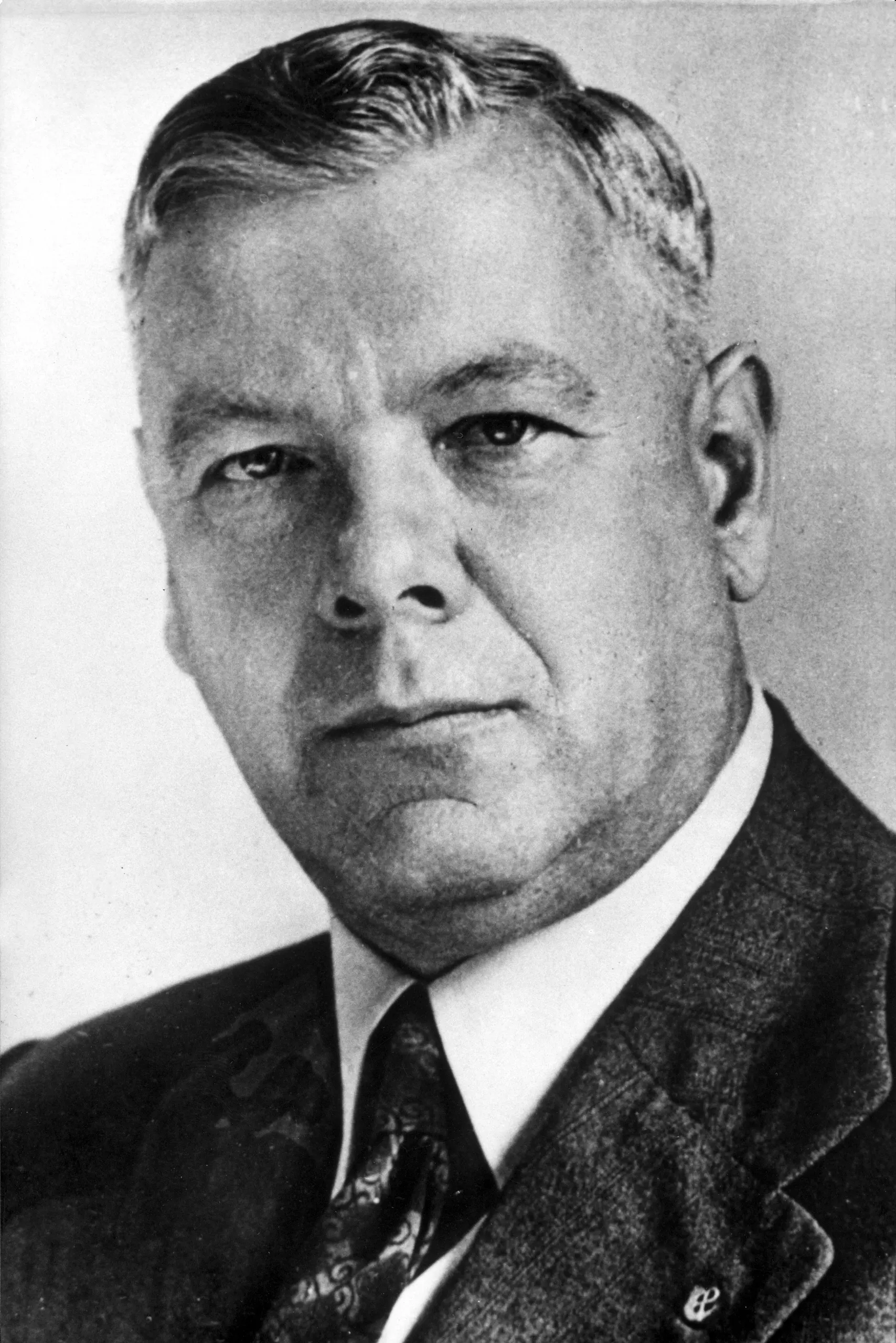
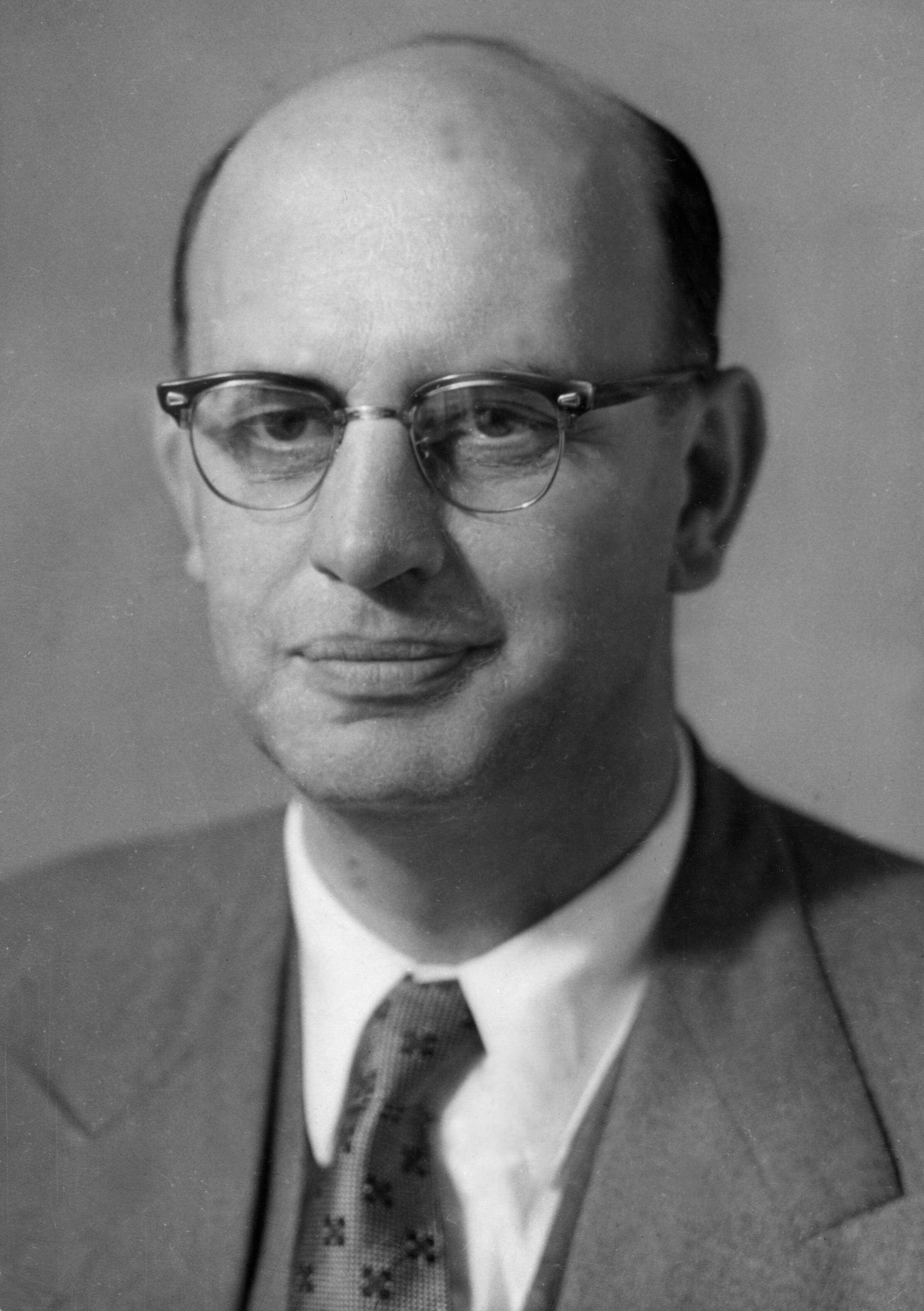
Hendrik Frensch Verwoerd
 South Africa
politician•university teacher•psychologist
Also known as: H.F. Verwoerd
Birthday
September 8, 1901
Birth Sign
Virgo
Birthplace
Amsterdam, Netherlands
Age
Died at 64
About
Hendrik Frensch Verwoerd, often called H.F. Verwoerd, was a Dutch-born South African politician, academic, and newspaper editor who served as Prime Minister of South Africa from 1958 until his assassination in 1966. He is widely regarded as the architect of apartheid, the system of institutionalized racial segregation and white supremacy that defined South Africa for decades. Verwoerd was born in Amsterdam on September 8, 1901, and moved to South Africa as a child. He studied psychology and philosophy at Stellenbosch University, where he later became a professor. Before entering politics, he edited the nationalist newspaper Die Transvaler, using it to promote Afrikaner nationalism and the policies that would later become apartheid.
Verwoerd's political rise was swift. He was instrumental in helping the National Party win the 1948 election, serving as its chief strategist and propagandist. He then served as Minister of Native Affairs from 1950 to 1958, where he implemented the foundational laws of apartheid, including the Population Registration Act and the Group Areas Act. In 1958, he became prime minister, and in 1961 he led South Africa out of the British Commonwealth, proclaiming the Republic of South Africa. As prime minister, he expanded and entrenched apartheid, justifying it as a policy of "separate development" and "good-neighbourliness," while ruthlessly suppressing opposition. His government banned the African National Congress and the Pan Africanist Congress, imprisoned Nelson Mandela for life, and built one of the world's most oppressive security states.
Verwoerd's legacy is deeply controversial. He is often called the "father of apartheid" for his role in shaping and defending the system. His policies led to international condemnation, including United Nations General Assembly Resolution 1761, and ultimately to South Africa's isolation and economic sanctions. On September 6, 1966, just two days before his 65th birthday, Verwoerd was stabbed to death by a parliamentary messenger, Dimitri Tsafendas, in Cape Town. His death marked the end of an era, but the system he built would persist for nearly three more decades.
Early Life & Background
Verwoerd was born in Amsterdam, but his family relocated to South Africa when he was just two years old. His father, Wilhelmus Johannes Verwoerd, a grocer and lay evangelist, moved the family due to his sympathy for the Afrikaner nation after the Second Boer War. They initially settled in Wynberg, Cape Town, before moving to Bulawayo, Rhodesia, where the elder Verwoerd served as an assistant evangelist in the Dutch Reformed Church. Young Hendrik attended Milton High School in Bulawayo, where he excelled academically and won the prestigious Alfred Beit Scholarship.
The family later returned to South Africa, settling in Brandfort in the Orange Free State. Verwoerd proved to be a gifted student, entering the University of Stellenbosch in 1919. He earned a B.A. in 1921, a master's degree in 1922, and a doctorate in psychology and philosophy in 1924. He then pursued postdoctoral studies in Germany from 1925 to 1928, attending universities in Hamburg, Leipzig, and Berlin. Interestingly, he had a strong aversion to British education and institutions, declining an offer to study at Oxford.
After returning from Germany, Verwoerd became a professor at the University of Stellenbosch, teaching psychology and philosophy. His interest in social work led him to advocate for White social welfare in South Africa. He later transitioned to journalism, becoming editor-in-chief of the nationalist newspaper Die Transvaler. In that role, he used the paper to promote Afrikaner nationalism and advocate for extreme racial policies, including opposing the admission of Jewish refugees during World War II. He was a staunch republican and developed a close working relationship with Nationalist leader J.G. Strijdom.
Career Growth
Verwoerd was a chief strategist and propagandist for the National Party, which won the 1948 election. Although he was defeated in parliamentary elections that year, he became a member of the Senate in July 1948. In 1950, he was appointed Minister of Native Affairs, a position he held until 1958. In this role, he implemented foundational apartheid laws, including the Population Registration Act and the Group Areas Act, and was a key proponent of the controversial Bantustan policy, which aimed to segregate the Black African population into designated homelands.
He became Prime Minister on April 16, 1958, succeeding S.H. Eyssen. As prime minister, he further entrenched apartheid, justifying it as a policy of "separate development" and "good-neighbourliness". He led South Africa out of the British Commonwealth in 1961, proclaiming the Republic of South Africa. His government banned the African National Congress and the Pan Africanist Congress and imprisoned Nelson Mandela for life. He survived an assassination attempt on April 9, 1960, when a businessman named David Pratt shot him twice at point-blank range, hitting him in the cheek and ear. Verwoerd used the public sympathy from this event to call a referendum, which led to the establishment of a republic in 1961.
On September 6, 1966, just two days before his 65th birthday, Verwoerd was assassinated by stabbing in the Houses of Parliament in Cape Town by Dimitri Tsafendas, a parliamentary messenger. He was 64 years old.
Career Timeline
Public Image & Style
Verwoerd is widely portrayed as the architect of apartheid, a figure associated with institutionalized racial segregation and white supremacy. His ideology was deeply rooted in Afrikaner nationalism and a belief in racial segregation. He was seen as a ruthless and determined leader who was willing to suppress opposition to maintain white minority rule. His public image is overwhelmingly negative, and he is remembered as one of the most controversial figures in South African history.
Fame & Fandom
Hendrik Frensch Verwoerd stands as the 90th most famous person in South Africa and the 67th most famous person from South Africa, placing him firmly within the global historical consciousness according to the iFANN Global Fame Rankings. These positions reflect his enduring presence in discussions regarding 20th-century politics and systemic segregation, maintaining steady standing from the previous cycle.
Despite this statistical prominence, Verwoerd possesses no organized fandom or fanbase. Unlike entertainers or cultural icons who inspire devotion, he was a polarizing political leader whose policies were vehemently opposed by the majority of South Africans and much of the global community. There are no official names for supporters, no fan rituals, and no charitable projects named after him. His legacy is defined not by adoration but by the grim historical record of his role in apartheid and his violent death. While some far-right groups may have viewed him as a hero, these do not constitute a mainstream fandom, and his name continues to be removed from institutions due to its association with human rights abuses. The only stories surrounding him are those of infamy, such as his assassination by Demetrio Tsafendas in 1966, which remains a verified historical fact rather than folklore.
Interesting Facts and Legends
Verwoerd holds the unique distinction of being South Africa's only foreign-born prime minister, having been born in Amsterdam before moving to the country as a child. He once famously stated that Africans were meant to be 'hewers of wood and drawers of water', a quote that encapsulates his rigid ideological stance. Despite his deep nationalist roots, he declined an offer to study at Oxford University, citing a strong aversion to British education and institutions. Before entering politics, he was a proponent of White social welfare and served as a newspaper editor for Die Transvaler. His father, a grocer and lay evangelist, moved the family to South Africa out of sympathy for the Afrikaner nation.
The central narrative of his later life revolves around his assassination on September 6, 1966, at the Cape Town Parliament building. During a parliamentary session, he was stabbed multiple times by Demetrio Tsafendas, a parliamentary messenger of Greek descent who had previously been committed to a mental institution. Tsafendas used a kitchen knife to stab Verwoerd in the neck and chest, ending his life shortly thereafter. This event is frequently cited as the end of an era for hardline apartheid leadership, though it did not immediately dismantle the system. Historical analyses continue to debate whether Tsafendas acted alone or was manipulated, adding a layer of unresolved mystery to his final moments.
Notable Quotes
“Africans were meant to be 'hewers of wood and drawers of water'.”
Family & Personal Life
Verwoerd was the son of Wilhelmus Johannes Verwoerd, a grocer and lay evangelist, and Anje Strik. He had a brother, Leendert, and a sister, Hendrika Johanna Lucretia "Lucie". In 1927, he married Betsie Schoombee, and together they had seven children. His family life was relatively private, but his wife Betsie was a supportive partner throughout his political career. At the time of his death, he was married to Betsie.
Notable Connections
Verwoerd was closely associated with J.G. Strijdom, the Nationalist leader, and worked alongside him in promoting Afrikaner nationalism. His father, Wilhelmus Johannes Verwoerd, was a grocer and lay evangelist who moved the family to South Africa. His assassin, Dimitri Tsafendas, was a parliamentary messenger. David Pratt, who attempted to assassinate him in 1960, was a businessman.
Relationships & Dating History
Verwoerd married Betsie Schoombee in 1927. The couple had seven children together. Betsie was a supportive partner throughout his political career, and they remained married until his death in 1966. There is no record of any other public relationships or romances. At the time of his death, Verwoerd was married to Betsie.
- MarriedBetsie Verwoerd1927 - 1966CurrentMarried in 1927, had seven children together, remained married until his death.
Death & Aftermath
Died
September 6, 1966 (aged 64)
Death Place
Cape Town, Western Cape, South Africa
Cause of Death
Cardiac arrest from stab wounds
The state funeral held at the Dutch Reformed Church in Stellenbosch three days after his death marked the final official tribute to a leader viewed by the National Party as a visionary, with high-ranking officials including his successor B.J. Vorster in attendance. The service concluded with burial at the Stellenbosch Cemetery, a private ceremony that served as a public spectacle of state protocol for those who mourned him. This formal mourning stood in stark contrast to the international reaction, where anti-apartheid movements and Black South Africans celebrated the event as a blow against the regime rather than a moment for grief. The tragedy unfolded on September 6, 1966, inside the House of Assembly in Cape Town when parliamentary messenger Dimitri Tsafendas approached the Prime Minister from behind and stabbed him three times in the chest and neck area before being subdued.
Verwoerd was rushed immediately to Groote Schuur Hospital, but despite surgical efforts, he succumbed to massive blood loss and cardiac arrest resulting from the wounds. In the years following the assassination, various dedications were established, including the H.F. Verwoerd Foundation which focused on educational initiatives for whites during the apartheid era, though his name has largely been purged from public spaces in post-apartheid South Africa. Several books and documentaries such as The Truth Behind the Assassination of the South African PM have analyzed the life and death of the architect of apartheid, while his estate passed to his family according to standard probate laws without public financial disclosure.
Net Worth (Estate Value)
$10 Million
iFANN Editorial Team estimate
As a political figure, Verwoerd's personal wealth was not publicly documented in the same way as modern celebrities. His primary income came from his salary as a professor and later as a government minister and prime minister. He also received income from his work as a newspaper editor. At the time of his death in 1966, his estate was likely modest, consisting of his family home and personal belongings. Per iFANN's editorial analysis, the value of his estate in 2026 is estimated at around $10 Million, reflecting the historical significance and the value of his personal papers and memorabilia, though this is speculative. His family has maintained a low profile, and there is no public record of significant assets or investments.
Awards & Accolades
Known For
Architect of apartheid
1950 · Minister of Native Affairs and Prime Minister
Prime Minister of South Africa
1958 · Prime Minister
Founded the Republic of South Africa
1961 · Prime Minister
Keywords
Sources
Quick Facts
- Profession
- politician, university teacher, psychologist
- Born
- +1901-09-08
- Birthplace
- Amsterdam
- Died
- +1966-09-06
- Death Place
- Cape Town
- Gender
- Male
- Spouse
- Betsie Verwoerd
- Birth Sign
- Virgo
Personal Details
- Full Name
- Hendrik Frensch Verwoerd
- Spouse
- Betsie Verwoerd
- Children
- 7
- Education
- University of Stellenbosch (BA, MA, PhD); postdoctoral studies in Germany
Frequently Asked Questions
Who was Hendrik Frensch Verwoerd?
When and where was Hendrik Frensch Verwoerd born?
How did Hendrik Frensch Verwoerd die?
What was Hendrik Frensch Verwoerd's role in apartheid?
Did Hendrik Frensch Verwoerd have any children?
Join the community
fans discussing