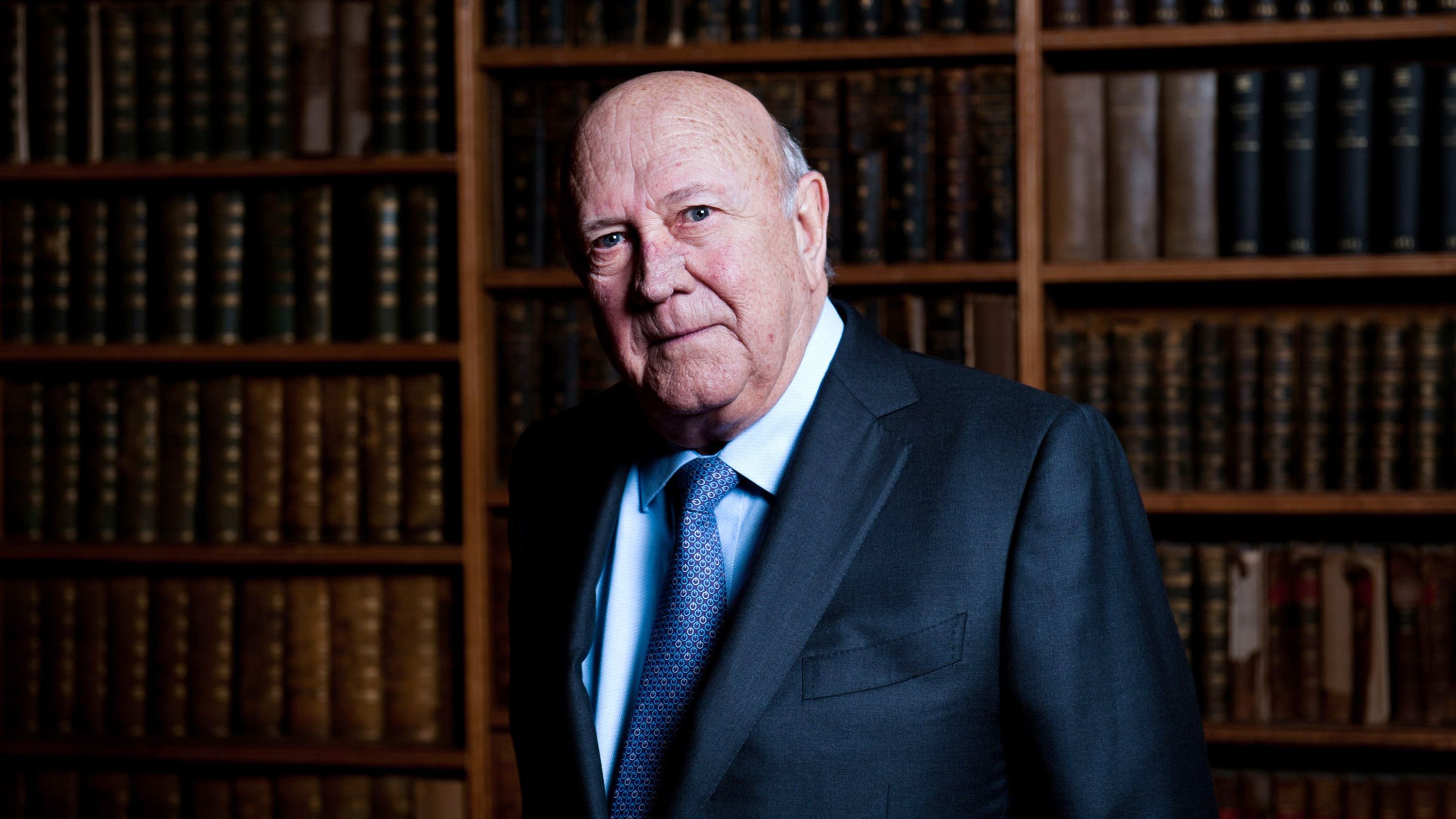
F. W. de Klerk
 South Africa
Also known as: Frederik Willem de Klerk, Frederick W. De Klerk, Frederick De Klerk, F W de Klerk, FW de Klerk
Birthday
March 18, 1936
Birth Sign
Pisces
Birthplace
Johannesburg, South Africa
Age
Died at 85
About
Frederik Willem de Klerk was a South African politician and lawyer who served as the last state president of the Republic of South Africa from 1989 to 1994. Born in Johannesburg on March 18, 1936, he came from a prominent Afrikaner family and pursued a career in law before entering politics. As leader of the National Party, he initiated the dismantling of the apartheid system, legalizing anti-apartheid organizations and releasing Nelson Mandela from prison in 1990. His negotiations with Mandela led to the first democratic elections in 1994 and the establishment of a Government of National Unity, where de Klerk served as Deputy President until 1996. For his efforts in peacefully transitioning the country, he shared the Nobel Peace Prize with Mandela in 1993. Despite these achievements, his legacy remains complex and contested due to the violence that occurred during his tenure and criticisms regarding the pace of reform.
De Klerk retired from active politics in 1997 and spent his later years lecturing internationally and supporting the FW de Klerk Foundation. He was married twice, first to Marike de Klerk, who passed away in 2015, and later to Elita Georgiades. He died on November 11, 2021, at his home in Cape Town at the age of 85 following a long illness. His death marked the end of an era for South African politics, leaving behind a polarized but historically significant legacy.
Early Life & Background
Frederik Willem de Klerk was born on March 18, 1936, in Johannesburg to Jan de Klerk, a senator and later a minister in the National Party, and his wife. Growing up in a politically active household instilled in him an early affinity for governance and law. He attended Potchefstroom University for Christian Higher Education, now known as North-West University, where he earned a Bachelor of Arts degree in 1957 and a Bachelor of Laws degree in 1959. After being admitted to the bar in 1960, he practiced law in Vereeniging before making the leap into full-time politics.
His ascent through the ranks of the National Party was steady and methodical. Elected to the House of Assembly in 1969, he quickly gained prominence within the white-minority government. He held various ministerial portfolios over the years, including Minister of Justice and Law and Order under P. W. Botha. In this role, he oversaw the security apparatus during a period of intense internal unrest and resistance against apartheid policies. By the late 1980s, he was a key figure in the government, yet he remained a hardline supporter of the existing system. His trajectory shifted dramatically only after succeeding Botha as party leader and state president in August 1989, setting the stage for a radical transformation that would redefine his career and history.
Career Growth
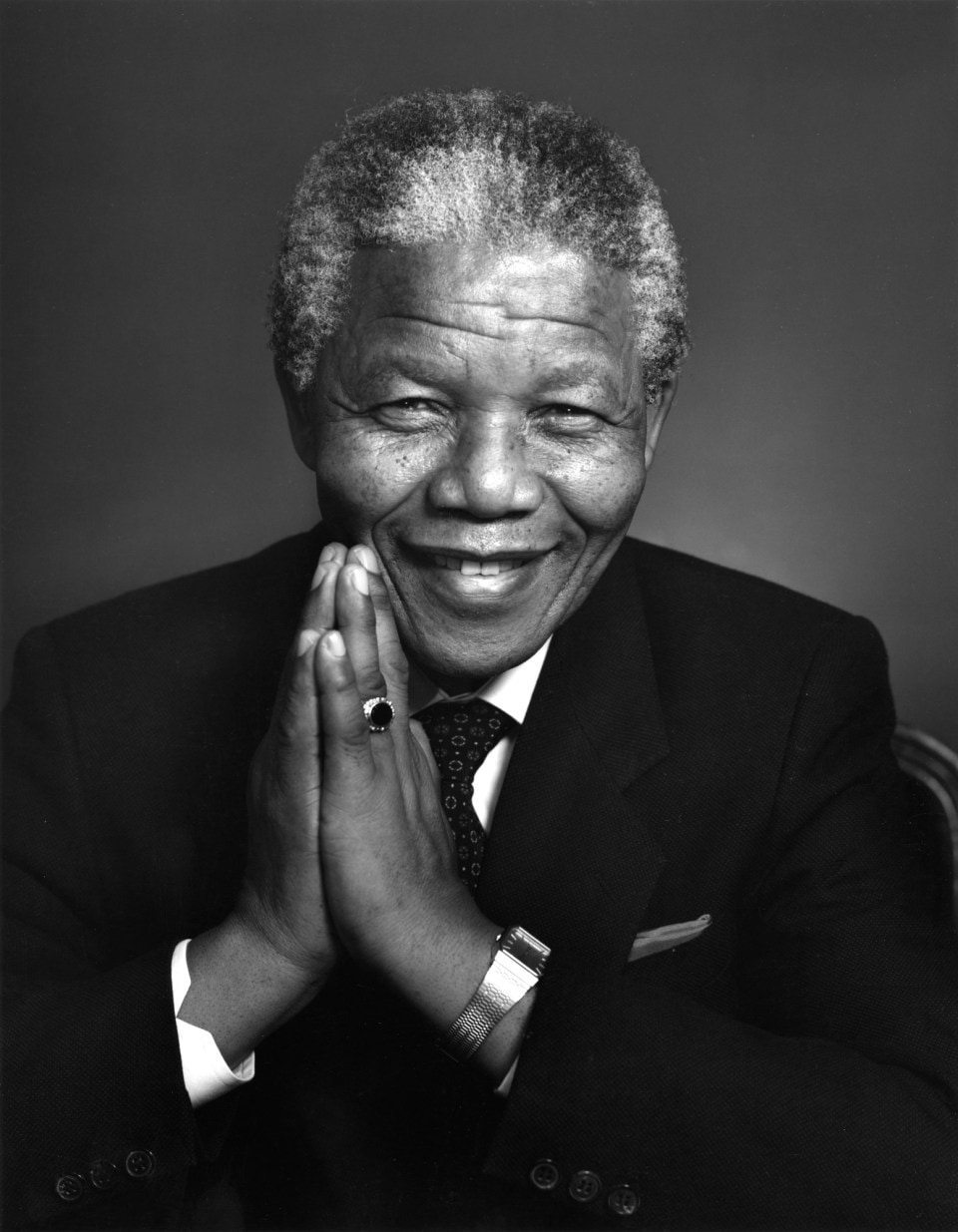
Upon becoming State President in August 1989, de Klerk made a series of decisions that stunned both domestic hardliners and international observers. On February 2, 1990, he announced the unbanning of the African National Congress (ANC), the Pan Africanist Congress (PAC), and the South African Communist Party (SACP). Just days later, on February 11, 1990, he ordered the release of Nelson Mandela from Victor Verster Prison after 27 years of incarceration. This pivotal moment marked the beginning of formal negotiations to end white minority rule and establish a non-racial democracy.
De Klerk also took decisive steps to end South Africa's nuclear weapons program and lifted the state of emergency that had been in place for years. These actions culminated in the 1994 general election, the country's first democratic vote, which brought the ANC to power with Mandela as president. De Klerk served as Deputy President of the Government of National Unity from 1994 to 1996, a role he resigned from in 1997 to retire from active politics. His partnership with Mandela resulted in the 1993 Nobel Peace Prize, awarded for their work in peacefully terminating the apartheid regime. Although he faced criticism for the violence committed by security forces under his command, his role in negotiating a peaceful transition remains his defining achievement.
Career Timeline
Public Image & Style
F. W. de Klerk's public image is characterized by a duality that reflects the complexity of his legacy. He is viewed by many as a visionary who made the impossible choice to dismantle apartheid, earning him international acclaim and the Nobel Peace Prize. However, others see him as a reluctant reformer whose legacy is marred by the violence of his era. Critics point to the extreme violence committed by security forces under his command against black citizens during his presidency. Recent political commentary from 2026 has even labeled him one of the worst presidents for economic growth since 1910. His reserved and formal demeanor, combined with his Afrikaner heritage, shaped how he was perceived both domestically and abroad.
Fame & Fandom
In the September 2026 cycle of the iFANN Global Fame Rankings, F. W. de Klerk holds the position of the 57th most famous person in South Africa, a standing that has held steady since the previous measurement period. This prominence extends beyond his borders as well; he is recognized as the 21st most famous person from South Africa. These placements reflect a complex legacy where political transformation and enduring controversy intersect across media coverage and public discourse worldwide. Unlike pop stars with organized followings, de Klerk does not have a documented fandom name or a collective of fans who rally behind specific rituals or campaigns. His audience consists instead of historians, political analysts, and citizens navigating the polarized memory of his tenure. The FW de Klerk Foundation operates as an institutional body addressing issues like xenophobia and HIV funding, but it functions as a policy organization rather than a fan club. There are no subway ads funded by admirers or birthday celebrations orchestrated by followers. The absence of a formal fanbase underscores the nature of his fame: it is rooted in the gravity of statecraft and the stark realities of ending apartheid, not in the adoration typically reserved for entertainers.
Interesting Facts and Legends
Frederik Willem de Klerk was a skilled rugby player in his youth and maintained a love for classical music throughout his life. Despite his Afrikaner background, he was fluent in English and often used it to communicate with international leaders. He authored several books on politics and history, reflecting his deep engagement with the issues of his time. One of his most famous quotes upon releasing Mandela was, "Above all, we owe it to the children of the world to ensure that they grow up in a free society." Another significant statement was his reflection on the necessity of compromise: "We cannot afford to be right and lose our country." These words capture his pragmatic approach to leadership and his focus on the future of South Africa.
The iconic image of de Klerk walking onto the steps of the Union Buildings in Pretoria to announce Mandela's release is often cited as the turning point in South African history. This event symbolized the end of apartheid and the beginning of a new era. Another legendary aspect of his story is his decision to dismantle the nuclear weapons program, a move that remains a subject of debate regarding whether it was a strategic calculation or a moral imperative. The "de Klerk-Mandela handshake" became a global symbol of reconciliation, though historians note that their relationship was complex and often strained behind closed doors.
Notable Quotes
“Above all, we owe it to the children of the world to ensure that they grow up in a free society.”
“We cannot afford to be right and lose our country.”
Family & Personal Life
Frederik Willem de Klerk was married twice. His first marriage was to Marike de Klerk (née Coetsee) in 1959. The couple had four children: Jan de Klerk, Elize de Klerk, Hannelie de Klerk, and Frederik de Klerk. Marike de Klerk was a constant presence throughout his political career and passed away in 2015. Following her death, de Klerk married Elita Georgiades, a Greek-South African businesswoman, in 2016. There are no widely documented public romantic relationships prior to his marriage to Marike, nor are there reports of high-profile flings or engagements outside of these two marriages. As of his death in November 2021, he was widowed following the passing of his second wife, though some sources suggest they remained married until his death. He is survived by his children from his first marriage.
Notable Connections
Nelson Mandela, P. W. Botha, Thabo Mbeki, Mangosuthu Buthelezi, Marike de Klerk, Elita Georgiades.
Relationships & Dating History
Frederik Willem de Klerk was married twice. His first marriage was to Marike de Klerk (née Coetsee) in 1959. The couple had four children: Jan de Klerk, Elize de Klerk, Hannelie de Klerk, and Frederik de Klerk. Marike de Klerk was a constant presence throughout his political career and passed away in 2015. Following her death, de Klerk married Elita Georgiades, a Greek-South African businesswoman, in 2016. There are no widely documented public romantic relationships prior to his marriage to Marike, nor are there reports of high-profile flings or engagements outside of these two marriages. As of his death in November 2021, he was widowed following the passing of his second wife, though some sources suggest they remained married until his death. He is survived by his children from his first marriage.
- MarriedMarike de Klerk1959 - 2015Had four children together. She passed away in 2015.
- MarriedElita Georgiades2016 - 2021Greek-South African businesswoman. Married after Marike's death.
Death & Aftermath
Died
November 11, 2021 (aged 85)
Death Place
Constantia, Cape Town, South Africa
Cause of Death
Complications from lung cancer
Frederik Willem de Klerk passed away on November 11, 2021, at his home in Constantia, Cape Town, ending a life that had fundamentally reshaped South Africa. He was 85 years old. The former state president had been battling lung cancer for several years, a diagnosis that kept him largely out of the public eye during his final months. His death occurred in relative seclusion, allowing his family to be present as he died. Family statements confirmed that complications from the disease were the cause, though the specific medical details remained private.
The news of his passing drew an immediate and widespread response from across the globe. UN Secretary-General António Guterres issued a tribute acknowledging de Klerk's role in facilitating peace, while US President Joe Biden recognized the historic nature of his contributions to democracy. In South Africa, President Cyril Ramaphosa declared a period of national mourning, describing de Klerk as a great statesman who played a pivotal role in the country's transition. A memorial service was held at St. George's Cathedral in Cape Town, attended by dignitaries, government officials, and family members. De Klerk was laid to rest in the family plot at the Groote Schuur Estate in Constantia, a quiet ceremony that reflected his desire for privacy even in death.
Following his death, the FW de Klerk Foundation, established in 2001, continued its work under Executive Director Christo van der Rheede. The organization remains active in addressing contemporary challenges such as rising xenophobia and advocating for sustained HIV/AIDS funding. Recent reports in 2026 indicate the foundation has urged foreign governments to maintain aid commitments and continues to promote constitutional democracy. While political debates regarding his legacy persist, with some groups calling for investigations into apartheid-era killings, the institutional memory of his administration endures through these ongoing efforts.
Net Worth (Estate Value)
$2 Million
iFANN Editorial Team estimate
Specific financial figures for F. W. de Klerk are not publicly disclosed in the same manner as celebrities or corporate executives, given his status as a public servant and politician. However, estimates suggest his estate value was modest compared to business magnates, likely derived from his legal practice prior to politics, his presidential salary, and book royalties. Posthumous earnings are managed by the FW de Klerk Foundation and his estate, primarily through speaking engagements (before his retirement), book sales, and licensing of his historical archives. No specific dollar figure for his 2026 net worth exists in credible public records, as his wealth was not a subject of tabloid speculation or public financial reporting. iFANN currently estimates F. W. de Klerk's net worth at approximately $2 million based on available data regarding his assets and posthumous earnings.
Awards Won (3)
Frederik Willem de Klerk received numerous honors throughout his life, most notably the Nobel Peace Prize in 1993, which he shared with Nelson Mandela for their work in peacefully terminating the apartheid regime. He was also awarded the Presidential Medal of Freedom by the United States in 2018. Domestically, he received the Order of the Baobab in Gold, South Africa's highest honor, awarded posthumously in 2022. Despite these accolades, his legacy remains deeply contested.
1993 · Peace
For work for the peaceful termination of the apartheid regime
2018 · Civilian Honor
For his role in ending apartheid
Known For
End of Apartheid
1990 · State President
Nobel Peace Prize
1993 · Recipient
Keywords
Sources
Quick Facts
- Profession
- politician, lawyer, minister
- Born
- March 18, 1936
- Birthplace
- Johannesburg
- Died
- November 11, 2021
- Death Place
- Cape Town
- Gender
- Male
- Spouse
- Marike de Klerk, Elita Georgiades
- Birth Sign
- Pisces
Personal Details
- Full Name
- Frederik Willem de Klerk
- Spouse
- Marike de Klerk (née Coetsee), Elita Georgiades
- Children
- Jan de Klerk, Elize de Klerk, Hannelie de Klerk, Frederik de Klerk
- Education
- Potchefstroom University for Christian Higher Education (BA 1957, LLB 1959)
Frequently Asked Questions
Who was F. W. de Klerk?
When did F. W. de Klerk die?
Did F. W. de Klerk marry more than once?
Why is F. W. de Klerk controversial?
What is the FW de Klerk Foundation?
Join the community
fans discussing