 United States


“Heat is a very good movie, with an astonishing level of craftsmanship, remarkable clarity in staging action and attention to the personal lives of both cops and criminals.”
Roger Ebert
Chicago Sun-Times
Part of a Collection
Heat Collection
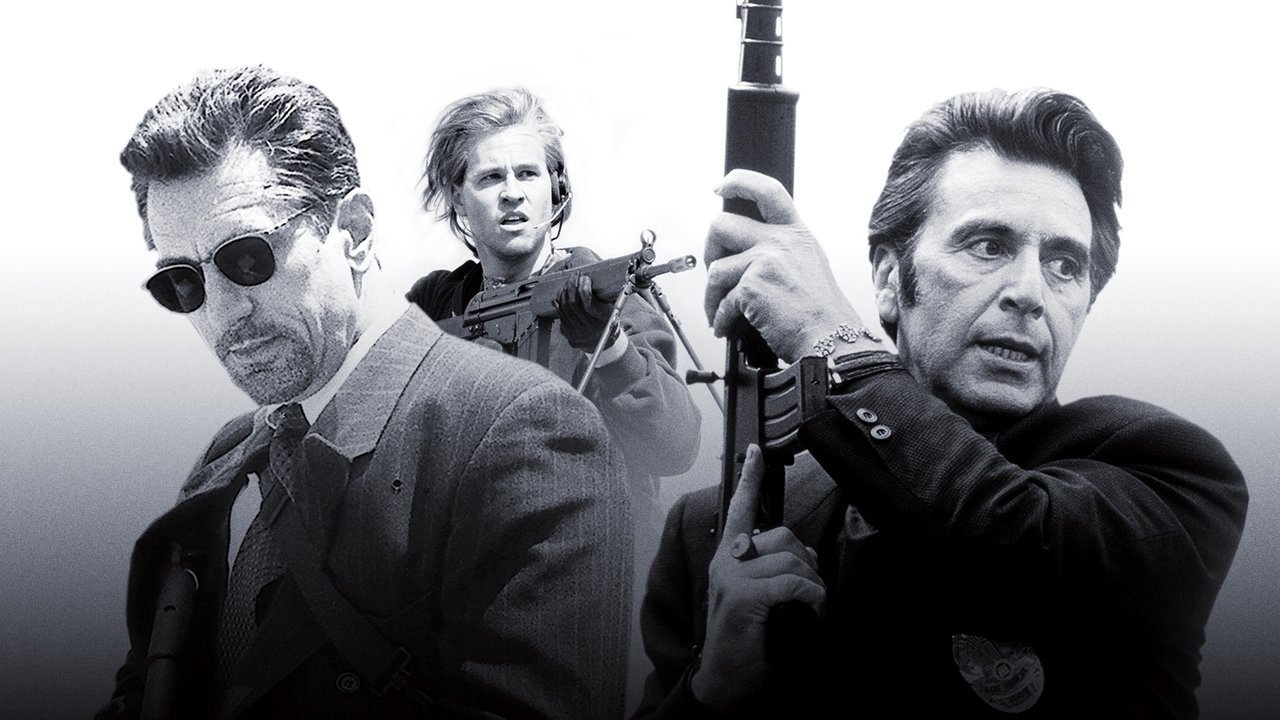
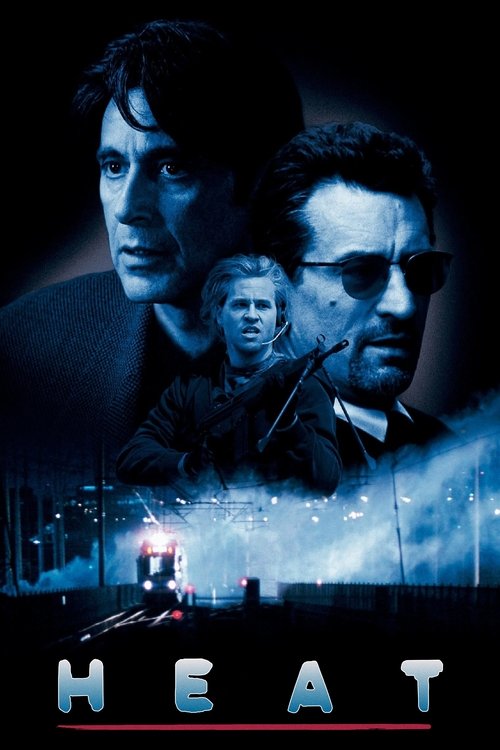
Michael Mann's Heat is a sprawling crime epic that pits two fiercely driven men against each other in the neon-lit streets of Los Angeles. Neil McCauley (Robert De Niro) is a meticulous professional thief who leads a tight-knit crew on high-stakes heists. He lives by a strict code: never get attached to anything you can't walk away from in 30 seconds. Lt. Vincent Hanna (Al Pacino) is an obsessive LAPD detective whose dedication to his job has destroyed two marriages and alienated his stepdaughter. When McCauley's crew pulls off a deadly armored car robbery, Hanna becomes determined to bring them down. The film follows both men as they prepare for an inevitable confrontation, each aware that their cat-and-mouse game can only end in violence.
What sets Heat apart is its refusal to paint its characters in black and white. Mann devotes equal time to the personal lives of the criminals and the cops, showing how their obsessions isolate them from the people they love. McCauley begins a tentative romance with graphic designer Eady (Amy Brenneman), while Hanna struggles to connect with his wife Justine (Diane Venora) and troubled stepdaughter Lauren (Natalie Portman). The film's centerpiece is a remarkable coffee shop scene where Hanna and McCauley meet face to face, acknowledging their similarities and the tragedy of their situation. The famous downtown shootout, with its realistic gunfire and tactical maneuvers, remains one of the most influential action sequences in cinema history.
Based on the real-life pursuit of a thief named Neil McCauley by Chicago detective Chuck Adamson in the 1960s, Heat expands on Mann's earlier TV movie L.A. Takedown. The film was shot on location in Los Angeles, with Mann using actual streets and buildings to create a gritty, immersive atmosphere. Elliot Goldenthal's brooding score and a soundtrack featuring Moby's 'God Moving Over the Face of the Waters' add to the film's haunting, elegiac tone. Heat was a critical and commercial success, earning over $187 million worldwide on a $60 million budget, and has since been hailed as one of the greatest crime films ever made.
Availability and pricing can change. Confirm on the provider's site before purchasing.
Heat follows two parallel lives in Los Angeles: Neil McCauley, a highly disciplined professional thief, and Lt. Vincent Hanna, an LAPD Robbery-Homicide detective whose relentless devotion to his work has wrecked his home life.
Neil leads a tight, professional crew that includes expert gunman Chris Shiherlis, steady family man Michael Cheritto, wheelman Trejo, and logistics man Nate, who connects them to fences, financiers, and intel. At the outset, Neil's crew executes a meticulously planned armored-car heist, stealing bearer bonds from a financial firm. The operation is thrown off when volatile new recruit Waingro impulsively murders a guard, triggering a chain reaction of additional deaths and forcing Neil to improvise. Neil tries to kill Waingro afterward for jeopardizing the crew, but Waingro escapes, becoming a loose end that will haunt the story.
The heist brings the crew to the attention of Vincent Hanna, who is introduced juggling multiple major crimes and a crumbling third marriage to Justine. Vincent lives almost entirely for police work, and the emotional cost is evident in his strained relationship with Justine and her troubled daughter Lauren. As Vincent investigates the armored-car murders, his team, Detectives Casals, Bosko, Drucker and others, slowly piece together that they are dealing with a uniquely professional outfit.
Meanwhile, Neil maintains a minimalist, isolated existence in a sleek, anonymous house overlooking the ocean, living by a strict code: never get attached to anything you cannot walk out on in 30 seconds flat if you feel the heat coming around the corner. This code is tested when he meets Eady, a shy graphic designer he impulsively approaches in a bookstore. What begins as a tentative connection grows into a genuine romance, exposing a more vulnerable side of Neil and hinting at his buried desire to leave crime behind.
The story tracks the personal lives on both sides of the law. Chris's marriage to Charlene Shiherlis is collapsing under the weight of his gambling problem and criminal lifestyle, attracting the attention of an unscrupulous businessman, Alan Marciano. Charlene is torn between loyalty to Chris and the possibility of a safer, more stable life if she cooperates with the cops. On the criminal-financial side, the victim of Neil's bond heist, ruthless businessman Roger Van Zant, secretly double-crosses Neil instead of paying the agreed-upon fee to buy back his own stolen bonds, setting up an ambush that fails and turns into a personal vendetta.
As Vincent's unit surveils Neil's crew, the film becomes a cat-and-mouse procedural, with each side watching and reacting to the other's moves. Vincent's team tails Neil and his partners through stakeouts, aerial surveillance, and night-vision stakeouts at potential heist sites, while Neil's crew detects the surveillance and adjusts accordingly, treating the police attention as just another variable in their planning. This escalating dance reveals how similarly obsessive Neil and Vincent are: both sacrifice their domestic lives for their profession, and both possess a wary respect for each other's skill.
The central relationship crystallizes in the famous coffee-shop meeting, when Vincent pulls Neil over but instead of arresting him, invites him to sit down and talk. In this quiet conversation, they acknowledge their shared isolation, mutual respect, and the inevitability that one may eventually have to kill the other. Vincent admits that his work will always come before family; Neil reiterates his code of non-attachment and his intention to walk away if necessary. They part with an understanding that if they meet again, it will be on opposite sides of a gun.
Despite mounting pressure, Neil decides on one last big score: an audacious daytime bank robbery in downtown Los Angeles, designed to secure enough money for him to retire and disappear with Eady. Vincent, having finally identified Neil's crew and their pattern, races to anticipate the target and prepare an armed response. On Neil's side, fault lines widen: Chris's chaotic personal life, Charlene's vulnerability to law enforcement leverage, and the unresolved threat of Waingro and Van Zant all introduce volatility into what should be a clean operation.
As the film progresses, both men's domestic worlds further unravel. Justine's frustration erupts, Lauren's emotional crisis deepens, and Eady confronts the truth about Neil's profession. The looming bank job, the active manhunt, and multiple personal betrayals converge into an increasingly tense build-up, driving Neil and Vincent toward a ferocious showdown where professionalism, personal codes, and the possibility of escape are all put to the ultimate test.
Original Theatrical Trailer
Critical Consensus
Critics have generally hailed Heat as a superbly crafted crime epic, praising Michael Mann's meticulous direction, Dante Spinotti's luminous Los Angeles visuals, and the electric pairing of Al Pacino and Robert De Niro. While some note its sprawling length and subplots, the film's character depth, procedural detail, and landmark action sequences have secured its reputation as one of the most accomplished heist thrillers of the 1990s.
“Heat is a very good movie, with an astonishing level of craftsmanship, remarkable clarity in staging action and attention to the personal lives of both cops and criminals.”
Roger Ebert
Chicago Sun-Times
“A mesmerizing urban thriller that moves smoothly between high-caliber action and quieter, character-driven scenes, highlighting the café confrontation as a standout moment.”
Janet Maslin
The New York Times
“A richly textured crime saga with stunningly choreographed set pieces, Mann brings gritty authenticity to both policing and criminal operations, elevating the material above standard genre fare.”
Todd McCarthy
Variety
“Grand-scale moviemaking whose careful accumulation of detail culminates in one of the most harrowingly realistic shootouts ever filmed, though the running time demands patience.”
Kenneth Turan
Los Angeles Times
“A towering LA noir and Mann's masterpiece, with an elegiac mood, widescreen loneliness, and sense of doomed professionalism that account for its enduring influence.”
Peter Bradshaw
The Guardian
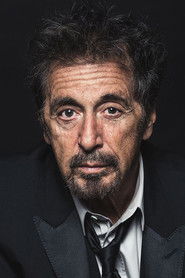
Al Pacino
Lt. Vincent Hanna
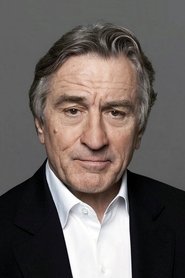
Robert De Niro
Neil McCauley
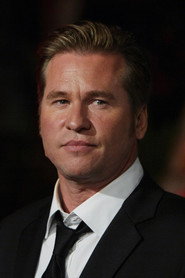
Val Kilmer
Chris Shiherlis
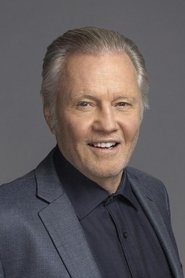
Jon Voight
Nate

Tom Sizemore
Michael Cheritto

Diane Venora
Justine

Amy Brenneman
Eady

Ashley Judd
Charlene Shiherlis
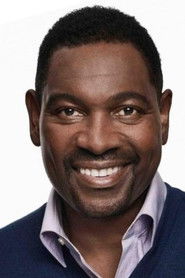
Mykelti Williamson
Drucker
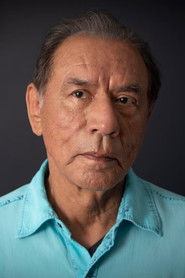
Wes Studi
Casals
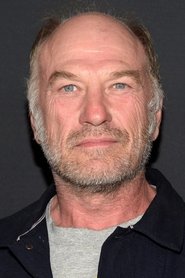
Ted Levine
Bosko

Natalie Portman
Lauren Gustafson
Diane Venora
Justine Hanna
Mykelti Williamson
Sergeant Drucker
Wes Studi
Detective Casals
Ted Levine
Detective Mike Bosko
Tom Noonan
Kelso
Kevin Gage
Waingro
Hank Azaria
Alan Marciano
William Fichtner
Roger Van Zant
Dennis Haysbert
Donald Breedan
Danny Trejo
Trejo
Henry Rollins
Hugh Benny
Tone Lōc
Richard Torena
Jeremy Piven
Dr. Bob
Xander Berkeley
Ralph
Mykelti Williamson
Sgt. Drucker
Director
Michael Mann
Writer
Michael Mann
Composer
Elliot Goldenthal
Cinematographer
Dante Spinotti
Producers
Michael Mann, Art Linson
BAFTA Film Award (1996)
Best Editing: Nominated
BAFTA Film Award (1996)
Best Sound: Nominated
Saturn Award (1996)
Best Action/Adventure/Thriller Film: Nominated
Saturn Award (1996)
Best Actor: Nominated
Join the community
fans discussing