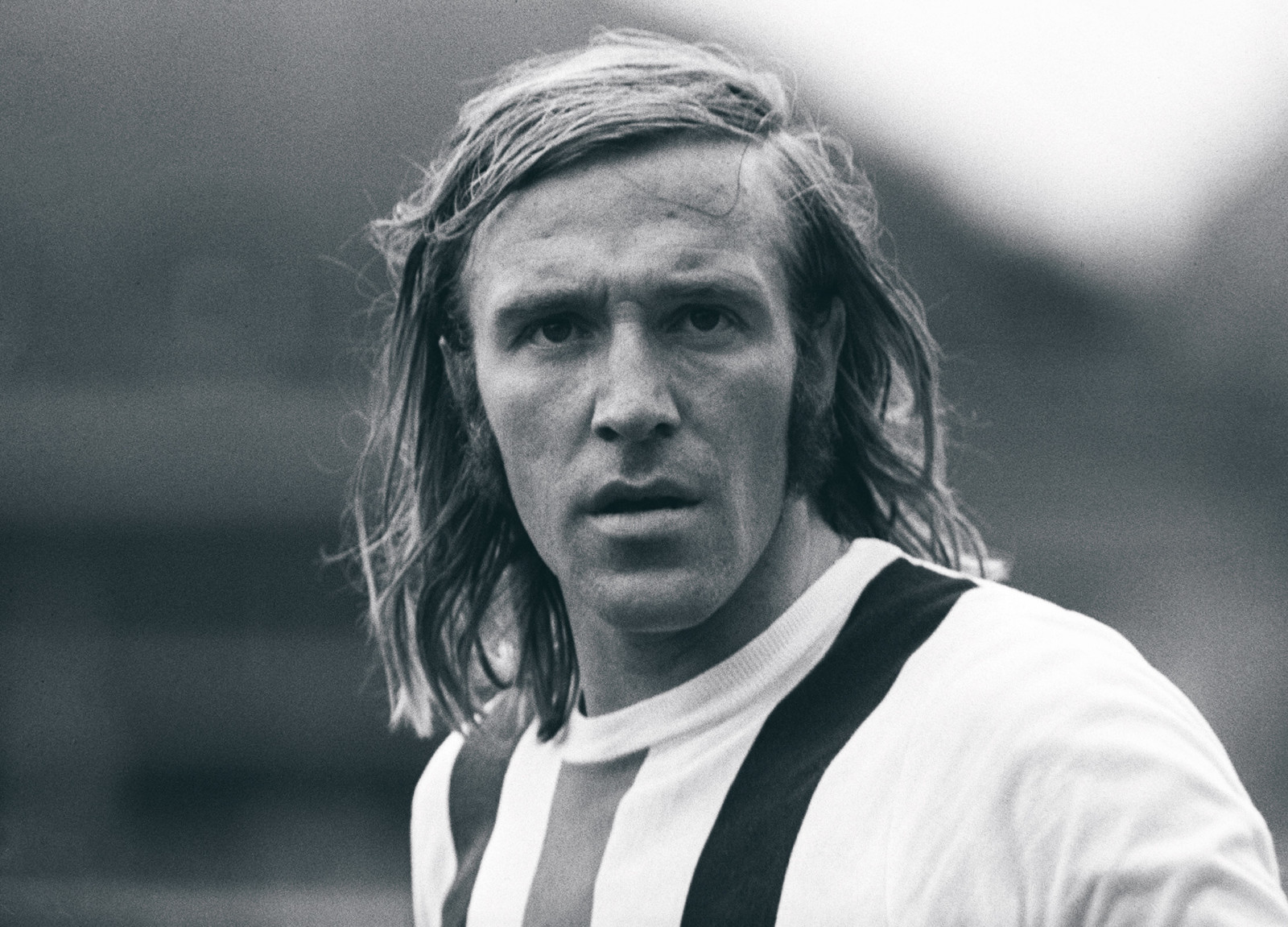
Günter Netzer
 Germany
Former professional footballer•executive•and pundit
Also known as: Karajan
Birthday
September 14, 1944
Birth Sign
Virgo
Birthplace
Mönchengladbach, Germany
Age
82 years old
Height
5 ft 10 in (1.78 m)
About
Günter Netzer is a German former professional footballer, executive, and pundit, widely regarded as one of the greatest midfielders and passers in the history of the sport. Born in Mönchengladbach on September 14, 1944, he became a symbol of elegant playmaking and on-field intelligence, earning the nickname "Karajan" for his charismatic and sometimes contradictory persona.
Netzer's playing career was defined by his time at Borussia Mönchengladbach and Real Madrid, where he won multiple league titles and international honors. He later transitioned into a successful executive role, most notably as general manager of Hamburger SV during their golden era in the early 1980s. Today, he remains a respected voice in football, sought after for his expertise and analysis.
Early Life & Background
Netzer grew up in Mönchengladbach, a working-class city in western Germany. His father ran a small grocery store, and football was a constant presence in the family. He started playing with local club 1. FC Mönchengladbach, where his talent quickly stood out. In 1963, at the age of 19, he signed his first professional contract with Borussia Mönchengladbach, then playing in the Regionalliga West.
His early years with the club were marked by rapid development under coach Hennes Weisweiler, who recognized Netzer's unique vision and technical ability. Netzer played a key role in the team's promotion to the Bundesliga in 1965, making his debut on August 14, 1965, despite suffering from a severe bout of flu. That match, a 3-1 win over Tasmania Berlin, highlighted his importance to the side, as he managed to influence the game even while unwell. By the late 1960s, he had established himself as the creative heartbeat of the team, known for his long hair and confident style.
Career Growth
Netzer's breakthrough came with Borussia Mönchengladbach's rise to prominence in the late 1960s. He was instrumental in their back-to-back Bundesliga titles in 1970 and 1971, making them the first club to achieve that feat. His performances earned him the German Footballer of the Year award in 1972 and 1973. A defining moment came in the 1973 DFB-Pokal final against 1. FC Köln. Having been benched due to his impending move to Real Madrid, Netzer entered the game in extra time on his own authority, telling the coach "I'll go and play now," and scored the winning goal with his second touch.
In 1973, he transferred to Real Madrid for a fee of around 2 million Deutsche Marks. There, he won two La Liga titles, notably beating Johan Cruyff's Barcelona in 1974-75. With West Germany, he contributed to victories in the 1972 European Championship and the 1974 World Cup, earning 37 caps between 1965 and 1975. After retiring as a player in 1976, he moved into management, serving as general manager of Hamburger SV from 1978 to 1986, where he oversaw three league titles and the European Cup in 1983.
Career Timeline
Public Image & Style
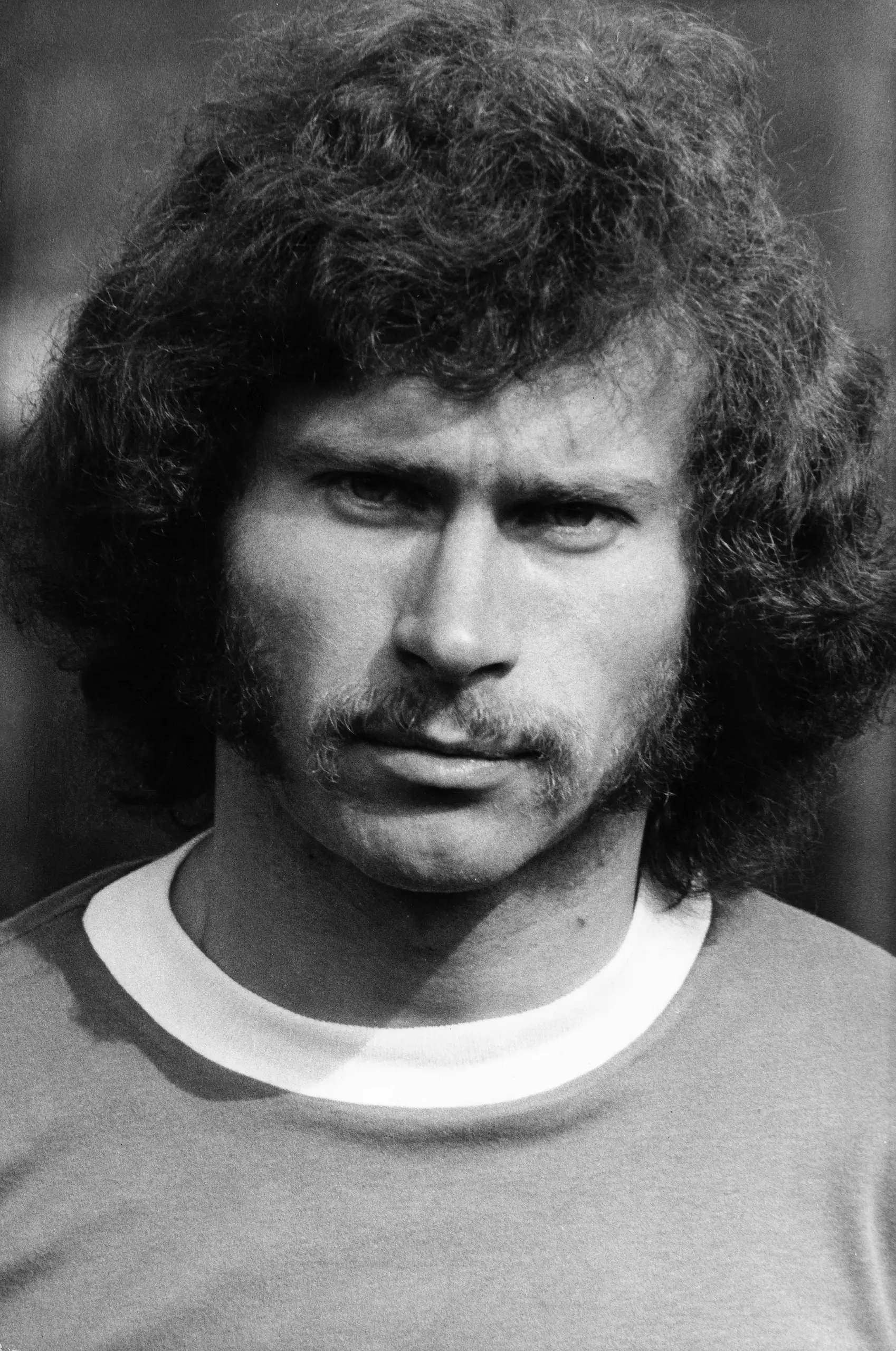
Netzer was one of German football's first true superstars, known for his distinctive long blonde hair, confident demeanor, and a perceived rebel personality. His playboy lifestyle and good looks made him a media darling, but it was his exceptional passing range and ability to control the tempo of a game that earned him lasting respect. Fans and pundits alike remember him as a charismatic, sometimes contradictory figure, capable of both brilliance and unpredictability. In later years, he became known for his eloquence as a pundit, often pairing with Gerhard Delling on ARD, where their chemistry became as famous as his on-field exploits.
Fame & Fandom (iFAMOUS Rankings)
Günter Netzer commands a legacy of profound historical resonance rather than contemporary viral dominance, standing as the archetype of the German football superstar who defined an era. While his playing days in the 1960s and 1970s generated massive global attention that rivaled modern icons, iFANN's Global Fame Engine has evaluated this person, but they do not currently hold a placement in the published rankings (Global Top 1,000 or a Top-100 scope list). Consequently, no specific numeric rank or score is assigned to him in the current global landscape. His enduring influence is felt primarily through historical reverence among football historians and older generations of German supporters rather than active, mobilized fan clubs. There is no formal name documented for his fanbase, reflecting the status of a retired icon whose legend is maintained through cultural memory rather than organized digital campaigns. The audience for Netzer consists largely of those who revere his role in establishing the Bundesliga's popularity and his pioneering success in Spain. Unlike modern superstars who generate specific unofficial names for their supporters, Netzer's followers are united by a shared appreciation for his elegance and rebellious nature. He remains a figure of mythic proportions in German sports history, celebrated for breaking barriers without the need for a structured fandom identity.
Interesting Facts and Legends
Netzer's nickname "Karajan" references the conductor Herbert von Karajan, reflecting his charismatic and sometimes contradictory persona. He was known for his long, flowing blond hair, which made him a pop star-like figure in 1970s Germany. He once ran a boutique in Mönchengladbach with teammate Herbert Laumen. After retiring, he worked as a co-presenter for the RTL sports program "Anpfiff" and later became involved in media and sports marketing, eventually joining the management team for Infront. A widely retold story highlights his near-transfer to Bayern Munich, a club that remains his rival, underscoring his reputation as a rebellious loner who defied conventional expectations. This narrative reinforces his image as a figure who refused to be tamed by traditional discipline. Fans also mythologize his pivotal role in West Germany's victory at Euro 1972, where he was instrumental alongside Franz Beckenbauer in their tactical success. Another legendary aspect involves his move to Real Madrid in 1973, becoming one of the first German superstars to play in La Liga, where he played 100 games and scored 13 goals. These stories focus on his refusal to be confined by norms and his success in both Germany and Spain, which broke barriers for German players abroad.
Notable Quotes
“I'll go and play now.”
“Football is a game of mistakes. The team that makes fewer mistakes wins.”
“I was always a player who wanted to decide matches.”
Family & Personal Life
Netzer is married to Elvira Lang, and they have one daughter, Alana Netzer. The couple has kept their private life largely out of the spotlight, though they have been seen together at football events and public appearances. Netzer's father ran a grocery store in Mönchengladbach, where he grew up with his family. He has spoken fondly of his upbringing, crediting his parents with instilling a strong work ethic.
Notable Connections
Netzer's long-standing partnership with Gerhard Delling as co-analysts on ARD became a beloved fixture of German television. On the pitch, he played alongside Berti Vogts, Herbert Laumen, and Jupp Heynckes at Borussia Mönchengladbach, and with Camacho, Breitner, Del Bosque, Amancio, and Santillana at Real Madrid. His rivalry with Franz Beckenbauer defined an era of German football.
Relationships & Dating History
Netzer has been married to Elvira Lang for several decades. The couple has one daughter, Alana. Their relationship has been notably stable and private, with Elvira rarely appearing in the public eye. Before his marriage, Netzer was known for a playboy lifestyle, but he settled down in the 1970s. As of 2026, he remains married to Elvira.
- MarriedElvira Lang1970 - presentCurrentLong-term marriage, one daughter together.
Salary, Net Worth In 2026
$10 Million
iFANN Editorial Team estimate
Per iFANN's editorial analysis, Günter Netzer's net worth is estimated at $10 million as of 2026. His wealth stems from his playing career, executive roles, and media work. During his playing days, he earned modest salaries by today's standards, but his move to Real Madrid in 1973 came with a significant transfer fee and lucrative contract. As general manager of Hamburger SV, he was among the best-paid executives in German football. In retirement, Netzer has remained active as a pundit and brand ambassador, earning fees for appearances and commentary. He has also been involved in sports marketing through his association with Infront. His net worth has grown steadily over the years, reflecting his enduring relevance in the sport.
Awards Won (2)
Günter Netzer won the German Footballer of the Year award twice, in 1972 and 1973. He also received a national media prize for language in 2008, shared with Gerhard Delling. His playing career was decorated with league titles and international trophies, though individual awards were less common in his era.
1973 · Player of the Year
Borussia Mönchengladbach
1972 · Player of the Year
Borussia Mönchengladbach
Known For
Borussia Mönchengladbach
1963-1973 · Midfielder
Real Madrid
1973-1976 · Midfielder
West Germany national team
1965-1975 · Midfielder
Hamburger SV
1978-1986 · General Manager
Keywords
Sources
Quick Facts
- Profession
- Former professional footballer, executive, pundit
- Born
- September 14, 1944
- Birthplace
- Mönchengladbach, Germany
- Gender
- Male
- Birth Sign
- Virgo
- Height
- 5 ft 10 in (1.78 m)
- Spouse
- Elvira Lang
- Children
- Alana Netzer
Personal Details
- Full Name
- Günter Theodor Netzer
- Height
- 5 ft 10 in (1.78 m)
- Spouse
- Elvira Lang
- Children
- Alana Netzer
Frequently Asked Questions
Who is Günter Netzer?
What is Günter Netzer's net worth in 2026?
Is Günter Netzer still active in football?
What are Günter Netzer's major career achievements?
Is Günter Netzer married?
Join the community
fans discussing