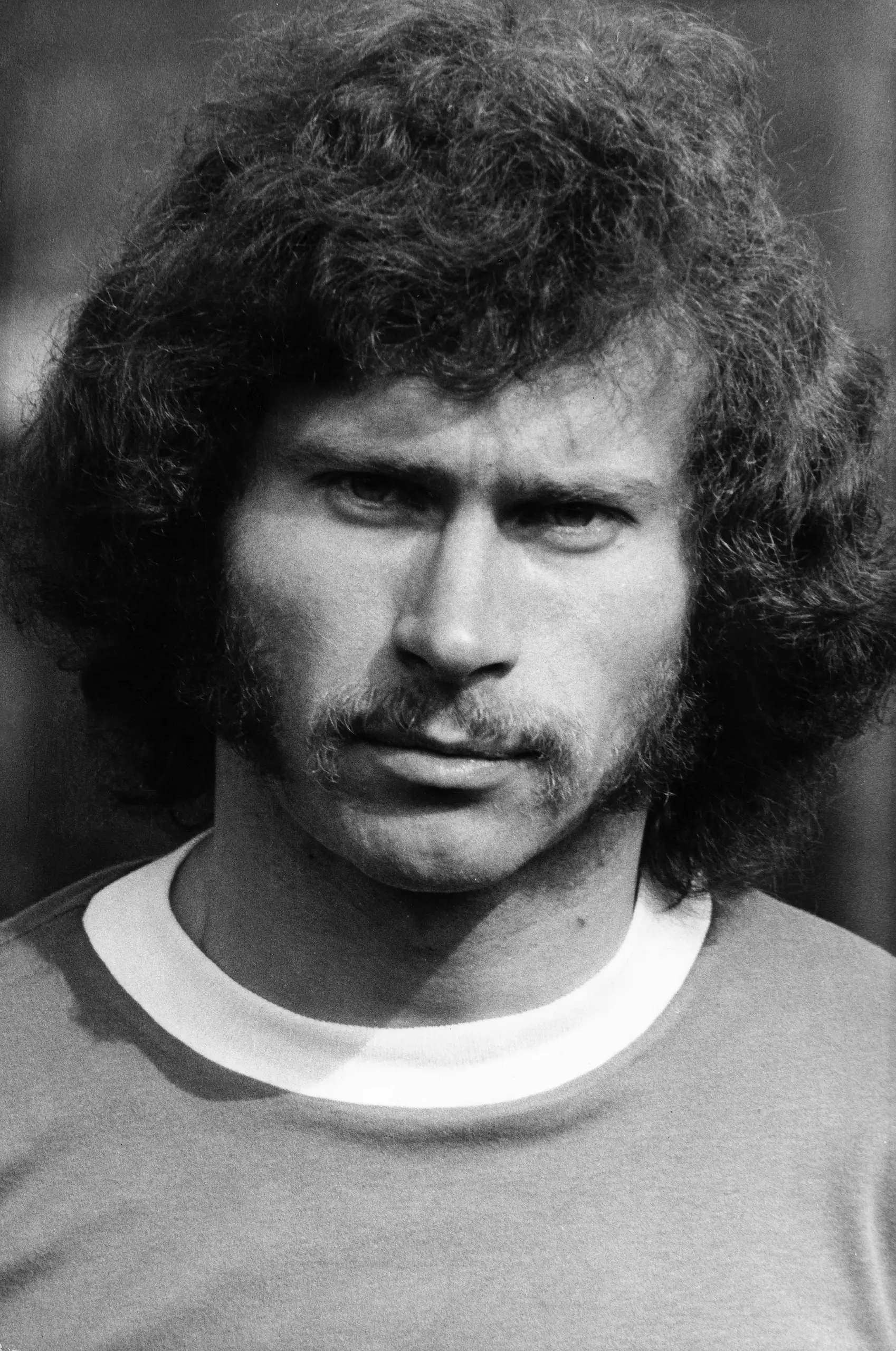
Paul Breitner
 Germany
association football player•actor
Also known as: Der Afro, Paul Breitner
Birthday
September 5, 1951
Birth Sign
Virgo
Birthplace
Kolbermoor, Bavaria, West Germany
Age
75 years old
Height
5 ft 10 in (1.78 m)
About
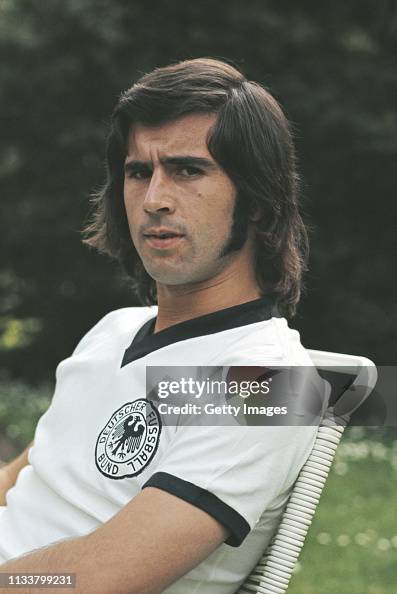
Paul Breitner is a German former professional footballer widely regarded as one of the greatest defenders and midfielders of all time. Standing at 1.78 meters, he possessed a unique versatility that allowed him to excel as both a left-back and a central midfielder. His playing style was characterized by powerful shooting, sharp tackling, and an exceptional ability to read the game, bridging the gap between defense and attack with strategic vision. Breitner earned the nickname "Der Afro" due to his distinctive curly hair.
He remains a respected voice in German football commentary and serves as an advisor to Bayern Munich's management board. In 2004, he was named one of the Top 125 greatest living footballers as part of FIFA's 100th anniversary celebration. His legacy extends beyond trophies; he redefined the roles of full-back and midfielder while maintaining a radical public persona throughout his career.
Early Life & Background
Born on September 5, 1951, in Kolbermoor, a small town near Rosenheim in Bavaria, Paul Breitner grew up in a working-class household where his father worked as a railway employee. He developed his football skills locally before joining the youth system at FC Bayern Munich in 1964. Unlike many contemporaries who followed a rigid path, Breitner's early years were marked by a rebellious streak and a strong political consciousness. He attended school in Munich but often clashed with authority figures, a trait that would define his public persona later.
His first steps toward a professional career involved breaking into the Bayern Munich senior team in 1970, just as the club was transitioning from the dominance of the Franz Beckenbauer era to a new generation of talent. During this period, he began to cultivate a reputation not just for his athletic ability but for his willingness to challenge the establishment. This rebellious nature set the stage for his future role as a leader among players seeking more autonomy from club management.
Career Growth
Breitner's professional career began in earnest in 1970 with Bayern Munich. His breakthrough came quickly; by 1972, he was a key figure in the squad that won the Bundesliga, DFB-Pokal, and European Cup. A pivotal moment in his career occurred in 1974 when he scored the winning goal for West Germany in the FIFA World Cup final against the Netherlands, securing the nation's second World Cup title. That same year, he moved to Real Madrid, becoming one of the first major German stars to play in Spain, a move that challenged the traditional loyalty expected of players at the time.
At Real Madrid, Breitner continued his success, winning the La Liga title in 1975 and the UEFA Cup Winners' Cup in 1976. However, his most enduring legacy lies in his return to Bayern Munich in 1978. There, he formed a formidable midfield partnership with Karl-Heinz Rummenigge, helping the club dominate German football and win three consecutive European Cups from 1974 to 1976. He played a total of 48 caps for West Germany, scoring two goals in World Cup finals (1974 and 1982), making him one of only five players in history to score in two different World Cup finals.
His playing career concluded in 1983 after a stint with Bayer Uerdingen, where he helped the club reach the DFB-Pokal final. Throughout his career, he was known not just for his skill but for his political activism and willingness to challenge the establishment, including the "Rebel United" era at Bayern where players sought more autonomy from management.
Career Timeline
Public Image & Style
Breitner is portrayed as a revolutionary figure, a man who stood up for his beliefs and challenged the norms of his time. His image is that of a "firebrand" and an "uncompromising rebel." He is respected for his intelligence on and off the pitch, and his legacy is one of courage and authenticity. Known for his confident, sometimes confrontational demeanor and signature curly hair, he cultivated an aura of independence that distinguished him from his peers.
Fame & Fandom (iFAMOUS Rankings)
Paul Breitner commands a global audience that spans generations, revered not for fleeting viral moments but for a career that fundamentally reshaped the cultural landscape of German football. His name carries weight in boardrooms and living rooms alike, a figure whose influence stretches from the tactical revolutions of the 1970s to modern commentary desks. Despite this enduring stature, iFANN's Global Fame Engine has evaluated this person, but they do not currently hold a placement in the published rankings (Global Top 1,000 or a Top-100 scope list). This absence of a current numeric rank does not diminish his historical impact; rather, it reflects a status where fame exists beyond the mechanics of daily trending lists.
The fanbase has no formal name. Unlike contemporary stars who rally behind specific branded groups, Breitner is supported by a diffuse community of enthusiasts who revere him as a collective symbol of German football history. They celebrate his legacy through documentaries and retrospectives rather than organized campaigns or named clubs. His interaction with supporters remains defined by his role as a Hall of Fame member and occasional commentator, maintaining a distance that preserves his mythos while allowing his achievements to speak for themselves.
Interesting Facts and Legends
Breitner was a vocal critic of the Nazi regime and the establishment in Germany, often expressing leftist views that were controversial at the time. He was one of the few players to wear the number 10 shirt for Bayern Munich, a number traditionally reserved for playmakers. His famous quote, "I am a communist," caused a stir in the 1970s and led to some controversy within the German football establishment. He was the first German player to win the European Cup with two different clubs (Bayern Munich and Real Madrid). The cultural mythology surrounding Breitner focuses heavily on his political activism, with stories fans tell newcomers highlighting his strategic vision and unique position as a player who achieved success at two of Europe's biggest clubs while maintaining a radical public persona.
Notable Quotes
“I am a communist.”
“Real Madrid is the most respected European team in Germany.”
“We will dedicate our seventh goal to our wives.”
Family & Personal Life
Paul Breitner has maintained a relatively private personal life compared to his public career. He was married to Christa Breitner, a former model, and they had two children: a son named Michael and a daughter named Sarah. The couple divorced in the late 1980s or early 1990s, though specific dates are not widely publicized. Following his divorce, Breitner did not remarry publicly, and there are no credible reports of long-term romantic relationships post-divorce. As of 2026, he is considered single. He resides in Munich and occasionally makes appearances at football events.
Notable Connections
Relationships & Dating History
Paul Breitner has maintained a relatively private personal life compared to his public career. He was married to Christa Breitner, a former model, and they had two children: a son named Michael and a daughter named Sarah. The couple divorced in the late 1980s or early 1990s, though specific dates are not widely publicized. Following his divorce, Breitner did not remarry publicly, and there are no credible reports of long-term romantic relationships post-divorce. As of 2026, he is considered single. He has been open about his past relationships in interviews but has kept details of any potential flings out of the spotlight. His current status is that of a single man residing in Munich.
- MarriedChrista Breitner1975 - 1990Former model; divorced in the late 1980s or early 1990s; two children together.
Salary, Net Worth In 2026
$20 Million
iFANN Editorial Team estimate
iFANN Editorial Team research places Paul Breitner's net worth at approximately $20 million as of 2026. His wealth stems from a successful football career that included high salaries and bonuses, post-retirement roles as a commentator and pundit for German television, and his position as an advisor to Bayern Munich's board.
Additional income comes from various business investments and substantial fees from speaking engagements and corporate appearances. Breitner's diverse revenue streams have ensured financial stability well into his retirement, reflecting the value placed on his expertise and public profile in the German sports industry.
Awards Won (10)
Breitner's trophy cabinet is extensive, reflecting his status as a legend. He won the FIFA World Cup in 1974, the European Cup three times (1974, 1975, 1976), and La Liga in 1975. Individually, he was named in the FIFA World Cup All-Time Team and selected as one of the Top 125 greatest living footballers in 2004. He received the Federal Cross of Merit for his contributions to sports and society.
1974 · Tournament Winner
West Germany
1976 · Club Competition
Bayern Munich
1975 · Club Competition
Bayern Munich
1974 · Club Competition
Bayern Munich
Known For
FC Bayern Munich
1970 · Player
Real Madrid
1974 · Player
West Germany National Team
1974 · Player
Keywords
Sources
Quick Facts
- Profession
- association football player, actor
- Born
- September 5, 1951
- Birthplace
- Kolbermoor, Bavaria, West Germany
- Gender
- Male
- Birth Sign
- Virgo
Personal Details
- Full Name
- Paul Breitner
- Height
- 5 ft 10 in (1.78 m)
- Children
- Michael, Sarah
- Education
- Schools in Munich
Filmography
1
Total
0
Film
1
TV
Frequently Asked Questions
How old is Paul Breitner?
Did Paul Breitner score in two World Cup finals?
What clubs did Paul Breitner play for?
Is Paul Breitner still alive?
What is Paul Breitner's net worth?
Similar People
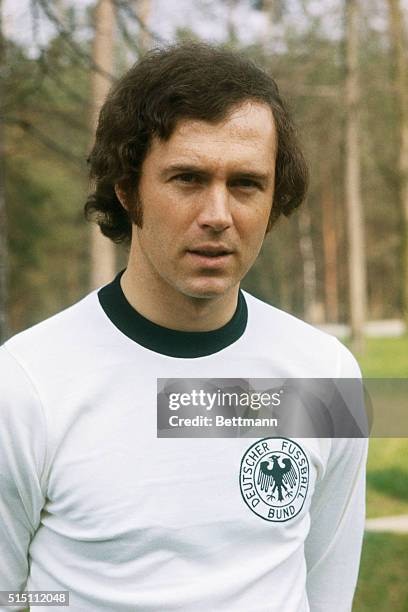
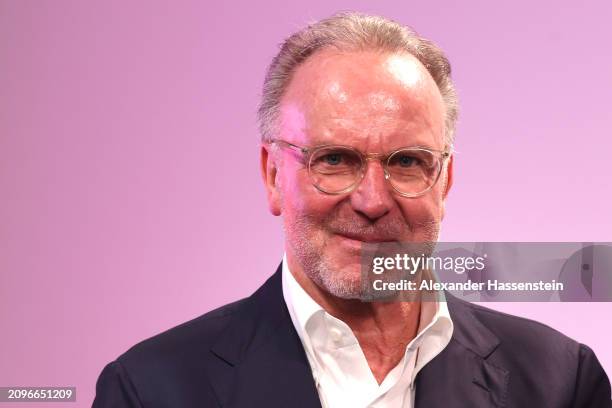
Join the community
fans discussing