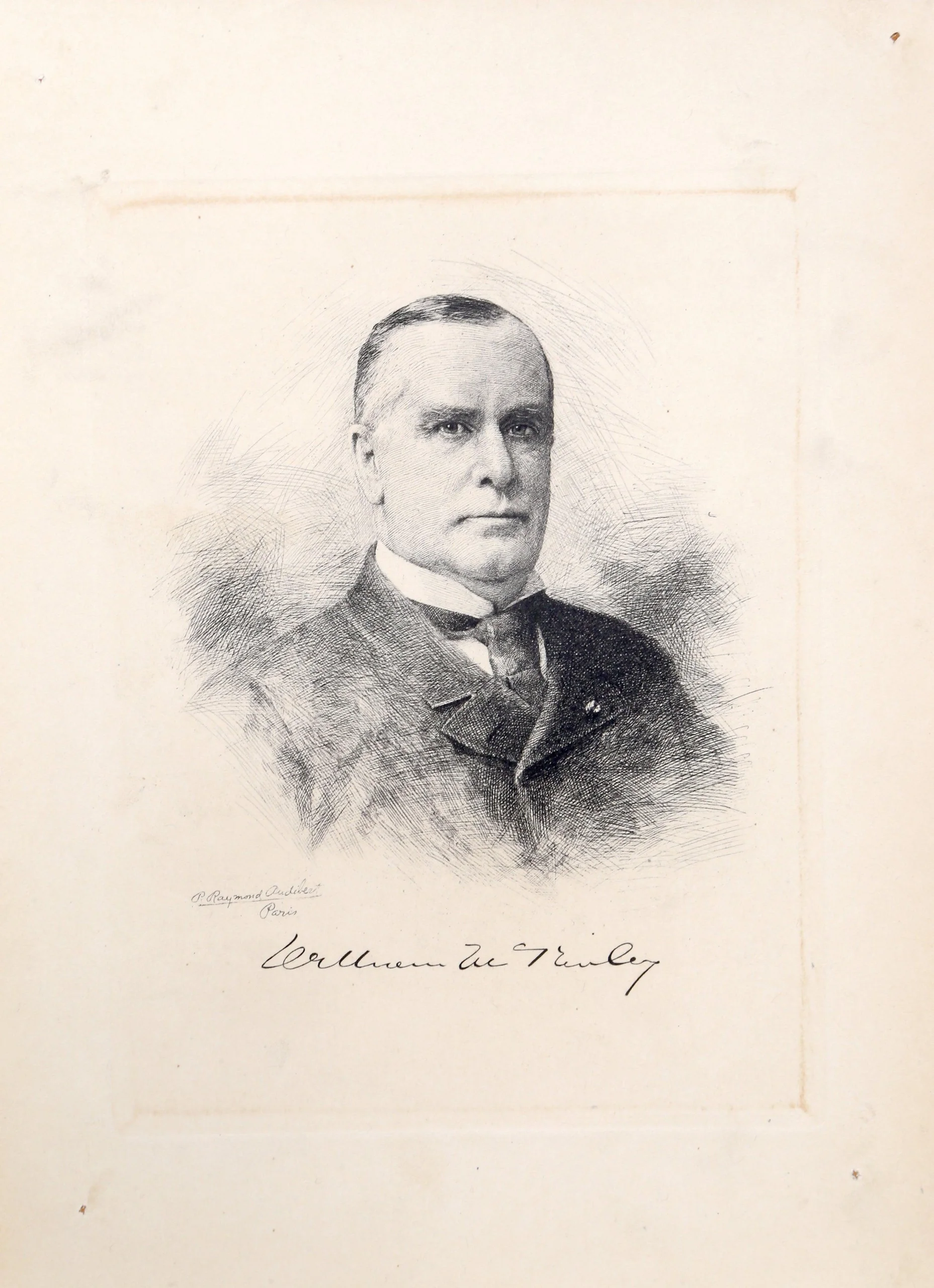
William McKinley
politician•lawyer•statesperson
Also known as: Bill McKinley
Birthday
January 29, 1843
Birth Sign
Sagittarius
Birthplace
Niles, Ohio
Age
Died at 58
Height
5 ft 8 in (173 cm)
About
William McKinley Jr. was the 25th president of the United States, serving from March 1897 until his assassination in September 1901. He holds the distinction of being the last U.S. president to serve as a veteran of the Civil War and the first to lead the nation into the 20th century. His presidency oversaw a period of rapid industrial growth and territorial expansion that established the United States as a global power.
Born in Niles, Ohio, McKinley rose from a modest background to become a prominent lawyer and politician. He built a reputation as a staunch defender of protective tariffs before winning the governorship of Ohio. His election campaign in 1896 is famous for its "front porch" strategy, where he remained in Canton while his team campaigned nationally. He defeated Democrat William Jennings Bryan in a landslide victory.
McKinley's time in the White House was defined by the Spanish-American War of 1898. Following the sinking of the USS Maine, he secured a declaration of war that resulted in the annexation of Puerto Rico, Guam, and the Philippines. He also oversaw the annexation of Hawaii. Despite winning re-election in 1900, his second term ended abruptly when he was shot by an anarchist in Buffalo, New York.
Early Life & Background
William McKinley entered the world on January 29, 1843, in Niles, Ohio, to parents William McKinley Sr. and Nancy Allison. His family had Scottish and English roots and struggled financially after the Panic of 1837. When William was ten years old, the family moved to Poland, Ohio, where he attended local schools. He briefly enrolled at Allegheny College in Pennsylvania but left before graduating due to financial hardship and the outbreak of the Civil War in 1861.
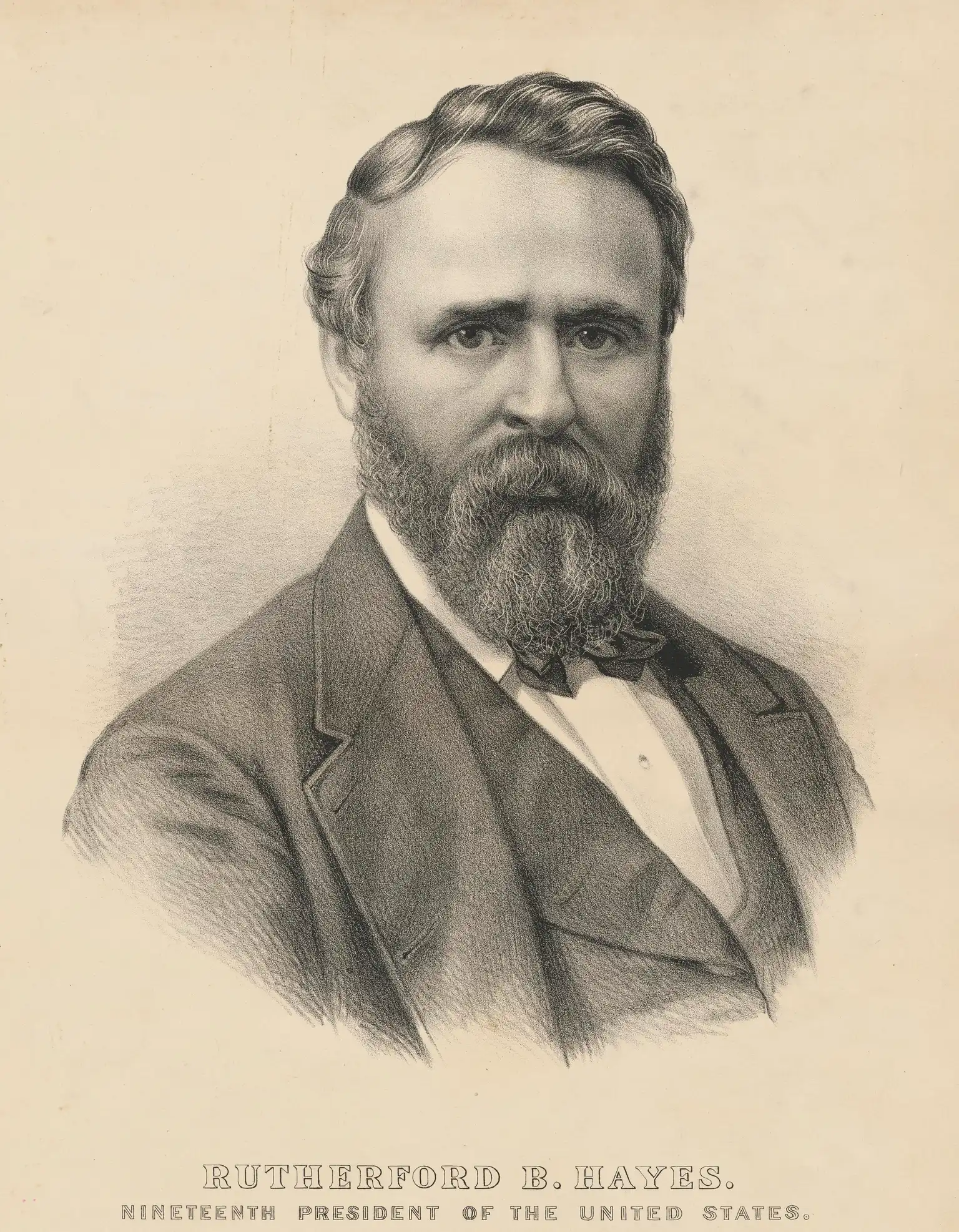
Before enlisting, McKinley worked as a schoolteacher and a clerk in a dry goods store. These early jobs gave him a practical understanding of commerce and education. At age 18, he joined the Union Army as a private in Company G of the 23rd Ohio Infantry. His service was far from typical; he distinguished himself through bravery and competence, rising rapidly through the ranks. He served as an aide-de-camp to General Rutherford B. Hayes and fought in major battles including Antietam and Chancellorsville.
By the end of the war, McKinley had achieved the rank of brevet major, making him one of the few officers to start as an enlisted man and finish with a high commission. This military record earned him respect among peers and laid the foundation for his future political career. After the war, he moved to Canton, Ohio, to read law under Judge George H. Bell. He passed the bar exam in 1867 and established a successful legal practice specializing in railroad litigation, setting the stage for his entry into public office.
Career Growth
McKinley's political ascent began in 1876 when he was elected to the U.S. House of Representatives representing Ohio's 17th district. He quickly became the Republican Party's leading voice on protective tariffs, arguing that high duties were essential for American industrial growth. His advocacy led to the passage of the McKinley Tariff of 1890, which raised import duties significantly. However, the tariff's unpopularity cost him his seat in 1890 when Democrats gerrymandered his district out of existence.
Undeterred, McKinley ran for Governor of Ohio and won two terms from 1892 to 1896. He balanced the interests of labor and capital effectively, positioning himself as a national figure. In 1896, he secured the Republican presidential nomination. His campaign emphasized "sound money" backed by gold and high tariffs. He defeated William Jennings Bryan in a landslide victory, becoming the 25th president.
As president, McKinley signed the Dingley Tariff of 1897 to further protect manufacturers. His administration is most noted for the Spanish-American War of 1898. Following the sinking of the USS Maine, he asked Congress for a declaration of war. The swift victory resulted in the annexation of Puerto Rico, Guam, and the Philippines, and the securing of Cuba until 1902. He also oversaw the annexation of Hawaii in 1898. He won re-election in 1900 against Bryan, defeating him again. His presidency transformed the nation's global footprint before his tragic death in 1901.
Career Timeline
Public Image & Style
McKinley is portrayed as a dignified, conservative, and compassionate leader. He is often depicted in formal attire, with a stern but kind expression. Media portrayals emphasize his role as a unifier during a time of economic depression and his decisive leadership during wartime. His "front porch" campaign style created an image of accessibility and stability. Historians often describe him as a man of integrity who navigated complex political waters with careful deliberation.
Fame & Fandom (iFAMOUS Rankings)
iFANN has not yet collected fame data for William McKinley. As a historical figure from the late 19th century, he does not appear in modern celebrity rankings or search trend databases. There is no organized fandom for William McKinley in the modern pop culture sense. However, historical enthusiasts, students, and members of organizations like the Daughters of the American Revolution (DAR) or the Sons of Union Veterans of the Civil War actively study and preserve his legacy. Fan-driven projects include historical reenactments, museum exhibitions, and educational campaigns about his presidency.
Interesting Facts and Legends
McKinley was the only U.S. president to be born in a log cabin? No, this is a common misconception; he was actually born in a brick house in Niles, Ohio. He was the first president to have a telephone installed in the White House, though it was initially used primarily for business purposes rather than personal calls. McKinley was a skilled boxer and wrestler in his youth, a fact often overlooked given his later dignified image. He was the last president to wear a beard, growing a full facial hair style during his presidency. Additionally, he was the first president to travel extensively by automobile during his campaigns, although he mostly rode trains for long distances.
Notable Quotes
“We do not seek territorial aggrandizement, but we are ready to accept any responsibility that may be imposed upon us by the conditions of the world.”
“The tariff question is the great issue of the day.”
“I am not afraid of the future, for I know that God will guide us.”
Family & Personal Life
William McKinley was married only once to Ida Saxton McKinley. They met in Canton, Ohio, in 1869 while she was working as a teacher and he was practicing law. They were married on February 21, 1871. Ida suffered from severe epilepsy and chronic health issues throughout their marriage, which deeply affected their personal life. She often required care and was frequently absent from public duties, though she remained a supportive presence behind the scenes. There are no records of other romantic relationships or affairs; McKinley was known for his devotion to his wife. They had no children together. Ida died on October 28, 1907, six years after her husband's death.
Notable Connections
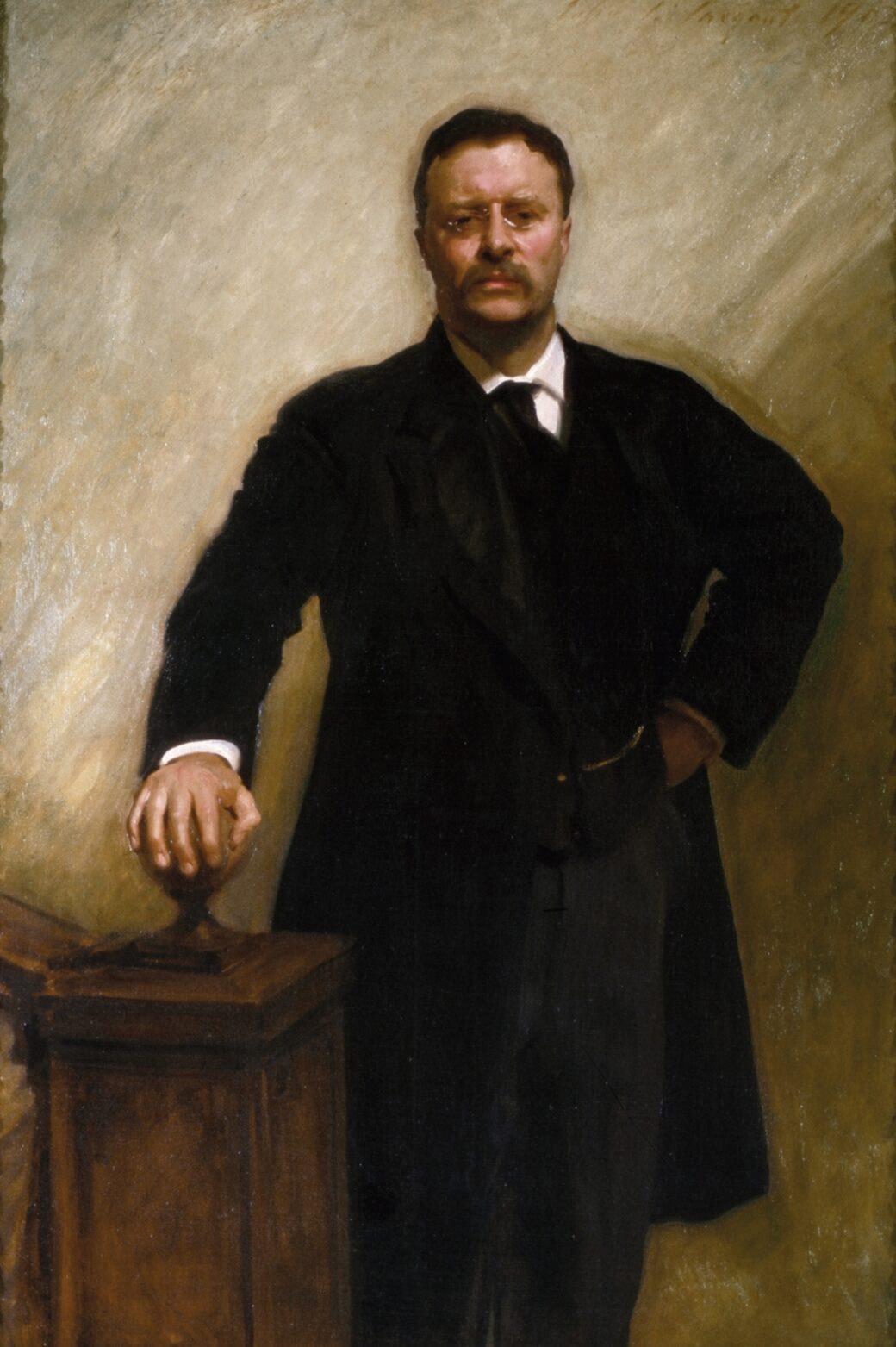
Ida Saxton McKinley, Rutherford B. Hayes, William Jennings Bryan, Leon Czolgosz, Theodore Roosevelt.
Relationships & Dating History
William McKinley was married only once. His spouse was Ida Saxton McKinley (née Ida Halsey Saxton). They met in Canton, Ohio, in 1869, while she was working as a teacher and he was practicing law. They were married on February 21, 1871. Ida suffered from severe epilepsy and chronic health issues, which deeply affected their personal life. She often required care and was frequently absent from public duties, though she remained a supportive presence behind the scenes. There are no records of other romantic relationships or affairs; McKinley was known for his devotion to his wife. They had no children together. Ida died on October 28, 1907, six years after her husband's death.
- MarriedIda Saxton McKinley1871 - 1901Married until his death; she died in 1907.
Death & Aftermath
Died
September 14, 1901 (aged 58)
Death Place
Buffalo, New York
Cause of Death
Gangrene from gunshot wounds
On September 6, 1901, the peace of the Pan-American Exposition in Buffalo was shattered when Leon Czolgosz, an anarchist with a concealed pistol, approached President William McKinley during a morning reception line. Two shots rang out at close range; one grazed McKinley's shoulder while the other penetrated his abdomen, lodging near his pancreas and stomach. Doctors initially believed the wound was superficial, and the president spent several days recovering enough to hold brief meetings. By September 12, however, gangrene began spreading around the bullet track, and McKinley slipped into a coma. He died at 2:15 AM on September 14, 1901, eight days after the shooting, inside the Dewey Cottage on the exposition grounds.
Czolgosz was arrested within minutes, confessed immediately, and was tried by a state court. The trial moved quickly, resulting in a conviction and a sentence of death by electric chair, which was carried out on October 29, 1901. The nation reacted with stunned silence and deep grief. Tributes poured in from government officials, foreign dignitaries, and ordinary citizens who viewed McKinley as a benevolent father figure. A massive funeral train transported his body from Buffalo to Canton, Ohio, drawing millions of mourners along the route. He was buried in West Lawn Cemetery, where a grand monument now stands.
His widow, Ida Saxton McKinley, retreated from public life entirely following his death. She lived in seclusion for six years until her own passing in 1907. No estate disputes or modern commercial ventures emerged from his legacy, as his value remained strictly historical and political. His assassination marked a turning point in American history, ending the Gilded Age and accelerating the rise of the Progressive Era through increased security protocols for presidents and heightened vigilance against radical threats.
Net Worth (Estate Value)
$0
iFANN Editorial Team estimate
William McKinley died in 1901, so there is no current net worth or estate value in the modern sense. During his lifetime, his salary as President was $50,000 per year, a substantial sum at the time, plus allowances. He owned a home in Canton and some real estate, but specific figures on his total assets at death are not well-documented in modern financial databases. His estate was managed by his wife, Ida, who lived until 1907. Any remaining assets were likely absorbed into the family estate or donated to charitable causes associated with the McKinley family. There are no ongoing commercial ventures or IP rights generating revenue from his estate today, unlike modern celebrities.
Awards & Accolades
View 6 records, honours and achievementsKnown For
25th President of the United States
1897 · President
Spanish-American War
1898 · Commander-in-Chief
Keywords
Sources
Quick Facts
- Profession
- politician, lawyer, statesperson
- Born
- January 29, 1843
- Birthplace
- Niles, Ohio
- Died
- September 14, 1901
- Death Place
- Buffalo, New York
- Gender
- Male
- Spouse
- Ida Saxton McKinley
- Birth Sign
- Sagittarius
Personal Details
- Full Name
- William McKinley Jr.
- Height
- 5 ft 8 in (173 cm)
- Spouse
- Ida Saxton McKinley
- Children
- Education
- Allegheny College (attended briefly), Local schools in Poland, Ohio
Frequently Asked Questions
Who was William McKinley?
How did William McKinley die?
What was William McKinley's biggest achievement?
Was William McKinley married?
What was William McKinley's stance on tariffs?
Social Media
Join the community
fans discussing