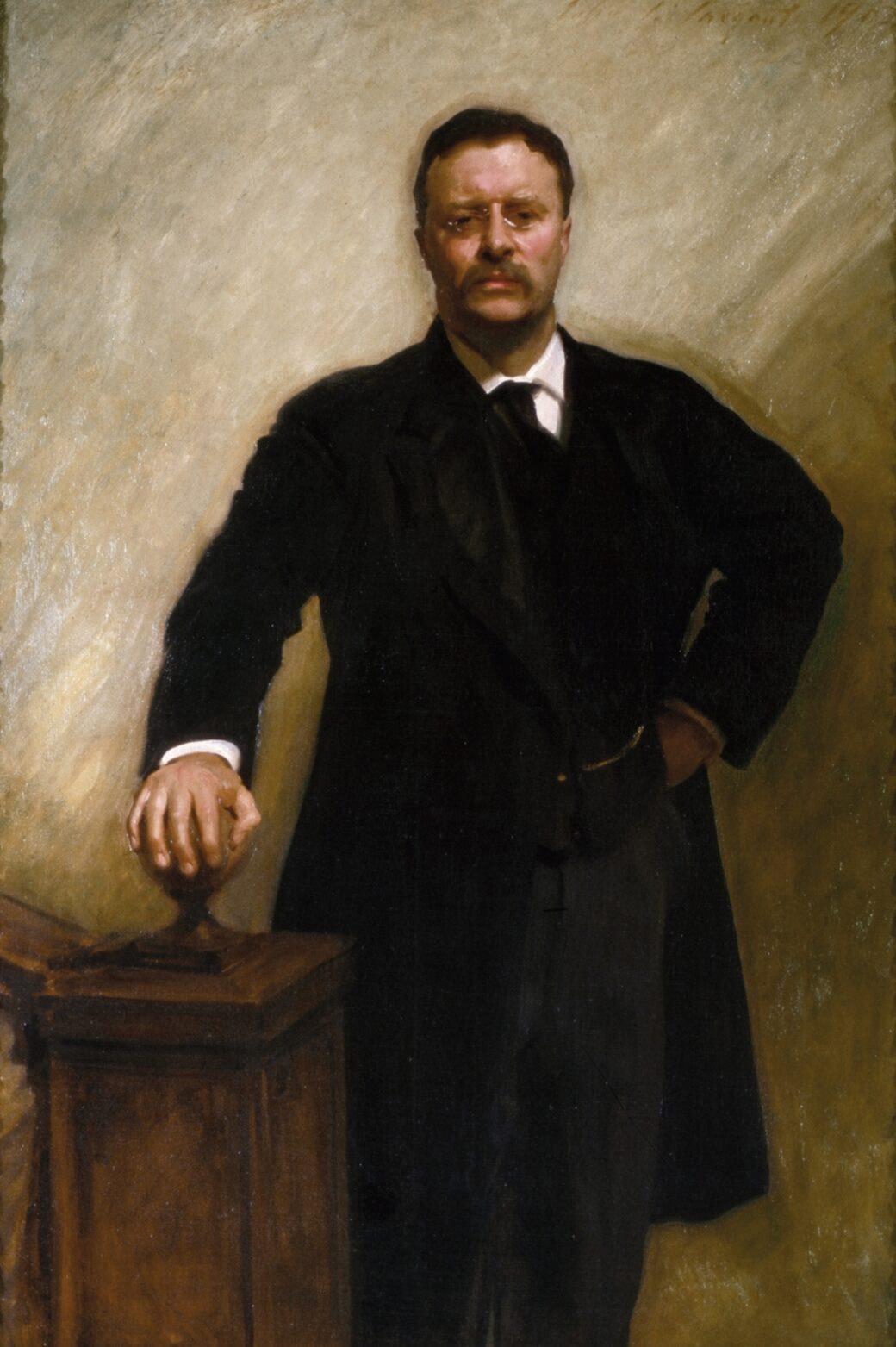
Theodore Roosevelt
 United States
Also known as: Teddy Roosevelt, TR, The Trust Buster, The Rough Rider, Teedie
Birthday
October 27, 1858
Birth Sign
Scorpio
Birthplace
New York City, New York, USA
Age
Died at 60
Height
5 ft 10 in (178 cm)
About
Theodore Roosevelt was an American statesman, conservationist, naturalist, and writer. He served as the 26th president of the United States and remains one of the most recognizable and influential figures in American history. Roosevelt is famous for his energetic persona, his role in the conservation movement, and his progressive policies that reshaped the presidency. He is credited with busting trusts, regulating railroads, championing consumer protections, and enshrining conservation as a national priority, actions that earned him the Nobel Peace Prize for mediating the Russo-Japanese War. He also oversaw the start of the Panama Canal and sent the Great White Fleet around the world. His presidency, which began in 1901 making him the youngest president in history, remade the office and continues to inspire admiration for his bold leadership and commitment to public service. Fans today often relate to his adventurous spirit and his dedication to facing challenges head-on.
Early Life & Background
Theodore Roosevelt Jr. was born in New York City, New York, USA, on October 27, 1858 . As a child, known to his family as Teedie , his early years were marked by significant health challenges; he spent much of his childhood indoors , struggling with severe asthma and nearsightedness . Despite his frail health, which he would later overcome through fierce determination , Roosevelt developed a keen intellect and a voracious appetite for knowledge. To escape the confines of his sickbed, he devoured books on natural history and adventure . This passion manifested early: at age seven, he founded the Roosevelt Museum of Natural History in his family's parlor, charging one cent admission to view his collection of mouse skins, bird specimens, and a seal skull . Recognizing his son's intellectual gifts but concerned about his physical weakness, his father, Theodore Roosevelt Sr., famously told him, "You have the mind but not the body," and installed a gymnasium in their home . Through rigorous boxing, weightlifting, and gymnastics, Roosevelt gradually built a robust physique , cultivating both his body and mind with equal vigor .
Homeschooled by private tutors , Roosevelt entered Harvard College in 1876 . During his undergraduate years, he distinguished himself academically and socially, joining the prestigious Porcellian Club and earning induction into Phi Beta Kappa . He graduated magna cum laude in 1880 , earning his degree from Harvard . Though he briefly attended Columbia Law School , he found the curriculum tedious and soon left to pursue his burgeoning interests in writing and public service . It was during this period that he began to write respected history books , laying the groundwork for a career that would blend scholarship with activism. At the age of 23, Roosevelt made his formal entry into politics, winning a seat in the New York State Assembly . He quickly established himself as a formidable presence, fearlessly exposing corruption and making enemies in the process , thereby beginning his career in public life as a dedicated reformer .
Career Growth
Roosevelt's political career took off after his 1898 charge up San Juan Hill with the Rough Riders. He returned a war hero and was elected governor of New York later that year. As governor, he pushed through progressive reforms that alarmed party bosses, who maneuvered him into the vice presidency in 1900. McKinley's assassination six months into their term made Roosevelt president. He launched the Square Deal, aggressively using the Sherman Anti-Trust Act to break up monopolies like Northern Securities. In 1902, he invited Booker T. Washington to the White House, the first African American to dine there. The same year, he threatened to seize coal mines to force owners to negotiate with striking miners. He established the U.S. Forest Service and protected 230 million acres of public land. In 1906, he won the Nobel Peace Prize for brokering the end of the Russo-Japanese War. He oversaw the construction of the Panama Canal, which opened in 1914. After leaving office in 1909, he grew frustrated with his successor Taft and formed the Bull Moose Party in 1912. While campaigning, he was shot in the chest by John Schrank but delivered a 90-minute speech before going to the hospital. He lost the election but split the Republican vote. In 1913, he led a dangerous expedition down Brazil's River of Doubt, nearly dying from infection and malaria.
Career Timeline
Public Image & Style
Roosevelt's public persona was larger than life: the toothy grin, pince-nez glasses, bushy mustache, and boundless energy. He embodied the "strenuous life" philosophy, projecting rugged masculinity through hunting, boxing, and horseback riding. His motto, "Speak softly and carry a big stick," captured his approach to foreign policy. He was a master of the bully pulpit, using the press to shape public opinion. Historians consistently rank him among the top five presidents, praising his progressive reforms and conservation legacy. Fans, who call themselves Rooseveltians, make pilgrimages to Sagamore Hill and Theodore Roosevelt National Park. His face on Mount Rushmore alongside Washington, Jefferson, and Lincoln cements his iconic status in American memory.
Fame & Fandom (iFAMOUS Rankings)
Theodore Roosevelt commands a global attention that spans over a century, maintaining a steady presence in historical consciousness and cultural memory. According to the iFANN Global Fame Rankings, he is currently the 87th most famous person in United States, holding steady from the previous cycle. His influence extends across the continent where he ranks as the 59th most famous person in North America, also holding steady from the previous cycle. Within the specific domain of written history, he stands as the 30th most famous person in Books & Literature, holding steady from the previous cycle. These placements reflect a sustained engagement with his life and works. While no formal fan club or organized fandom exists for this historical figure, his legacy is upheld by historians, educators, and conservationists who engage with his story through academic study and institutional advocacy. Recent developments include federal funding for the Buffalo site and new interactive exhibits at the Theodore Roosevelt Presidential Library, alongside niche performance artists who embody his persona. Unlike modern celebrities, his supporters do not organize streaming parties or subway campaigns; instead, they sustain his reputation through civic institutions and the enduring popularity of his writings.
Interesting Facts and Legends
Roosevelt was the first president to ride in an automobile, an airplane, and a submarine. He became the first sitting president to leave the country during a 1906 visit to Panama. The teddy bear bears his name after he refused to shoot a bear cub tied to a tree on a 1902 hunting trip, an incident immortalized by a political cartoon and subsequent toys made by a Brooklyn manufacturer. He authored 35 books and sent an estimated 150,000 letters, often reading a book daily. A boxing injury at the White House blinded him in his left eye, a condition kept secret from the public. He remains the only president awarded the Medal of Honor, receiving it posthumously in 2001 for his charge during the Spanish-American War. Historical lore frequently cites his ascent to the presidency at age 42 following the assassination of William McKinley, making him the youngest person to hold the office. Another enduring story recounts how he broke his leg while campaigning in Colorado in 1910 yet delivered his speech anyway, a tale often retold to illustrate his resilience. His 1910 safari to Africa, where he traveled with family and scientists to collect specimens for the Smithsonian, generated massive global media coverage and cemented his image as an explorer-hero.
Notable Quotes
“Speak softly and carry a big stick; you will go far.”
“The man who is actually in the arena, whose face is marred by dust and sweat and blood... who at the best knows in the end the triumph of high achievement, and who at the worst, if he fails, at least fails while daring greatly.”
“It takes more than that to kill a Bull Moose.”
“Believe you can and you're halfway there.”
“Far and away the best prize that life has to offer is the chance to work hard at work worth doing.”
Family & Personal Life
Roosevelt was the second of four children born to Theodore Roosevelt Sr., a wealthy glass importer and philanthropist, and Martha Bulloch Roosevelt, a Southern belle from a slave-owning Georgia family. His older sister Anna, called Bamie, was a stabilizing presence. His younger brother Elliott was the father of future First Lady Eleanor Roosevelt. His younger sister Corinne rounded out the household. The Roosevelts were socially prominent in New York City and of Dutch and English descent. Roosevelt married his first wife, Alice Hathaway Lee, in 1880. She gave birth to their daughter Alice on February 12, 1884, and died of Bright's disease two days later. Devastated, Roosevelt left Alice in the care of his sister Bamie and went to the Dakota Territory. In 1886, he married his childhood friend Edith Kermit Carow. Edith raised Alice alongside their five children: Theodore III, Kermit, Ethel, Archibald, and Quentin. The family lived at Sagamore Hill in Oyster Bay, New York, a home Roosevelt called his beloved "summer White House."
Notable Connections
Roosevelt was closely associated with his cousin, Franklin D. Roosevelt, who became the 32nd president and whose wife Eleanor was Theodore's niece. He also worked with John Muir, the naturalist, though they later clashed over conservation policy. His Rough Riders included future political figures like Leonard Wood. He was a friend of the author Owen Wister and the naturalist George Bird Grinnell, with whom he co-founded the Boone and Crockett Club.
Relationships & Dating History
Roosevelt married Alice Hathaway Lee on October 27, 1880, while he was still at Harvard. They had one daughter, Alice, born February 12, 1884. Two days later, Alice died of Bright's disease, and Roosevelt's mother died of typhoid fever on the same day. He was shattered and rarely spoke of his first wife afterward. In 1886, he married his childhood friend Edith Kermit Carow in London. Edith raised his daughter Alice alongside their five children: Theodore III, Kermit, Ethel, Archibald, and Quentin. She served as First Lady during his presidency and remained his partner until his death in 1919. As of 2026, Roosevelt is deceased and predeceased by both wives.
- MarriedAlice Hathaway Lee1880 - 1884Married in 1880; died of Bright's disease two days after giving birth to their daughter Alice.
- MarriedEdith Kermit Carow1886 - 1919Childhood friend; married in London; raised five children together; served as First Lady.
Death & Aftermath
Died
January 6, 1919 (aged 60)
Death Place
Oyster Bay, New York, USA
Cause of Death
Pulmonary embolism from coronary artery disease
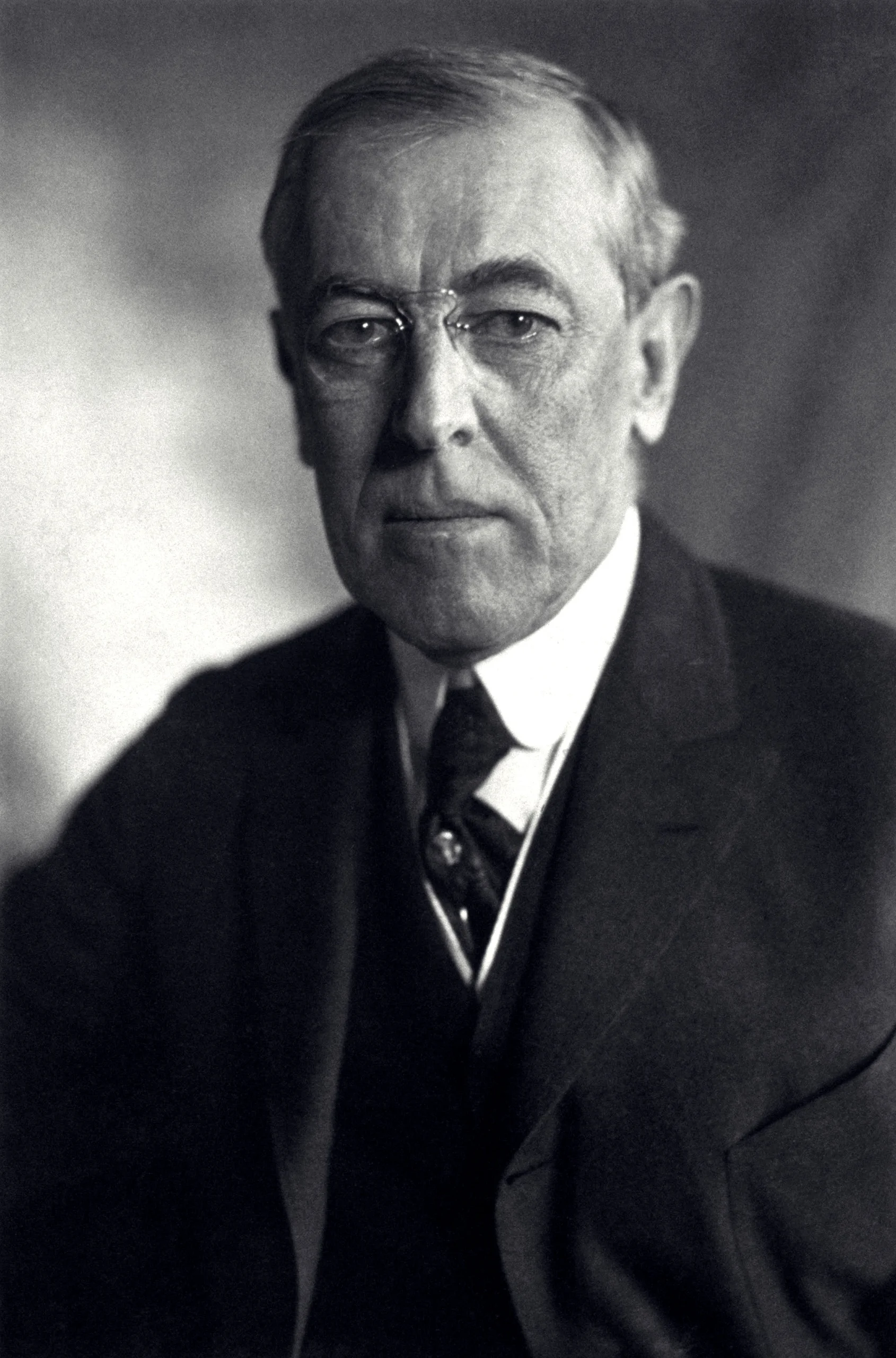
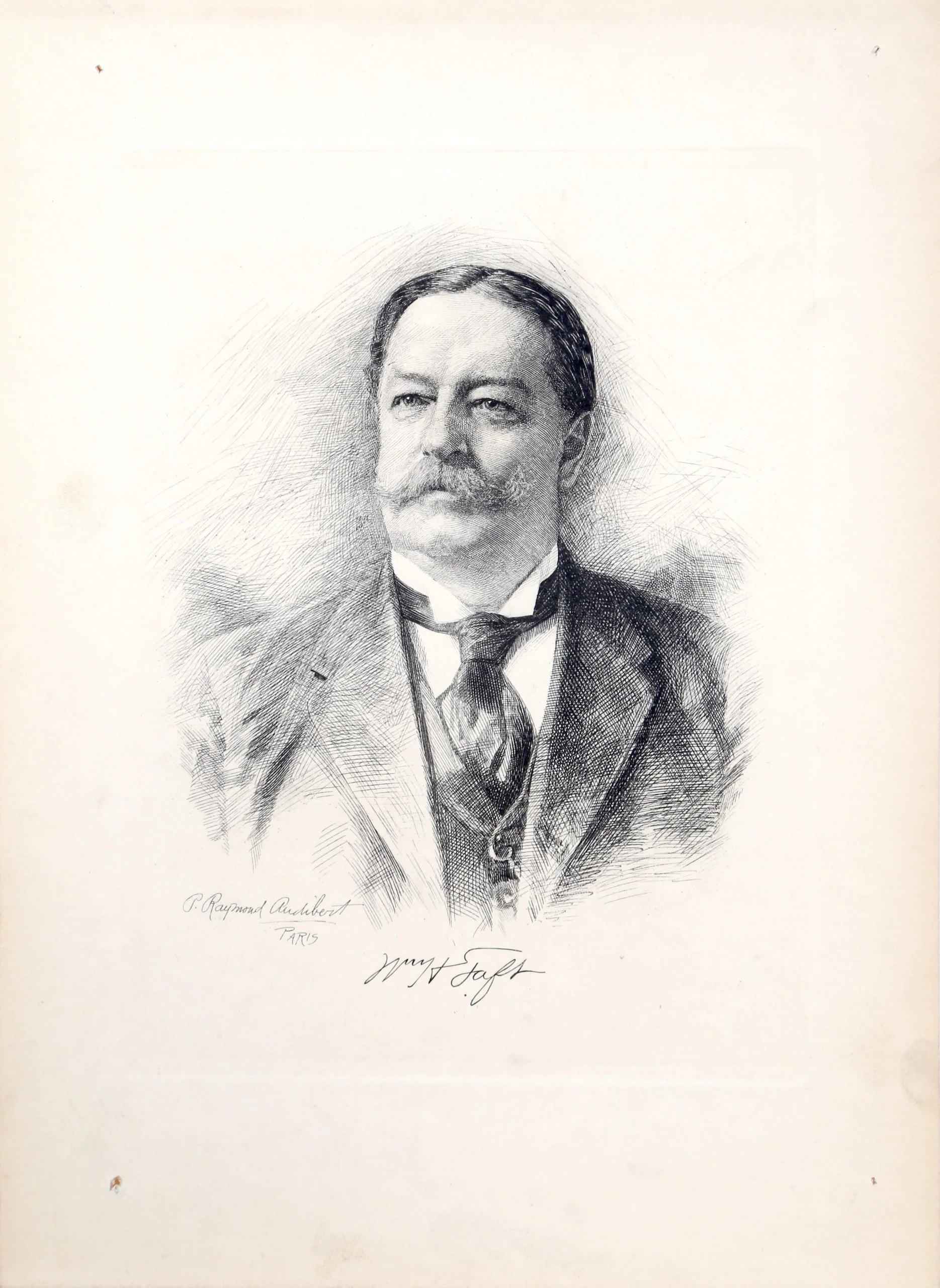
Tributes poured in from political leaders across the globe immediately following the passing of Theodore Roosevelt, with President Woodrow Wilson ordering flags flown at half-staff and declaring a national day of mourning. Prominent figures such as William Howard Taft and former British Prime Minister David Lloyd George issued statements praising his energy and contributions to conservation, while newspapers ran front-page obituaries nationwide and communities held moments of silence. The funeral service held on January 9, 1919, at Sagamore Hill in Oyster Bay drew thousands of mourners outside the estate, where his son Kermit delivered the eulogy before his remains were interred in the family plot at Youngs Memorial Cemetery alongside his wives. Posthumously, his legacy has been preserved through the Theodore Roosevelt Presidential Library in Medora, North Dakota, which opened in 2019, alongside various scholarships and awards bearing his name that continue to define his impact on public service.
Roosevelt passed away on January 6, 1919, at the age of 60 within his home at Sagamore Hill, having experienced chest pain and difficulty breathing earlier that morning before being found unconscious. His final days followed a speech delivered at the Union League Club in New York City on December 15, 1918, regarding the Treaty of Versailles, after which he returned to prepare for a planned expedition to South America despite suffering from chronic heart issues. The official cause of death was established by his personal physician Dr. Joel T. Boone as a pulmonary embolism resulting from severe coronary artery disease, a natural event exacerbated by overexertion and stress.
Net Worth (Estate Value)
$60 Million
iFANN Editorial Team estimate
iFANN currently estimates Theodore Roosevelt's estate value in 2026 at approximately $60 million. He inherited about $125,000 from his father, equivalent to roughly $4 million today. His presidential salary was $50,000 per year, and he earned substantial royalties from his 35 books and countless articles. Roosevelt spent heavily on ranching, expeditions, and his lifestyle, but his literary estate continues to generate income. The Theodore Roosevelt Association manages his legacy, licensing, and historical properties. Sagamore Hill and other sites are maintained by the National Park Service, which draws millions of visitors annually. Posthumous revenue sources include book royalties, documentary licensing, and merchandise.
Awards Won (3)
Roosevelt won the 1906 Nobel Peace Prize for mediating the Russo-Japanese War, the first non-European to receive that honor. He was posthumously awarded the Medal of Honor in 2001 for his actions at San Juan Hill, making him the only U.S. president to receive the nation's highest military decoration. He also received a Congressional Gold Medal in 1990 for his Spanish-American War service.
2001 · Military
Rough Riders charge at San Juan Hill
1990 · Government
Spanish-American War service
Known For
Square Deal domestic program
1901 · President
Panama Canal construction
1904 · President
Rough Riders at San Juan Hill
1898 · Colonel
Nobel Peace Prize (1906)
1906 · President
Conservation of national forests and parks
1905 · President
Keywords
Sources
Quick Facts
- Profession
- explorer, historian, essayist
- Born
- +1858-10-27
- Birthplace
- New York City
- Died
- +1919-01-06
- Death Place
- Sagamore Hill
- Gender
- Male
- Spouse
- Alice Hathaway Lee Roosevelt, Edith Roosevelt
- Birth Sign
- Scorpio
Personal Details
- Full Name
- Theodore Roosevelt Jr.
- Height
- 5 ft 10 in (178 cm)
- Spouse
- Alice Hathaway Lee Roosevelt, Edith Kermit Carow Roosevelt
- Children
- Alice Lee Roosevelt, Theodore Roosevelt III, Kermit Roosevelt, Ethel Carow Roosevelt, Archibald Bulloch Roosevelt, Quentin Roosevelt
- Education
- Harvard College (1880), Columbia Law School (left)
Frequently Asked Questions
How old was Theodore Roosevelt when he died?
What is Theodore Roosevelt's net worth in 2026?
Is Theodore Roosevelt still relevant today?
What is Theodore Roosevelt best known for?
Did Theodore Roosevelt win the Nobel Peace Prize?
Similar People
Join the community
fans discussing