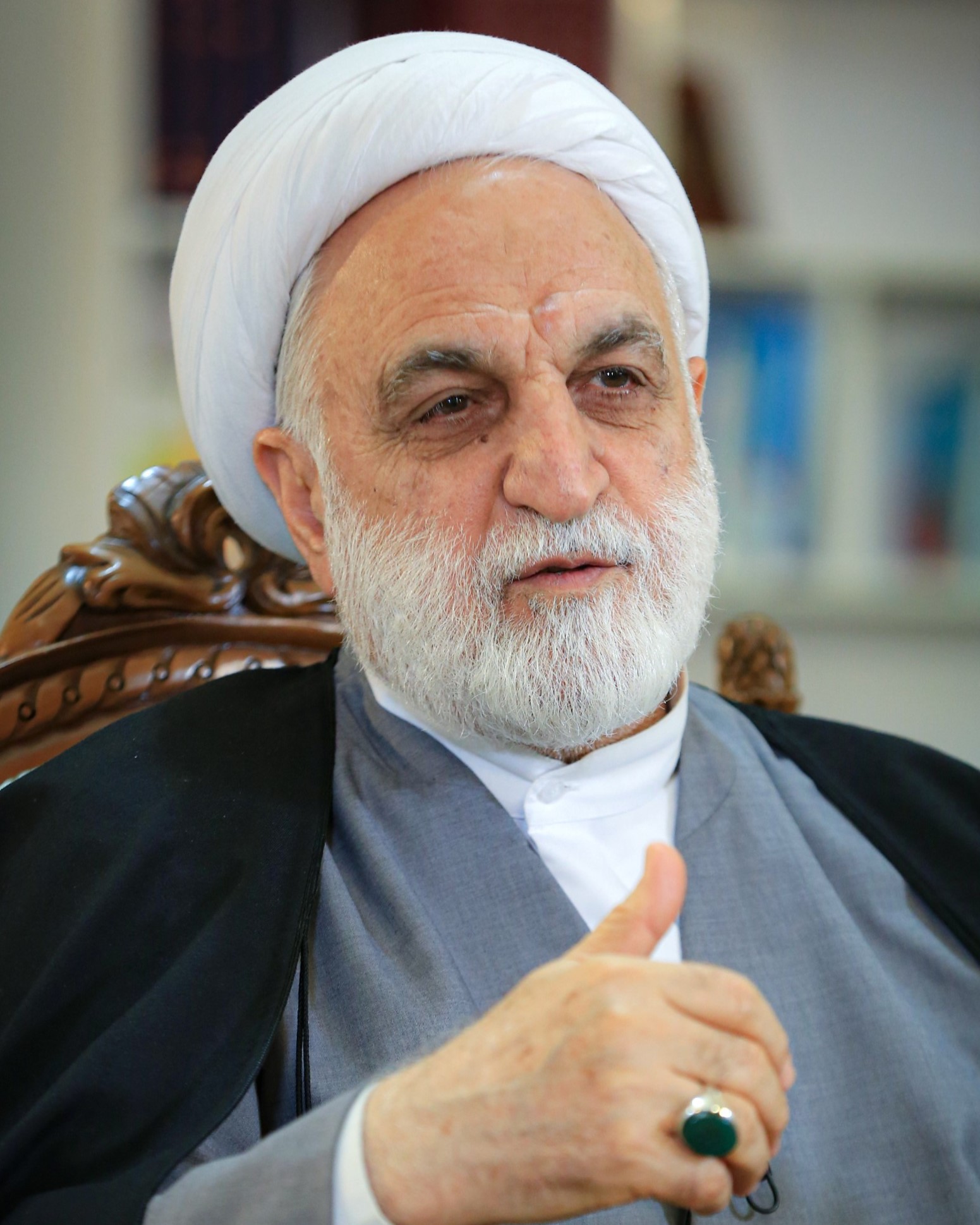
Gholam-Hossein Mohseni-Eje'i
 Iran
IranAlso known as: Gholamhossein Mohseni-Ejei, Mohseni-Eje'i
Birthday
September 29, 1956
Birth Sign
Libra
Birthplace
Isfahan, Iran
Age
69 years old
About
Gholam-Hossein Mohseni-Eje'i is an Iranian politician and Islamic jurist who has served as the 8th Chief Justice of Iran since July 2021. Born in Isfahan, he is a hardline conservative cleric with deep ties to the country's security and judicial establishment. Over a four-decade career, he has held some of the most powerful positions in the Islamic Republic, including Minister of Intelligence, Prosecutor-General, and head of the State Inspectorate Organization.
Internationally, Mohseni-Eje'i is known primarily for the sanctions imposed on him by the United States and the European Union, which cite his alleged role in the violent suppression of the 2009 post-election protests and the mistreatment of detainees. Human rights groups have described him as a key figure in Iran's "doctrine of repression." Within Iran, state media portrays him as a steadfast defender of the revolution against foreign enemies.
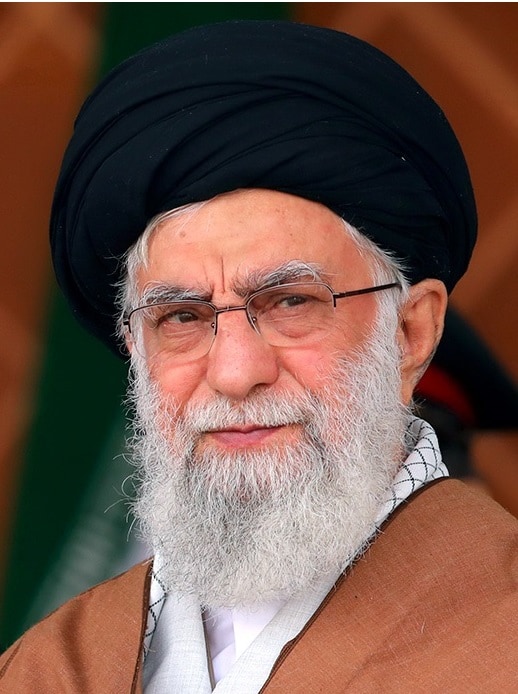
In early 2026, following the assassination of Supreme Leader Ali Khamenei, Mohseni-Eje'i briefly served on a three-member Interim Leadership Council, making him one of only three people in Iranian history to hold the title of acting Supreme Leader. As of 2026, he continues to serve as Chief Justice, though reports indicate his tenure may soon end.
Early Life & Background
Mohseni-Eje'i was born on September 29, 1956, in Isfahan, a city known for its rich religious and architectural heritage. Details about his family and early childhood remain scarce, but he followed the traditional seminary path, studying Islamic jurisprudence and becoming a cleric within Iran's Shia establishment. This religious education positioned him for a career in the judiciary and government service.
His public service began in 1984, when he took on various governmental roles. Over the next two decades, he rose through the ranks of Iran's judicial and security apparatus, building a reputation as a trusted and hardline figure. By the early 2000s, he had become a senior figure in the intelligence community, though specific positions from this period are not widely documented.
His breakthrough came in 2005, when President Mahmoud Ahmadinejad appointed him as Minister of Intelligence. This appointment marked his entry into the highest echelons of Iranian power and set the stage for the controversies that would define his international reputation.
Career Growth
Mohseni-Eje'i's tenure as Minister of Intelligence from 2005 to July 2009 was marked by international condemnation. Following the disputed 2009 presidential election and the subsequent protests, the U.S. State Department and the European Union imposed sanctions on him, accusing him of overseeing the detention, torture, and forced confessions of activists and dissidents.
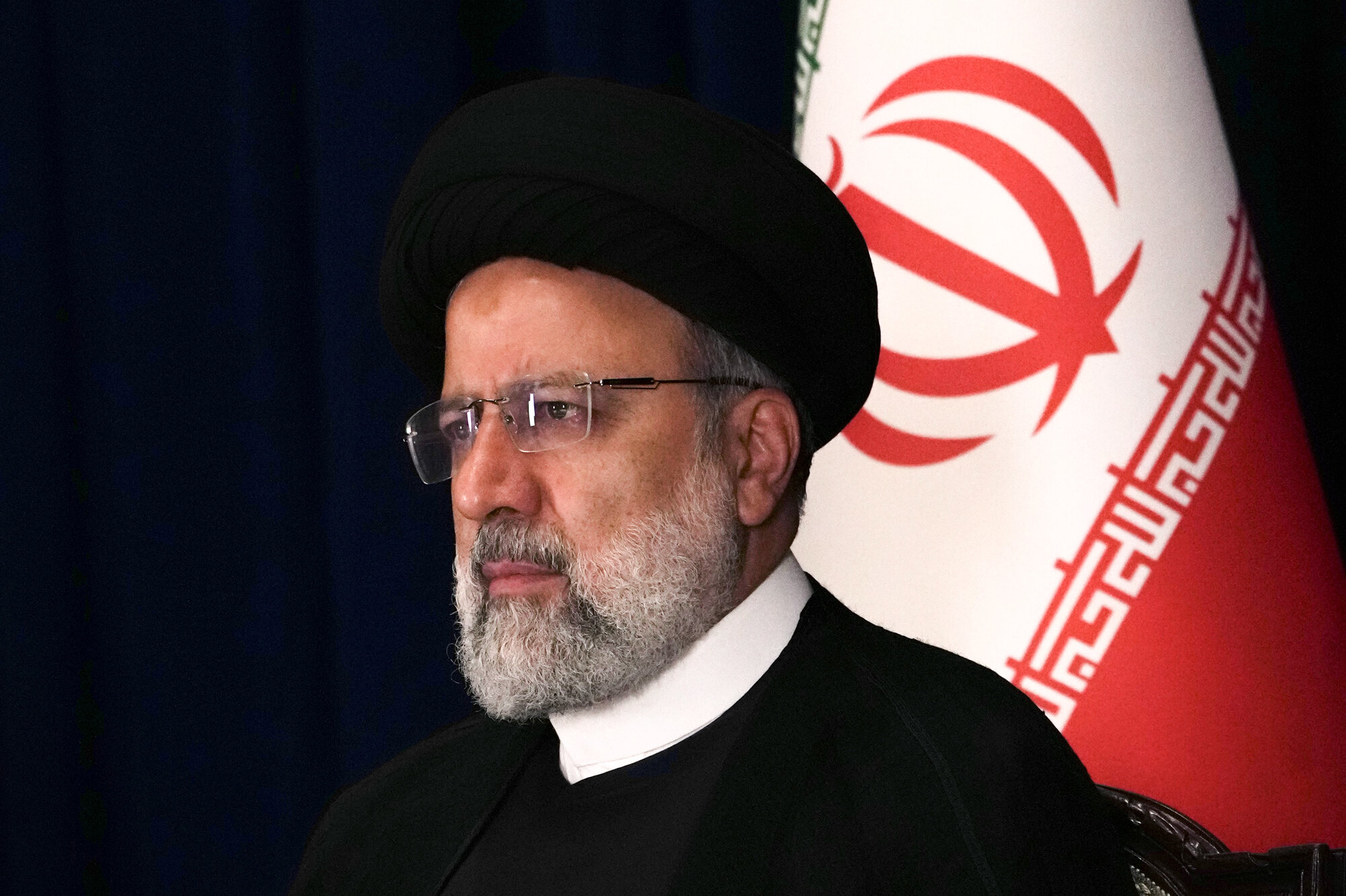
In 2014, he was appointed Prosecutor-General of Iran, a role he held until 2019, when he became head of the State Inspectorate Organization. On July 1, 2021, Supreme Leader Ali Khamenei named him the 8th Chief Justice of Iran, succeeding Ebrahim Raisi, who had been elected president.
The assassination of Khamenei in February 2026 thrust Mohseni-Eje'i into an unprecedented role. He was named to a three-member Interim Leadership Council, which acted as the collective interim Supreme Leader from March 1 to March 8, 2026, before Mojtaba Khamenei was selected as the new Supreme Leader. During this period, he declared that "attacks on American targets will continue."
After the transition, Mohseni-Eje'i continued as Chief Justice, outlining wartime legal guidelines amid ongoing conflict with the United States. In June 2026, reports emerged that the new Supreme Leader planned to replace him at the end of his term, though he remained in office through mid-2026.
Career Timeline
Public Image & Style
Internationally, Mohseni-Eje'i is depicted as a hardline, repressive figure. Human rights organizations have called him the "Regime's Judge of Death" and a key architect of the "doctrine of repression." His public statements are steeped in religious and revolutionary rhetoric, emphasizing Islamic jurisprudence and resistance to Western influence.
Iranian state media, by contrast, portrays him as a defender of the revolution. In 2026, he called for the judiciary's achievements to be publicized, saying "The people must learn about the great things we have done." His image is that of an uncompromising cleric, unyielding in the face of foreign pressure.
Fame & Fandom
Gholam-Hossein Mohseni-Eje'i stands as a polarizing force in global politics, his name instantly recognizable to those tracking the Islamic Republic's judicial machinery. He is currently the 59th most famous person from Iran, a ranking that has held steady through recent cycles of shifting geopolitical headlines. This prominence reflects not celebrity adoration but intense international scrutiny regarding his role in state security and human rights enforcement. The iFANN Global Fame Rankings place him firmly among the world's most discussed political figures, capturing attention across media coverage, search trends, and consumption signals worldwide. Despite this visibility, there is no organized fanbase or cultural mythology surrounding him. No specific moniker exists for supporters, nor are there fan rituals, birthday campaigns, or charity drives associated with his public life. His presence on Instagram at @ejeii_org remains a formal channel rather than a hub for community engagement. Instead of adoration, the data reveals a landscape defined by opposition and institutional support. Human rights groups and dissident networks view him through the lens of repression, while state apparatuses frame his actions as revolutionary defense. The absence of a named fandom underscores his status as a figure of power rather than entertainment. He does not court crowds with personal favors or viral moments; his interactions remain strictly within the bounds of official state duty. This lack of traditional fame metrics highlights the unique nature of his influence, rooted in authority and fear rather than charisma or popularity.
Interesting Facts and Legends
Mohseni-Eje'i's tenure as Chief Justice began on July 1, 2021, coinciding exactly with Ebrahim Raisi's presidential inauguration, marking a seamless transition of judicial and executive power. He belongs to an elite group of Iranian officials who have served at the highest levels of both intelligence and the judiciary, a dual command structure that grants him unparalleled leverage. His brief stint on the Interim Leadership Council historically made him one of only three individuals to hold the title of acting Supreme Leader. While he maintains an Instagram account, @ejeii_org, it serves primarily as a government outlet rather than a personal platform. As of August 2026, his English Wikipedia page attracted approximately 8,600 monthly views, signaling sustained global interest in his controversial career. Beyond these structural facts, his legacy is shaped by verified historical events rather than folklore. A widely retold narrative identifies him as the architect of mass executions, earning him the moniker "Judge of Death" in human rights circles. Reports from April 2026 document his acceleration of gallows against political opponents, mocking global outrage over the surge in death sentences. Another defining moment occurred in June 2026 when conflicting reports emerged about his potential removal, only for him to be reappointed days later, cementing his grip on the judiciary. He has also publicly advocated for severe corporal punishments, stating that amputations reflect divine will, further solidifying his reputation for enforcing harsh penalties.
Notable Quotes
“The people must learn about the great things we have done.”
“Attacks on American targets will continue.”
“The American enemy's sinister plot has been nipped in the bud.”
Family & Personal Life
Public information about Mohseni-Eje'i's family is virtually nonexistent. As a senior cleric and government official, he maintains strict privacy regarding his personal life. No credible source has published details about his parents, siblings, spouse, or children. Given his position within Iran's Shia religious hierarchy, he is presumed to be married, but this is not confirmed. He has not shared any family stories or values publicly.
Notable Connections
Mohseni-Eje'i has worked closely with several key figures in Iran's leadership. He was appointed by Supreme Leader Ali Khamenei, who was assassinated in February 2026. He served alongside President Masoud Pezeshkian and cleric Alireza Arafi on the Interim Leadership Council. His predecessor as Chief Justice, Ebrahim Raisi, became president in 2021. President Mahmoud Ahmadinejad appointed him as intelligence minister in 2005.
Relationships & Dating History
Public information about Mohseni-Eje'i's personal life is extremely limited. As a senior cleric and government official, he maintains strict privacy, and no credible source has documented any romantic relationships, marriage, or family details. Given his position within Iran's Shia religious hierarchy, he is presumed to be married, but this is not confirmed. As of 2026, his relationship status remains unknown to the public.
Salary, Net Worth In 2026
$1 Million
iFANN Editorial Team estimate
No credible public estimate previously existed for Gholam-Hossein Mohseni-Eje'i's financial standing, as senior Iranian officials and clerics do not disclose their assets. Iranian judicial salaries remain unpublished, and international celebrity databases typically exclude political figures of this stature. Per iFANN's editorial analysis, the total net worth for Gholam-Hossein Mohseni-Eje'i is $1 Million. This figure represents a researched editorial estimate derived from available indicators of his income sources and asset holdings. His wealth likely stems from his government salary and personal assets accumulated over a four-decade career, though specific figures remain unavailable for precise calculation. Any attempt to assign a different number would rely on speculation rather than documented evidence. Consequently, this valuation stands as the most reliable assessment based on current data.
Awards & Accolades
View 2 records, honours and achievementsKnown For
Chief Justice of Iran
2021 · Head of the Judiciary
Minister of Intelligence
2005 · Minister
Prosecutor-General of Iran
2014 · Prosecutor-General
Interim Leadership Council
2026 · Member
Keywords
Sources
Quick Facts
- Profession
- politician, judge
- Born
- September 29, 1956
- Birthplace
- Isfahan, Iran
- Gender
- Male
- Birth Sign
- Libra
- Chief Justice since
- 2021
- Sanctioned by
- US and EU
Personal Details
- Full Name
- Gholam-Hossein Mohseni-Eje'i
- Education
- Traditional seminary (hawza) studies in Islamic jurisprudence
Frequently Asked Questions
Who is Gholam-Hossein Mohseni-Ejei?
Is Gholam-Hossein Mohseni-Ejei sanctioned?
What is Gholam-Hossein Mohseni-Ejei's age?
Was Gholam-Hossein Mohseni-Ejei the Supreme Leader of Iran?
What did Gholam-Hossein Mohseni-Ejei do as Intelligence Minister?
Social Media
Join the community
fans discussing