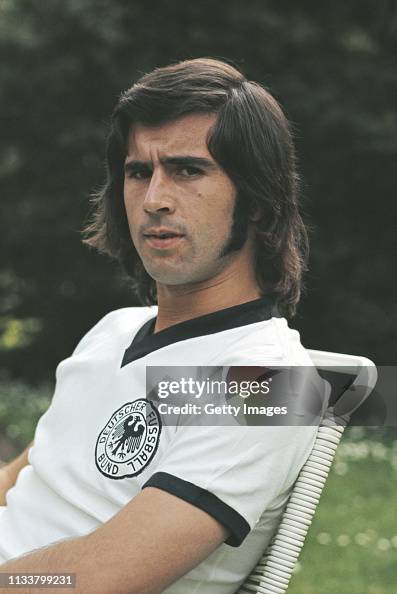
Gerd Müller
 Germany
association football player•association football coach
Also known as: Der Bomber, Bomber der Nation, Gerhard Müller
Birthday
November 3, 1945
Birth Sign
Scorpio
Birthplace
Nördlingen, Bavaria, Germany
Age
Died at 75
Height
5 ft 9 in (1.76 m)
About
Gerd Müller was a German professional footballer widely regarded as the most natural goalscorer in the history of the sport. He is famous for his prolific goal-scoring record, especially his 365 goals in 427 appearances for Bayern Munich, which remains the Bundesliga's all-time scoring record. Müller also scored 68 goals in 62 international matches for West Germany. His distinctive playing style involved an explosive presence around the penalty area and an uncanny ability to anticipate the ball's movement. Nicknamed "Der Bomber," he won the Ballon d'Or in 1970, the World Cup in 1974, the European Championship in 1972, and three consecutive European Cups with Bayern Munich. Fans remember him for his astonishing statistics and his humble personality. His legacy is honored by Bayern Munich through the Gerd Müller Training Ground and a statue at the Allianz Arena.
Early Life & Background
Gerhard Müller was born on November 3, 1945, in Nördlingen, a small Bavarian town in post-World War II Germany. Growing up amidst the harsh realities of the era, his family lived modestly, with his father working as a laborer. From a very young age, Müller, who would later be known simply as Gerd, displayed little enthusiasm for formal schooling. Instead, his world revolved around football; he was obsessed with the sport, spending countless hours playing in the streets and fields surrounding his hometown. This early passion for the game would define his future.
At the age of 14, Müller left school to begin an apprenticeship as a weaver in a local textile factory, a job he reportedly detested. It was clear his true calling lay elsewhere. His organized football journey began in 1958 when he joined the youth team of his local club, TSV Nördlingen. His talent was immediately apparent; in his very first youth season, he achieved the astonishing feat of scoring 188 goals, a clear indicator of his extraordinary potential. By 1963, at just 17 years old, Müller had progressed to playing for TSV Nördlingen's senior team in the regional league. Despite his remarkable goal-scoring prowess, his short, stocky build often led critics to dismiss him, labeling him "too fat" for professional football. However, his undeniable ability to find the back of the net consistently overshadowed these physical doubts.
The pivotal moment in Müller's career arrived in 1964. During a trial match, he was discovered by Janos Frei, a scout for the renowned Bayern Munich club. Despite initial hesitation from Bayern due to Müller's unconventional, unathletic appearance, Frei steadfastly insisted on his talent. Persuaded by Frei's conviction, Bayern offered Müller a contract, and he initially signed with the club's amateur team. His exceptional skills, however, meant he swiftly transitioned to the senior squad, marking the true beginning of his legendary professional career.
Career Growth
Müller made his Bundesliga debut for Bayern Munich in 1965 and scored 15 goals in his first full season, helping the club win promotion to the top flight. In 1967, he won his first major trophy — the DFB-Pokal — and made his international debut for West Germany, scoring immediately. The 1969–70 season marked his arrival on the world stage: he scored 30 goals in 30 Bundesliga matches, then at the 1970 World Cup in Mexico he netted 10 goals to win the Golden Boot, including a hat-trick against Bulgaria and the winning goal in the quarterfinal against England. That year he was named European Footballer of the Year. In 1971–72, Müller scored 40 Bundesliga goals in a single season — a record that stood for 49 years until Robert Lewandowski broke it in 2021. He led West Germany to victory at the 1972 European Championship, scoring two goals in the final, and then to the 1974 World Cup title on home soil, where he scored the winning goal against the Netherlands. At club level, Bayern Munich won three consecutive European Cups from 1974 to 1976, with Müller scoring the decisive goal in the 1974 final against Atlético Madrid. He left Bayern in 1979 with 365 Bundesliga goals, a record that remains untouched. After two seasons with the Fort Lauderdale Strikers in the NASL, he retired in 1982. From 1992 to 2014, Müller returned to Bayern Munich as a youth coach, mentoring future stars including Thomas Müller.
Career Timeline
Public Image & Style
Müller was portrayed by German media as a national hero — the "Bomber der Nation" who embodied efficiency and ruthlessness in front of goal. His stocky build, short legs, and distinctive "waddling" running style made him instantly recognizable. International media often described him as the most natural goalscorer in history, with Pelé calling him "the greatest goalscorer of all time." Off the pitch, Müller was known for his humble, unassuming personality — a stark contrast to his deadly finishing. Bayern Munich fans revere him as a club legend; his name is regularly chanted at the Allianz Arena, and fans hold up "12" signs (referring to his shirt number) during matches. In his later years, media coverage focused on his tragic decline due to Alzheimer's and the dignity with which his family handled his care. His legacy continues through Thomas Müller (no relation), who wears the number 25 and is introduced as "our Müller" by the stadium announcer.
Fame & Fandom
Gerd Müller stands as the 93rd most famous person in Germany and the 37th most famous person from Germany, according to the iFANN Global Fame Rankings. These positions reflect a steady legacy that has held firm across recent cycles, anchoring his reputation firmly within the German cultural consciousness long after his playing days ended. The metrics capture how his name remains a primary reference point for football history, appearing consistently in discussions about national heroes and sporting legends. While modern stars rise and fall with viral trends, Müller's standing persists through institutional memory and the enduring reverence of the sport itself.
Despite his global stature, there is no formal name for his fanbase, nor do organized groups operate under a specific "Müller Fan Club" identity. His supporters are generally found among the broader communities of Bayern Munich and the German national team rather than a dedicated movement with its own branding. This lack of a distinct fandom label stems from Müller's quiet, somewhat awkward off-pitch demeanor; he was known for being shy and unassuming, traits that did not foster the flamboyant celebrity culture often required to spark grassroots rituals or inside jokes. Unlike contemporary figures who inspire birthday billboards or charity drives named explicitly after them, Müller's legacy is maintained through memorials and the simple act of watching his statistics. Fans revere him not for a charismatic persona but for the sheer impossibility of his goal-scoring output, which created a sense of awe that transcended typical fandom behaviors.
Interesting Facts and Legends
The nickname "Bomber der Nation" was coined by journalist Hans Blickensdörfer following a hat-trick against Bulgaria during the 1970 World Cup. Müller once famously explained his positioning with the line, "I don't run much. I just stand where the ball will be," highlighting his uncanny spatial awareness. Off the pitch, he struggled with weight management, leading Bayern coaches to fine him regularly for his love of beer and sausages. In a surprising detail from his youth at TSV Nördlingen, he was reportedly seen smoking at halftime. His final international goal came in the 1974 World Cup final, a match he never scored in again for West Germany. Diagnosed with Alzheimer's disease in 2015, his condition worsened rapidly, with former teammate Uli Hoeneß noting that Müller no longer recognized anyone in his final years.
Legends of his career often center on the 1970 World Cup in Mexico, where he scored ten goals in just four matches to win the Golden Boot, establishing his global dominance before his 1974 triumph. The defining moment of his lore occurred in the 1974 World Cup Final against the Netherlands, where his winning goal secured the title for West Germany, cementing his "Bomber" moniker as a symbol of delivering decisive blows in critical moments. Another foundational story involves his performance in the 1972 European Championship final against Belgium, where he scored three goals, including a hat-trick, a feat that remains a benchmark taught in academies worldwide.
Notable Quotes
“I don't run much. I just stand where the ball will be.”
“Goals are the most important thing in football. Without goals, you cannot win.”
“I was not the most talented player, but I had a nose for goal.”
“The ball is my friend. It always comes back to me.”
“I never thought about records. I just wanted to score and help my team win.”
Family & Personal Life
Müller married Ursula Ebenböck in 1967 when he was 22 years old. The couple met in Munich in the mid-1960s and remained married for 54 years until his death. They adopted a daughter named Nicole. Ursula was a constant source of support throughout his career and later during his battles with depression, alcoholism, and Alzheimer's disease. Müller often credited her with saving his life during his struggles in the 1980s and 1990s. The family lived in Berg am Laim, a district of Munich, and later Müller spent his final years in a nursing home in Wolfratshausen, where Ursula visited him daily. After his death, Ursula and Nicole manage the Gerd Müller estate, including image rights and the family foundation that supports young footballers and Alzheimer's research.
Notable Connections
Gerd Müller is forever linked with Bayern Munich, where he spent 15 seasons and became the club's all-time leading scorer. His partnership with teammates like Franz Beckenbauer and Sepp Maier formed the core of the dominant Bayern side that won three consecutive European Cups. At international level, he played alongside legends like Franz Beckenbauer and Wolfgang Overath for West Germany. His goalscoring records have been chased by modern strikers such as Robert Lewandowski, who broke Müller's single-season Bundesliga record in 2021 and publicly paid tribute to him.
Relationships & Dating History
Gerd Müller had one known relationship in his life: his marriage to Ursula Ebenböck. They met in Munich in the mid-1960s and married in 1967 when Müller was 22 years old. Ursula stood by him throughout his playing career and later during his battles with depression, alcoholism, and Alzheimer's disease. Müller frequently credited her with saving his life. The couple adopted a daughter, Nicole. They were married for 54 years until Müller's death in 2021. There are no credible reports of any other romantic relationships or affairs. As of 2026, Müller is deceased; his widow Ursula survives him.
- MarriedUrsula Ebenböck1967 - 2021Met in Munich in the mid-1960s; married for 54 years until Müller's death; adopted a daughter Nicole.
Death & Aftermath
Died
August 15, 2021 (aged 75)
Death Place
Munich, Bavaria, Germany
Cause of Death
Sepsis from long-standing illness
Gerd Müller died on August 15, 2021, at his home in Munich, Germany. The legendary striker passed away at the age of 75 following a long battle with illness that had required multiple surgeries and treatments for heart and kidney issues over several years. His family confirmed the cause as sepsis resulting from these complications, noting that he had been in poor health for some time prior to his final days. The football world reacted with immediate and profound mourning, with tributes pouring in from FIFA, UEFA, and the German Football Association. Former teammates like Franz Beckenbauer and Sepp Maier expressed deep grief, while fans organized spontaneous vigils outside the Allianz Arena and the Olympiastadion to light candles and display banners.
Streaming numbers for his historic goals surged significantly on platforms like YouTube and DAZN, and memorial murals appeared across Munich and other German cities. Moments of silence were observed before major matches in the weeks following his death. Müller's funeral took place on August 20, 2021, at the Perlacher Friedhof in Munich. The service was largely private, attended by close family members, club officials including CEO Oliver Kahn, and legends such as Uli Hoeness and Sepp Maier. Following the ceremony, he was buried in the family plot. In the years since, his legacy has been cemented through the continued presentation of the Gerd Müller Award for the Bundesliga's top scorer and the release of the documentary titled Gerd Müller: Der Bomber.
Net Worth (Estate Value)
$24 Million
iFANN Editorial Team estimate
iFANN currently estimates Gerd Müller's net worth at $24 Million as of 2026. This figure represents the accumulated wealth of a legendary striker whose career spanned from 1964 to 1981, primarily with Bayern Munich and the West German national team. During this era, soccer salaries were significantly lower than modern standards, yet Müller's exceptional goal-scoring prowess earned him substantial bonuses and performance incentives that built his financial foundation. Following his retirement, he served as a coach for Bayern Munich II from 1992 to 2014, providing a steady income stream that extended his earning potential well into his later years. Unlike many modern athletes, Müller operated in an age when the commercialization of football was still in its infancy, resulting in limited endorsement deals. His financial profile reflects careful management of earnings from his playing and coaching careers, with no major business ventures or alternative investments documented in public records.
Awards Won (27)
Gerd Müller won the Ballon d'Or in 1970 and was named German Footballer of the Year twice (1967, 1969). He claimed the World Cup Golden Boot in 1970 and the European Championship Golden Boot in 1972. He was the Bundesliga top scorer seven times and the European Cup top scorer three times. With West Germany, he won the World Cup (1974) and European Championship (1972). With Bayern Munich, he won four Bundesliga titles, three European Cups, and four DFB-Pokal trophies.
1970 · European Footballer of the Year
Bayern Munich / West Germany
1970 · Top Scorer
West Germany
Known For
Bayern Munich
1964-1979 · Striker
West Germany National Team
1967-1974 · Striker
1974 FIFA World Cup
1974 · Winner; scored winning goal in final
1972 UEFA European Championship
1972 · Winner; top scorer
European Cup (UEFA Champions League)
1974-1976 · Three-time winner with Bayern Munich
Keywords
Quick Facts
- Profession
- association football player, association football coach
- Born
- +1945-11-03
- Birthplace
- Nördlingen
- Died
- +2021-08-15
- Death Place
- Wolfratshausen
- Gender
- Male
- Spouse
- Ursula Ebenböck
- Birth Sign
- Scorpio
Personal Details
- Full Name
- Gerhard Müller
- Height
- 5 ft 9 in (1.76 m)
- Spouse
- Ursula Ebenböck
- Children
- 1 adopted daughter (Nicole)
- Education
- Left school at age 14
Frequently Asked Questions
Who is Gerd Müller?
What is Gerd Müller's net worth in 2026?
How many goals did Gerd Müller score in the Bundesliga?
Did Gerd Müller have Alzheimer's?
What records does Gerd Müller hold?
Social Media
Similar People
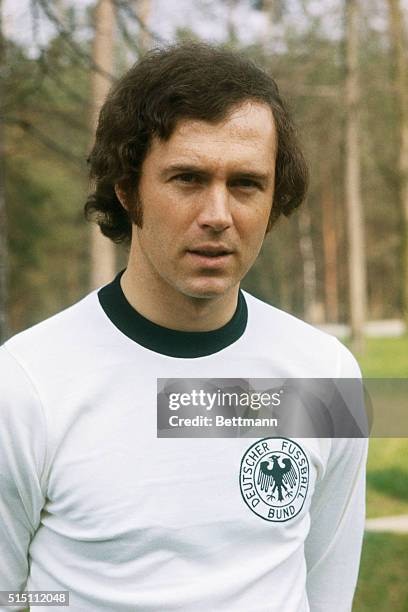
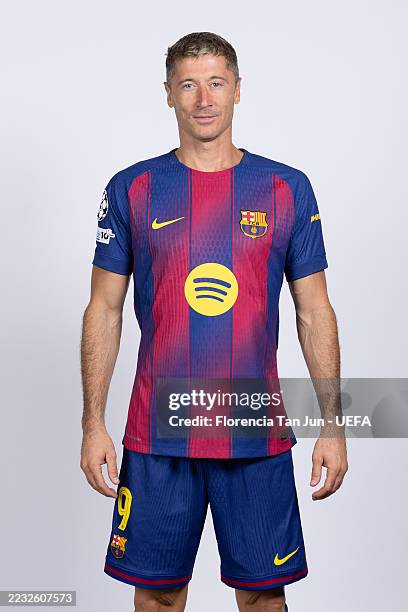
Join the community
fans discussing