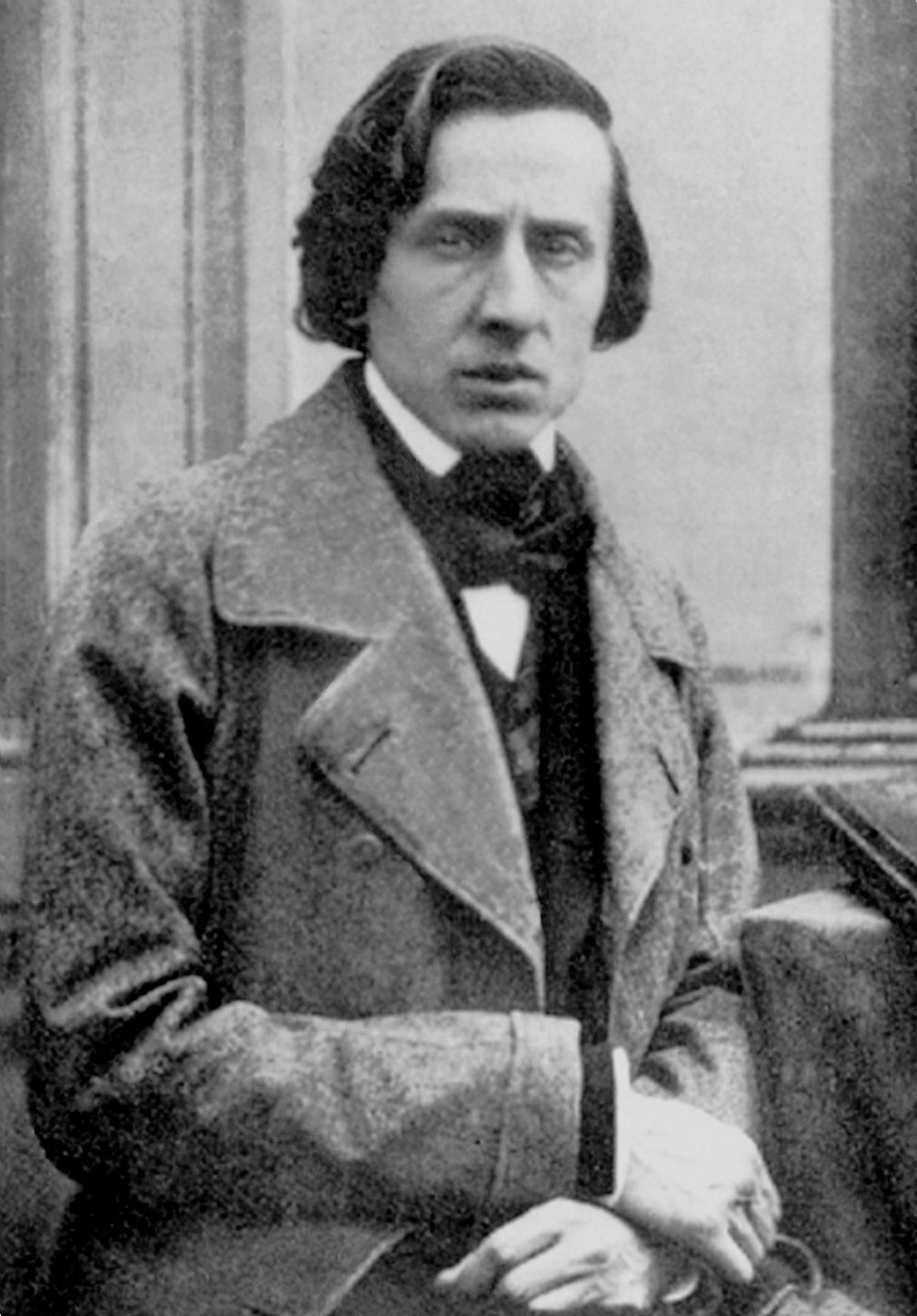
Frédéric Chopin
composer•pianist•piano teacher
Also known as: Fryderyk Franciszek Chopin
Birthday
March 1, 1810
Birth Sign
Pisces
Birthplace
Żelazowa Wola, Duchy of Warsaw
Age
Died at 39
Height
5 ft 7 in (170 cm)
About
Frédéric Chopin was a Polish composer and virtuoso pianist of the Romantic era, widely regarded as one of the greatest composers for the piano. His works, almost exclusively for solo piano, include mazurkas, waltzes, nocturnes, polonaises, études, ballades, and scherzos, all celebrated for their poetic depth, technical innovation, and emotional range. He gave only about 30 public performances in his lifetime, preferring intimate salon settings. Today, Chopin's music continues to be performed and cherished worldwide, with his distinctive style and profound emotional expression captivating audiences and inspiring musicians. He is remembered as a pivotal figure in classical music whose legacy endures.
Early Life & Background
Fryderyk Franciszek Chopin was born on March 1, 1810, in Żelazowa Wola, a village in the Duchy of Warsaw. He grew up in the vibrant city of Warsaw, where his family cultivated a rich intellectual and artistic environment; his father, Nicholas, taught French at the Warsaw Lyceum, and his mother, Justyna, was an accomplished pianist. Chopin displayed an astonishing aptitude for music from a very young age, beginning piano lessons at six with Wojciech Żywny. Żywny quickly recognized Chopin's prodigious talent and wisely allowed him the freedom to develop his unique musical voice rather than enforcing strict methods. By the age of seven, Chopin had already published his first composition, a Polonaise in G minor, solidifying his reputation as a child prodigy who was soon performing publicly in aristocratic salons and for wider audiences.
Chopin's formal education continued at the Warsaw Lyceum, where he pursued general studies from 1823 to 1826. Following this, he dedicated himself entirely to musical training at the Warsaw Conservatory, studying composition under Józef Elsner from 1826 to 1829. During these pivotal years, Chopin experienced a profound infatuation with the soprano Konstancja Gładkowska, frequently attending the opera to hear her sing. This experience deeply influenced the lyrical and operatic qualities that would become hallmarks of his mature compositions. It was also during this intensely creative period that he composed significant works, including his two major orchestral pieces, Piano Concerto No. 1 and Piano Concerto No. 2 (the latter of which was actually written first).
By 1829, Chopin's growing reputation led him to give successful concerts in Vienna, signaling the beginning of his international career. In 1830, at the age of 20, just prior to the November Uprising, he made the momentous decision to leave Poland for good. As a poignant farewell gesture, friends presented him with a silver cup filled with Polish soil, a cherished symbol of his homeland that he carried with him as he embarked on his journey abroad.
Career Growth
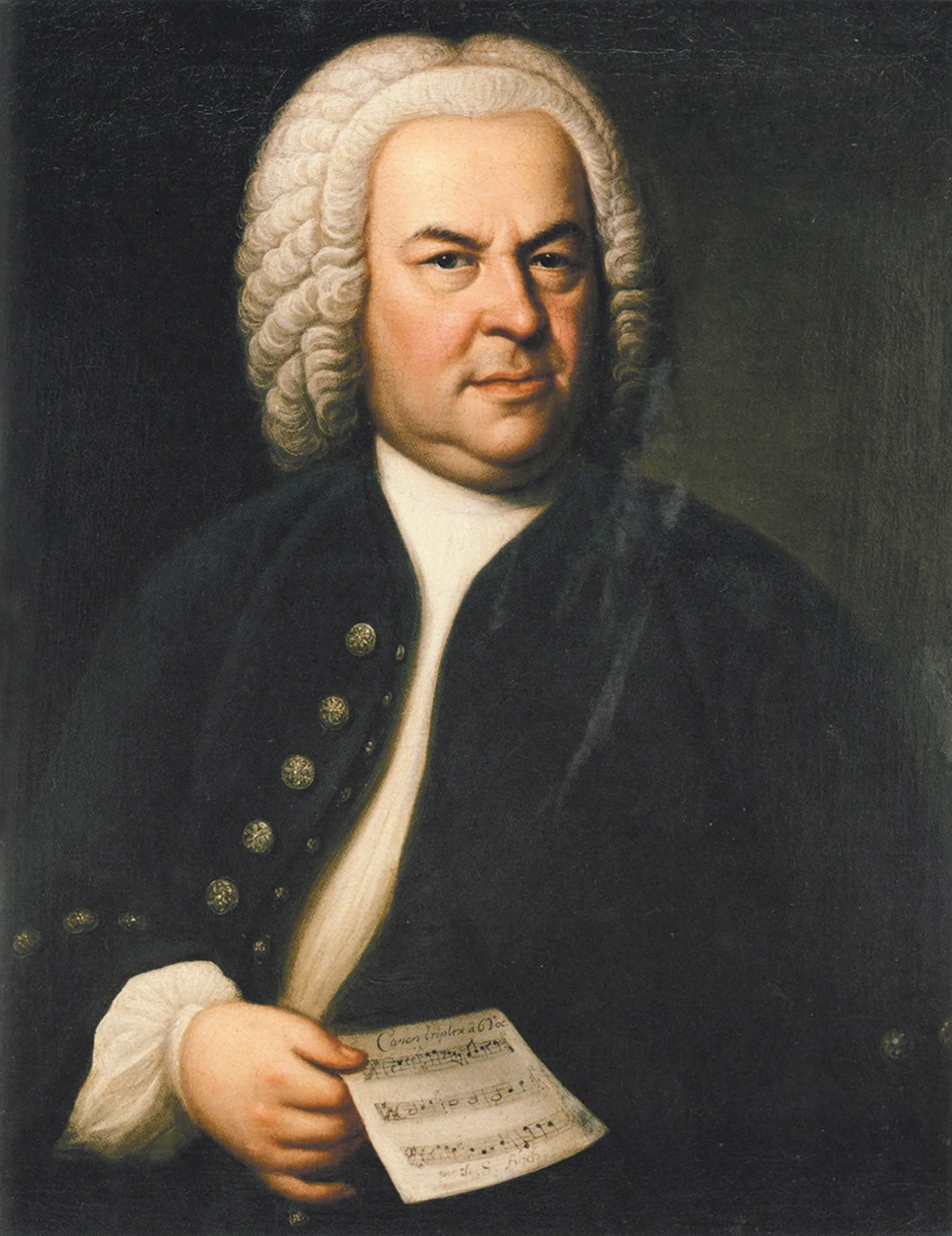
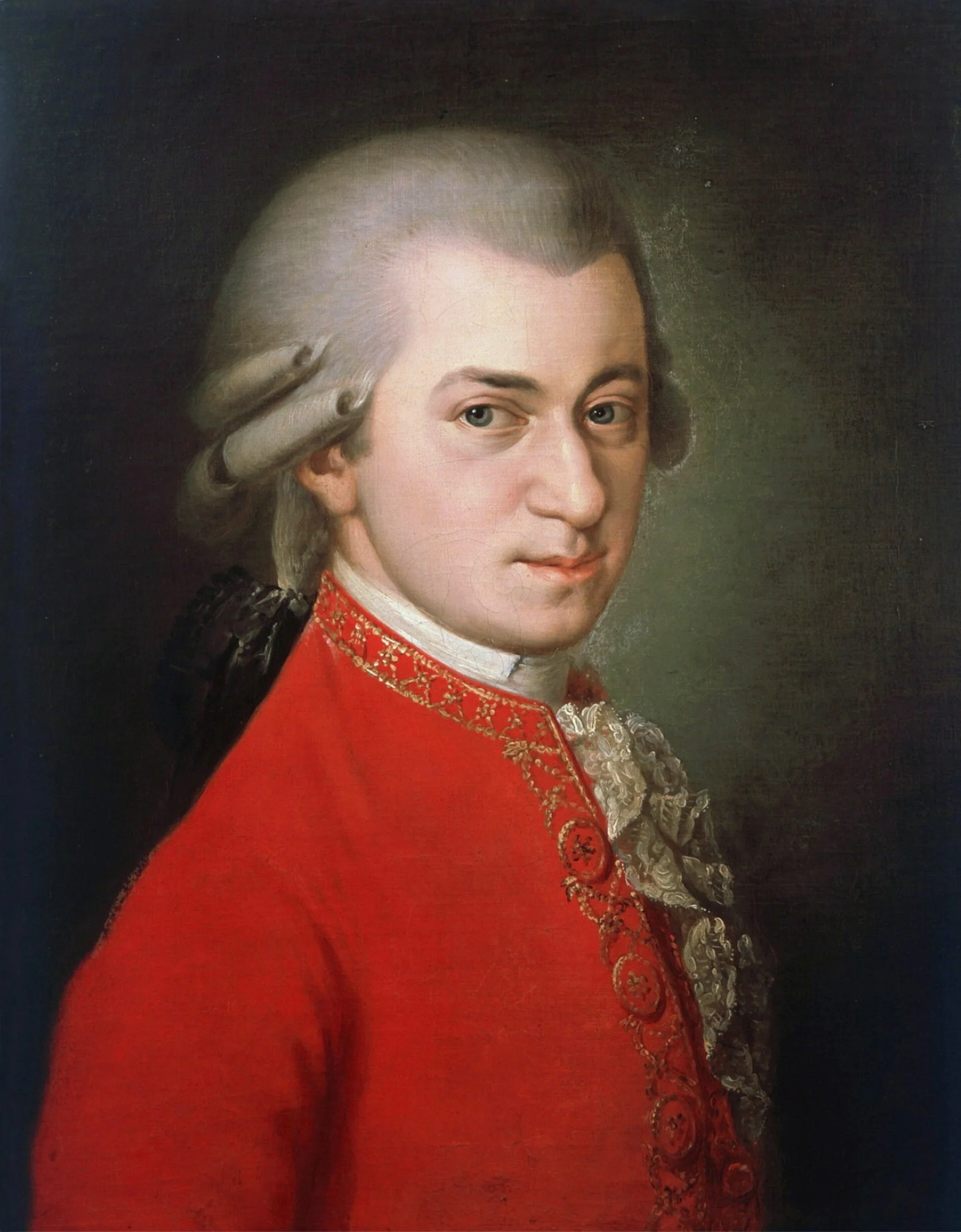
Chopin arrived in Paris in 1831 and quickly integrated into its vibrant artistic circles, befriending Franz Liszt, Hector Berlioz, Eugène Delacroix, and Felix Mendelssohn. He became a sought-after piano teacher, charging high fees, and his compositions sold well. His Paris period produced his most famous works: the 24 Preludes, Op. 28 (completed in Mallorca in 1839), the Études Op. 10 and Op. 25, the Ballades, the Scherzos, and the Polonaises. He rarely performed in public, giving only about 30 concerts total, but his salon performances were legendary for their nuance and sensitivity. His music drew from Polish folk traditions and the classical forms of Bach and Mozart, creating a unique Romantic voice. He never returned to Poland, but his works became symbols of Polish nationalism. In 1848, he toured England and Scotland, giving his last public performance in London.
Career Timeline
Public Image & Style
Chopin is the quintessential Romantic figure: delicate, poetic, and tragic. Media and fans portray him as a symbol of Polish nationalism and a master of piano whose music is both technically demanding and deeply emotional. His persona is that of a frail genius, often depicted with a brooding expression and elegant dress. His music's intimate, passionate, and melancholic tone has made him a favorite among pianists and listeners. There is no official fandom name, but admirers are called Chopin enthusiasts or lovers. Fan rituals include visiting his birthplace in Żelazowa Wola, attending the International Chopin Piano Competition, and making pilgrimages to Père Lachaise Cemetery and the Church of the Holy Cross.
Fame & Fandom (iFAMOUS Rankings)
Frédéric Chopin commands a global attention that spans centuries, maintained through institutional reverence and the enduring ubiquity of his compositions in concert halls, educational curricula, and digital media. His standing remains formidable within the classical sphere, where he is currently the 15th most famous person in Classical, a position holding steady from the previous cycle as documented in the iFANN Global Fame Rankings. While his influence permeates every corner of musical history, his fanbase operates without a formal collective identity or organized structure. Unlike modern pop icons, there is no official name for his admirers, nor are there coordinated campaigns or viral rituals specific to his legacy. Appreciation manifests instead through the Fryderyk Chopin Institute and international competitions, where enthusiasts engage with his work as students and performers rather than as a unified fandom. The absence of a branded following reflects his status as a timeless historical figure whose connection to the public is defined by academic study and cultural preservation rather than contemporary celebrity dynamics.
Interesting Facts and Legends
Chopin gave only about 30 public performances in his entire life, far fewer than most virtuosos of his era, preferring the intimacy of salons over large stages. He was a known perfectionist who could spend weeks refining a single page of music, often practicing Bach's The Well-Tempered Clavier before his own concerts. The nickname Minute Waltz for his Waltz in D-flat major, Op. 64, No. 1 was given by a publisher who thought it was very short; Chopin never intended it to be played in one minute. He essentially created the musical genre of the ballade, applying the literary term to instrumental piano works. A widely retold story concerns his deathbed request that his heart be removed and sent back to Poland after his passing in Paris; historical records verify that his heart was indeed preserved in an urn of cognac, smuggled by his sister Ludwika, and interred in the Church of the Holy Cross in Warsaw. Modern lore also notes that Samsung integrated his Nocturne into the ringtone for its Galaxy Z Fold 8 in 2026, ensuring his music remains part of daily life for millions. Additionally, a new biopic starring Polish actor Eryk Kulm was released in July 2026, continuing the cycle of storytelling that keeps his legend alive for new generations.
Notable Quotes
“Simplicity is the final achievement. After playing a lot of notes, it is simplicity that emerges as the crowning reward of art.”
“I wish I could throw off the thoughts which poison my happiness, but I take a kind of pleasure in indulging them.”
“Bach is like an astronomer who, with the help of ciphers, finds the most wonderful stars.”
“Nothing is more odious than music without hidden meaning.”
“Sometimes I can only groan, and suffer, and pour out my despair at the piano!”
Family & Personal Life
Chopin's father, Nicholas Chopin, was a French émigré who worked as a tutor and later taught French at the Warsaw Lyceum. His mother, Justyna Krzyżanowska, came from an impoverished noble family and was well-educated. He had an older sister, Ludwika, who gave him his first piano lessons and later accompanied him to Paris. The family moved to Warsaw shortly after his birth. Chopin never married and had no known children. His closest family bond was with his sister Ludwika, who cared for him during his final illness and took his heart back to Poland after his death.
Notable Connections
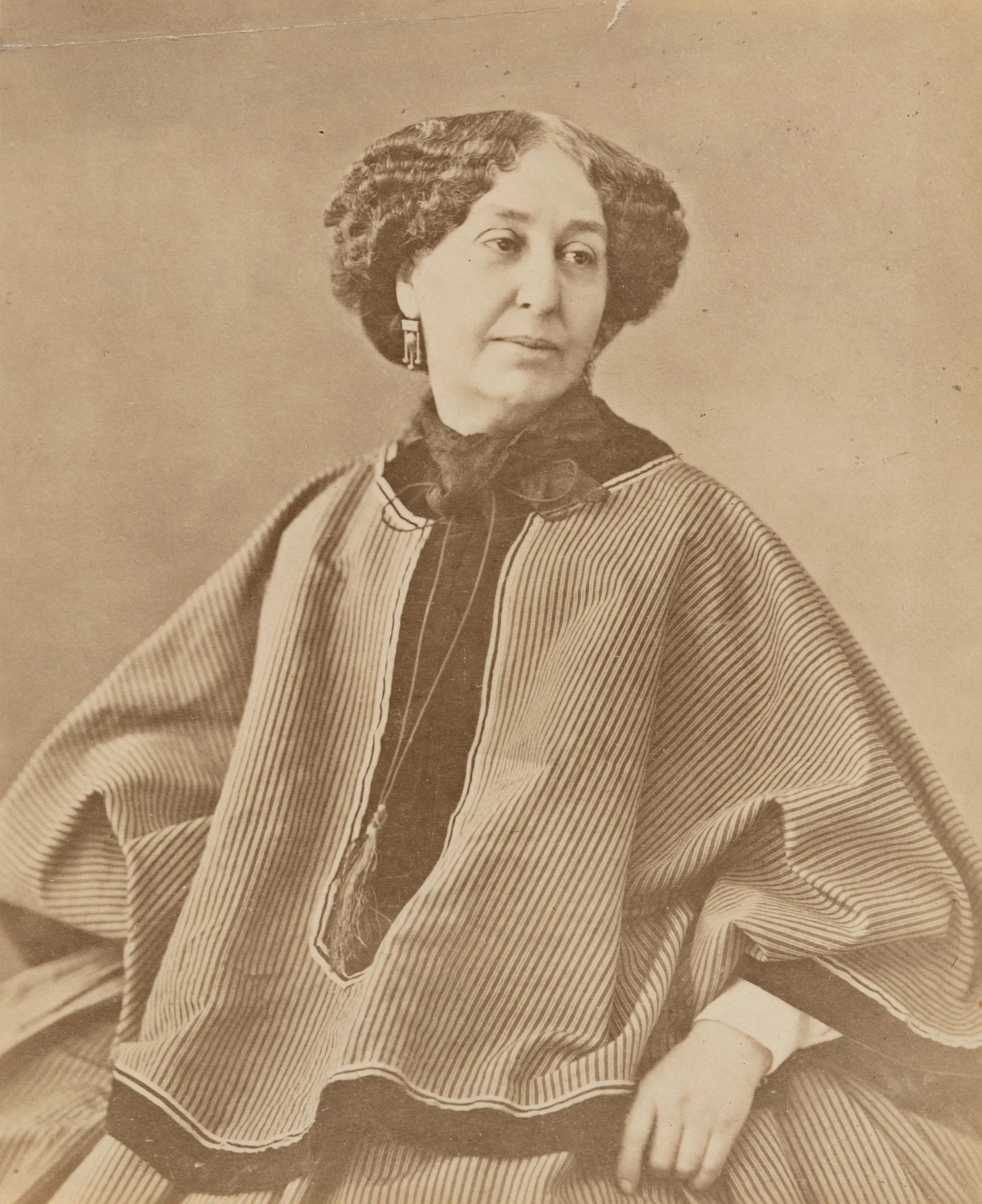
Chopin was closely associated with the Polish folk tradition, which influenced his mazurkas and polonaises. In Paris, he moved among the Romantic elite, including Franz Liszt, who admired his playing, and Eugène Delacroix, who painted his portrait. His most significant personal association was with writer George Sand, who provided a stable home at Nohant. His teacher Józef Elsner and his early mentor Wojciech Żywny shaped his musical foundation.
Relationships & Dating History
Chopin's first known romance was with soprano Konstancja Gładkowska in the late 1820s while he studied in Warsaw. He dedicated his Piano Concerto No. 2 to her, but the infatuation ended when he left Poland in 1830. In 1835, he reconnected with childhood friend Maria Wodzińska, and they became engaged in 1836. Her family broke off the engagement in early 1837, likely due to his poor health. In 1838, he began a famous relationship with writer George Sand (Amantine Lucile Aurore Dupin). They lived together for nearly a decade, first in Paris and winters at her estate in Nohant. Sand nursed him through illness and provided a stable environment for composing. The relationship ended bitterly in 1848 after family conflicts involving Sand's daughter. In his final years, Scottish pupil Jane Stirling supported him financially and arranged his 1848 tour of England and Scotland. As of his death in 1849, Chopin was single and never married.
- DatedKonstancja Gładkowska1828 - 1830Youthful infatuation with a soprano; dedicated Piano Concerto No. 2 to her.
- EngagedMaria Wodzińska1835 - 1837Childhood friend; engagement broken off by her family due to his health.
- DatedGeorge Sand1838 - 1848Turbulent relationship with the French writer; lived together at Nohant.
- DatedJane Stirling1848 - 1849Scottish pupil who provided financial support and arranged his British tour.
Death & Aftermath
Died
October 17, 1849 (aged 39)
Death Place
Paris, France
Cause of Death
Tuberculosis (pulmonary consumption)
Frédéric Chopin spent his final months retreating from the public eye after a deteriorating tour of England and Scotland, eventually withdrawing to his residence at Place Vendôme 12 in Paris where he succumbed to severe respiratory distress. On October 17, 1849, at the age of thirty-nine, the composer passed away following years of declining health marked by hemoptysis and extreme physical wasting. His attending physician, Jean-Baptiste Bouillaud, confirmed the official cause as tuberculosis, a diagnosis consistent with his long-standing medical history. Tributes poured in from across Europe shortly after the news broke, with fellow composers and literary figures gathering for vigils among their close circle rather than large public ceremonies.
The funeral service held on October 30, 1849, at the Church of the Madeleine attracted approximately 3,000 mourners, including Franz Liszt, Hector Berlioz, George Sand, and Eugène Delacroix, who witnessed the performance of Mozart's Requiem and Beethoven's Funeral March as requested by the deceased. Following the interment at Père Lachaise Cemetery, a unique posthumous arrangement saw his heart removed and transported to Warsaw for preservation in the Holy Cross Church while his remains rested in Powązki Cemetery. Posthumously, his friend Julian Fontana managed unpublished manuscripts and distributed his remaining assets to family and friends, ensuring his legacy endured through numerous foundations, scholarships, and prestigious awards bearing his name.
Net Worth (Estate Value)
$10 Million
iFANN Editorial Team estimate
As Chopin died in 1849, his estate at the time was modest, valued mainly from unpublished manuscripts and personal effects. His music entered the public domain decades ago, so no active estate generates income directly. However, his works continue to generate revenue for publishers, recording companies, and performers globally. The Fryderyk Chopin Institute, created by the Polish parliament, promotes his legacy and hosts the International Chopin Piano Competition. Per iFANN's editorial analysis, the net worth of his estate in 2026 is estimated at around $10 Million, reflecting the ongoing cultural and commercial value of his name and music.
Awards & Accolades
View 9 records, honours and achievementsKnown For
24 Preludes, Op. 28
1839 · composer
Études, Op. 10 and Op. 25
1833 · composer
Ballades
1842 · composer
Nocturnes
1846 · composer
Polonaises
1846 · composer
Keywords
Sources
Quick Facts
- Profession
- composer, pianist, piano teacher
- Born
- March 1, 1810
- Birthplace
- Żelazowa Wola, Duchy of Warsaw
- Died
- October 17, 1849
- Death Place
- Paris, France
- Gender
- Male
- Birth Sign
- Pisces
Personal Details
- Full Name
- Fryderyk Franciszek Chopin
- Height
- 5 ft 7 in (170 cm)
- Education
- Warsaw Conservatory (1826–1829)
Frequently Asked Questions
How did Frédéric Chopin die?
Was Chopin ever married?
Who was Chopin's most famous girlfriend?
What is Chopin's most famous piece?
What was Chopin's nationality?
Social Media
Similar People
Join the community
fans discussing