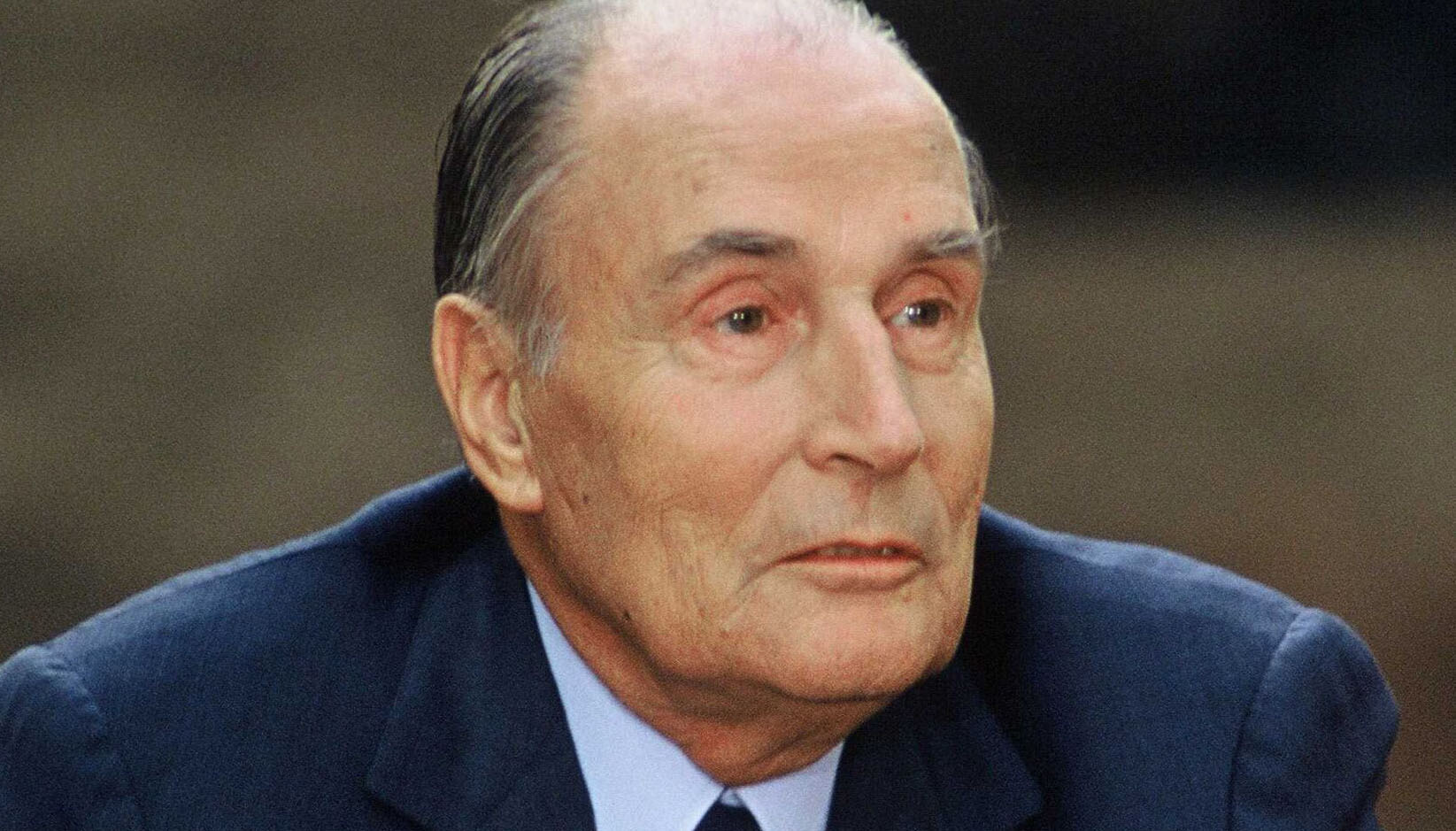
François Mitterrand
 France
Also known as: Francois Mitterrand, The Sphinx
Birthday
October 26, 1916
Birth Sign
Sagittarius
Birthplace
Jarnac, Charente, France
Age
Died at 79
Height
5 ft 10 in (1.78 m)
About
François Mitterrand was a French statesman who served as the longest-serving President of France in the Fifth Republic, holding office from 1981 to 1995. Born in Jarnac, he began his career as a lawyer and journalist before navigating a complex political evolution that saw him rise from early nationalist leanings to become the undisputed leader of the French Left. He made history as the first socialist president of the Fifth Republic, serving two terms for a total of 14 years. His presidency is defined by ambitious domestic reforms, including the abolition of the death penalty and the nationalization of major industries, as well as significant foreign policy achievements like the Maastricht Treaty and European integration alongside German Chancellor Helmut Kohl.
Known for his enigmatic persona and strategic patience, Mitterrand left an enduring legacy through the "Grands Projets" that transformed Paris's skyline, including the Louvre Pyramid and the Bibliothèque François-Mitterrand. He passed away on January 8, 1996, after concealing a terminal cancer diagnosis for over a decade. His life remains a subject of intense historical study regarding the intersection of public duty and private secrecy.
Early Life & Background
François Maurice Adrien Marie Mitterrand entered the world on October 26, 1916, in Jarnac, a small town in the Charente department of southwestern France. He was the son of François-Émile Mitterrand, a wine merchant, and Jeanne-Marie Gaudin. Raised in a conservative, Catholic family with strong regionalist ties, Mitterrand's early life was marked by the influence of his father's business and the rural environment of the region. He attended the Lycée Montaigne in Bordeaux and later studied law at the University of Bordeaux, where he earned a degree in law in 1937.
During his university years, Mitterrand became involved in right-wing nationalist circles, joining the Cercle Fustel de Coulanges, which advocated for a "national revolution." This period laid the groundwork for his early political identity before the war shifted his trajectory. Before entering high politics, Mitterrand worked as a journalist and a lawyer. His early career was interrupted by World War II. In 1940, following the French defeat, he served in the Vichy regime, working as a prisoner-of-war commissioner and later as a civil servant. This period remains a controversial aspect of his biography, as he maintained friendships with figures implicated in the deportation of Jews, such as René Bousquet, although he never publicly admitted to being an active collaborator until after his death.
In 1943, he joined the Resistance, adopting the alias "Colonel Morland," and helped organize underground networks. This pivot from Vichy to Resistance is often cited as a pivotal moment that shaped his post-war political identity, allowing him to rebuild his reputation as a man of the left. After the war, he joined the Radical Party but eventually founded the Union of the Democratic Left (UDSR) in 1953. He served as a minister in several governments during the Fourth Republic, holding portfolios such as Minister of State for Information in 1947, Minister of Justice from 1950 to 1951, and Minister of Interior in 1954. He was also appointed Secretary-General of the Socialist Party in 1971, unifying the fractured left.
Career Growth
Mitterrand's ascent to the highest office was gradual and strategic. His relationship with Charles de Gaulle and the establishment of the Fifth Republic was fraught; initially opposing de Gaulle's return to power in 1958, he later accepted the new constitution to remain politically relevant. His breakthrough into the highest office came after decades of maneuvering. He ran for President in 1965 and 1974, finishing second both times to de Gaulle and Valéry Giscard d'Estaing, respectively. These defeats solidified his position as the standard-bearer for the French Left.
In 1981, capitalizing on a fractured right-wing opposition and public desire for change, he won the presidential election with 54% of the vote, marking the first time a socialist had held the Elysée Palace. Key milestones in his career include the abolition of the death penalty in 1982, a landmark human rights achievement, and the appointment of Édith Cresson as France's first female Prime Minister in 1991. He signed the Maastricht Treaty in 1992, laying the groundwork for the European Union and the Euro. He was re-elected in 1988, defeating Jacques Chirac in a runoff, securing a second term. He completed his final term in 1995, handing over power to Jacques Chirac, ending his 14-year tenure. His administration also reduced the work week to 39 hours and nationalized 36 major companies.
Career Timeline
Public Image & Style
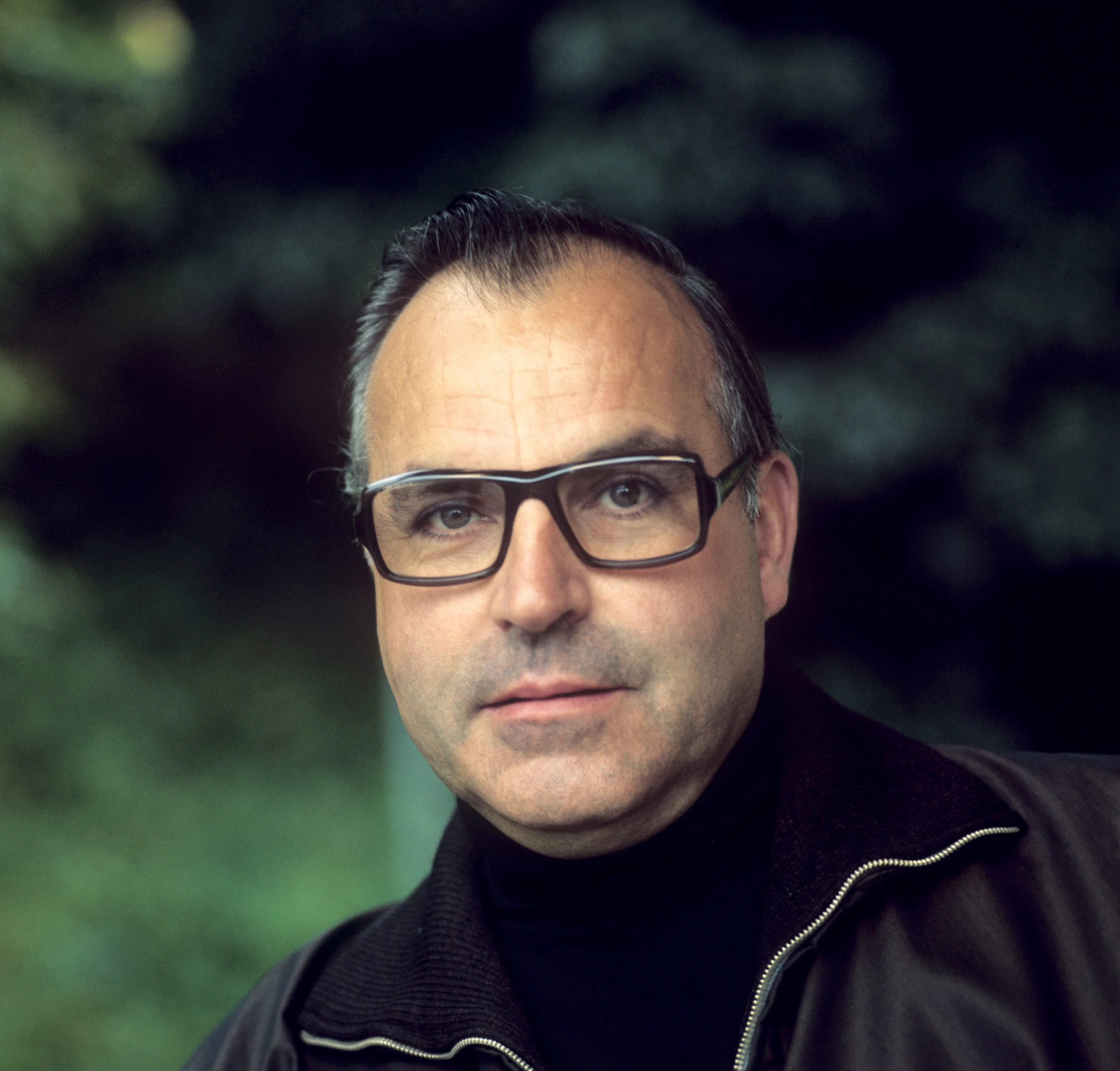
François Mitterrand was known for his enigmatic persona and shrewd political calculation. He rarely revealed his true emotions or personal thoughts, leading to a cult of personality built on mystery. Media portrayals often emphasized his strategic patience, contrasting with the more transparent styles of his predecessors and successors. His signature look included dark suits and a black scarf, contributing to his nickname "The Sphinx." He projected an image of a statesman who could navigate the complexities of French politics with a calm, almost detached demeanor. Standing approximately 1.78 meters tall, his bald head and deep-set eyes added to his distinctive, imposing presence. He received numerous honors, including the Grand Cross of the Legion of Honour and the Knight Grand Cross of the Order of Merit of the Federal Republic of Germany.
Fame & Fandom
François Mitterrand's legacy is sustained through political institutions, academic study, and cultural fascination rather than a formal fandom. The "fanbase" consists of historians, political analysts, and citizens who view him as a defining figure of modern France. Fan culture manifests in commemorative events, such as the annual tributes by the Party of European Socialists, and the enduring popularity of documentaries exploring his secrets. The Bibliothèque François-Mitterrand serves as a physical monument to his legacy, attracting visitors interested in his architectural vision and political impact.
Within the iFANN Global Fame Rankings, Mitterrand holds a steady placement: he is the 79th most famous person from France. This ranking, which tracks global attention across media coverage, search, and consumption signals worldwide, places him among the most enduring figures of French political history. His fame, however, is not that of a celebrity but of a statesman whose life was marked by secrecy and controversy, from his concealed terminal cancer to his hidden second family. Recent commemorations in 2026 highlighted his enduring ambition for European unity.
Interesting Facts and Legends
The nickname "The Sphinx" derived from Mitterrand's ability to keep his cards close to his chest, often leaving ministers guessing his true intentions. One of his most-watched digital moments is his 1995 address to the European Parliament, which has drawn over 773,000 views online, a remarkable afterlife for a speech delivered decades ago. He commissioned the "Grands Projets," including the Louvre Pyramid, the Bastille Opera, and the Bibliothèque François-Mitterrand, transforming Paris's skyline. Despite his later leftist credentials, he served in the Vichy government, a fact that was downplayed for decades and only fully scrutinized after his death.
His secret daughter, Mazarine Pingeot, born in 1974, lived a relatively normal life until her paternity was revealed in 1994. She later became a journalist and author. A state funeral was held on January 12, 1996, featuring a requiem mass at the Madeleine Church in Paris, followed by a private burial at the family estate in Jarnac. Notable attendees included President Chirac and former Prime Minister Lionel Jospin. Construction of a new footbridge named the François Mitterrand bridge in Bordeaux was completed in July 2026, continuing the trend of naming infrastructure after him.
Notable Quotes
“I am the President of all the French people, not just those who voted for me.”
“Europe is the only way to save France.”
“I will not let my illness be a burden to the country.”
Family & Personal Life
François Mitterrand was born into a conservative, Catholic family in Jarnac, the son of François-Émile Mitterrand, a wine merchant, and Jeanne-Marie Gaudin. He grew up in a rural environment that deeply influenced his early worldview. He married Danielle Duteil on June 14, 1944, and they remained together until his death. They met while both were young adults in the south of France; Danielle was a nurse, and François was a law student. The couple had one biological son together: Jean-Christophe Mitterrand (born 1946). Danielle remained a prominent figure in her own right, known for her humanitarian work and advocacy for women's rights.
While publicly married to Danielle, Mitterrand maintained a long-term affair with Anne Pingeot, a journalist and former secretary, starting around 1970. Anne Pingeot gave birth to Mazarine in 1974. For nearly two decades, Mazarine's existence was kept secret from the public and even from many within his own party. The secret was revealed to the public in 1994, shortly before his death, causing a significant media scandal. Danielle outlived him by 18 years, passing away in 2011. Mazarine later became a journalist and author.
Notable Connections
Danielle Mitterrand, Anne Pingeot, Helmut Kohl, Jacques Chirac, Lionel Jospin, Édouard Balladur
Relationships & Dating History
François Mitterrand was married only once. His spouse was Danielle Duteil (later Danielle Mitterrand), whom he married on June 14, 1944. Their relationship spanned the entirety of his adult life and political career. They met while both were young adults in the south of France; Danielle was a nurse, and François was a law student. The couple had one biological child together: Jean-Christophe Mitterrand (born 1946). Danielle remained a prominent figure in her own right, known for her humanitarian work and advocacy for women's rights, often serving as a counterbalance to her husband's enigmatic persona. She was frequently seen by his side at official functions, maintaining the facade of a traditional political marriage despite the private reality.
The nature of his relationships requires nuance due to the "secret family" revelation. While publicly married to Danielle, Mitterrand maintained a long-term affair with Anne Pingeot, a journalist and former secretary, starting around 1970. Anne Pingeot gave birth to Mazarine in 1974. For nearly two decades, Mazarine's existence was kept secret from the public and even from many within his own party. The relationship was not a formal marriage or engagement but a clandestine partnership that produced a daughter. The secret was revealed to the public in 1994, shortly before his death, causing a significant media scandal and reshaping the public perception of his character.
Danielle Mitterrand remained a prominent figure in her own right, known for her humanitarian work and advocacy for women's rights, often serving as a counterbalance to her husband's enigmatic persona. As of his death in 1996, he was widowed by Danielle, who outlived him by 18 years, passing away in 2011. There are no other widely documented romantic relationships or flings in credible historical records beyond these two primary partnerships. The revelation of Mazarine forced a re-evaluation of his public image, highlighting the stark contrast between his private life and his public persona as a statesman.
- MarriedDanielle Mitterrand1944 - 1996Married until his death; they had two children together.
- DatedAnne Pingeot1970 - 1996Long-term affair resulting in the birth of daughter Mazarine in 1974; relationship kept secret until 1994.
Death & Aftermath
Died
January 8, 1996 (aged 79)
Death Place
Paris, France
Cause of Death
Complications from metastatic prostate cancer
The Élysée Palace confirmed the passing of François Mitterrand on January 8, 1996, citing cancer as the cause without immediate elaboration. The President died at 10:35 AM at the Hôpital de la Salpêtrière in Paris, succumbing to metastatic prostate cancer that had spread to his lungs and liver. His final days were spent in strict isolation under medical supervision, a period marked by the concealment of his diagnosis from the public until after his death. He had last appeared publicly on July 14, 1995, during the Bastille Day parade, where he walked with visible frailty before retiring from active political life months earlier. Tributes poured in immediately from French officials and international leaders, including German Chancellor Helmut Kohl and Italian Prime Minister Romano Prodi. President Jacques Chirac declared a day of national mourning, while spontaneous crowds gathered outside the hospital and along the Seine to leave flowers and candles.
The state funeral took place two days later at the Panthéon, featuring religious rites and eulogies that emphasized his role in European integration before his body was transported to Jarnac for burial in the family plot. Posthumous recognition included the renaming of the Bibliothèque nationale de France site to the Bibliothèque François-Mitterrand, which opened in 1996. The Fondation François Mitterrand was established to promote his political ideas, while public spaces like the Place François-Mitterrand in Paris and the Pont François-Mitterrand in Bordeaux were dedicated to his memory. His estate remained private, handled by his family, though his daughter Mazarine Pingeot occasionally spoke about him in interviews.
Net Worth (Estate Value)
$2 Million
iFANN Editorial Team estimate
As a politician, François Mitterrand did not accumulate wealth in the manner of celebrities or business tycoons. His net worth at the time of death was modest compared to modern standards, estimated to be around €1 million to €2 million (approx. $1.1M - $2.2M USD), primarily consisting of his salary, property in Jarnac, and savings. Unlike entertainment figures, there is no massive posthumous estate revenue stream from royalties or licensing deals. The value of his estate is managed by his heirs, specifically his wife Danielle and their children. The primary financial legacy is the institutional value of the projects he commissioned, such as the library, rather than personal assets.
iFANN currently estimates François Mitterrand's estate value at approximately $2 Million based on available historical records of his assets and salary. The estate does not generate significant ongoing income streams like those of modern celebrities, as his wealth was tied to public service rather than commercial ventures. His heirs manage the remaining assets from his private holdings in Jarnac and any personal savings accumulated over his long career. There are no known major commercial endorsements or book royalties contributing to his posthumous income.
Awards & Accolades
View 12 records, honours and achievementsKnown For
President of France
1981 · Head of State
The Maastricht Treaty
1992 · Signatory
Abolition of the Death Penalty
1982 · Legislative Action
Keywords
Sources
Quick Facts
- Profession
- politician, lawyer, journalist
- Born
- October 26, 1916
- Birthplace
- Jarnac
- Died
- January 8, 1996
- Death Place
- Paris
- Gender
- Male
- Spouse
- Danielle Mitterrand
- Birth Sign
- Sagittarius
Personal Details
- Full Name
- François Maurice Adrien Marie Mitterrand
- Height
- 5 ft 10 in (1.78 m)
- Spouse
- Danielle Mitterrand
- Children
- Jean-Christophe Mitterrand · Mazarine Pingeot
- Education
- University of Bordeaux, Lycée Montaigne
Frequently Asked Questions
What was François Mitterrand's cause of death?
Did François Mitterrand have a secret family?
How long did François Mitterrand serve as President of France?
Was François Mitterrand ever a member of the Vichy regime?
Who was François Mitterrand's wife?
Social Media
Similar People
Join the community
fans discussing