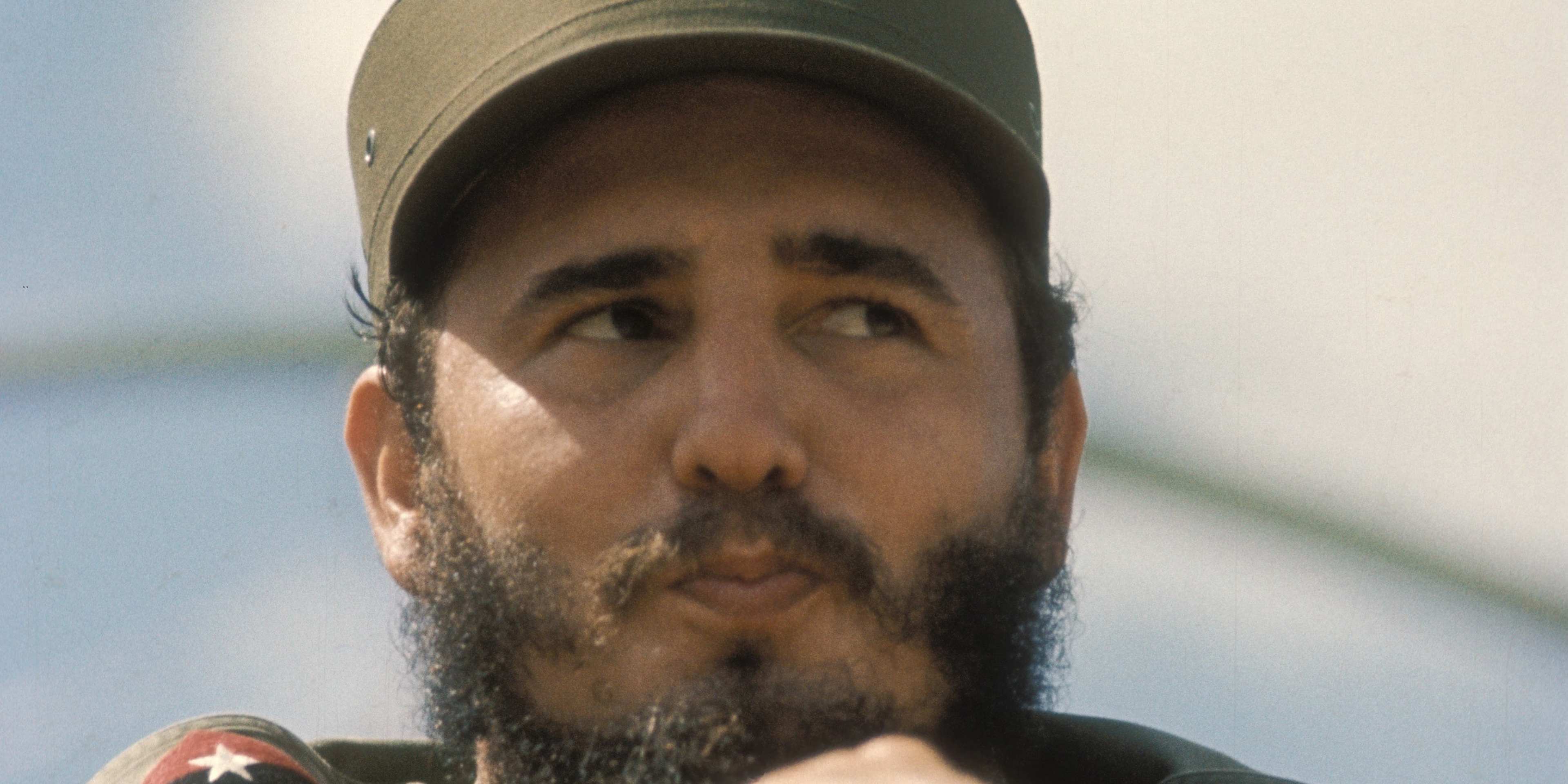
Fidel Castro
 Cuba
Cubapolitician•revolutionary•lawyer
Also known as: El Comandante, Fidel, Fidel Castro Ruz
Birthday
August 13, 1926
Birth Sign
Leo
Birthplace
Birán, Oriente Province, Cuba
Age
Died at 90
Height
5 ft 11 in (180 cm)
About
Fidel Alejandro Castro Ruz was a Cuban revolutionary, politician, and military leader who served as the Prime Minister of Cuba from 1959 to 1976 and President from 1976 to 2008. He also held the title of First Secretary of the Communist Party of Cuba from 1965 until his voluntary retirement in 2011. A central figure in the Cold War, Castro led Cuba through the Bay of Pigs Invasion, the Cuban Missile Crisis, and decades of economic struggle following the collapse of the Soviet Union. He transformed Cuba into the first socialist state in the Western Hemisphere. His legacy remains deeply polarized globally, with supporters viewing him as a champion of anti-imperialism and social justice, while critics condemn his administration for human rights abuses and economic mismanagement. Recognized by Time Magazine as one of the "100 Most Important People of the 20th Century" in 1999, he is noted for his distinctive baritone voice and long, impassioned speeches that often lasted hours.
Early Life & Background
Born on August 13, 1926, on his parents' sugarcane farm El Rincón near Birán in the Oriente Province, Castro grew up in a household defined by class disparity. His father, Ángel Castro y Argiz, was a wealthy Spanish immigrant farmer, while his mother, Lina Ruz González, worked as a domestic servant before becoming his father's second wife. As the third child in a large family that included several half-siblings, Fidel experienced the rigid social hierarchies of rural Cuba firsthand. His education began at the Jesuit-run Colegio de Belén in Santiago de Cuba, where he excelled academically and developed a lifelong passion for literature and poetry. The strict discipline of the school environment sparked early rebellious sentiments against authority. In 1945, he enrolled at the University of Havana to study law, but his focus quickly shifted from legal theory to political activism. During these university years, he traveled to the Dominican Republic and Colombia to participate in rebellions against right-wing governments, solidifying his anti-imperialist ideology long before he ever seized power.
Career Growth
Castro's path to power began with a failed assault on the Moncada Barracks in 1953, an attack intended to overthrow dictator Fulgencio Batista. Imprisoned for two years, he wrote his defense speech History Will Absolve Me, which became a foundational text for his movement. After his release, he fled to Mexico where he formed the 26th of July Movement alongside his brother Raúl Castro and Ernesto Che Guevara. In December 1956, they returned to Cuba aboard the yacht Granma to launch a guerrilla war in the Sierra Maestra mountains. By January 1959, Batista had fled the country, and Castro entered Havana as a hero, assuming power as Prime Minister in February of that year. In 1961, he formally declared Cuba a socialist state and aligned closely with the Soviet Union. This alliance culminated in the 1962 Cuban Missile Crisis, bringing the world to the brink of nuclear war. Castro remained the head of state until July 2008, when health issues forced him to transfer power to his brother Raúl. He officially retired from the presidency in 2011 and passed away five years later.
Career Timeline
Public Image & Style
Castro's public image is deeply polarized across the globe. Supporters view him as a champion of the poor, a defender of national sovereignty, and a visionary who improved education and healthcare in Cuba. Critics view him as a totalitarian dictator responsible for human rights abuses, the suppression of dissent, and the economic stagnation of the island nation. His style was characterized by long, impassioned speeches, often lasting hours, delivered in a distinctive baritone voice. He rarely appeared in formal suits, preferring his signature olive green fatigues which became a cultural icon. He stood approximately 5 feet 11 inches tall and was described as having a robust build in his younger years.
Fame & Fandom (iFAMOUS Rankings)
iFANN has not yet collected fame data for this person. While there is no formal fandom name documented in iFANN records, supporters of Castro form a dedicated base known as Castroistas or simply revolutionaries. Fan campaigns include annual commemorations of his birthday, protests against US sanctions, and online discussions defending his legacy. The movement is highly organized in some Latin American countries and among leftist groups globally, but it lacks the commercialized aspects of celebrity fandoms. In 2026, the centenary of his birth marked significant global discourse, with the Democratic Socialists of America issuing tributes that sparked controversy in the US.
Interesting Facts and Legends
Castro almost exclusively wore olive-green military fatigues throughout his public life, owning dozens of identical uniforms that became a global symbol of revolution. He was famous for smoking large cigars, often claiming to smoke up to 20 a day, though this number varied. Despite being a native Spanish speaker, he spoke fluent English and French, frequently using them in diplomatic settings. He was also an avid reader and writer, composing poetry and essays throughout his life. For decades, he concealed the extent of his health problems, including Parkinson's disease and severe gastrointestinal issues, until his eventual retirement. He received the Lenin Peace Prize multiple times between 1972 and 1990 and was recognized by Guinness World Records as the longest-serving non-royal head of state in history.
Notable Quotes
“History will absolve me.”
“The revolution is not a bed of roses.”
“I would rather be a peasant with a gun than a king without one.”
“Death is not the end; it is just a change of scenery.”
Family & Personal Life
Castro was born into a complex family structure on a sugarcane farm. His father, Ángel Castro y Argiz, was a wealthy Spanish immigrant, and his mother, Lina Ruz González, was a former domestic servant. As the third child, he had numerous half-siblings from his father's previous marriages. His son, Fidel Alberto Castro Díaz-Balart, was born in 1949 from his first marriage. His daughter, Alina Fernández, was born in 1956 from a relationship with Nora Domínguez. Alina eventually defected to the United States in 1993. Castro had five sons with Dalia Soto del Valle: Antonio, Alejandro, Alex, Andrés, and Ángel. Soto del Valle managed much of his personal affairs and remained known for her low profile despite her proximity to power. At the time of his death, Castro was widowed.
Notable Connections
Raúl Castro, Ernesto Che Guevara, Hugo Chávez, Mirta Díaz-Balart, Dalia Soto del Valle, Alina Fernández, Fulgencio Batista.
Relationships & Dating History
Fidel Castro was married twice and had children with both wives, though he maintained long-term relationships with other women later in life. His first marriage was to Mirta Díaz-Balart, whom he met while she was a student at the University of Havana. They married in 1948. Their son, Fidel Alberto Castro Díaz-Balart, was born in 1949. The marriage ended in divorce in 1955 after Castro's revolutionary activities intensified and he moved into hiding. Mirta and their son eventually emigrated to the United States.
Before meeting Dalia, Castro had a relationship with Nora Domínguez, a medical student, with whom he had a daughter, Alina Fernández, born in 1956. The relationship ended before the revolution fully took hold. Alina later defected to the United States in 1993. Shortly after the revolution, Castro began a partnership with Dalia Soto del Valle, a former teacher and nurse. They never legally married but lived together for over 50 years until his death. They had five sons together: Antonio, Alejandro, Alex, Andrés, and Ángel. Soto del Valle managed much of his personal affairs and was known for her low profile despite her proximity to power. As of his death on 25 November 2016, Fidel Castro was widowed.
- MarriedMirta Díaz-Balart1948 - 1955Mother of his eldest son Fidel Alberto; divorced as he went underground.
- DatedNora Domínguez1950 - 1956Mother of his daughter Alina Fernández; relationship ended before the revolution.
- DatedDalia Soto del Valle1959 - 2016Long-term partner of over 50 years; mother of five sons; never legally married.
Death & Aftermath
Died
November 25, 2016 (aged 90)
Death Place
Havana, Cuba
Cause of Death
Complications from intestinal hemorrhage and infection
Fidel Castro remained in seclusion following his final public appearance at the National Assembly on February 19, 2008, before passing away in his sleep at a Havana hospital early on November 25, 2016. Reactions to the announcement were sharply divided across the globe, with U.S. President Barack Obama describing him as a complex historical figure while acknowledging human rights abuses under his regime, whereas leaders in Venezuela, Bolivia, and Ecuador offered glowing tributes to the revolutionary icon. A seven-day period of official mourning was declared throughout Cuba, featuring half-mast flags and suspended public events, while communities in the United States observed moments of silence or held vigils celebrating the end of his rule. The state organized a grand funeral procession that traveled several hundred kilometers from Havana to Santiago de Cuba, where Castro was interred at the Santa Ifigenia Cemetery next to national hero José Martí on December 5, 2016.
The service included military honors and speeches delivered by prominent figures such as Venezuelan President Nicolás Maduro, but the burial itself remained private regarding access despite the national broadcast of the procession. In the years following his death, the centenary of his birth was marked by events highlighting his political impact amidst ongoing economic challenges, yet no new films, books, or hall-of-fame inductions were created specifically in his name immediately after 2016. His family largely remained out of the public eye, with Raúl Castro serving as the primary voice representing their perspective while the state continued to manage the minimal personal assets left behind.
Net Worth (Estate Value)
$0
iFANN Editorial Team estimate
As a communist revolutionary who nationalized private property and lived under a state-controlled economy, Fidel Castro did not accumulate personal wealth in the conventional sense. He famously rejected personal luxury, living in modest quarters within the government complex. Upon his death, there was no significant estate to probate in the traditional sense. The state absorbed his assets. Reports indicate that his personal belongings were distributed among family members or kept by the state, but no multi-million dollar fortune was left behind. The wealth of the Castro regime is distinct from his personal net worth, with the state controlling Cuba's entire economy. His income was a standard government salary, which was negligible compared to global standards. iFANN currently estimates his net worth at approximately $0 to $1 million, representing minor personal effects rather than liquid wealth.
Awards Won (4)
Castro received numerous international honors, many contested by Western nations. He was awarded the Lenin Peace Prize multiple times between 1972 and 1990 by the Soviet Union. He also received the Order of the Star of Vietnam and the Jawaharlal Nehru Award for International Understanding from India in 1985. Recognized by Guinness World Records as the longest-serving non-royal head of state in history, serving for 49 years, he was named one of the 100 Most Important People of the 20th Century by Time Magazine in 1999.
1990 · Peace
Contribution to peace and socialism
1988 · Peace
Contribution to peace and socialism
1972 · International Relations
Support of Vietnamese revolutionary cause
Known For
Cuban Revolution
1959 · Leader
Cuban Missile Crisis
1962 · Key Figure
History Will Absolve Me
1953 · Author/Speaker
Keywords
Sources
Quick Facts
- Profession
- politician, lawyer, partisan
- Born
- August 13, 1926
- Birthplace
- Birán, Cuba
- Died
- November 25, 2016
- Death Place
- Havana, Cuba
- Gender
- Male
- Spouse
- Mirta Díaz-Balart, Dalia Soto del Valle
- Birth Sign
- Leo
Personal Details
- Full Name
- Fidel Alejandro Castro Ruz
- Height
- 5 ft 11 in (180 cm)
- Spouse
- Mirta Díaz-Balart, Dalia Soto del Valle
- Children
- Fidel Alberto Castro Díaz-Balart, Alina Fernández, Antonio Castro Soto del Valle, Alejandro Castro Soto del Valle, Alex Castro Soto del Valle, Andrés Castro Soto del Valle, Ángel Castro Soto del Valle
- Education
- Jesuit-run Colegio de Belén; University of Havana (Law)
Filmography
12
Total
8
Film
4
TV
Frequently Asked Questions
How old was Fidel Castro when he died?
Who succeeded Fidel Castro as the leader of Cuba?
Did Fidel Castro have any children?
What was Fidel Castro's main cause of death?
Is Fidel Castro still alive in 2026?
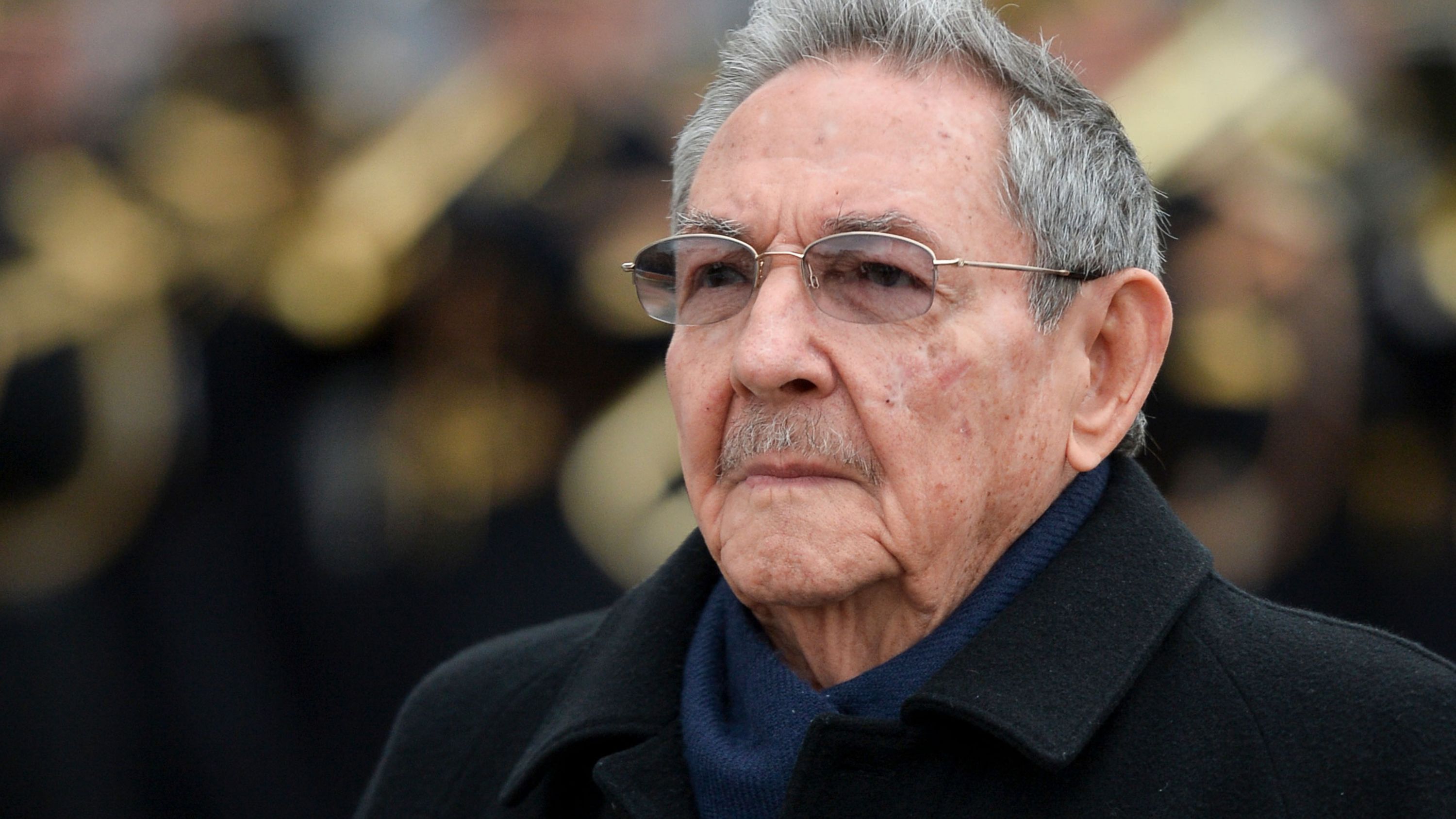
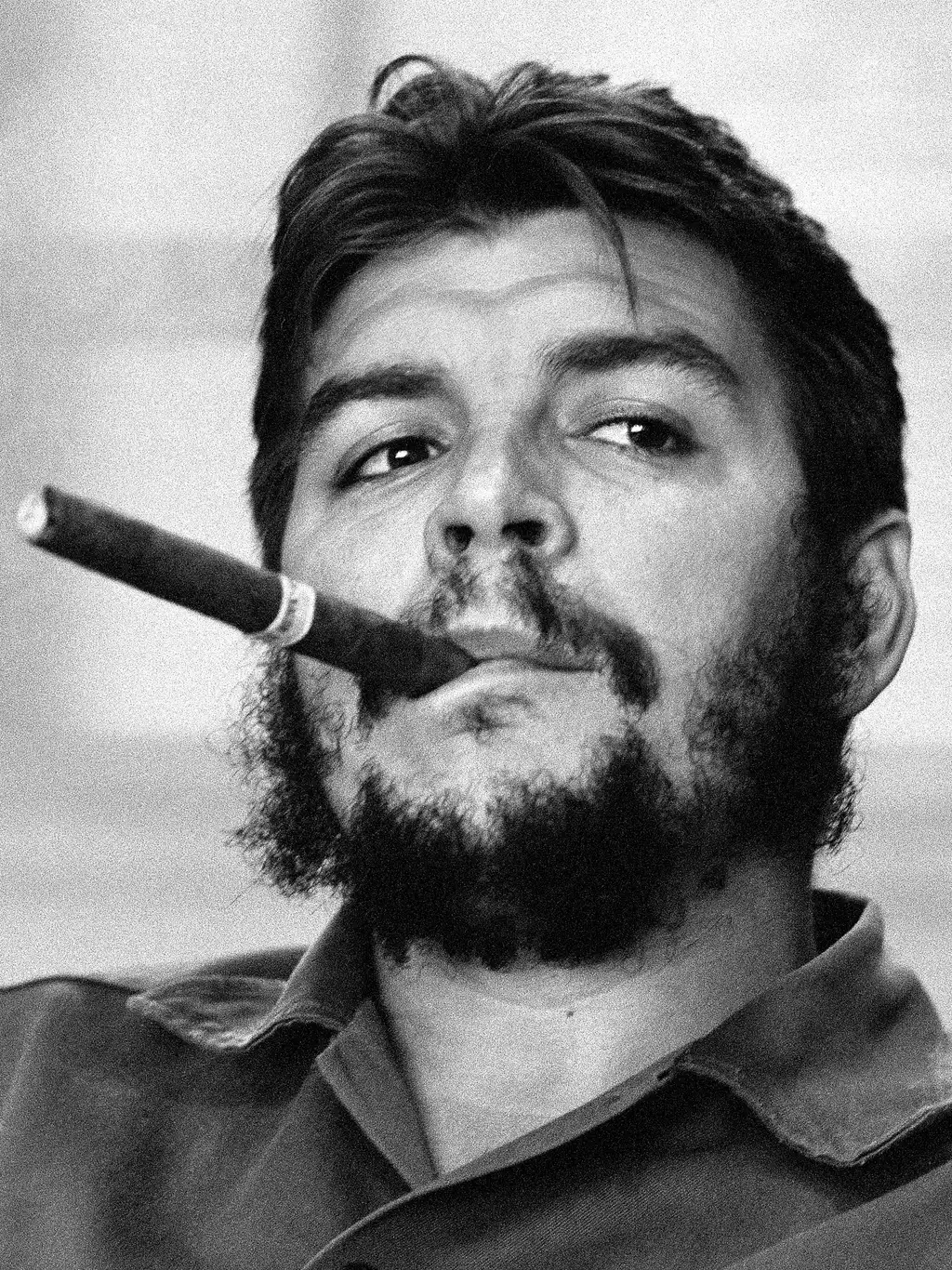
Join the community
fans discussing