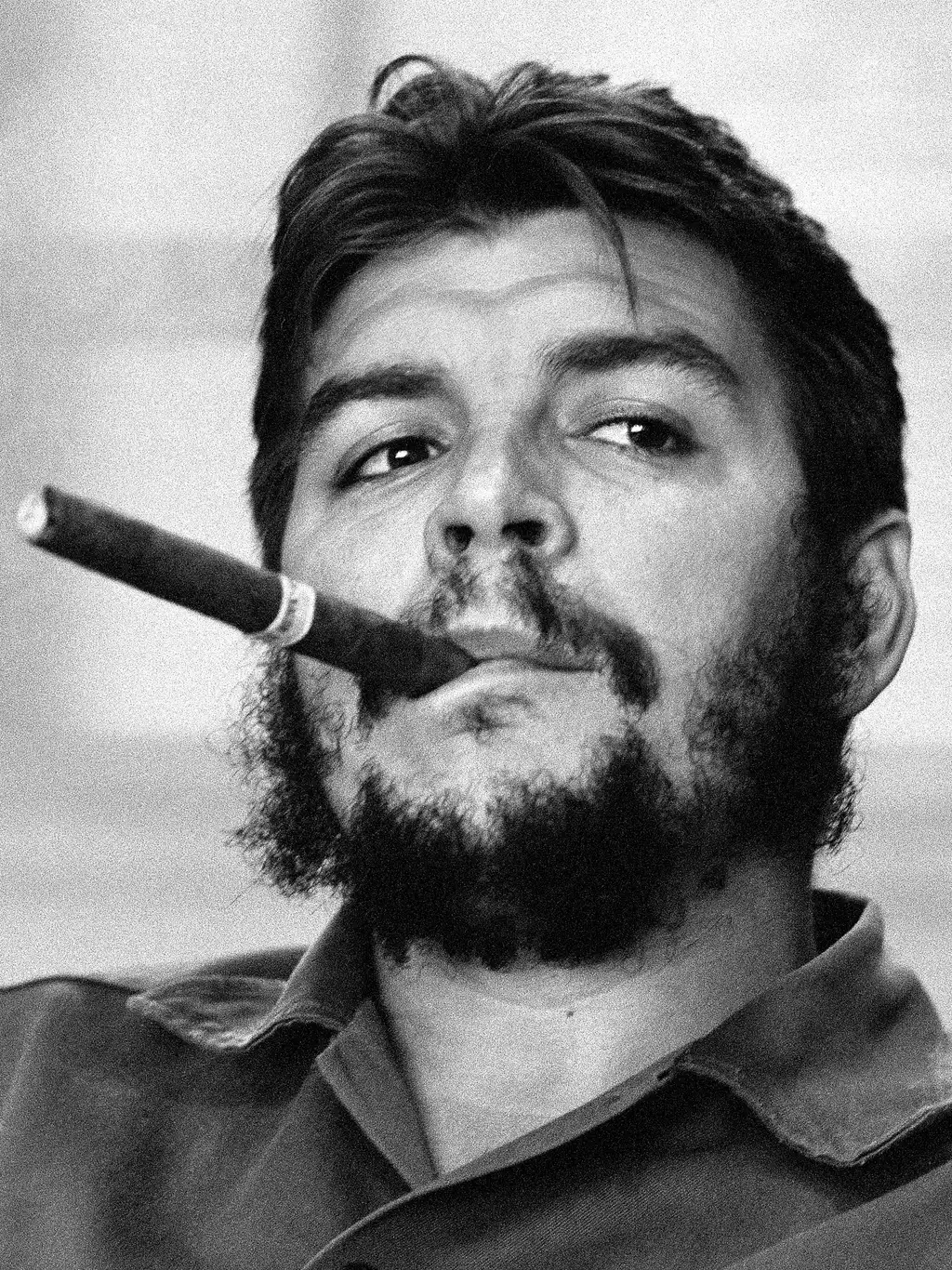
Che Guevara
 Argentina
Marxist revolutionary•physician•author•guerrilla leader•diplomat•military theorist
Also known as: Ernesto Guevara, El Che, Che, Ernesto Guevara de la Serna
Birthday
May 14, 1928
Birth Sign
Taurus
Birthplace
Rosario, Argentina
Age
Died at 39
Height
5 ft 9 in (175 cm)
About
Ernesto "Che" Guevara de la Serna was an Argentine Marxist revolutionary, physician, author, and military theorist who became a central figure in the Cuban Revolution. Born in Rosario, Argentina, on May 14, 1928, he studied medicine before a transformative motorcycle journey across South America exposed him to the region's pervasive poverty and injustice. That trip, chronicled in his memoir The Motorcycle Diaries, ignited his political awakening and set him on a path toward armed struggle.
Guevara's early activism included witnessing the CIA-orchestrated overthrow of Guatemala's reformist president Jacobo Árbenz, which deepened his anti-imperialist convictions. In Mexico City, he met Fidel and Raúl Castro, joined their 26th of July Movement, and sailed to Cuba aboard the yacht Granma. During the two-year guerrilla campaign against dictator Fulgencio Batista, Guevara rose to second-in-command and played a pivotal role in the revolution's triumph in 1959.
In the new Cuban government, Guevara held several key posts: president of the National Bank, minister of industries, and instructional director for the armed forces. He helped implement agrarian reform, spearheaded a successful literacy campaign, and trained militia forces that repelled the Bay of Pigs invasion. His decision to bring Soviet nuclear missiles to Cuba triggered the 1962 Cuban Missile Crisis. A prolific writer, he authored Guerrilla Warfare, a manual that influenced insurgencies worldwide, and his diaries and essays remain widely read. His life was cut short at age 39 when he was captured and executed in Bolivia on October 9, 1967, while attempting to foment revolution there. Today, his image, captured in Alberto Korda's famous photograph Guerrillero Heroico, endures as a global symbol of rebellion, even as his legacy remains fiercely debated.
Early Life & Background
Che Guevara was born into an upper-middle-class family in Rosario, Argentina, the eldest of five children. His parents, Ernesto Guevara Lynch and Celia de la Serna, were politically active and well-read, and their home was filled with books and leftist discussion. From an early age, Che suffered from severe asthma, a condition that shaped his childhood and forced him to spend many days indoors. Yet he refused to let it limit him, taking up sports like rugby and chess, and developing a deep love for poetry and philosophy.
He studied medicine at the University of Buenos Aires, graduating in 1953, but his real education came from the road. In 1952, he and his friend Alberto Granado set off on a motorcycle journey across South America, traveling through Chile, Peru, Colombia, and Venezuela. The trip, later immortalized in The Motorcycle Diaries, exposed him to the harsh realities of poverty, exploitation, and disease among the continent's working class. He saw miners dying in the Atacama Desert, lepers shunned by society, and indigenous communities stripped of their land. The experience radicalized him, and he began to see Latin America's problems as systemic rather than isolated.
After graduating, he traveled again, this time to Guatemala, where he arrived in 1954 just as the CIA-backed coup against President Jacobo Árbenz was unfolding. He had been working as a doctor in a hospital in Mexico City, but the coup convinced him that only armed revolution could bring about real change. He later wrote that Guatemala was the moment he stopped being a mere observer and became a committed revolutionary.
Career Growth
Che Guevara's revolutionary career took off after he met Fidel and Raúl Castro in Mexico City in 1955. He joined their 26th of July Movement, and in November 1956, he sailed with them aboard the yacht Granma to Cuba. The landing was a disaster, and most of the men were killed or captured, but Guevara survived and retreated into the Sierra Maestra mountains with a small band of guerrillas. Over the next two years, he proved himself a brilliant military strategist and a fearless leader, earning the rank of Comandante and becoming Fidel's trusted second-in-command.
The revolution succeeded in January 1959, and Guevara was thrust into the center of Cuban political life. He served as president of the National Bank, where he signed currency with just his nickname "Che," and later as minister of industries, overseeing the nationalization of factories and the implementation of agrarian reform. He also spearheaded the literacy campaign that taught hundreds of thousands of Cubans to read, and he helped train the militia that repelled the CIA-backed Bay of Pigs invasion in April 1961. His role in bringing Soviet nuclear missiles to Cuba in 1962 brought the world to the brink of nuclear war, though he later advocated for a more independent, anti-Soviet line.
In 1965, Guevara left Cuba to spread revolution abroad, first to the Congo and then to Bolivia. His Bolivian campaign was fraught from the start, plagued by poor planning, lack of local support, and CIA involvement. He was captured on October 8, 1967, and executed the next day in the village of La Higuera. His death made him a martyr, and his posthumous fame, fueled by Alberto Korda's photograph Guerrillero Heroico, turned him into a global icon of rebellion.
Career Timeline
Public Image & Style
Che Guevara's public image is a study in contradictions. He is simultaneously a romanticized martyr and a controversial figure, celebrated by some as a champion of the oppressed and condemned by others as a violent revolutionary. His signature beret, beard, and military fatigues, immortalized in Alberto Korda's photograph Guerrillero Heroico, have become a universal symbol of rebellion, emblazoned on t-shirts, posters, and murals worldwide.
Fans, often called "Cheheads," treat his image as protest art, wearing it to signify anti-establishment sentiment. Annual commemorations on his birthday and death anniversary draw crowds in Latin America and beyond. At the same time, critics point to his role in the execution of political prisoners in Cuba and his advocacy for armed struggle as evidence of authoritarianism. His image has been co-opted by fashion brands and advertisers, often stripped of its political context, which has led to debates about the commodification of revolution.
In the digital age, his legacy lives on through social media, where hashtags like #CheGuevara trend during anniversaries, and his speeches and writings are widely shared. His ideas on cultural imperialism and global solidarity resonate with new generations of activists, even as his methods remain contested.
Fame & Fandom (iFAMOUS Rankings)
Che Guevara stands as the 307th most famous person in the world, a position he has held steady through decades of cultural resonance. His influence transcends borders, marking him as the 7th most famous person from Argentina and placing him at the 50th most famous person in Politics according to the iFANN Global Fame Rankings. This enduring prominence reflects a global attention span that tracks media coverage, search activity, and consumption signals worldwide without diminishing over time.
While no formal fandom name exists for his followers, the devotion surrounding his legacy is profound and decentralized. Adherents, often identifying as revolutionaries or Marxists, treat his image not as a commercial product but as a political manifesto. The ritual of pilgrimage draws visitors to his burial site in Santa Clara and his birthplace in Rosario, where they engage with the "New Socialist Citizen" ideal he championed. Modern tributes include the planning of new sculptures in Mexico City and the 2026 documentary *Les Survivants du Che*, which premiered at Cannes to explore the final days of his life. Fans share his quotes on social justice and wear his likeness as a form of identification, though critics argue this sometimes reduces a complex historical figure to a romantic symbol detached from his actual writings.
Interesting Facts and Legends
Beyond his revolutionary activities, Che was an avid chess player who composed poetry under pseudonyms and maintained a rigorous reading habit that included Pablo Neruda, Federico García Lorca, and Karl Marx. Despite suffering from asthma, he was a formidable rugby player in his youth, earning the aggressive nickname "Fuser." He frequently performed medical procedures during combat, operating on wounded soldiers even while under fire. His comrades adopted the Argentine interjection "Che," used by him to grab attention, as his primary moniker. The iconic photograph *Guerrillero Heroico* by Alberto Korda was taken in 1960 but remained unpublished until after his death, eventually becoming one of the most reproduced images in history.
The mythology surrounding his final days centers on his capture and execution in Bolivia in October 1967, an event that cemented his status as a martyr. A story fans still retell involves the recovery of his remains, which were exhumed and identified in 1997, confirming the location of his secret burial. Another verified moment of legend occurred during his UN speech in 1964, where he spoke for three hours denouncing imperialism, a performance that continues to be referenced in modern discussions of his diplomatic impact.
Notable Quotes
“The revolution is not an apple that falls when it is ripe. You have to make it fall.”
“I am not a hero. I am just a man who wants to help others.”
“Education should not be a privilege, so the children of those who have money can study.”
“If you tremble with indignation at every injustice, then you are a comrade of mine.”
Family & Personal Life
Che Guevara's parents were Ernesto Guevara Lynch, a civil engineer, and Celia de la Serna, a wealthy heiress. He was the eldest of five children, and his siblings included Celia, Roberto, Ana María, and Juan Martín. The family was politically progressive, and his mother was a feminist and socialist who encouraged open debate at home.
Guevara married Peruvian economist Hilda Gadea in 1955, and they had a daughter, Hilda Beatriz, born in 1956. The marriage dissolved in 1959, shortly after the revolution, due to ideological differences and his growing commitment to revolutionary work. He then married Aleida March, a Cuban revolutionary he had met during the war, in 1959. They had four children: Aleida, Camilo, Celia, and Ernesto. Aleida March survived him and has managed his estate and legacy, including his diaries and photographs, ever since.
Notable Connections
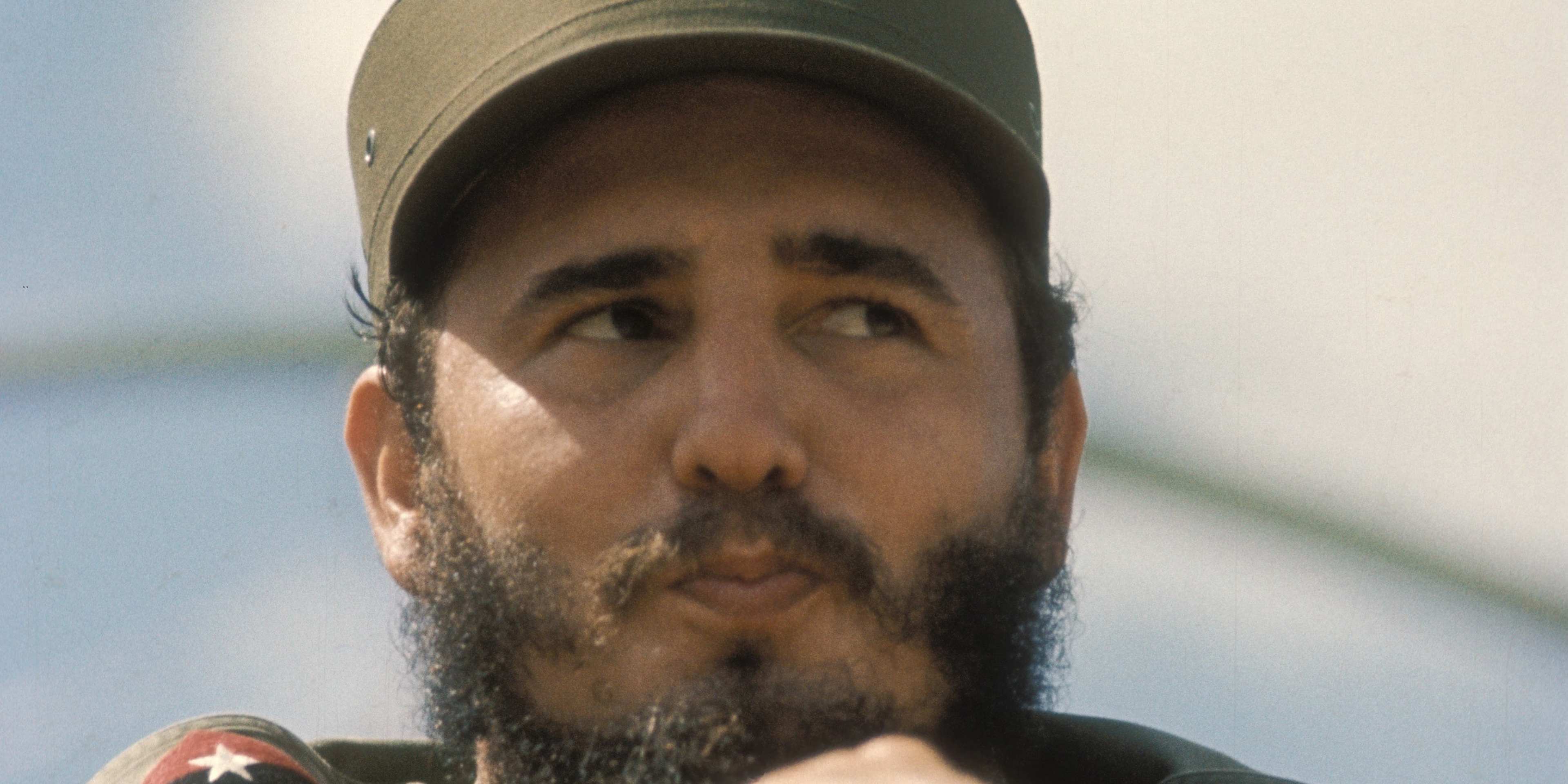
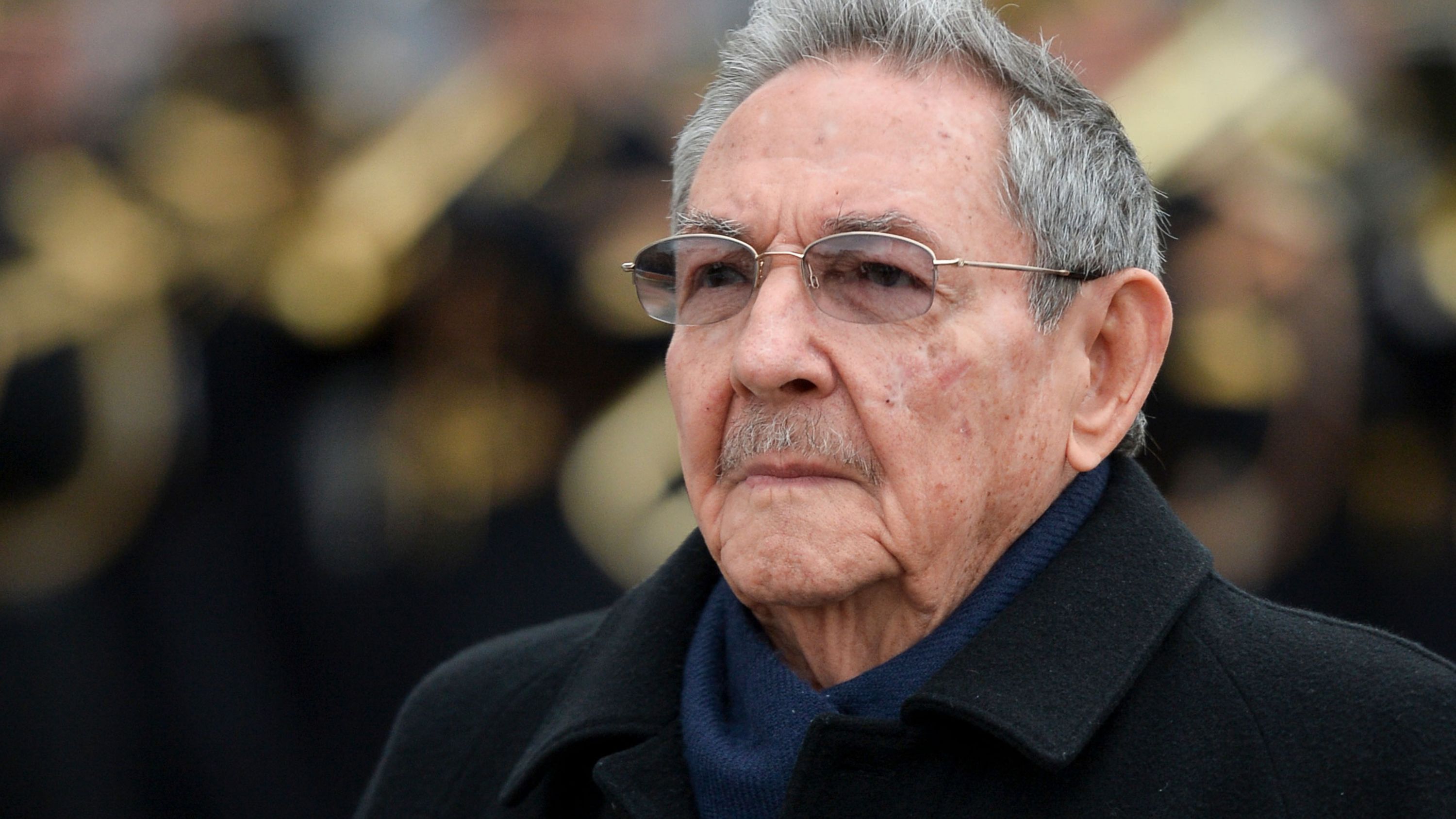
Che Guevara's life was intertwined with several key figures. Fidel Castro was his closest ally and fellow leader of the Cuban Revolution. Raúl Castro, Fidel's brother, was also a co-conspirator. His first wife, Hilda Gadea, was a Peruvian economist who introduced him to revolutionary circles in Mexico. His second wife, Aleida March, was a Cuban revolutionary who remained his partner until his death. Photographer Alberto Korda captured the iconic Guerrillero Heroico image, and Camilo Cienfuegos was a fellow revolutionary who died in a plane crash in 1959.
Relationships & Dating History
Che Guevara's personal life was marked by two marriages. His first marriage was to Hilda Gadea, a Peruvian economist, in 1955. They met in Mexico City, where she was active in leftist circles. Their daughter, Hilda Beatriz, was born in 1956. The marriage ended in divorce in 1959, largely due to Guevara's devotion to the revolution and his relationship with Aleida March.
He married Aleida March in 1959, shortly after the revolution. Aleida had been a member of the 26th of July Movement and they had met during the guerrilla war. They had four children together. The marriage lasted until his death in 1967, and Aleida March has since dedicated herself to preserving his legacy. There are no credible reports of other romantic relationships, despite rumors that have been dismissed by historians.
- MarriedHilda Gadea1955 - 1959Met in Mexico City; had one daughter, Hilda Beatriz; divorced due to ideological differences.
- MarriedAleida March1959 - 1967Met during the Cuban Revolution; had four children; remained married until his death.
Death & Aftermath
Died
October 9, 1967 (aged 39)
Death Place
La Higuera, Beni Department, Bolivia
Cause of Death
Execution by firing squad
Ernesto Guevara spent his final days hiding in the Quebrada del Yuro canyon, where he had led a guerrilla campaign against the Bolivian government. On October 8, 1967, he was wounded in the leg during an ambush by soldiers led by Captain Gary Prado Salmón and captured alive. He was transported to a small schoolhouse in La Higuera, where he was held overnight before Bolivian President René Barrientos Ortuño ordered his immediate execution to prevent rescue or martyrdom. Lieutenant Mario Terán carried out the firing squad on October 9, 1967, at approximately 1:00 p.m., ending the life of the 39-year-old revolutionary without trial.
The body was left unburied in a ravine to avoid creating a shrine. Public reaction transformed Guevara into a global symbol of resistance immediately after his death. Fidel Castro delivered a eulogy titled Words to the Cuban People, praising him as a perfect example of a revolutionary, while tributes poured in from communist leaders and intellectuals worldwide. In the United States and Europe, fan vigils featured moments of silence and displays of Alberto Korda's Guerrillero Heroico photograph. Sales of his writings surged dramatically, and memorial murals appeared across Latin America, Europe, and the United States as enduring symbols of anti-imperialist sentiment.
For decades, his remains were secretly buried in a mass grave near the schoolhouse in La Higuera. In 1997, Cuban archaeologists and Bolivian officials located and exhumed the bones through forensic analysis. On October 17, 1997, the remains were reburied in a mausoleum in Santa Clara, Cuba, attended by Fidel Castro, family members including his wife Aleida March, and other Cuban leaders. Posthumous releases include the documentary Che Guevara: The Last Companions, which premiered at the Cannes Film Festival in 2026, alongside numerous biographies and foundations dedicated to social justice causes.
Net Worth (Estate Value)
$12 Million
iFANN Editorial Team estimate
Che Guevara died in poverty, leaving no personal wealth behind, yet his estate has evolved into a significant financial entity managed by his widow Aleida March and their children. Per iFANN's editorial analysis, the estate's value is estimated at around $12 million as of 2026, a figure reflecting the enduring commercial appeal of his image and writings. Primary revenue streams include licensing fees for the *Guerrillero Heroico* photograph, which appears on countless products ranging from t-shirts to coffee mugs. Book royalties from *The Motorcycle Diaries*, *Guerrilla Warfare*, and his published diaries and essays contribute a steady income. Film and documentary rights, such as the 2008 biopic *Che* starring Benicio del Toro, generate substantial payments. The estate also earns from merchandise, educational licenses for universities and museums, and real estate holdings in Cuba and Argentina. In recent years, the estate has benefited from renewed interest in his legacy, with the 2026 documentary *Che Guevara: The Last Companions* premiering at Cannes and new sculptures being planned in Mexico City. While the estate's value fluctuates with cultural trends, the iconic nature of his image ensures a lasting financial legacy.
Awards & Accolades
View 7 records, honours and achievementsKnown For
Cuban Revolution
1953 · Comandante and strategist
The Motorcycle Diaries
1993 · Author
Guerrilla Warfare
1961 · Author
Minister of Industries of Cuba
1961 · Government official
Keywords
Sources
Quick Facts
- Profession
- Marxist revolutionary, physician, author, guerrilla leader, diplomat, military theorist
- Born
- May 14, 1928
- Birthplace
- Rosario, Argentina
- Died
- October 9, 1967
- Death Place
- La Higuera, Bolivia
- Gender
- Male
- Spouse
- Hilda Gadea, Aleida March
- Children
- 5
- Height
- 5 ft 9 in (175 cm)
Personal Details
- Full Name
- Ernesto Guevara de la Serna
- Height
- 5 ft 9 in (175 cm)
- Spouse
- Hilda Gadea (m. 1955–1959), Aleida March (m. 1959–1967)
- Children
- Hilda Beatriz Guevara Gadea, Aleida Guevara March, Camilo Guevara March, Celia Guevara March, Ernesto "Ciro" Guevara March
- Education
- University of Buenos Aires (MD)
Frequently Asked Questions
What was Che Guevara's full name?
How did Che Guevara die?
Who were Che Guevara's wives?
What is Che Guevara's net worth today?
Is Che Guevara still alive?
Similar People
Join the community
fans discussing