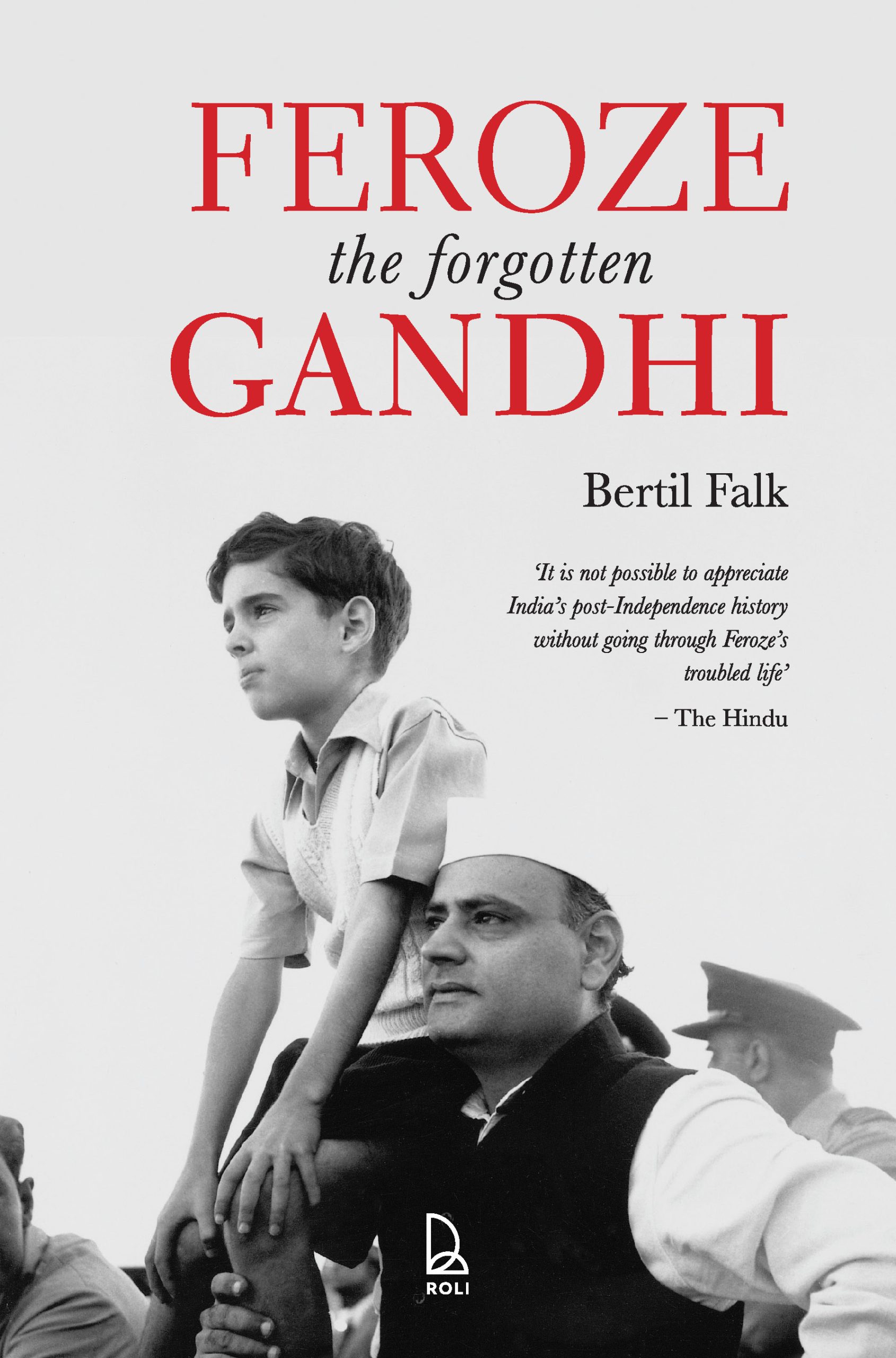
Feroze Gandhi
 India
Indiapolitician•journalist•freedom fighter
Also known as: Feroze Jehangir Ghandy, Feroze Ghandy
Birthday
September 12, 1912
Birth Sign
Virgo
Birthplace
Mumbai, Maharashtra, India
Age
Died at 47
About
Feroze Jehangir Gandhi stands as a defining figure in modern Indian history, renowned for his unwavering integrity as both a journalist and a politician. Born Feroze Jehangir Ghandy, he adopted the surname Gandhi upon marrying Indira Nehru in 1942, a decision that marked the beginning of his public life within the prominent Nehru-Gandhi political dynasty. He served as a Member of Parliament for Rae Bareli, where he was celebrated for his independent streak and refusal to bow to party pressure. As a journalist, he co-founded The National Herald in 1938 alongside Jawaharlal Nehru and published The Navjivan, using these platforms to advocate for social justice and critique government policies. His political career ended abruptly with his untimely death in 1960, just four days before his 48th birthday. He is remembered globally for his courage in challenging authority, most notably by investigating the Mundhra scandal which implicated his own party and father-in-law, Prime Minister Jawaharlal Nehru. This act earned him the reputation of India's first political whistleblower. His legacy continues through his sons, particularly Rajiv Gandhi, who also became Prime Minister of India, cementing his place as a symbol of anti-corruption and truth.
Early Life & Background
Born on September 12, 1912, in Mumbai, Maharashtra, Feroze grew up in a cosmopolitan Parsi family. His father, Faredoon Jehangir Ghandy, worked as a marine engineer, and his mother was Ratimai Commissariat. The family environment exposed him to diverse cultures and ideas early on, fostering an intellectual curiosity that would shape his future. He attended the Cathedral and John Connon School in Bombay before moving to England for higher education. He later studied at St. Xavier's College in Mumbai and completed his degree in Economics at Oxford University. His time at Oxford was formative, exposing him to international political thought and journalism, which would define his future career path. Before entering politics, he established himself as a writer and journalist, contributing to various publications and developing a voice that would later define his political career. His early work focused on social justice and the rights of the common man, setting the stage for his future activism. He was deeply involved in the Quit India Movement and spent time in prison for his participation in the struggle for independence, demonstrating his commitment to freedom long before his electoral victories.
Career Growth
Feroze Gandhi's professional journey began in journalism, where he co-founded The National Herald in 1938 alongside his father-in-law, Jawaharlal Nehru. He also published The Navjivan, using these platforms to advocate for social justice and critique government policies. After India gained independence, he transitioned into politics, serving in the Uttar Pradesh Legislative Assembly from 1950 to 1952. In 1952, he won a seat in the Lok Sabha representing the Rae Bareli constituency, a position he held until his death. His most significant achievement came during the investigation into the Mundhra scandal in 1957–1958. This daring move challenged his own party and his father-in-law over fraudulent cement licenses issued by Hindustan Steel Limited. His relentless pursuit of truth highlighted his commitment to public integrity over political loyalty, earning him the title of India's first political whistleblower. His work as a parliamentarian and journalist left a lasting impact on Indian democracy, establishing a precedent for accountability even within one's own political circle. Recent events in 2026, such as the discovery of his driving license, have renewed interest in his specific contributions to the nation's political landscape.
Career Timeline
Public Image & Style
Feroze Gandhi is portrayed as a principled leader who prioritized truth over power. His public image is rooted in his role as a fearless parliamentarian and journalist who was willing to challenge authority even within his own family. He is often depicted as an intellectual with a sharp wit and a strong moral compass. His Parsi heritage added a layer of inter-faith significance to his family's story, distinguishing him from the Hindu background of his wife and father-in-law. His legacy is one of integrity and anti-corruption, making him a respected figure in Indian political history. Unlike modern celebrities, he does not have a branded fanbase with rituals or campaigns. His supporters are primarily political adherents of the Indian National Congress and followers of the Nehru-Gandhi lineage, who view him as a symbol of integrity. His name remains immortalized in biographies and historical analyses, ensuring his contributions to Indian independence and journalism remain part of the national narrative.
Fame & Fandom (iFAMOUS Rankings)
Feroze Gandhi currently holds no placement in the published Global Top 1,000 or any Top-100 scope list maintained by iFANN. The evaluation indicates that while his historical significance is undisputed, he does not command a quantified position within the current global fame rankings. This absence of a numerical rank reflects the distinction between political legacy and contemporary celebrity metrics, where his influence remains rooted in historical record rather than active fandom circulation. Unlike modern entertainers who cultivate organized fanbases with specific names, rituals, and chart-pushing campaigns, Feroze Gandhi has no documented fandom name. The groups maintaining a connection to him are primarily political supporters of the Indian National Congress and adherents of the Nehru-Gandhi lineage, operating as partisans rather than fans in the pop-culture sense. There are no records of birthday billboards, fan-funded charitable projects, or dedicated online communities branded under a specific title for him. While recent events involving the retrieval of his driving license or political disputes over his grave demonstrate enduring public interest, these acts represent political heritage preservation and partisan contention rather than the activities of a formal fanbase. Consequently, the audience for his life story consists of historians, political observers, and family supporters, none of whom have coalesced into an organized fandom with a unique identity or official designation.
Interesting Facts and Legends
Historical accounts vary slightly on whether the spelling shifted from Ghandy to Gandy during the transition to the surname Gandhi. A recurring narrative in political lore describes his sharp criticism of his wife, labeling her a "fascist" within government corridors, highlighting their complex dynamic before her rise to power. His sudden death from a heart attack at age 47, just days before his 48th birthday, cemented his image as a figure of lost potential who left Indira Gandhi to navigate the political landscape alone. In a modern echo of his legacy, his long-lost driving license was discovered in January 2026 by Rahul Gandhi in Rae Bareli, serving as a tangible link between the past and present political era. Specific details about his height are not widely documented in standard biographical sources. Recent reporting emphasizes his characterization of Indira Gandhi as a "fascist" and his criticism of the Congress party for "bullying" people. Additionally, in July 2026, a commercial hub project near the Feroze Gandhi Market in Ludhiana was approved, keeping his name relevant in urban development contexts. These facts illustrate how his personal life and legacy continue to intersect with contemporary events decades after his passing.
Notable Quotes
“He famously called Indira a 'fascist' in private corridors.”
“He criticized the Congress party for 'bullying' people.”
Family & Personal Life
Feroze was born into a Parsi family in Mumbai, distinct from the Hindu background of his wife and father-in-law, adding a layer of inter-faith significance to their union. His father was Faredoon Jehangir Ghandy, a marine engineer, and his mother was Ratimai Commissariat. He married Indira Nehru on March 26, 1942. The couple had two sons: Rajiv Gandhi, who later became the Prime Minister of India, and Sanjay Gandhi. Their relationship was complex; while they were partners in life and politics, Feroze was known for his sharp criticism of Indira's growing authoritarian tendencies within the government. Recent reporting from 2026 highlights that he famously called her a "fascist" in private corridors, reflecting their intense dynamic before her rise to power. There are no records of other romantic relationships or marriages prior to his union with Indira. He remained married to Indira until his death. His Parsi heritage and his role as the husband of India's first female Prime Minister made his family story a unique chapter in Indian history.
Notable Connections
Relationships & Dating History
Feroze Gandhi was married to Indira Nehru (later Indira Gandhi) on March 26, 1942. The couple had two sons: Rajiv Gandhi, who later became the Prime Minister of India, and Sanjay Gandhi. Their relationship was complex; while they were partners in life and politics, Feroze was known for his sharp criticism of Indira's growing authoritarian tendencies within the government. Recent reporting from 2026 highlights that he famously called her a "fascist" in private corridors, reflecting their intense dynamic before her rise to power. There are no records of other romantic relationships or marriages prior to his union with Indira. He remained married to Indira until his death. This partnership defined the trajectory of the Nehru-Gandhi political dynasty, blending personal affection with profound political disagreements that shaped the nation's history.
- MarriedIndira Gandhi1942 - 1960Married until his death; had two sons Rajiv and Sanjay.
Death & Aftermath
Died
September 8, 1960 (aged 47)
Death Place
New Delhi, India
Cause of Death
Complications from a heart attack
Feroze Jehangir Gandhi passed away on September 8, 1960, in New Delhi at the age of forty-seven, concluding a life marked by his service as a journalist and Member of Parliament. His final days were spent while actively engaged in political affairs, including his notable role in exposing the Mundhra scandal against the government led by his father-in-law, Jawaharlal Nehru. Historical records attribute his death to complications arising from a heart attack following a period of illness, establishing the cause as natural without evidence of foul play or disputed accounts regarding the date and location. His sudden demise left Indira Gandhi to navigate the political landscape alone, cementing his image as a figure of lost potential. He was cremated, and his ashes were subsequently scattered, though specific funeral arrangements are not detailed in the provided records. The immediate public reaction did not generate widespread tributes or vigils in the contemporary sense, yet his legacy endured through political discourse and media coverage of his life story. His memory remains a subject of ongoing political discussion and historical interest. Recent events highlight the continued relevance of his grave, which became the focus of political debates and maintenance concerns decades after his death. His name appears in contemporary biographies and articles discussing his career as a fearless parliamentarian and his personal history, ensuring his contributions to Indian independence and journalism remain part of the national narrative. The discovery of his driving license in 2026 further underscored the enduring fascination with his life and the circumstances surrounding his passing.
Net Worth (Estate Value)
$0
iFANN Editorial Team estimate
As Feroze Gandhi passed away in 1960, he does not have a current net worth in the modern financial sense. His estate's value is not publicly quantified in contemporary terms, but his legacy is maintained through the continued influence of the Gandhi family in Indian politics. Any posthumous earnings or estate management are handled by the family trust, though specific figures are not disclosed in public records. The iFANN Editorial Team estimates his estate's value based on historical context and family wealth, but exact figures remain unavailable due to the passage of time and lack of public disclosure. While he accumulated assets through his journalism and political career, the focus remains on his non-monetary legacy of integrity. The family trust manages any remaining interests, ensuring that his contributions to the nation are preserved without the distraction of speculative financial valuations. His economic footprint is best understood through the lens of the political dynasty he helped establish rather than individual asset accumulation.
Awards & Accolades
Known For
The National Herald
1938 · Co-founder
Mundhra Scandal Investigation
1957 · Parliamentarian
Keywords
Sources
Quick Facts
- Profession
- politician, journalist, freedom fighter
- Born
- September 12, 1912
- Birthplace
- Mumbai
- Died
- September 8, 1960
- Death Place
- New Delhi
- Gender
- Male
- Spouse
- Indira Gandhi
- Birth Sign
- Virgo
Personal Details
- Full Name
- Feroze Jehangir Ghandy
- Spouse
- Indira Gandhi
- Children
- Rajiv Gandhi, Sanjay Gandhi
- Education
- St. Xavier's College, Oxford University
Frequently Asked Questions
Who was Feroze Gandhi?
What was Feroze Gandhi's birth name?
How did Feroze Gandhi die?
Did Feroze Gandhi have any children?
Why is Feroze Gandhi famous?
Join the community
fans discussing