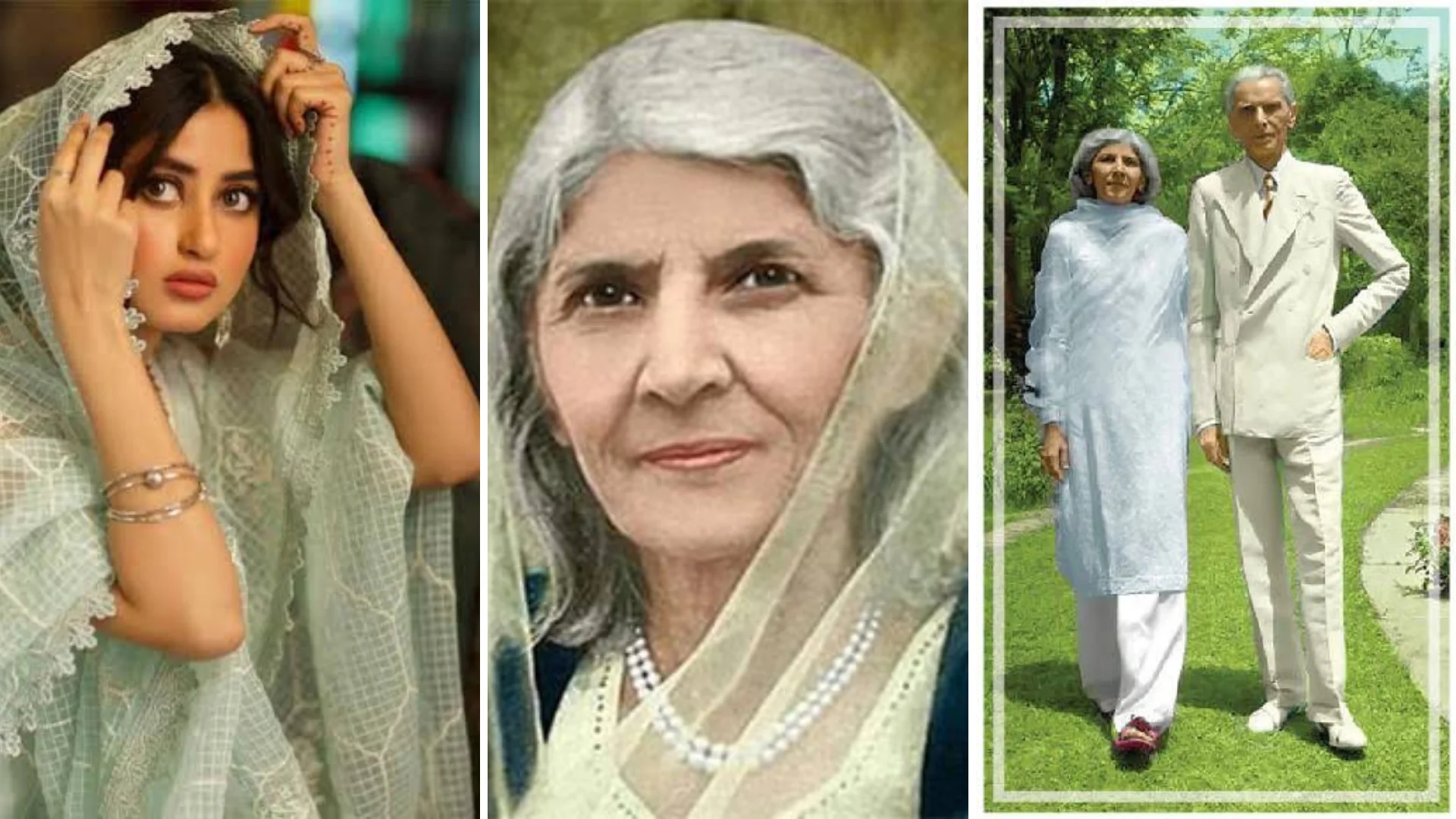
Fatima Jinnah
 Pakistan
Also known as: Fatima-e-Masum, Madar-e-Millat, Mohtarma Fatima Jinnah
Birthday
July 31, 1893
Birth Sign
Sagittarius
Birthplace
Karachi, British India
Age
Died at 73
About
Fatima Jinnah was a pioneering Pakistani politician, stateswoman, dental surgeon, and biographer universally revered as the Madar-e-Millat or Mother of the Nation. Born in Karachi to a wealthy Parsi family, she defied the gender norms of early 20th-century India to become the first female dentist in undivided India. Her life was inextricably linked to her younger brother, Muhammad Ali Jinnah, the founder of Pakistan, serving as his constant companion, advisor, and confidante throughout the struggle for independence. Following his death in 1948, she remained active in social work before mounting a historic challenge against military dictator Ayub Khan in the 1965 presidential election. She died of a heart attack in 1967, leaving behind a legacy that continues to define women's political participation in Pakistan.
In 2026, her legacy is commemorated through state-sponsored events, educational initiatives, and cultural productions that revisit her life and contributions to the nation. The release of new documentaries and ongoing debates regarding historical preservation keep her memory alive for new generations. Her influence extends beyond politics into the realms of medicine and women's rights, where she remains a symbol of dignity and resilience.
Early Life & Background
Fatima Jinnah was born on July 31, 1893, in Karachi, which was then part of British India. She was the youngest child of Mithibai Jinnah and Jinnahbhai Poonja, a prosperous Parsi merchant who served as an agent for the Bombay-Brochha Railway Company. Her father was originally from Navsari, Gujarat, while her mother hailed from Mumbai. The family moved frequently due to her father's career, eventually settling in Bombay, where Fatima spent her formative years. Her childhood was marked by a close-knit family environment, though her parents were strict regarding education and discipline. Unlike many girls of her station at the time, Fatima was encouraged to pursue higher education.
She attended the Cathedral and John Connon School in Bombay and later the SNDT Women's University. In 1920, she traveled to London to study dentistry, becoming one of the first Indian women to do so. She earned her Bachelor of Dental Surgery degree from the University of London in 1923, returning to India as the first woman to practice dentistry in the country. After completing her dental degree, she returned to Bombay and began practicing dentistry. However, her career trajectory shifted dramatically when her brother invited her to join him in Calcutta in 1923 to help with the political struggles of the Muslim League.
Career Growth
Fatima Jinnah joined her brother in Calcutta in 1923, transitioning from dentistry to full-time political activism. During the 1930s, she played a key role in the All-India Muslim League, organizing women's branches and mobilizing support for the Pakistan Movement. In 1940, she actively campaigned during the Lahore Resolution, which demanded a separate homeland for Muslims. Following independence in 1947, she served as a vital liaison during the partition, assisting in refugee relief efforts and the establishment of the new state of Pakistan.
After her brother's death in 1948, she co-founded the All Pakistan Women's Association in 1949 to support women and children displaced by the partition. In 1951, she delivered a notable radio broadcast advocating for women's rights, which was reportedly cut short by government officials. She authored My Brother, a biography of Muhammad Ali Jinnah, though it was published posthumously in 1987 after delays. In 1964, she united various opposition parties to nominate her as their candidate for the presidency, challenging the incumbent President Ayub Khan. Despite facing state-sponsored propaganda and restrictions, she garnered significant popular support, particularly among women and the urban middle class. Although she lost the election in January 1965, the campaign is remembered as a landmark moment for democratic resistance in Pakistan.
Career Timeline
Public Image & Style
Fatima Jinnah is portrayed as a figure of grace, dignity, and unwavering principle. Media depictions emphasize her role as a moral compass and a champion of women's rights. Her image is often associated with the ideals of the Pakistan Movement, representing the intersection of tradition and modernity. She was known for her simple yet dignified style, often wearing traditional attire that reflected her cultural roots while maintaining a professional demeanor. Her presence commanded respect, and she was seen as a unifying figure who bridged the gap between the elite and the common people. Her refusal to marry was viewed by supporters as a sign of total dedication to public service over personal gain.
Fame & Fandom
The concept of a modern fandom does not apply to Fatima Jinnah, as her legacy is defined by state-sponsored reverence rather than the grassroots campaigns or unofficial clubs typical of contemporary pop culture. Supporters are better described as citizens and political adherents who revere her as a national symbol, utilizing honorifics like "Madar-e-Millat" instead of fan nicknames. Her influence remains institutionalized through government bodies and educational institutions, with commemorations organized annually by state officials rather than fan-driven initiatives. Despite this absence of a formal fanbase, her historical footprint commands significant attention within specific cultural spheres. According to the iFANN Global Fame Rankings, she holds the position of the 2nd most famous person in Pakistani Dramas, a placement holding steady from the previous cycle. This ranking reflects her enduring presence in media narratives that revisit her life and political struggles. The data indicates that while she lacks a traditional following, her name triggers substantial engagement across platforms tracking global attention through diverse media signals. Her status as a central figure in political history ensures she remains a primary subject for dramatization and historical analysis, securing her top rank in this specific industry sector.
Interesting Facts and Legends
Fatima Jinnah was not only the first female dentist in India but also one of the few women to practice medicine in the region at the time. During the Round Table Conferences, she served as her brother's interpreter, a role that required exceptional linguistic skills and political acumen. Her 1951 radio address was cut short by government officials, marking one of the first instances of censorship against a prominent female voice in Pakistan. Despite being a central figure in a nation-building movement, she never married, a choice that was both respected and scrutinized by her contemporaries. The slogan "The only way is democracy," coined during her 1965 campaign, is still quoted today as a rallying cry for democratic movements in South Asia.
Notable Quotes
“The only way is democracy.”
“We must work together for the betterment of our country.”
“I am not a politician; I am a woman who wants to serve her country.”
Family & Personal Life
Fatima Jinnah was the youngest child of Mithibai Jinnah and Jinnahbhai Poonja, a prosperous Parsi merchant. She had an older brother, Muhammad Ali Jinnah, whom she considered her closest confidant and mentor. Throughout her life, she remained single, dedicating herself entirely to her brother and the cause of Pakistan. She lived with him for much of her adult life, managing his household and acting as his gatekeeper. There are no records of any romantic relationships, engagements, or marriages. Her personal life was defined by her deep bond with Muhammad Ali Jinnah, and she had no children. The family moved frequently due to her father's career, eventually settling in Bombay, where Fatima spent her formative years.
Notable Connections
Muhammad Ali Jinnah, Ayub Khan, Liaquat Ali Khan, Begum Ra'ana Liaquat Ali Khan.
Relationships & Dating History
Fatima Jinnah never married. Throughout her life, she remained single, dedicating herself entirely to her brother and the cause of Pakistan. There are no records of any romantic relationships, engagements, or marriages. Her personal life was defined by her deep bond with Muhammad Ali Jinnah, whom she considered her closest confidant and mentor. She lived with him for much of her adult life, managing his household and acting as his gatekeeper. While some folklore suggests she may have had secret admirers or unrequited affections, there is no credible historical evidence of any romantic partnerships. Her status as a "spinster" was often highlighted by her opponents during the 1965 election, yet she used her unmarried status to emphasize her total dedication to public service over personal gain. She had no children.
Death & Aftermath
Died
July 9, 1967 (aged 73)
Death Place
Karachi, Sindh, Pakistan
Cause of Death
Heart attack (myocardial infarction)
Following a grueling political campaign against the military regime of Ayub Khan in 1964, Fatima Jinnah's health deteriorated rapidly after her extensive travels across West and East Pakistan. She passed away on July 9, 1967, at her residence in Karachi, Pakistan, at the age of seventy-three. The officially reported cause of death was a heart attack attributed to natural causes, a ruling established through immediate medical assessment and family confirmation. While some accounts suggested foul play, these claims remained unverified and were later dismissed by reports citing Rana Liaquat Ali Khan, who visited the home to confirm the natural circumstances of her passing. Public reaction to her death involved profound national mourning, with state institutions observing moments of silence and tributes pouring in from government officials and political peers.
Her funeral was a significant public event attended by thousands of mourners, including high-ranking military leaders and citizens, before she was laid to rest with full state honors next to her brother, Muhammad Ali Jinnah, at the Jinnah Mausoleum in Karachi. Posthumously, she received the Nishan-e-Pakistan, Pakistan's highest civilian honor, while numerous institutions such as the Fatima Jinnah Medical University in Lahore and various roads now bear her name. A scholarship foundation was established to support female students, and her personal papers are managed by the Fatima Jinnah Foundation to preserve her legacy and promote women's education.
Net Worth (Estate Value)
$5 Million
iFANN Editorial Team estimate
As a deceased individual who passed away in 1967, Fatima Jinnah does not have a current net worth in the traditional sense. Her estate, managed by the Fatima Jinnah Foundation, likely holds assets related to intellectual property, royalties from books, and institutional endowments. However, specific financial valuations of her estate are not publicly disclosed in contemporary sources. Given her role as a public servant and her focus on social causes, she did not accumulate significant personal wealth through commercial ventures or endorsements. Any assets she owned were modest, consistent with the lifestyle of a civil servant and activist of her era. The iFANN Editorial Team estimates the value of her estate and legacy-related assets at approximately $5 Million based on the continued operation of institutions bearing her name and the enduring cultural capital she represents.
Awards Won (1)
Fatima Jinnah received the Nishan-e-Pakistan posthumously in 1967, Pakistan's highest civilian honor. She was granted a state funeral with full military honors, a rare distinction for a woman in Pakistan at the time. Multiple universities, hospitals, and roads bear her name, including Fatima Jinnah Medical University, Fatima Jinnah Women University, and Fatima Jinnah Chest Hospital.
1967 · Civilian Honor
Lifetime Achievement
Known For
Pakistan Movement
1947 · Key Figure
1965 Presidential Election
1965 · Opposition Candidate
All Pakistan Women's Association
1949 · Co-Founder
Keywords
Sources
Quick Facts
- Profession
- dentist, politician, biographer
- Born
- July 31, 1893
- Birthplace
- Karachi
- Died
- July 9, 1967
- Death Place
- Karachi
- Gender
- Female
- Birth Sign
- Sagittarius
Personal Details
- Full Name
- Fatima-e-Masum
- Children
- Education
- Cathedral and John Connon School; SNDT Women's University; University of London (BDS)
Frequently Asked Questions
Who was Fatima Jinnah?
Did Fatima Jinnah ever get married?
What was Fatima Jinnah's profession?
How did Fatima Jinnah die?
What is the significance of the 1965 election for Fatima Jinnah?
Join the community
fans discussing