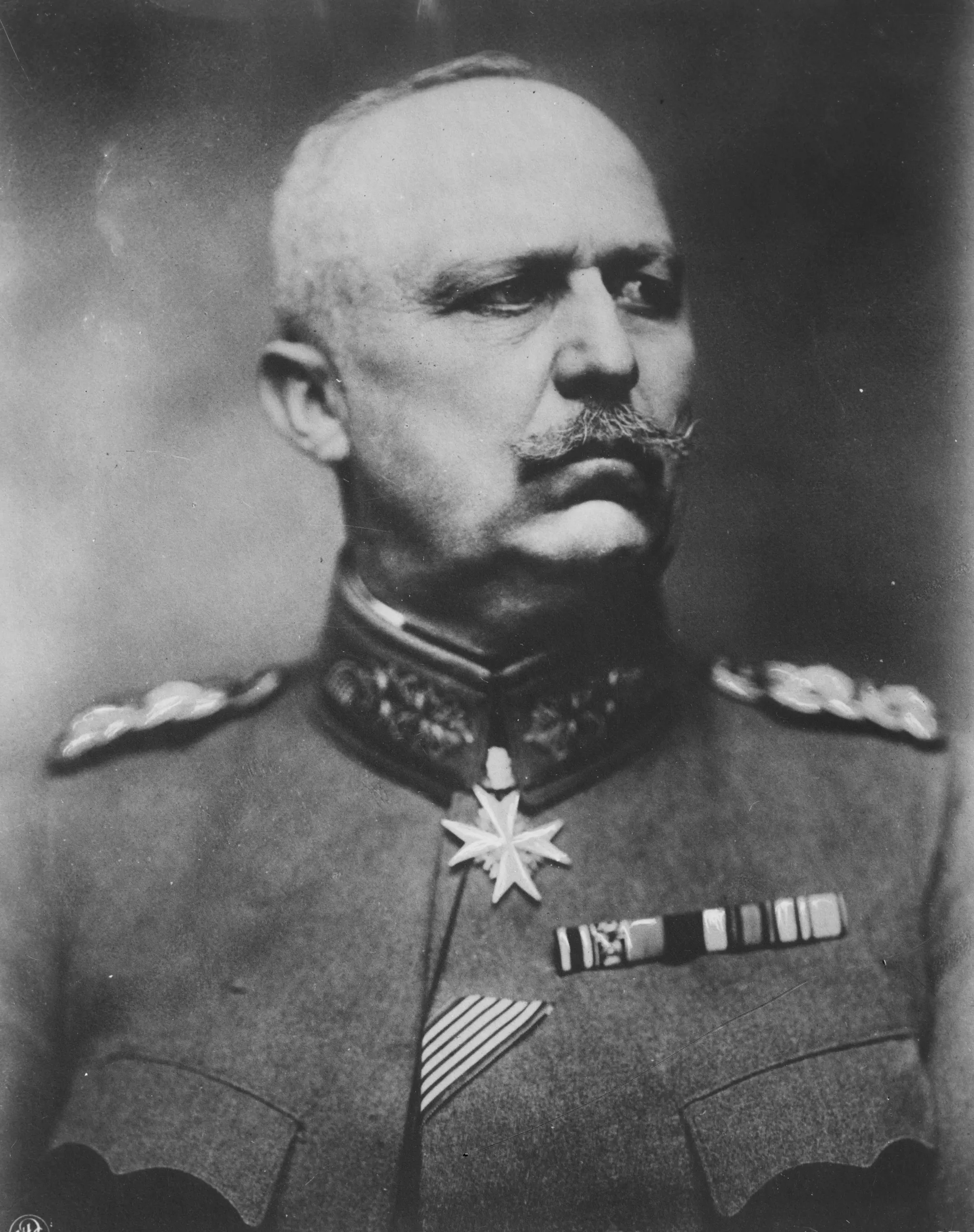
Erich Ludendorff
 Germany
politician•military officer•autobiographer
Also known as: Erich Friedrich Wilhelm Ludendorff
Birthday
April 9, 1865
Birth Sign
Aries
Birthplace
Kruszewnia, Prussian Province of Posen
Age
Died at 72
Height
5 ft 10 in (178 cm)
About
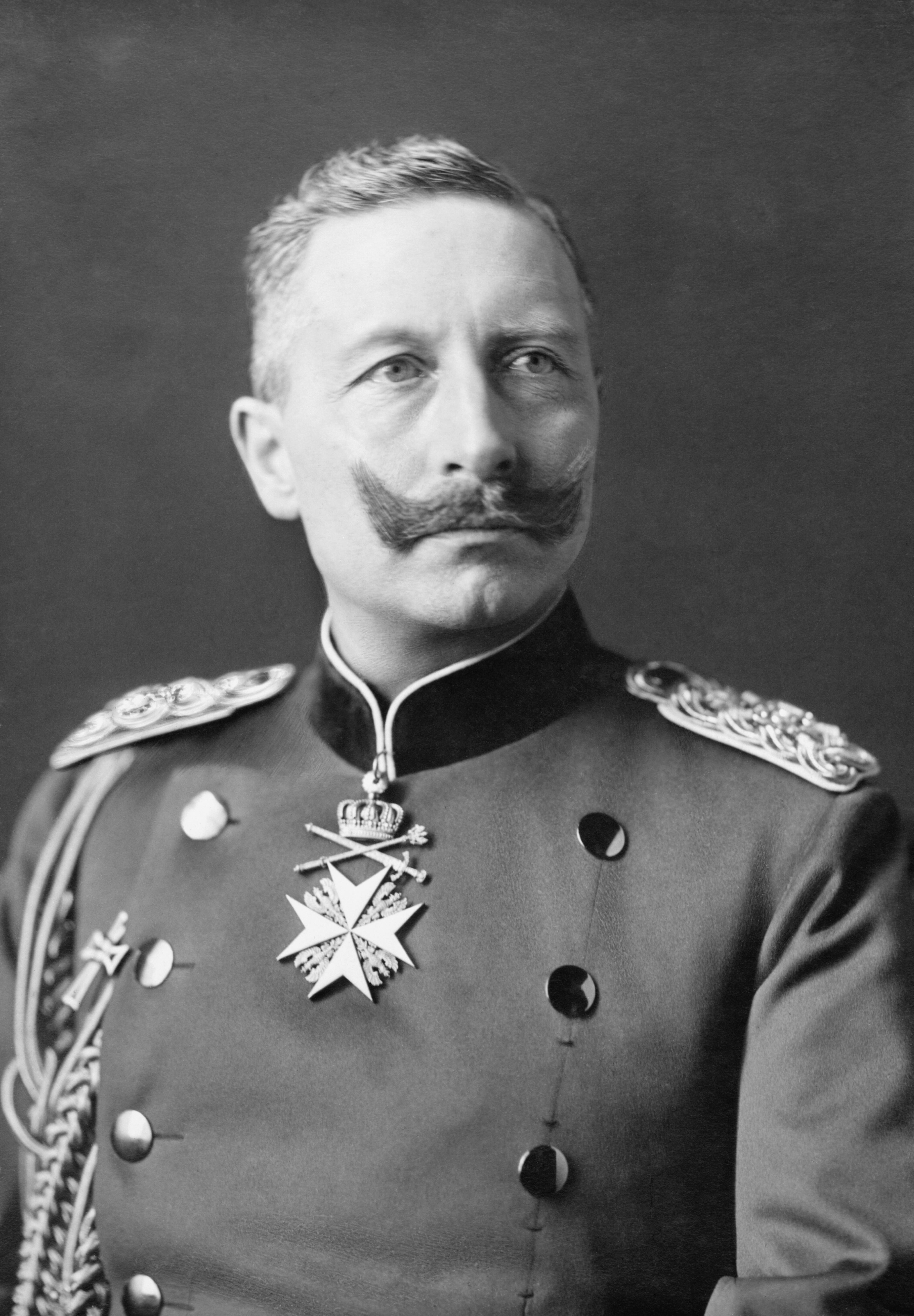
Erich Ludendorff was a Prussian general and politician whose influence on World War I and the subsequent political landscape of Germany remains profound. Born on April 9, 1865, in Kruszewnia (now Kruszwica), he rose from a non-noble background to become one of the most powerful figures in the German Empire. Standing approximately 5 feet 10 inches tall with a stern demeanor and military bearing, he projected an image of unwavering authority that defined his public persona. His early career was marked by rapid advancement: after cadet school, he was commissioned as a junior officer in 1885, gained admission to the prestigious German War Academy in 1893, and by 1904 was a key member of the Great General Staff, where he helped shape the Schlieffen Plan.
Ludendorff's fame came during World War I. In August 1914, he led the successful assault on Liège, earning the Pour le Mérite, and then, under General Paul von Hindenburg, played a central role in the crushing defeats of the Russians at Tannenberg and the Masurian Lakes. By August 1916, he had lobbied successfully for Hindenburg's appointment as head of the Supreme Army Command and his own promotion to First Quartermaster General. Together, they effectively ran a military dictatorship, with Ludendorff directing Germany's entire war effort. He oversaw Russia's defeat on the Eastern Front and launched offensives on the Western Front that produced advances unseen since the war's start.
His legacy is debated, with some viewing him as a tragic hero and others as a dangerous extremist. He is remembered as a complex figure: a military genius whose strategic failures contributed to Germany's defeat in World War I, and a political agitator whose propaganda helped pave the way for the rise of Nazism. After the war, he became a nationalist firebrand, promoting the stab-in-the-back myth that blamed Marxists, Freemasons, and Jews for Germany's defeat. He participated in the failed Kapp Putsch of 1920 and Hitler's Beer Hall Putsch of 1923, then ran unsuccessfully for president in 1925. He later retired from politics and turned to writing military theory. His most famous work, The Total War, argued that a nation's entire physical and moral resources should be perpetually poised for mobilization, since peace is merely an interval in an endless chain of wars. Ludendorff died of heart failure in Munich on December 20, 1937.
Early Life & Background
Erich Friedrich Wilhelm Ludendorff entered the world on April 9, 1865, in the village of Kruszewnia, located in the Prussian Province of Posen. Today known as Kruszwica, this area was part of the Kingdom of Prussia and is now within modern Poland. He was born into a farming family; his father, Alexander Ludendorff, owned land and worked the fields. Growing up on this farm instilled in young Erich a deep connection to the land and a disciplined upbringing typical of rural Prussia. From an early age, he displayed a keen interest in military affairs, often observing drills and listening to stories of past conflicts. This fascination steered him away from a life purely devoted to agriculture.
His formal education began at the cadet school in Berlin, where he received rigorous training in military tactics and discipline. He graduated and was commissioned as a second lieutenant in the 57th Infantry Regiment in 1885. His career quickly progressed through the ranks, showcasing his tactical acumen and administrative skills. By 1893, he had completed his studies at the Prussian Military Academy, a crucial step for any officer aspiring to the General Staff. His early years were defined by steady climbs up the military hierarchy, building a reputation for competence and strategic thinking that would eventually catch the attention of the empire's highest command.
By 1904, Ludendorff had been promoted to major and assigned to the Great General Staff. Here, he played a pivotal role in refining the Schlieffen Plan, Germany's ambitious strategy for a two-front war against France and Russia. His work involved detailed logistical planning and scenario modeling, demonstrating his ability to handle complex operational challenges. These formative years laid the groundwork for his future dominance in the German war machine, transforming him from a promising officer into a key architect of imperial strategy.
Career Growth
Ludendorff's ascent to national hero status began in August 1914 when he led the successful assault on the fortress city of Liège. This victory earned him the Pour le Mérite, Germany's highest military honor. Later that year, serving under General Paul von Hindenburg, he orchestrated decisive victories at the Battle of Tannenberg and the Second Battle of the Masurian Lakes against the Russian Empire. These triumphs propelled him to the forefront of German military leadership. He also received the Order of the Black Eagle in 1916 and the Knight's Cross of the House Order of Hohenzollern with Swords for his service. Additionally, he was awarded honorary doctorates from several universities, including the University of Breslau.
In August 1916, Ludendorff successfully lobbied for Hindenburg's appointment as Chief of the General Staff, with himself becoming First Quartermaster General. Together, they effectively established a military dictatorship over Germany, directing the nation's entire war effort. Ludendorff oversaw the Eastern Front's final defeat of Russia and launched massive offensives on the Western Front in 1917 and 1918, including the Spring Offensive. While initially achieving significant gains, these offensives ultimately failed due to logistical overextension and Allied counterattacks. On August 8, 1918, after British forces broke through at Amiens, Ludendorff declared it the 'black day of the German Army,' marking the beginning of the end for Germany's war effort.
In late 1918, facing the collapse of the German front and the onset of revolution, Kaiser Wilhelm II forced Ludendorff to resign. He fled to Sweden before returning to Germany. After the war, he became a vocal proponent of the "stab-in-the-back" myth, claiming that the German army had not been defeated on the battlefield but betrayed by civilians, socialists, and Jews. He participated in the Kapp Putsch of 1920, an attempted coup against the Weimar Republic, and later supported Adolf Hitler's Beer Hall Putsch in 1923. Although he ran unsuccessfully for the presidency in 1925, his influence on far-right politics persisted. He eventually broke with Hitler and retired from public life, focusing on writing military theory.
Career Timeline
Public Image & Style
Ludendorff is remembered as a complex figure: a military genius whose strategic failures contributed to Germany's defeat in World War I, and a political agitator whose propaganda helped pave the way for the rise of Nazism. His legacy is debated, with some viewing him as a tragic hero and others as a dangerous extremist. His stern demeanor and military bearing were well-known, and he projected an image of unwavering authority. In the public eye, he transitioned from a celebrated war hero to a controversial political figure, often associated with the extreme right wing of German politics. Britannica included him in its list of the "9 Worst Generals in History" in 2017, citing his strategic failures in the final stages of World War I. However, he is also recognized for his tactical successes and contributions to military theory. There are no known magazine covers featuring Erich Ludendorff from publications like *TIME*, *Rolling Stone*, or *Vogue*. His prominence was primarily in military and political circles rather than popular media.
Fame & Fandom
Erich Ludendorff's name echoes through history not in stadium chants or fan forums, but in the weight of military strategy and political upheaval. There is no organized fandom, no official name for those who study him, only historians, military buffs, and the curious who stumble upon his story through war documentaries or the 2017 film Wonder Woman, where he appears as a fictionalized villain. That cinematic portrayal sparked a spike of public interest, but it faded, leaving no lasting community.
What endures is his legend, a complex tapestry of tactical brilliance and catastrophic ambition. He is remembered as the architect of the Spring Offensive, the promoter of the stab-in-the-back myth, and a key figure in Hitler's Beer Hall Putsch. His legacy is debated: some call him a military genius, others include him on lists of history's worst generals. The stories surrounding him, like his role in sending Lenin to Russia in a sealed train, are retold with a mixture of awe and horror, cementing his place in the annals of consequential figures.
Yet in the eyes of iFANN's Global Fame Engine, as of September 2026, Erich Ludendorff holds no placement in the published rankings. He is not among the Global Top 1,000 or any Top-100 scope list. As of September 2026, iFANN's Global Fame Engine has evaluated this person, but they do not currently hold a placement in the published rankings (Global Top 1,000 or a Top-100 scope list). Say this plainly and neutrally; do NOT state or guess any numeric rank or score. His fame is not measured in viral moments or fan campaigns, but in the quiet persistence of historical inquiry.
Interesting Facts and Legends
Ludendorff's life is a trove of ironies. He helped orchestrate Lenin's sealed train journey to Russia in 1917, hoping to destabilize the enemy, a move that succeeded beyond imagination, triggering the Russian Revolution and taking Russia out of the war. The episode is often called a 'devil's bargain.'
He called August 8, 1918, the 'black day of the German Army' after British forces broke through at Amiens, a moment that signaled the beginning of the end for Germany. His own words became part of military lore.
In 1923, he marched alongside Hitler in the Beer Hall Putsch, an event that ended with police gunfire and Ludendorff's acquittal in court. Later, he broke with Hitler and became a political rival, never joining the Nazi Party, a nuance often lost in popular portrayals.
His promotion of the stab-in-the-back myth, the false claim that the German military was undefeated and betrayed by civilians, became a cornerstone of far-right ideology, a legend with devastating real-world consequences.
Notable Quotes
“August 8, 1918, was the black day of the German Army.”
“The war must be fought to the last man.”
Family & Personal Life
Ludendorff was married twice. His first wife was Margarethe von Kemnitz, whom he married in 1891. They had four children: Gertrud, Armgard, Konstantin, and Erich Jr. Margarethe died in 1911. In 1912, Ludendorff married Mathilde von Giersberg, who became a prominent figure in his post-war political activities. Mathilde was a staunch nationalist and co-founded the "Deutsche Volksgemeinschaft" (German People's Community) with her husband. The couple remained together until Ludendorff's death in 1937. There are no widely documented romantic relationships outside of these marriages, and no evidence of extramarital affairs or high-profile flings.
Notable Connections
Relationships & Dating History
Ludendorff was married twice. His first marriage was to Margarethe von Kemnitz in 1891. They had four children together: Gertrud, Armgard, Konstantin, and Erich Jr. Margarethe passed away in 1911, leaving Ludendorff a widower with a young family. In 1912, he married Mathilde von Giersberg, who would become a significant partner in his post-war political endeavors. Mathilde was a staunch nationalist and co-founded the "Deutsche Volksgemeinschaft" (German People's Community) with her husband. Their partnership extended beyond domestic life into the realm of political activism, where Mathilde played a visible role. The couple remained together until Ludendorff's death in 1937. There are no widely documented romantic relationships outside of these marriages, and no evidence of extramarital affairs or high-profile flings.
- MarriedMargarethe von Kemnitz1891 - 1911Mother of his four children; died in 1911.
- MarriedMathilde von Giersberg1912 - 1937Political partner and co-founder of Deutsche Volksgemeinschaft; died with him in 1937.
Death & Aftermath
Died
December 20, 1937 (aged 72)
Death Place
Schloss Illerrieden near Ulm, Germany
Cause of Death
Heart failure or stroke
Erich Ludendorff died on December 20, 1937, at his home in Schloss Illerrieden near Ulm. The seventy-two-year-old general succumbed to natural causes, specifically heart failure or a stroke following months of declining health. His passing was peaceful and private. By late 1937, Ludendorff had retreated from active politics after the collapse of the Beer Hall Putsch and a subsequent estrangement from Adolf Hitler, whose regime he had once supported before criticizing its policies. The Nazi government did not organize an official state funeral or national moment of silence for the man who helped forge the stab-in-the-back myth. Tributes remained muted, limited to small gatherings within far-right nationalist circles and obituaries in conservative newspapers that praised his military service while downplaying his later political controversies.
A private ceremony took place shortly after his death at the family cemetery in Illerrieden, where he was buried alongside relatives. No high-ranking government officials or military leaders attended in an official capacity, reflecting the complex relationship between the aging general and the Nazi leadership. Posthumously, Ludendorff's legacy survived primarily through historical analysis rather than new releases or honors. His autobiographical works like Kriegführung und Politik and The Total War remain in print as primary sources for studying World War I and the Weimar Republic.
Net Worth (Estate Value)
$0
iFANN Editorial Team estimate
As a historical figure who died in 1937, Erich Ludendorff's net worth is not applicable in the modern sense. However, his estate, managed by his widow Mathilde, likely consisted of property, savings, and intellectual property rights to his writings. The exact value of his estate is unknown, but it would have been modest compared to modern standards. His posthumous earnings came primarily from the continued publication and sale of his military memoirs and theoretical works, which remain relevant in academic circles today.
Awards Won (3)
Ludendorff received the Pour le Mérite in 1914 for the capture of Liège. He was also awarded the Order of the Black Eagle in 1916, one of Prussia's highest honors. Additionally, he received the Knight's Cross of the House Order of Hohenzollern with Swords for his military service and honorary doctorates from several universities, including the University of Breslau.
1914 · Military Honor
Capture of Liège
1916 · Military Honor
General Service
Known For
World War I
1914 · First Quartermaster General
Beer Hall Putsch
1923 · Supporter
Wonder Woman
2017 · Historical Inspiration
Keywords
Sources
Quick Facts
- Profession
- politician, military officer, autobiographer
- Born
- April 9, 1865
- Birthplace
- Kruszewnia
- Died
- December 20, 1937
- Death Place
- Munich
- Gender
- Male
- Spouse
- Mathilde Ludendorff, Margarethe Ludendorff
- Birth Sign
- Aries
Personal Details
- Full Name
- Erich Friedrich Wilhelm Ludendorff
- Height
- 5 ft 10 in (178 cm)
- Spouse
- Margarethe von Kemnitz, Mathilde von Giersberg
- Children
- Gertrud, Armgard, Konstantin, Erich Jr.
- Education
- Prussian Military Academy
Frequently Asked Questions
Who was Erich Ludendorff?
What was Erich Ludendorff's role in World War I?
Did Erich Ludendorff know Adolf Hitler?
What is the "stab-in-the-back" myth?
How did Erich Ludendorff die?
Join the community
fans discussing