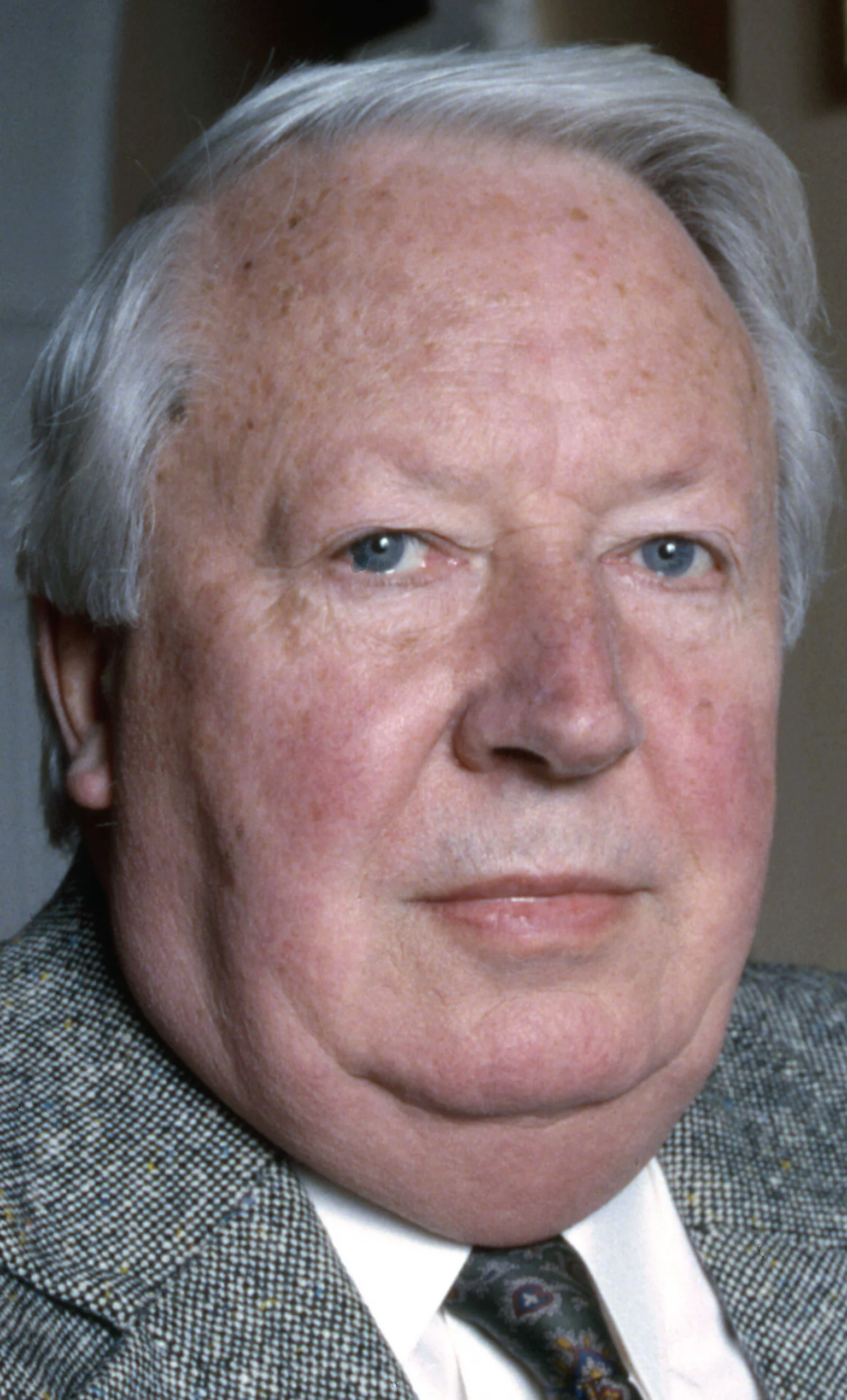
Edward Heath
 United Kingdom
politician•military personnel•journalist
Also known as: Ted Heath, Sir Edward Heath
Birthday
July 9, 1916
Birth Sign
Cancer
Birthplace
Broadstairs, Kent, England
Age
Died at 89
Height
5 ft 10 in (178 cm)
About
Sir Edward Richard George Heath was a British politician who served as the Prime Minister of the United Kingdom from 1970 to 1974 and Leader of the Conservative Party from 1965 to 1975. He remains one of the most significant figures in modern British history, best known for successfully negotiating Britain's entry into the European Economic Community. His career spanned over five decades, during which he also served as a distinguished yachtsman, multi-instrumentalist musician, and author. Heath died in 2005 at the age of 89.
As the first working-class meritocrat to lead the Conservative Party in its modern history, Heath brought a unique intellectual rigor to politics. He held the position of Father of the House from 1992 until his retirement in 2001. His legacy is defined by both his ambitious domestic reforms and his transformative work on European integration, though his tenure was also marked by intense industrial unrest and political challenges that ultimately ended his time as Prime Minister.
Early Life & Background
Born on July 9, 1916, in Broadstairs, Kent, Edward Heath entered the world into a modest working-class family. His father, George Heath, worked as a carpenter, while his mother, Mabel, was employed as a chambermaid. Despite these humble beginnings, Heath displayed exceptional academic promise early on. He attended Broadstairs Grammar School, where he excelled in his studies, proving that his background would not limit his future prospects.
His education continued at Balliol College, Oxford, where he read Philosophy, Politics, and Economics. During his time at Oxford, Heath became deeply involved in student politics, eventually serving as President of the Oxford University Conservative Association. This period was formative, solidifying his political ideology and honing the leadership skills he would later deploy on the national stage. When World War II broke out, he joined the Royal Artillery, rising to the rank of Major. He served with distinction in North Africa and Italy, earning the Distinguished Service Order for bravery. After the war, he briefly worked in the civil service before resigning in 1948 to pursue a parliamentary career.
Career Growth
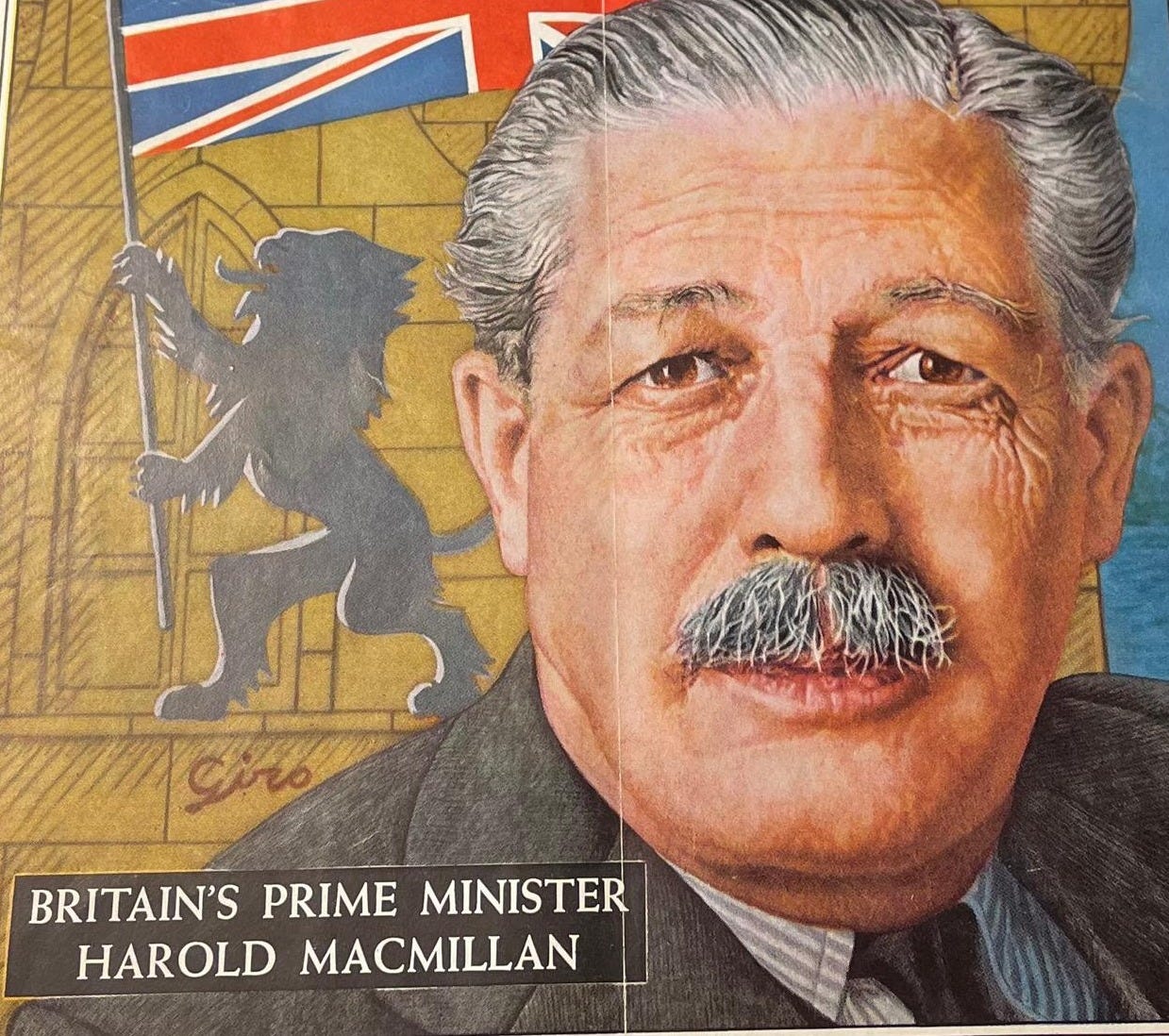
Heath's political ascent began in earnest after he was elected as the Member of Parliament for Bexleyheath in the 1950 general election. He quickly rose through the ranks, becoming Chief Whip under Anthony Eden in 1955. Under Harold Macmillan, he held several key cabinet positions, including Minister of Labour and Lord Privy Seal, before serving as President of the Board of Trade under Alec Douglas-Home.
In 1965, following the resignation of Douglas-Home, Heath was elected Leader of the Conservative Party. Although the party suffered a landslide defeat in the 1966 election, he remained steadfast in his leadership. His persistence paid off in the 1970 general election, where he led the Conservatives to a surprise victory. As Prime Minister, his administration oversaw the decimalisation of British coinage in 1971 and implemented sweeping local government reforms in 1972. His crowning achievement was negotiating Britain's entry into the European Economic Community, which took effect in 1973.
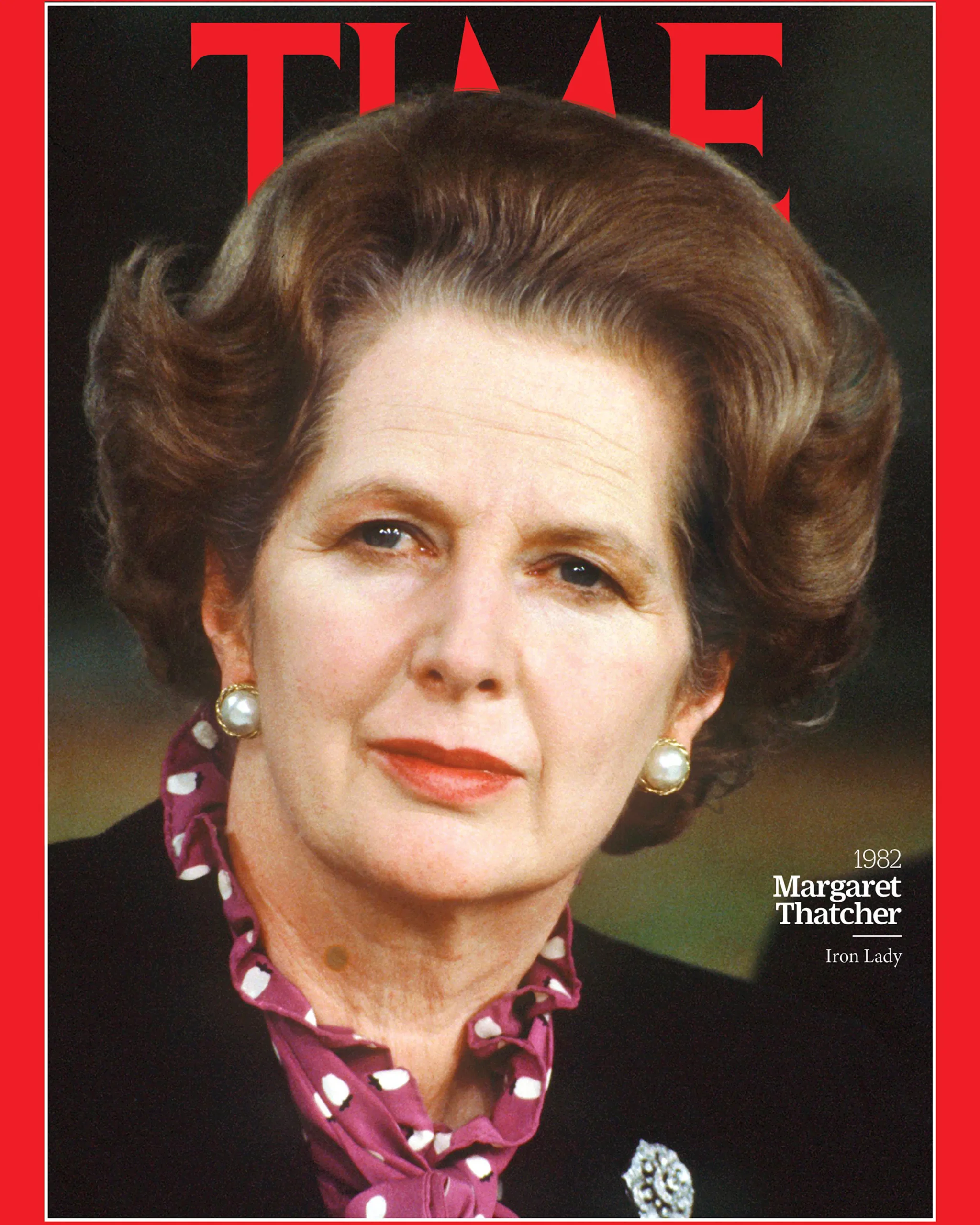
However, his premiership faced severe headwinds. The miners' strike of 1973–1974 forced him to introduce the Three-Day Week to conserve energy. In February 1974, he called a general election seeking a mandate to deal with the unions, but the result was a hung parliament. Despite winning more votes than the Labour Party, the Conservatives lost their majority. Heath resigned as Prime Minister on March 4, 1974, after failing to form a coalition. He lost the October 1974 election and subsequently lost the leadership of the Conservative Party to Margaret Thatcher in February 1975. Despite this defeat, he remained an MP until 2001, eventually becoming the Father of the House.
Career Timeline
Public Image & Style
Heath was often portrayed as an intellectual, somewhat aloof, and rigid figure. The media described him as a "working-class meritocrat" who lacked the natural charisma of some predecessors but possessed immense intellect and determination. His style was formal and unadorned, reflecting his serious demeanor. He was frequently seen as a man of principle who struggled with the compromises required in practical politics. His reputation suffered during the turbulent times of the miners' strikes, but historians have since re-evaluated his tenure as a period of significant reform and visionary thinking regarding Europe.
Fame & Fandom (iFAMOUS Rankings)
iFANN has not yet collected fame data for this person. He does not appear on the September 2026 iFAMOUS Rankings flagship list.
There is no organized fandom for Edward Heath in the traditional sense found among pop culture icons. His supporters are primarily academic, political historians, and those interested in British constitutional history. Fan culture is limited to academic circles and heritage societies dedicated to preserving the history of the Conservative Party and European integration. Discussions about his legacy often resurface during debates on Brexit and European relations, where his role in securing British membership in the EEC is frequently cited as a historical precedent.
Interesting Facts and Legends
Edward Heath was a virtuoso musician capable of playing the piano, clarinet, and oboe. He conducted the BBC Symphony Orchestra and composed a symphony titled The Earth. His musical talents were well-documented, and he often performed at charity concerts throughout his life. Beyond music, Heath was a champion yachtsman. He won the Whitbread Round the World Race in 1971 as the skipper of the yacht Great Britain, a feat that cemented his reputation outside of politics. Colleagues and friends affectionately knew him as "Ted." He was a staunch "One Nation" Conservative who believed in social cohesion and state intervention, which frequently put him at odds with the free-market policies of his successor, Margaret Thatcher. His complex relationship with the monarchy and Thatcher was later depicted in the Netflix series The Crown.
Notable Quotes
“I am not a man of the right, nor a man of the left. I am a man of the centre.”
“The decision to join the Common Market was not taken lightly... it was a decision of historic importance.”
“She was a great leader, but she was not a great person.”
Family & Personal Life
Edward Heath was known for being intensely private regarding his personal life. Unlike many public figures of his era, he never married and had no children. He lived alone for much of his adult life, dedicating himself to his career, music, and sailing. While some biographers have speculated about close friendships or companionships, Heath kept his romantic history shielded from the press. He maintained a home in Windsor and spent his later years there, surrounded by family and close friends before his death in 2005.
Notable Connections
Margaret Thatcher, Harold Wilson, Anthony Eden, Harold Macmillan, Alec Douglas-Home.
Relationships & Dating History
Edward Heath was known for being intensely private regarding his personal life. Unlike many public figures of his era, he never married and had no children. There are no officially confirmed long-term romantic partners or marriages in the historical record. While some biographers and contemporaries have speculated about close friendships or companionships, Heath kept his private life shielded from the press. He lived alone for much of his adult life, dedicating himself to his career, music, and sailing. At the time of his death in 2005, he remained single.
Death & Aftermath
Died
July 17, 2005 (aged 89)
Death Place
Windsor, Berkshire, UK
Cause of Death
Natural causes associated with old age
Sir Edward Heath passed away peacefully in his sleep at his home on Winkfield Row in Windsor, Berkshire, on Tuesday, 17 July 2005. The former Prime Minister was 89 years old when natural causes associated with old age claimed him. Tributes flowed immediately from across the political spectrum and international institutions, including a formal statement of sorrow from Queen Elizabeth II and acknowledgments from the European Commission regarding his pivotal role in bringing Britain into the European Economic Community. Margaret Thatcher, his successor and rival, publicly recognized their complex history while honoring his contributions to European integration.
A private funeral service took place on Friday, 29 July 2005, at St Mary Magdalene Church in Sandhurst, attended by close family members and select dignitaries before his ashes were scattered at sea near his residence. Posthumous efforts to preserve his legacy included the establishment of the Sir Edward Heath Chair in Politics at the University of Kent and the continued operation of the Sir Edward Heath Foundation, which focuses on youth leadership and European studies.
Net Worth (Estate Value)
$3 Million
iFANN Editorial Team estimate
As a public servant and politician, Edward Heath did not accumulate wealth through commercial ventures or endorsements in the manner of modern celebrities. His financial standing was typical of a senior British politician and civil servant. The iFANN Editorial Team estimates his net worth at approximately $3 million, derived from his parliamentary salary, book royalties, and earnings from his sailing endeavors. Primary sources of income included his salary as an MP, which ranged from £30,000 to £40,000 annually in the 1970s, and higher amounts in later years. He also authored several books on politics and music, generating additional revenue. Following his death, his estate was managed by his executors, and the Sir Edward Heath Foundation continues to operate, funded by donations and residual assets.
Awards Won (4)
Heath received numerous honours throughout his life, including being knighted in 1970 upon becoming Prime Minister. He was appointed to the Order of Merit in 1997, one of the highest honors in the UK. During World War II, he was awarded the Distinguished Service Order for gallantry. He was also appointed a Commander of the Order of St John and received the Freedom of the City of London. He was inducted into the International Sailing Hall of Fame for his achievements in yachting and received a Lifetime Achievement Award from the European Movement International.
1997 · State Honour
Service to the nation
1970 · State Honour
Appointment as Prime Minister
Known For
Prime Minister of the United Kingdom
1970 · Politician
Leader of the Conservative Party
1965 · Politician
European Economic Community Negotiations
1973 · Diplomat
Keywords
Sources
Quick Facts
- Profession
- politician, military personnel, journalist
- Born
- July 9, 1916
- Birthplace
- Broadstairs, Kent, England
- Died
- July 17, 2005
- Death Place
- Windsor, Berkshire, UK
- Gender
- Male
- Birth Sign
- Cancer
Personal Details
- Full Name
- Sir Edward Richard George Heath
- Height
- 5 ft 10 in (178 cm)
- Children
- Education
- Broadstairs Grammar School; Balliol College, Oxford (PPE)
Frequently Asked Questions
Did Edward Heath ever marry?
What was Edward Heath known for?
How did Edward Heath die?
Did Edward Heath love Margaret Thatcher?
What was Edward Heath's nickname?
Similar People
Join the community
fans discussing